

 Preverite v realnem okolju
 Pošlji kot čestitko
 Deli
Deli
 Podrobnosti
 Priročnik

 Prenesi
 Podobni artefakti
 Rentgenski posnetek
 Predvajaj diaporama
 Statistika
Aeneas Carrying Anchises
 Oil On Canvas
- WallArt
- Rococo
 1729
1729 110.0 x 105.0 cm
 Louvre
 Preberi več
Giclée tisk / Umetniški tisk
Giclée ali platnati odtis muzejske kakovosti z hitro proizvodnjo in prilagodljivimi možnostmi končne obdelave. ( Naročite ročno slikano reprodukcijo Preklop na digitalno sliko)




P118B €10

P118H €10

P118W €10

P438Z €10

P508JH €12

P508YH €12

P805H €10

P805Z €10

P919BZ €10

P919G €10

P919XJ €10

P959ZH €10

P968JZ €12

W106C €8

W218G €10

W218JH €8

W218Y €10

W307PJ €10

W316G €10

W316PJ €8

W316Y €10

W398PJ €8

W4111J €10

W500HY €15

W500JH €15

W692G €12

W849H €8

W940BG €15

W953PJ €8




Izberite eno od naših vnaprej določenih velikosti, ki ustrezajo prvotnim proporcijam umetničkega dela.

Vnesite širino in višino, ki jih potrebujete za svoj okvir ali steno. Tiskanje se lahko le odreže, vendar ga ni mogoče narediti večjega od slike, zato format z drugačno obliko pomeni izgubo dela slike. Pred tiskanjem vam pošljemo digitalni predogled za potrditev. Slika, prikazana na tej strani, ne prikazuje dejanskega izrezkov — le predogled to omogoča.
Globalna dostava () v 2 tednih namesto standardnih 4/5 tednov. (21 oktober)

Brezplačna ekspresna dostava po vsem svetu

Visokokakovostno laneno platno

Popolno zavarovanje pošiljke

Garancija povračila carine in uvoznih davkov

Garancija popolnega barvnega ujemanja

Politika vračila v 100 dneh (le v primeru okvar)

Garancija 100% povračila denarja

Popust pri večjem naročilu
 Možnost stekla je na voljo le za velikosti pod 110 cm

Aeneas Carrying Anchises
Giclée tisk / Umetniški tisk
Velikost reprodukcije
-


Skupna cena
€ 70
Aeneas Carrying Anchises: A Testament to Roman Heroism and Rococo Elegance
Charles-André van Loo’s “Aeneas Carrying Anchises,” painted in 1729, is more than just a depiction of a pivotal moment from Virgil's *Aeneid*; it’s a masterful distillation of the Rococo style, imbued with a profound sense of drama and classical gravitas. This artwork, now meticulously reproduced on hand-painted canvas by OriginalUniqueArt, offers a captivating glimpse into 18th-century French artistic sensibilities – a world where mythological narratives intertwined seamlessly with aristocratic life and an exquisite attention to detail reigned supreme.
The scene unfolds within a classically inspired architectural setting, reminiscent of the Temple of Venus or perhaps even the Parthenon, lending an air of timeless grandeur. Van Loo skillfully employs atmospheric perspective – the subtle blurring of details in the background – to draw the viewer’s eye towards the central figures: Aeneas, the Trojan hero, and his aged father, Anchises. The composition is carefully balanced, utilizing a pyramidal structure that reinforces the importance of these two patriarchs. Note the deliberate use of light; it illuminates Aeneas's determined face and the weight of responsibility he carries, while casting a softer glow upon Anchises, suggesting both vulnerability and profound wisdom.
The Rococo Palette: Color, Texture, and Ornamentation
As a leading figure in the Rococo movement, Van Loo’s signature style is immediately recognizable. The painting bursts with rich, layered colors – deep reds, blues, and golds dominate the palette, creating an opulent and luxurious atmosphere. The artist's meticulous brushwork reveals a remarkable attention to texture; from the folds of Aeneas’s cloak to the weathered skin of Anchises, every surface is rendered with incredible realism. Observe how he uses shimmering highlights to capture the light reflecting off polished marble columns and the fabric of their garments – a hallmark of Rococo technique.
The decorative elements are equally noteworthy. The architectural details, while rooted in classical forms, are embellished with intricate moldings, garlands, and subtle flourishes characteristic of the era. Van Loo’s mastery extends to portraying the human form; Aeneas and Anchises are depicted with a graceful elegance that reflects the ideals of beauty prevalent during the Rococo period. The inclusion of other figures in the background – soldiers, attendants, and perhaps even a veiled woman – adds depth and narrative complexity to the scene, hinting at the broader context of the Trojan War and its aftermath.
Symbolism and Narrative Resonance
Beyond its aesthetic beauty, “Aeneas Carrying Anchises” is rich in symbolic meaning. The act of Aeneas carrying his father represents not only filial devotion but also the burden of leadership and the transmission of legacy. Anchises, a descendant of Aeneas and the rightful heir to Troy, embodies the continuity of Roman civilization. The setting itself – a temple or monumental structure – elevates the scene to a realm of mythic importance, suggesting that Aeneas’s journey is not merely a personal quest but a destiny ordained by the gods.
Furthermore, the presence of the woman in the background has been interpreted as representing Fides (Faith) or perhaps even Venus herself, subtly reinforcing the themes of duty, honor, and divine guidance. The painting's overall mood is one of solemn determination tempered with a poignant sense of loss – a reminder of the sacrifices required to fulfill a noble purpose. OriginalUniqueArt’s faithful reproduction captures this nuanced emotional depth, allowing viewers to fully appreciate the artistry and storytelling embedded within Van Loo’s masterpiece.
Bringing “Aeneas Carrying Anchises” Home
Whether you're an art enthusiast, a collector seeking to enrich your collection, or simply someone looking for a stunning addition to your interior décor, OriginalUniqueArt’s hand-painted reproduction of “Aeneas Carrying Anchises” offers the perfect opportunity to own a piece of 18th-century artistic history. The meticulous detail and vibrant colors faithfully recreate Van Loo's original vision, while the canvas medium provides a timeless quality that will endure for generations to come. Explore our selection of sizes and framing options to find the ideal representation for your space – and experience the enduring power of this iconic artwork.
Vprašanja in odgovori
Kje lahko najdem umetniška dela, podobna delu "Aeneas Carrying Anchises" avtorja Charles-André Van Loo?
Stran Podobna dela za delo "Aeneas Carrying Anchises" avtorja Charles-André Van Loo prikazuje sorodna umetniška dela.
Kako se delo "Aeneas Carrying Anchises" vklapa v tematiko in slog umetnika Charles-André Van Loo?
"Aeneas Carrying Anchises" pripada delu Charles-André Van Loo v okviru sloga Rococo, katerega zastopne teme vključujejo italian baroque influence, mythological, roman themes, courtly patronage, luxury, dynasty’s artistic legacy, classical narrative depiction.
Kakšen čustveni ton spremlja slog Rococo pri delu "Aeneas Carrying Anchises"?
"Aeneas Carrying Anchises" nosi Melancholic čustveni ton znotraj gibanja Rococo.
Biografija umetnika
Kasno mladost in izobraževanje
- Ročilo: 15. februar 1705. v Niceju, Franciji
- Družno ozadje: Sin Louis-Abraham van Loo in mlajši brat Jean-Baptiste van Loo. Član uspešne dinastije nizozemskih slikarskikov.
- Zgodnje izobraževanje: Začetno usposabljanje v Turinu, nato študije v Rimu (1712) pod Benedetto Lutijem in Pierre Legrosom.
- Študije v Parižih: Obiskoval je Akademijo kraljev, kjer je leta 1723 osvojil prvo nagrado za risbo in leta 1727 za zgodovinsko sliko.
Umetniška kariera in znamenita dela
- Stil: Glavode je znan kot rokokanski slikar, ki ga značilijo elegancija, gracioznost in bogata dekorativna podrobnost.
- Predmetje: Različno zbirko, vključujoč portrete, mitološke scene, zgodovinske slike, alegorije in žanrske motive.
- Znamenita dela:
- Venus in Amor (Kunsthalle Bremen) - Demonstrira majstorstvo rokokanskega stila.
- Obohjeje lovnika (The Metropolitan Museum of Art) – Zhranja aristokratske dejavnosti.
- Portret Marie Leszczynske, kraljice Francije – Značajan kraljevski portret.
- Jupiter in Antiope - Izpostavlja mitološke teme.
- Samoportret – Zagotavlja vpogled v samopoznavanje umetnika.
- Persej in Andromeda (več različic) – Ilustrirajo veščino pri prikazovanju klasične mitologije.
- Mademoiselle Clairon kot Medea (majhna različica) - Udivljiv rokokanski portret iz leta 1760.
Začkopstvo in kraljevsko priznanje
- Kraljevsko začopstvo: Užival je začopstvo Madame de Pompadour in francškega dvora.
- Imenovanje v dvore: Je leta 1762 postal prvi slikar za kralja Ludvika XV, prestižna funkcija.
- Orden sv. Mikelaša: Okrasjen z Ordenjem sv. Mikelaša, kar pomeni kraljevsko milost.
Vplivi in dediščina
- Družno vplivanje: Močno vplivan zaradi svojega očeta in brata, oba uspešna slikarska.
- Konkurenca: Konkuriral je z François Boucherjem, drugim izviškim rokokanskim umetnikom.
- Moderna francška šola: Njegova "jednostavnost stila in pravilnost zasnova" je močno vplivala na moderno francško slikarstvo.
- Kritična blagost: Čeprav je njegova kritična postavitev skozi časom nihala, ga znanje in obseg njegovega dela povzroča spoštovanje.
Zbirke v muzejih in nadaljnja raziskovanja
- Prsotnost v muzejih: Dela so izpostavljena v priznanih muzejih, vključno z Louvrejem (Porok kraljice), Kunsthalle Bremen in The Metropolitan Museum of Art.
- Dodatne vire:
- Stranica Charles-André van Loo na OriginalUniqueArt: https://www.OriginalUniqueArt.com/artists/charles-andre-van-loo/
- Stranica najboljših umetnikov vseh časov na OriginalUniqueArt: https://www.OriginalUniqueArt.com/greatest-artists
- Virtuelni muzej OriginalUniqueArt: https://www.OriginalUniqueArt.com/
- Wikipedia članek: https://en.wikipedia.org/wiki/Charles-Andr%C3%A9_van_Loo
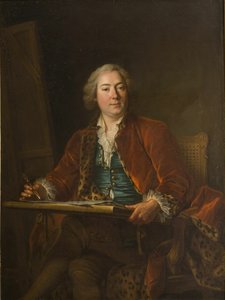
Charles-André Van Loo
1705 - 1765 , Francija
Ključne informacije
- Artistic Movement Or Style: Rokokno slikarstvo
- Artists Or Movements Influenced By This Artist: ['Moderna francuska šola']
- Artists Who Influenced This Artist:
- Benedetto Luti
- Pierre Le Gros
- Date Of Birth: 15. februar 1705.
- Date Of Death: 15. julij 1765.
- Full Name: Charles-André van Loo
- Nationality: Francski
- Notable Artworks:
- Venus in Amor
- Obohje lovnice
- Portret Mariji Leszczynske
- Jupiter in Antiope
- Samoportret
- Persej in Andromeda
- Place Of Birth: Nice, Francija
Sorodni članki

Rokojska mojstrovin: 10 umetnin, ki so definirale eleganco
Odkrijte 10 mojstrovin, ki so definirale rokokoj! François Boucher, Fragonard & Watteau – potopite se v svet elegance, pastelnih barv in prefinjenega sloga. Najboljše umetnine rokokoja na OriginalUniqueArt.com - za navdih in reprodukcije vrhunske kakovosti.

Early Netherlandish Masters: 10 Paintings That Revolutionized Art & Decor
Journey into the Early Netherlandish Renaissance! Explore 10 iconic paintings by Jan van Eyck, Rogier van der Weyden & more. Discover stunning detail, symbolism, and oil painting techniques. Find museum-quality art reproductions for your home at OriginalUniqueArt.com.

Charles-André van Loo: A Study in Rococo Portraiture & the French Court's Artistic Dynamics
Explore the elegant world of Charles-André van Loo, a master of Rococo portraiture at the French court. Discover his life, techniques, and enduring influence on 18th-century art. Hand-painted reproductions available.

Early Netherlandish Masters: 10 Paintings That Revolutionized Art & Decor
Journey into the world of Early Netherlandish painting! Explore 10 masterpieces by Jan van Eyck, Rogier van der Weyden & more. Discover stunning detail, symbolism & Renaissance art for your home decor. Find museum-quality reproductions on OriginalUniqueArt.com

Rembrandt van Rijn: 25 Mojstrovin za Popestritev Vašega Doma | OriginalUniqueArt
Odkrijte 25 mojstrovin Rembrandta van Rijna! Preberite zgodbe o portretih, svetlobi in nizozemskem baroku. Kvalitetne reprodukcije slik za vaš dom na OriginalUniqueArt.com. Raziskajte celotno zbirko online.