
 Predogled
 Pošlji
 Deli
Deli
 Podrobnosti o delu

 Prenesi
 Podobni izdelki
 Rentgenski posnetek
 Predvajaj diaporama
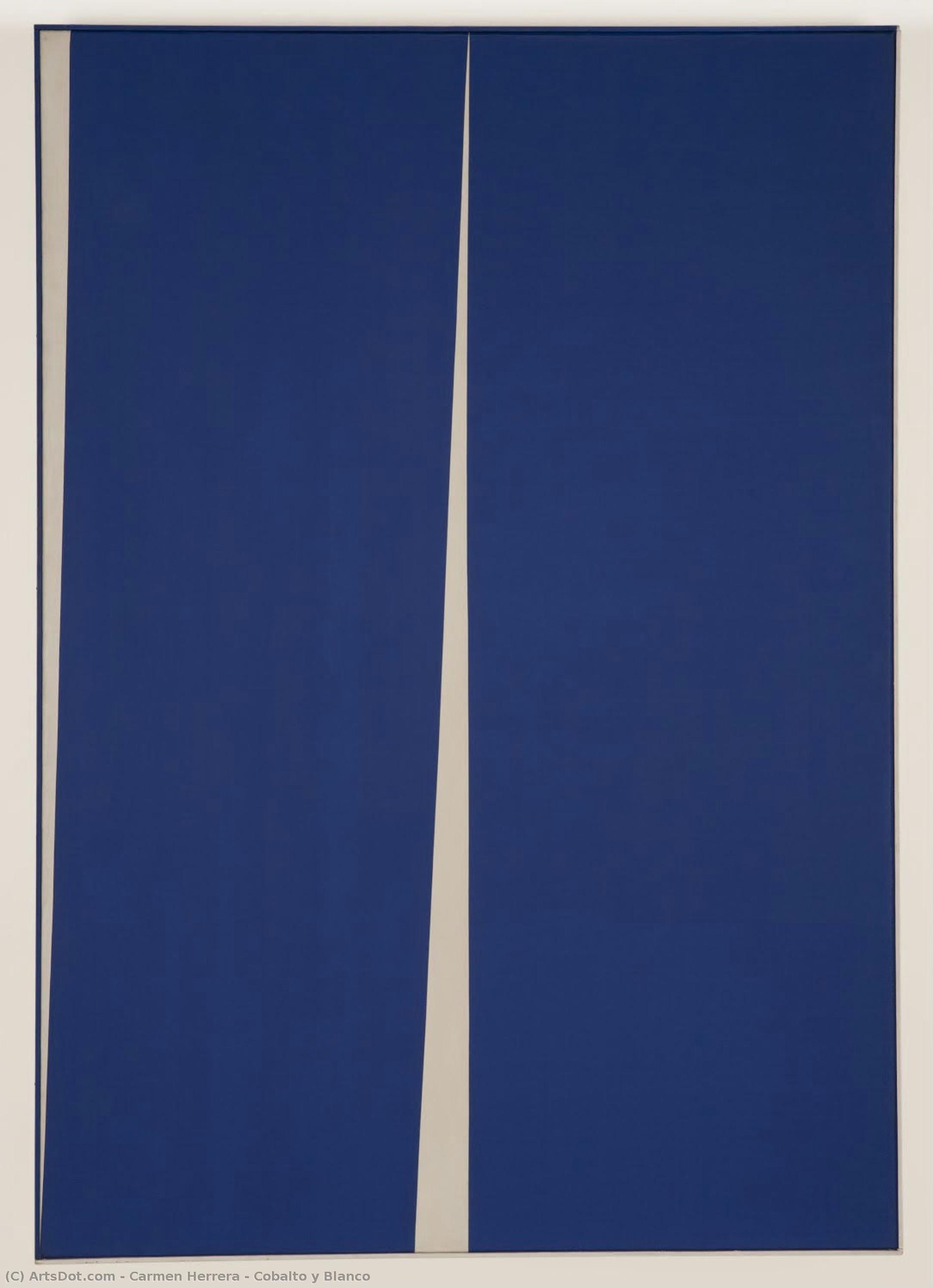
Cobalto y Blanco


 Razviljaj več
Ročno izdelana oljna reprodukcija
Ročno slikano olje na platnu v vaši izbiri velikosti in okvirja, izdelano po naročilu naših umetnikov. ( Kupi tisk Kupi digitalno sliko)




P118B $10

P118H $10

P118W $10

P438Z $10

P508JH $12

P508YH $12

P805H $10

P805Z $10

P919BZ $10

P919G $10

P919XJ $10

P959ZH $10

P968JZ $12

W106C $8

W218G $10

W218JH $8

W218Y $10

W307PJ $10

W316G $10

W316PJ $8

W316Y $10

W398PJ $8

W4111J $10

W500HY $15

W500JH $15

W692G $12

W849H $8

W940BG $15

W953PJ $8




Izberite eno od naših vnaprej določenih velikosti, ki ustrezajo prvotnim proporcijam umetničkega dela.

Svoje dimenzije lahko vnesete tako, da se prilagodite določenemu okvirju ali prostoru. Če izbrana velikost ne ustreza razmerjem originalne slike, bomo umetniško delo obrezali ali sliko dopolnili z dodatnimi ročno naslikanimi elementi. Pred začetkom proizvodnje vam bo poslan digitalni osnutek v odobritev.
Upoštevajte, da predogled na zaslonu ne odraža dejanskega obrezovanja ali podaljšanja. Le osnutek bo natančno prikazal končno kompozicijo.
Čeprav so na voljo velikosti po meri, priporočamo izbiro dimenzije s preddefiniranega seznama, da ohranimo originalne razmere.
Po oddaji naročila bo ekipa OriginalUniqueArt.com stranki po e-pošti poslala navodila in predogled digitalnega predogleda.
Svetska dostava () za 3/4 nedelje umesto uobičajenih 5 nedelja. (13 avgust). Bez kompromisa po pitanju kvaliteta.

Brezplačna ekspresna dostava po vsem svetu

Visokokakovostno laneno platno

Popolno zavarovanje pošiljke

Garancija povračila carine in uvoznih davkov

Garancija popolnega ujemanja barv

60-dnevna politika vračanja (le v primeru napak)

Garancija 100% povračila denarja

Popust pri večjem naročilu
 Možnost stekla je na voljo le za velikosti pod 110 cm

Cobalto y Blanco
Tehnika reprodukcije
Velikost reprodukcije
-


Skupna končna cena
$ 300
Opis umetninine
Cobalto y Blanco: A Minimalist Echo of Cézanne’s Landscape Vision
Carmen Herrera's "Cobalto y Blanco," created in 1960, stands as a testament to the enduring power of geometric abstraction and its ability to evoke profound emotional resonance. This deceptively simple painting—a bold rectangle of white punctuated by a curving blue line—captures a spirit that transcends mere visual representation, mirroring the contemplative gaze fostered by artists like Cézanne who sought to distill nature’s essence into fundamental forms. The artwork's placement at Centro Cultural Banco do Brasil Rio de Janeiro underscores its significance within Brazilian art history and its continued relevance as an exemplar of minimalist aesthetic principles.- Subject Matter: At first glance, “Cobalto y Blanco” presents a stark contrast between color and form—a luminous white rectangle juxtaposed against the assertive presence of a curving blue line. This deliberate simplicity isn’t merely stylistic; it's designed to invite contemplation about perception itself.
- Style & Technique: Herrera employed acrylic paint on canvas, utilizing a technique that prioritizes precision and flatness – hallmarks of Hard Edge Abstraction. The resulting surface is remarkably smooth, emphasizing the materiality of the pigment without distracting from its geometric purity. This meticulous approach aligns perfectly with Minimalism’s rejection of illusionistic depth and textural complexity.
- Historical Context: Produced during the mid-1960s, “Cobalto y Blanco” emerged from a vibrant artistic milieu influenced by movements like Abstract Expressionism and Minimalism. Artists were actively exploring ways to express emotion through reductive visual elements—a reaction against the expressive fervor of earlier generations. Herrera’s work embodies this shift toward formal clarity and intellectual rigor.
- Symbolism & Emotional Impact: The blue line, curving gracefully across the white expanse, subtly suggests movement and depth – mirroring Cézanne's iconic landscapes where he attempted to capture the essence of nature through simplified geometric shapes. It’s a gesture that invites viewers to consider spatial relationships and psychological states, prompting introspection about how we perceive the world around us.
Carmen Herrera: A Pioneer of Geometric Minimalism
Carmen Herrera (1915-2022) was a Cuban-American artist who revolutionized abstract painting with her unwavering commitment to geometric forms and bold color palettes. Born in Havana, she honed her artistic skills early on under Federico Edelmann y Pinto, demonstrating an innate aptitude for visual expression. Her subsequent studies at Marymount School in Paris solidified her appreciation for art history and culture, shaping her stylistic sensibilities. Herrera’s architectural background further informed her approach to composition—a characteristic that would become synonymous with her distinctive oeuvre.- Early Training & Influences: Herrera's formative years instilled a deep understanding of artistic tradition while simultaneously fostering an independent spirit. Edelmann y Pinto’s guidance nurtured her technical prowess, and Marymount School exposed her to the intellectual currents of European art discourse.
- Geometric Style Development: During her Parisian period, Herrera embraced Hard Edge Abstraction—a style characterized by precise geometric shapes rendered in flat planes of color. This technique reflects a deliberate rejection of illusionistic depth, prioritizing visual clarity and formal harmony.
Beyond the Canvas: Herrera’s Legacy & Influence
Carmen Herrera's impact extends far beyond her individual artworks; she fundamentally reshaped perceptions of abstract art and inspired generations of artists to explore minimalist aesthetics. Her unwavering belief in simplicity—both visual and conceptual—continues to resonate with contemporary creatives who seek to communicate profound ideas through reductive forms. The rediscovery of her paintings in recent years has cemented Herrera’s place as a pivotal figure in 20th-century art history, demonstrating the enduring power of geometric abstraction to provoke contemplation and inspire artistic innovation. Her work exemplifies the pursuit of pure form and color—a legacy that will undoubtedly continue to captivate audiences for decades to come.Biografija umetnika
Early Life and Education
- Born: Havana, Cuba (May 30, 1915)
- Died: New York City, USA (February 12, 2022) – aged 106
- Early artistic training began at age eight with private lessons from Federico Edelmann y Pinto.
- Attended Marymount School in Paris in 1929, fostering an appreciation for art history and culture.
- Studied architecture briefly at the Universidad de la Habana (1938-1939), influencing her later geometric style.
Artistic Development and Style
- Developed a hard-edge, non-objective abstract style during her time in Paris in the late 1940s and early 1950s.
- Experimented with various materials and techniques, including solvent-based acrylic paints.
- Her work is characterized by geometric shapes, bold colors, and a focus on formal simplicity.
- Influenced by movements such as Abstract Expressionism and Minimalism.
- Explored themes of symmetry, asymmetry, movement, rhythm, and spatial tension in her paintings.
- Later works incorporated three-dimensional sculptural elements ("estructuras").
Career and Recognition
- Exhibited in Havana in 1950 but faced a lack of audience receptiveness.
- Moved to New York City in 1954, where her work initially went largely unrecognized.
- Despite facing challenges as a Latin woman artist, she continued painting consistently for decades.
- Gained significant international recognition late in life, starting in the late 1990s.
- First solo exhibition in New York City after many years was at Lisson Gallery in 2010.
- Major retrospective, *Carmen Herrera: Lines of Sight*, at the Whitney Museum of American Art (2016-2017) brought her widespread acclaim.
Major Works and Exhibitions
- Iberic (1949): A notable early work housed at the Metropolitan Museum of Art in New York City.
- Blanco y Verde series (1959-1971): A significant body of work exploring figure/ground relationships and architectural principles.
- Days of the Week: Series of seven vivid paintings.
- Exhibitions at Stanhardt Gallery, numerous galleries in Europe, and major museums worldwide.
- Public art installations, including Verde, que te quiero verde at the Blanton Museum of Art (2023).
Historical Significance
- Carmen Herrera is considered a pioneering figure in abstract and minimalist art.
- Her late-career recognition highlights the challenges faced by women artists and artists from underrepresented backgrounds.
- Her work demonstrates a commitment to formal rigor, geometric abstraction, and a unique artistic vision.
- She inspired new generations of artists and continues to be celebrated for her contributions to art history.

Carmen Herrera
1915 - 2022 , Cuba
Hitri podatki
- Artistic Movement Or Style: Abstract, Minimalist
- Date Of Birth: May 31, 1915
- Date Of Death: February 12, 2022
- Full Name: Carmen Herrera
- Nationality: Cuban-American
- Notable Artworks:
- Iberic
- Cobalto y Blanco
- West
- Place Of Birth: Havana, Cuba
Sorodni članki

Geometrična Abstraktna Umetnost: 10 Mojstrovin za Vaš Dom | OriginalUniqueArt.com
Odkrijte 10 mojstrovin geometrične abstrakcije! Mondrian, Malevich, Kandinsky in drugi. Zgodbe umetnikov, tehnike ter navdih za vaš dom. Kvalitetne reprodukcije slik na OriginalUniqueArt.com. Raziskajte celotno zbirko online!

Neo-Abstract Art: The High-Impact Evolution of Modern Visual Energy and Geometric Sophistication
Discover the power of Neo-Abstract art. Explore how bold geometric forms and high-impact visual energy are redefining modern design. Learn to curate sophisticated, high-energy spaces with the latest trends in contemporary abstraction and structural color.
Beyond Form & Color: Geometric Abstraction's Enduring Legacy in Art History
Explore the captivating world of geometric abstraction! Discover its origins, key artists like Malevich & Mondrian, and why this movement remains highly valued by art collectors today. Expert insights at OriginalUniqueArt.

Beyond Form & Color: Geometric Abstraction's Evolution in 20th/21st Century Art
Explore the evolution of geometric abstraction from Cubism to contemporary art. Discover key artists like Malevich & Mondrian, investment insights, and expert collecting advice at OriginalUniqueArt.

The Power of Less: A Definitive Guide to the Minimalism Movement and Geometric Abstraction
Explore the profound impact of Minimalism and Geometric Abstraction. From Mondrian to Malevich, discover how stripping art to its essential forms revolutionized modern aesthetics through our expert-led historical guide.

