
 Predogled v realnem okolju
 Pošlji
 Deli
Deli
 Podrobnosti o delu
 Priročnik

 Prenesi sliko
 Podobni izdelki
 Rentgenski posnetek
 Predvajaj diaporama
 Vprašanja in odgovori
 Statistika
German Sägegrube

- 44.0 x 56.0 cm


 Preberi več
Giclée tisk / Umetniški tisk
Giclée ali platnati odtis muzejske kakovosti z hitro proizvodnjo in prilagodljivimi možnostmi končne obdelave. ( Kupite ročno slikano delo Preklop na digitalno sliko)




P118B €10

P118H €10

P118W €10

P438Z €10

P508JH €12

P508YH €12

P805H €10

P805Z €10

P919BZ €10

P919G €10

P919XJ €10

P959ZH €10

P968JZ €12

W106C €8

W218G €10

W218JH €8

W218Y €10

W307PJ €10

W316G €10

W316PJ €8

W316Y €10

W398PJ €8

W4111J €10

W500HY €15

W500JH €15

W692G €12

W849H €8

W940BG €15

W953PJ €8




Izberite eno od naših vnaprej določenih velikosti, ki ustrezajo prvotnim proporcijam umetničkega dela.

Vnesite širino in višino, ki jih potrebujete za svoj okvir ali steno. Tiskanje se lahko le odreže, vendar ga ni mogoče narediti večjega od slike, zato format z drugačno obliko pomeni izgubo dela slike. Pred tiskanjem vam pošljemo digitalni predogled za potrditev. Slika, prikazana na tej strani, ne prikazuje dejanskega izrezka — le predogled to omogoča.
Globalna dostava () v 2 tednih namesto standardnih 4/5 tednov. (5 november)

Brezplačna ekspresna dostava po vsem svetu

Visokokakovostno laneno platno

Popolno zavarovanje pošiljke

Garancija povračila carine in uvoznih davkov

Garancija popolnega barvnega ujemanja

100-dnevna politika vračil (le v primeru okvar)

Garancija 100% povračila denarja

Popust pri večjem naročilu
 Možnost stekla je na voljo le za velikosti pod 110 cm

German Sägegrube
Giclée tisk / Umetniški tisk
Velikost reprodukcije
-


Skupna cena
€ 72
A Moment Frozen in Light: The Soul of German Sägegrube
In the quiet corners of the Kunsthalle Hamburg resides a masterpiece that transcends mere landscape painting; it is a window into a fleeting moment of late nineteenth-century tranquility. Carl Eduard Schuch’s 1881 work, German Sägegrube, invites the viewer to step away from the frantic pace of modern life and enter a realm of profound stillness. At first glance, the subject appears humble—a simple saw pit, or Sägegrube, nestled within a dense forest of towering pines and slender birches. Yet, beneath this rustic exterior lies an extraordinary exploration of atmosphere. Schuch does not merely paint trees and earth; he captures the very breath of the forest, presenting a scene bathed in diffused sunlight that evokes a sense of deep, meditative contemplation.
The painting serves as a beautiful bridge between eras, standing at the intersection of late Romanticism and the burgeoning Impressionist movement. While Schuch’s roots were planted in the rigorous academic traditions of Vienna, his spirit wandered toward the revolutionary light-studies of Claude Monet. In German Sälygrube, one can sense this transition vividly. The artist eschews the dramatic, theatrical shadows often found in academic landscapes, opting instead for subtle gradations of color that create a luminous, velvety depth. This technique allows the viewer to feel the humidity of the forest air and the soft, dappled light filtering through the canopy, making the scene feel less like a static image and more like a living, breathing memory.
The Artistry of Texture and Tone
For the discerning collector or interior designer, the true allure of this piece lies in its masterful execution. Schuch’s technique is a testament to his dedication to plein air observation. Using oil on canvas, he applied layers of pigment with a precision that suggests both strength and delicacy. His brushstrokes are purposeful—loose enough to convey the organic movement of nature, yet controlled enough to maintain a sense of structural integrity. This balance creates a tactile quality; the dirt piles and fallen logs possess a weight and texture that feel almost tangible to the touch.
The color palette is a sophisticated study in earth tones, greens, and muted highlights. By avoiding jarring contrasts, Schuch achieves a harmonious unity that makes this artwork an ideal centerpiece for any refined space. Whether placed in a sunlit gallery or a moody, contemporary study, the painting’s ability to harmonize with its surroundings is unparalleled. It does not demand attention through loudness, but rather commands respect through its quiet, enduring elegance.
Symbolism and the Human Connection
Beyond its aesthetic brilliance, German Sägegrube carries a poignant symbolic weight. The saw pit itself—a site of human industry and resource extraction—serves as a subtle metaphor for the intersection of man and nature. We see figures scattered throughout the landscape, engaged in the labor of logging, yet they do not dominate the composition. Instead, they are integrated into the forest, appearing almost as transient elements within the enduring cycle of the natural world. This creates a powerful emotional resonance, reminding us of our place within the larger, more permanent rhythms of the earth.
To possess a reproduction of this work is to bring a piece of art history into one's personal sanctuary. It offers more than just decoration; it provides an emotional anchor—a sense of peace, a connection to the past, and a constant reminder of the beauty found in the most unassuming corners of our world. For those seeking to inspire awe and tranquility in their homes or professional spaces, Schuch’s vision remains an eternal source of inspiration.
Vprašanja in odgovori
Ali je "German Sägegrube" v celotnosti bolj svetel ali bolj temen?
"German Sägegrube" ima v celoti balanced, njegova luminanca pa znaša Soft Shadow.
Ali lahko "German Sägegrube" ogledam kot diaporama v celotnem zaslonu?
Na voljo je diaporama: stran Slidešov za delo "German Sägegrube" avtorja Carl Eduard Schuch.
Kakšna je oblika in velikost dela "German Sägegrube"?
Format dela "German Sägegrube" je Landscape, njegova prvotna velikost pa znaša 44 x 56 cm. Oba podatka sta koristna pri načrtovanju reprodukcije.
Biografija umetnika
Luminosni prehod: Umetniška pot Carla Eduarda Schucha
Carl Eduard Schuch, avstrijski slikar, katerega življenje je obujalo živahno in tumultno konico devetnajstega stoletja, ostaja fascinantna figura na križišču umetniških gibanj. Čeprav se je rodil v Dunaju leta 1846, je njegov ustvarjalni duh najplodnejšo tla našel daleč od njegove rojstne kraja. Njegova potovanja so ga vodila skozi kulturna tobljenja Nemčije, Italije in Francije – geografska območja, ki so globoko oblikovala paleto in filozofijo njegove umetnosti. Schuchovo primarno osredotočilo se je na mirno dostojnost mrtve naravnine in razgibano dihanje pejzažev. V zgodnjih fazah formalne izobrazbe, med letoma 1865 in 1867, je študiral slikanje pejzaža pod cenjenim akademskim slikarjem Ludwigom Halausko, kar je bilo učeništvo, ki je postavilo temelje za razumevanje kompozicije in svetlobe.
Vendar pa je že v teh zgodnjih študijih Schuch skrival edinstivo intelektualno radovednost. Njegove prve poskuse študiranja podob glave je nekoč opisal, kot da gre za mrtvo naravino – želja po zajemanju tonov, ton za tonom, s črpanjem neopustljive zavese očitnih čustev. Prav ta pristop – natančno opazovanje, ki se skriva pod navidezno preprostimi temami – je postal značilnost njegove zrele umetnosti.
Odmevi mojstrov: Vplivi in razvoj
Schuchov umetniški razvoj je zaznamoval intenziven včlenek s velikimi mojstri zgodovine, še posebej med njegovim časom v Parizu med letoma 1882 in 1894. Prav tukaj se je revolucionarni duh impresionizma začel globoko odzivati v njem. Hud viren je bil Claude Monet, ki mu je izkazoval toliko občutenja, da ga je v področju slikanja na prostem lahko primerjal celo z Rembrandtom. Vendar pa je njegov pogled pogosto odhajal nazaj skozi čas, kjer je ugajal globljo sorodnost s globokim chiaroscuro in psihološko globino, ki sta vključena v Rembrandta sama, skupaj z zemljinskim realizmom, ki so ga zagovarjali umetniki Barbizonške šole.
Njegova predanost barvi je bila morda najbolj očitna med poletji, preživljenimi na Nizozemskem. Leta 1884 in 1885 se je potopil v dediščino nizozemskih starcev, s čim bolj natančno polnil svoje zvezke z podrobnimi kromatičnimi opazovanji, pridobljenimi z občudovanih platn.
Skupni življenj: Prijateljstvo in umetniško partnerstvo
Med številnimi odnosi, ki so barvile njegovo življenje, morda nihče ni bil tako oblikovalen ali dramatičen kot njegova vez z umetnikom Karlom Hagemeisterjem. Oba moška sta se srečala v Bavarski in se odpravila na skupno potez po srednji Evropi, da sta se na koncu za tri leta ustavila v majhnem vasi Ferch, južno od Berlina. V tem intimen Nem okolju sta delila ne le skromno bivališče, temveč celotno umetniško obstoj.
Ta idiličen obdobje se je na koncu razlomilo, ko se je Schuch vrnil v Pariz. Njuno zadnje srečanje je bilo polno napetosti in se je končalo s sporom glede vrednosti Hagemeisterjevega nedavno dokončanega dela, "Teller mit Austern". Ta prepir je vodil do dramatične razlike: navajajo se pravi, da je Hagemeister šest svojih del v vrgel v Sen, kar je označilo pretihan in boleč konec njunega skupnega poglavja.
Most med epavami: Schuchov zgodovinski pomen
Schuchovo delo ni le zbirka čudovitih slik; predstavlja ključen trenutek v umetnostni zgodovini. Njegova dela stoji kot oprijemljiv most, ki dokumentira prehod od uveljavljenih konvencij akademskega realizma k razvijajočim se svobodam moderne umetniške izraznosti v Dunaju in širše. Vključil je strukturirano opazovanje starcev, hkrati pa je sprejel neposrednost gibanja na prostem. Ne glede na to, ali zajema mirno dostojnost mrtve naravnine ali premikajočo se svetlobo v pejzažu, Schuchov dotik govori o umetniku, ki je bil globoko vključen tako v tradicijo kot v neizbežne spremembe.
Njegova dediščina nas vabi, da umetnosti ne vidimo kot cilja, temveč kot nenehen pogovor med tistim, kar je bilo, in tistim, kar šele prihaja.

Carl Eduard Schuch
1846 - 1903 , Avstrija
Hitri podatki
- Artistic Movement Or Style: Od realizma do modernizma
- Artists Who Influenced This Artist:
- Claude Monet
- Rembrandt
- Date Of Birth: 1846
- Date Of Death: 1903
- Full Name: Carl Eduard Schuch
- Nationality: Avstrijec
- Place Of Birth: Dunaj, Avstrija
Sorodni članki

Enchanted Woodlands: Top 10 Masterpieces Exploring the Magic of Forests
Step into the enchanting world of woodland landscapes. From Impressionist light to moody oil paintings, explore 10 iconic forest artworks and their timeless stories. Find museum-quality reproductions and decor inspiration at OriginalUniqueArt.com. Discover all masterpieces online.

10 Iconic Impressionist Landscapes That Changed Art Forever
Journey through time with 10 iconic Impressionist landscapes. From Monet's light to Renoir's color, explore the stories behind these timeless masterpieces. Find museum-quality art reproductions and decor inspiration at OriginalUniqueArt.com. Discover all masterpieces on OriginalUniqueArt.com

10 Iconic Impressionist Landscapes That Changed Art Forever
Journey through light and color with 10 iconic Impressionist landscapes. From Monet to Renoir, explore the stories behind these timeless masterpieces and find museum-quality art reproductions for your decor. Discover all masterpieces on OriginalUniqueArt.com.
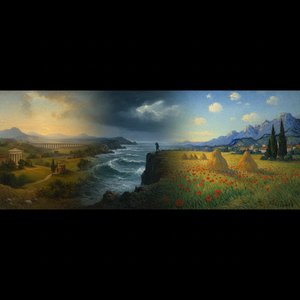
10 Breathtaking Masterpieces That Redefine the Landscape Genre
Journey through history with 10 iconic landscape paintings that capture the soul of nature. From Impressionist light to dramatic vistas, explore the stories behind these timeless masterpieces and find museum-quality reproductions for your decor. Discover all masterpieces on OriginalUniqueArt.com

Enchanted Woodlands: Top 10 Masterpieces Exploring the Magic of Forests
Step into the magic of nature with our curated selection of 10 iconic forest landscape paintings. From Impressionist light to moody woodland masterpieces, explore the stories behind these timeless works and find museum-quality art reproductions. Discover all masterpieces on OriginalUniqueArt.com.