Romantic Industrialization · 1823
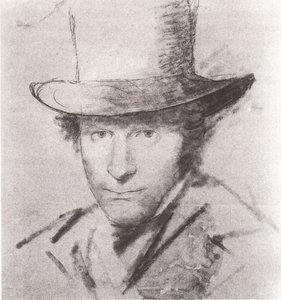
Self-Portrait (Carl Blechen, 1823)
Carl Blechen (1798–1840) je izdelal Self-Portrait. Zajema obdobje iz leta 1823. Spada v smer Romantic Industrialization. Izdelano je iz Acrylic. Del se nahaja v muzeju Nationalgalerie v mestu Berlin, Nemška. Dimenzije so 26 × 20 cm.
- 1823
- Acrylic
- 26 × 20 cm
- Nationalgalerie, Berlin

 Predogled v realnem okolju

 Ročno izdelano oljno slikarstvo
 Pošlji
 Deli
 Informacijski list


 Prenesi sliko
 Podobni izdelki
 Rentgenski posnetek
 Predvajaj diaporama
 Vprašanja in odgovori

 Statistika
Self-Portrait, na kratek
- Naslov
- Self-Portrait
- Avtor
- Carl Blechen (1798–1840)
- Umetnik, rojen v
- Cottbus, Nemčija
- Datum
- 1823
- Tehnika
- Acrylic
- Dimenzije
- 26 × 20 cm
- Kje je videti
- Nationalgalerie, Berlin, Nemška
- Gibanje
- Romantic Industrialization
- Tema
- self-portrait, landscape painting, romanticism, german art, baroque style, artist’s vision
Kaj prikazuje Self-Portrait?
A Visionary Encounter with Industry’s Dawn
- Subject Matter: This striking self-portrait by Carl Blechen captures a contemplative gaze directed downwards, presenting an image of intellectual introspection amidst the burgeoning industrial landscape. The artist's posture exudes seriousness and thoughtfulness—a deliberate contrast to the prevailing Romantic preoccupation with sublime landscapes.
- Style: Blechen’s work exemplifies the Romantic Industrialization movement, marking a pivotal shift away from traditional artistic conventions. While rooted in Romantic ideals of emotion and imagination, he simultaneously confronts the realities of industrial progress with unflinching honesty. The portrait eschews idealized beauty for a psychologically nuanced depiction.
- Technique: Executed in black and white lithograph printing, Blechen skillfully employs tonal gradation to convey depth and texture. Lithography, a relatively new technique at the time, allowed for precise reproductions of detail—a testament to Blechen’s artistic vision and his willingness to experiment with innovative methods.
- Historical Context: Created in 1823, this portrait emerged during a period of intense social and intellectual ferment. The Industrial Revolution was reshaping Europe, prompting artists like Blechen to grapple with questions of modernity, alienation, and the human condition. It reflects a broader artistic dialogue concerning how nature and humanity coexist within an evolving world.
- Symbolism: Beyond its formal representation, the self-portrait carries symbolic weight. The downward gaze suggests introspection and contemplation—a desire to reconcile Romantic idealism with the tangible pressures of industrial society. Furthermore, the suit symbolizes professionalism and social responsibility, mirroring Blechen’s own aspirations as he navigated his artistic career.
Lithograph Printing: A Revolutionary Medium
The choice of lithograph printing was particularly significant for Blechen's time. Unlike oil paints or watercolor—the dominant mediums of the Romantic era—lithography offered unparalleled precision and tonal control. Developed in France during the preceding decade, it allowed artists to achieve photographic realism without resorting to camera obscura techniques. This method ensured that Blechen’s portrait would retain its intricate detail and expressive atmosphere for generations to come.Romantic Industrialization: Bridging Imagination and Reality
Blechen's artistic trajectory represents a fascinating intersection between Romantic idealism and the burgeoning realities of industrialization. While acknowledging the sublime beauty of nature—a hallmark of Romantic art—he simultaneously recognized its vulnerability to encroachment by technological advancements. This duality is powerfully conveyed in his self-portrait, prompting viewers to consider the complexities inherent in reconciling aesthetic ideals with societal transformations.Emotional Resonance: A Portrait of Quiet Contemplation
Ultimately, Blechen’s self-portrait transcends mere visual representation; it communicates a profound emotional resonance. The artist's gaze—directed downwards—suggests a preoccupation with internal reflection and a yearning for understanding amidst the turbulent currents of his era. It invites contemplation on themes of identity, purpose, and the enduring human spirit—a timeless message that continues to captivate audiences today.V katerem muzeju se nahaja Self-Portrait?
Nationalgalerie
Berlin, Nemška
Zgodovina Nationalgalerie v Berlinu Nationalgalerie predstavlja ključni del Berlinških državnih muzejev. Njene korenice segaže do zbirke, ki je bila prvotno znana kot Wagenersche und Nationalgalerie. Ta temelj je postavil osnovo za arhiv umetnosti, posvečen 19., 20.


Visokoresolucijske slike dela Self-Portrait

Javna lastnina: umetnik je umrl leta 1840.
Druge velikosti, izrezave in citiranje →Carl Blechen, Self-Portrait (1823), Nationalgalerie. Javna lastnina
Odgovori na vprašanja o Self-Portrait
Kje je danes razstavljeno "Self-Portrait" avtorja Carl Blechen?
Originalno delo "Self-Portrait" avtorja Carl Blechen se nahaja v muzeju Nationalgalerie, Berlin, Nemška. Reprodukcija omogoča, da ta sklad prikazujete tudi v svojem domu.
Kateri je datum nastanka dela "Self-Portrait" avtorja Carl Blechen?
"Self-Portrait" izvira iz 1823. Ta datum delo situira v okvir Carl Blechenove kariere in obdobja, v katerem je nastalo.
Z kakšno tehniko je izdelano "Self-Portrait"?
Tehnika za delo "Self-Portrait" avtorja Carl Blechen je Acrylic. Različice imajo za namen natančno prikazati videz te tehnike.
Kakšna je dejanska velikost dela "Self-Portrait" avtorja Carl Blechen?
Dimenzije originalnega dela "Self-Portrait" avtorja Carl Blechen so 26 x 20 cm.
Kaj predstavlja "Self-Portrait"?
Motivi dela "Self-Portrait" so self-portrait, landscape painting, romanticism, german art, baroque style, artist’s vision, psychological depth.
Ali se lahko slika "Self-Portrait" avtorja Carl Blechen prosto reproducira?
V zvezi z avtorskimi pravicami je "Self-Portrait" v v javni domeni – avtorska pravica je zastarela.
Kdo je avtor dela "Self-Portrait"?
Avtor dela "Self-Portrait" je Carl Blechen. Del je katalogiran pod imenom Carl Blechen.
V kateri umetniški smer pripadajo "Self-Portrait" avtorja Carl Blechen?
"Self-Portrait" je del umetniškega sloga Romantic Industrialization, ki predstavlja umetniško tradicijo, v katero je delo vključeno.
V katero obdobje kariere Carl Blechen pripada delo "Self-Portrait"?
V okviru kariere umetnika Carl Blechen delo "Self-Portrait" pripada obdobju Early Romanticism, kar omogoča primerjavo z ostalimi umetnikovimi deli.
O umetniku, Carl Blechen
1798–1840, Nemčija
Carl Blechen
Pionir Romantične Industrializacije: Življenje in Umetnost Carla Blechana Carl Eduard Ferdinand Blechen, rojen leta 1798 v Cottbusu, Nemčija, zavzema edinstven in pogosto spregledan položaj v tradiciji krajinske slike. Njegovo življenje je bilo zaznamovano tako z umetniško briljantnostjo kot s osebnimi preizkušnjami – dvojnost, ki je globoko oblikovala njegovo sugestivno in pomembno delo. Sprva usojen pragmatični karieri v bančništvu zaradi finančnih omejitev družine, so Blechanove prirojene umetniške nagibe prevladale. Leta 1822 se je vpisal na Berlinsko akademijo za umetnost in se podal na pot, ki ga bo uvrstila med prve umetnike, ki so se spoprijemali z estetskimi izzivi – in možnostmi – zgodnje industrializacije.
Tudi dela avtorja Carl Blechen
 Sanssouci Palace1830
 The Interior of the Palm House on the Pfaueninsel Near Potsdam1834
 Tarantella1830
 Afternoon on Capri1829
Eseji o delu Self-Portrait
 The Echo of Self: Reflectivity as a Core Theme in Art History & Contemporary PracticeExplore the rich history of self-representation in art, from Renaissance masters to modern innovators. Discover how artists use portraiture…
 The Inner Landscape: Exploring Themes of Introspection in Visual Art Across Movements & ErasExplore the captivating world of introspective art! Discover how artists across eras – from Rembrandt to Kahlo – used self-portraiture to r…
 Romantic Realism's Finest: 10 Masterpieces for Your Home | OriginalUniqueArtExplore 10 defining masterpieces of Romantic Realism! Discover Courbet, Millet & Daumier's powerful paintings—capturing emotion and social …