

 Preverite v realnem okolju
 Pošlji kot čestitko
 Deli
Deli
 Podrobnosti
 Priročnik

 Prenesi
 Podobni artefakti
 Rentgenski posnetek
 Predvajaj diaporama
 Statistika
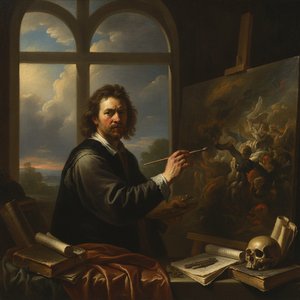
Self-Portrait
 Oil On Panel
- Baroque Painting
 1645
1645 65.0 x 49.0 cm
 Museum Boijmans Van Beuningen
 Preberi več
Giclée tisk / Umetniški tisk
Giclée ali platnati odtis muzejske kakovosti z hitro proizvodnjo in prilagodljivimi možnostmi končne obdelave. ( Naročite ročno slikano reprodukcijo Preklop na digitalno sliko)




P118B €10

P118H €10

P118W €10

P438Z €10

P508JH €12

P508YH €12

P805H €10

P805Z €10

P919BZ €10

P919G €10

P919XJ €10

P959ZH €10

P968JZ €12

W106C €8

W218G €10

W218JH €8

W218Y €10

W307PJ €10

W316G €10

W316PJ €8

W316Y €10

W398PJ €8

W4111J €10

W500HY €15

W500JH €15

W692G €12

W849H €8

W940BG €15

W953PJ €8




Izberite eno od naših vnaprej določenih velikosti, ki ustrezajo prvotnim proporcijam umetničkega dela.

Vnesite širino in višino, ki jih potrebujete za svoj okvir ali steno. Tiskanje se lahko le odreže, vendar ga ni mogoče narediti večjega od slike, zato format z drugačno obliko pomeni izgubo dela slike. Pred tiskanjem vam pošljemo digitalni predogled za potrditev. Slika, prikazana na tej strani, ne prikazuje dejanskega izrezkov — le predogled to omogoča.
Globalna dostava () v 2 tednih namesto standardnih 4/5 tednov. (22 oktober)

Brezplačna ekspresna dostava po vsem svetu

Visokokakovostno laneno platno

Popolno zavarovanje pošiljke

Garancija povračila carine in uvoznih davkov

Garancija popolnega barvnega ujemanja

Politika vračila v 100 dneh (le v primeru okvar)

Garancija 100% povračila denarja

Popust pri večjem naročilu
 Možnost stekla je na voljo le za velikosti pod 110 cm

Self-Portrait
Giclée tisk / Umetniški tisk
Velikost reprodukcije
-


Skupna cena
€ 70
A Window Into the Soul: Carel Fabritius’s “Self-Portrait”
The year is 1645. Within the bustling studio of Rembrandt in Amsterdam, a young artist named Carel Fabritius was meticulously crafting a portrait unlike any seen before. This wasn't merely a likeness; it was an intimate unveiling – the "Self-Portrait," a remarkably candid and profoundly moving depiction of the artist himself. More than just paint on panel, this work offers a rare glimpse into the mind of a man grappling with his craft, his identity, and perhaps, the anxieties inherent in artistic creation. The painting, now housed within the Museum Boijmans Van Beuningen in Rotterdam, is a testament to Fabritius’s burgeoning talent and his willingness to experiment with light, shadow, and the very nature of self-representation.
Fabritius's early work was deeply influenced by Rembrandt, inheriting his masterful use of chiaroscuro – the dramatic interplay of light and dark. However, this self-portrait marks a decisive shift. While retaining Rembrandt’s foundational techniques, Fabritius develops a distinctly personal style, prioritizing color and an almost palpable sense of immediacy. The painting isn't about formal perfection; it’s about capturing a fleeting moment, a particular mood. The loose brushstrokes and slightly asymmetrical composition contribute to this feeling of raw authenticity, as if the artist is offering us not just a portrait, but a fragment of his inner world.
Deconstructing the Image: Technique and Detail
Examining the details reveals Fabritius’s meticulous approach. The painting is executed in oil on panel, a medium that allowed for rich color saturation and subtle gradations of tone – crucial to achieving the dramatic lighting effects characteristic of his style. Notice how he renders the texture of his clothing: the folds of the open-necked shirt, the rough weave of the fabric, all rendered with remarkable precision. The artist’s hands, resting casually on his lap, are particularly noteworthy; they possess a delicate sensitivity and an evident awareness of their own form. The long, curly hair, falling across his shoulders, adds to the sense of relaxed contemplation, while the slightly off-center gaze invites the viewer into a silent conversation.
The background is deliberately dark and indistinct, serving not as a mere backdrop but as a powerful tool for emphasizing the subject’s face. This technique draws our attention directly to Fabritius's features – his thoughtful expression, the subtle lines around his eyes hinting at both intelligence and weariness. The careful modeling of light and shadow creates a three-dimensional effect, giving depth and volume to the image, as if we are truly observing him in person.
A Reflection on Identity and Art
Beyond its technical brilliance, the "Self-Portrait" is imbued with a profound sense of introspection. Fabritius’s contemplative gaze suggests a moment of quiet reflection – perhaps a consideration of his own artistic journey, or simply a pause in the creative process. The painting speaks to the universal human desire for self-understanding and the challenges inherent in defining one's identity. It is a remarkably vulnerable work, offering an unprecedented level of intimacy with its creator.
The historical context further enriches our understanding of this compelling image. Fabritius’s brief but impactful career coincided with the flourishing of Dutch Golden Age painting – a period marked by artistic innovation and a celebration of realism. His association with Rembrandt, coupled with his membership in the Delft School, positioned him within a vibrant artistic community that valued both technical skill and emotional expression. The tragic circumstances surrounding his death—caught in the devastating explosion of the Delft gunpowder magazine—only amplify the poignant beauty of this self-portrait, transforming it into a powerful meditation on life, loss, and the enduring legacy of art.
Bringing Fabritius Home: Reproductions and Legacy
Today, reproductions of “Self-Portrait” are available through OriginalUniqueArt.com, offering art lovers the opportunity to own a piece of this remarkable artistic achievement. These meticulously crafted hand-painted reproductions capture not only the visual details of the original but also its emotional depth and atmospheric quality. Whether displayed in a private residence or a corporate space, this iconic image will undoubtedly serve as a source of inspiration and contemplation for years to come.
For those seeking to delve deeper into the life and work of Carel Fabritius, we encourage you to visit https://en.wikipedia.org/wiki/Carel_Fabritius for further information. And don’t miss the Google Arts & Culture page: https://artsandculture.google.com/asset/self-portrait/JwGBKHEZH4veSA?hl=en, where you can explore high-resolution images and learn more about this extraordinary artist.
Vprašanja in odgovori
Kakšna je dejanska velikost dela "Self-Portrait" avtorja Carel Fabritius?
Originalne dimenzije dela "Self-Portrait" znašajo 65 x 49 cm. Prvotne mere so koristna referenca pri izbiri velikosti reprodukcije.
V katero fazo razvoja Carel Fabritius pripada delo "Self-Portrait"?
"Self-Portrait" predstavlja Mature Period umetnika Carel Fabritius.
Kakšna vrsta dela je "Self-Portrait"?
"Self-Portrait" is a wall art piece.
Biografija umetnika
Kratko Življenje, Bleščeča Svetloba: Enigmatični Svet Carela Fabritiusa
Carel Fabritius, ime, ki se šepeta z občudovanjem med poznavalci nizozemske zlate dobe, ostaja skrivnostna osebnost kljub globokemu vplivu kratke kariere na razvoj slikarstva. Rojeni leta 1622 v Middenbeemsterju in tragično izgubljeni v delftovski eksploziji prahu leta 1654, pri komaj dvaintridesetih letih, je Fabritius za seboj pustil izjemno majhno, a intenzivno močno opus dela, ki še danes očara in navdihuje. Njegova slikarstva niso le upodobitve resničnosti; so raziskave svetlobe, zaznave in samega bistva vizualne izkušnje.
Fabritiusovo umetniško potovanje se je začelo v spodbudnem okolju družinskega doma. Njegov oče, Pieter Carelsz Fabritius, je bil tudi slikar – učitelj, ki je udejanjal svojo poklic, in mlademu Carelu vlil zgodnje spoštovanje do umetnosti. Ta temelj ga je okoli leta 1641 popeljal v Amsterdam, kjer se je pridružil Rembrandtu van Rijnovemu ateljeju. Čeprav natančna dolžina vajništva ostaja predmet razprav, je vpliv mojstra nesporno prisoten. Vendar Fabritius ni bil zgolj posnemovalec. Hitro se je začel utirati lastno pot, odstopil od Rembrandтове značilne tenebrizme in razvil edinstven slog, ki je dajal prednost jasnosti, hladnim harmonijam in skoraj znanstvenemu opazovanju učinkov svetlobe.
Delftška Šola in Izrazita Vizija
Po času s Rembrandtom se je Fabritius naselil v Delftu in postal član lokalne cehovske zveze leta 1652. Prav tu, znotraj razvijajoče se umetniške skupnosti, znane kot delftška šola, je njegov zrel slog resnično zacvetel. Za razliko od mnogih sodobnikov, ki so se osredotočali na veličastne zgodovinske pripovedi ali živahne žanrske scene, se je Fabritius usmeril v intimne domače notranjosti in natančne študije vsakdanjih predmetov. Njegova slikarstva posedujejo izjemno mirnost, tiho intenzivnost, ki gledalca potegne v svet, ujet v času.
To, kar Fabritiusa loči od ostalih, je mojstrsko manipuliranje s svetlobo. On ni preprosto upodabljal osvetlitve; jo je analiziral, zajel njene subtilne gradacije in njeno sposobnost definirati obliko ter ustvariti vzdušje. To fascinacija z optiko ga je vodila k eksperimentiranju s perspektivo – pogosto je uporabljal nenavadne vidne točke, ki okrepijo občutek realizma in gledalca potegnejo v prizor. Zlati kanček, morda njegovo najbolj slavno delo, to popolnoma ponazarja. Na videz preprosta upodobitev verige zlatkančka na beli steni je dejansko mojstrska tehnika trompe-l'oeil in prostorske iluzije. Ptica se zdi lebdeti tik za slikovno ravnino, njena perje pa je izjemno podrobno upodobljeno, medtem ko igra svetlobe in sence ustvari skoraj otipljiv občutek globine.
Pomembna Dela in Trajna Dedščina
Poleg Zlatega kančka Fabritiusov opus vključuje tudi druga prepričljiva dela, ki prikazujejo njegovo izrazito vizijo. Pogled na Delft (1652) je očarljivo mestno slikarstvo, znano po svoji edinstveni perspektivi in atmosferski upodobitvi mestne arhitekture. Slika ni le topografski zapis; je evocacija prostora, prežeta s občutkom miru in poetske lepote. Stražar, naslikan kmalu pred njegovo smrtjo, je morda njegovo najbolj enigmatično delo – srhljiva portret osamljenega vojaka, ki spodbuja razmišljanje o temah dolžnosti, izolacije in človekovega stanja.
Fabritiusova tragično kratka kariera je pomenila, da je ustvaril le približno dvanajst preživelih slik. Vendar so ta maloštevilna dela imela izjemen vpliv na naslednje generacije umetnikov. Njegova inovativna uporaba svetlobe in perspektive se verjetno močno pozna pri Johannesu Vermeerju, ki je delil podobno fascinacijo z optičnimi učinki in domačimi notranjostmi. Hladne tonalitete, natančna upodobitev in tiha intimnost, ki zaznamujejo Vermeerjeva mojstrska dela, se lahko izsledita do Fabritiusovega pionirskega dela.
Slikar Pred svojim Časom
Eksplozija v Delftu je prekinila ne le Fabritiusovo življenje, ampak tudi potencialno revolucionarno umetniško pot. Njegova slikarstva ponujajo vpogled v um umetnika, ki je premikal meje upodabljanja in raziskoval samo naravo gledanja in zaznave. Medtem ko so se njegovi sodobniki pogosto osredotočali na pripoved ali simbolizem, se je Fabritius osredotočil na temeljne elemente slikarstva – svetlobo, barvo, obliko – ustvarjal dela, ki so tako vizualno osupljiva kot intelektualno spodbudna.
Danes je Carel Fabritius priznan kot ključna osebnost nizozemske zlate dobe, slikar, katerega kratka, a bleščeča kariera je pustila neizbrisen pečat v zgodovini umetnosti. Njegova slikarstva še danes odmevajo pri gledalcih in ponujajo brezčasno pričevanje o moči opazovanja, inovacij in trajni lepoti svetlobe.

Carel Fabritius
1622 - 1654 , Nizozemska
Ključne informacije
- Datum Rojstva: 27. februar 1622
- Datum Smrti: 12. oktober 1654
- Državljanstvo: Nizozemec
- Kraj Rojstva: Muiden, Nizozemska
- Polno Ime: Carel Pietersz Fabritius
- Pomembna Dela:
- Vstajenje Lazarja
- Pogled na Delft
- Ščinkavec
- Umetniki, Ki Jih Je Vplival: ['Johannes Vermeer']
- Umetniki, Ki So Vplivali Nanj: ['Rembrandt van Rijn']
- Umetniški Smer: Baročna umetnost
Sorodni članki

Baročne mojstrovine: 10 umetnin, ki so definirale obdobje | OriginalUniqueArt
Odkrijte 10 baročnih mojstrovine, ki so zaznamovale umetnost! Karavaggio, Bernini & Rubensovi deli v zgodovinskem kontekstu. Navdih za notranjost in reprodukcije slik na OriginalUniqueArt.com. Raziskujte polno zbirko online!

Rembrandt van Rijn: A Life Illuminated – Innovation, Emotion, and the Dutch Golden Age
Explore the life & art of Rembrandt van Rijn, a Dutch Golden Age master. Discover his innovative techniques, iconic paintings like 'The Night Watch', and enduring legacy. Expert insights for collectors & enthusiasts.

Rembrandt van Rijn: 25 Mojstrovin za Popestritev Vašega Doma | OriginalUniqueArt
Odkrijte 25 mojstrovin Rembrandta van Rijna! Preberite zgodbe o portretih, svetlobi in nizozemskem baroku. Kvalitetne reprodukcije slik za vaš dom na OriginalUniqueArt.com. Raziskajte celotno zbirko online.
Dutch Baroque Unlocked: Mastering Chiaroscuro, Epic Drama, and the High-Impact Legacy of Rembrandt
Explore the dramatic power of Dutch Baroque art. Master the secrets of Rembrandt’s chiaroscuro, discover the epic scale of the Golden Age, and learn how to bring high-impact, hand-painted historical masterpieces into your modern collection with expert precision.

Dutch Baroque Masters: 10 Paintings That Shaped an Era | OriginalUniqueArt
Journey through the Golden Age with our guide to the Top 10 Dutch Baroque masterpieces! Explore iconic paintings by Rembrandt, Vermeer & Frans Hals. Find museum-quality art reproductions and elevate your home decor at OriginalUniqueArt.com.