Predogled v realnem okolju
 Pošlji
 Deli
Deli
 Podrobnosti o delu
 Priročnik

 Prenesi sliko
 Podobni izdelki
 Rentgenski posnetek
 Predvajaj diaporama
 Q&A
Q&A Statistika
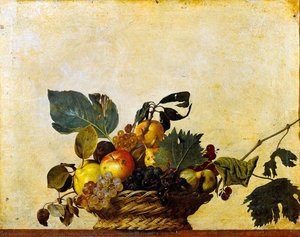
Christ in the Garden

- 154.0 x 222.0 cm


 Preberi več
Giclée tisk / Umetniški tisk
Giclée ali platnati odtis muzejske kakovosti z hitro proizvodnjo in prilagodljivimi možnostmi končne obdelave. ( Kupite ročno slikano delo Preklop na digitalno sliko)




P118B €10

P118H €10

P118W €10

P438Z €10

P508JH €12

P508YH €12

P805H €10

P805Z €10

P919BZ €10

P919G €10

P919XJ €10

P959ZH €10

P968JZ €12

W106C €8

W218G €10

W218JH €8

W218Y €10

W307PJ €10

W316G €10

W316PJ €8

W316Y €10

W398PJ €8

W4111J €10

W500HY €15

W500JH €15

W692G €12

W849H €8

W940BG €15

W953PJ €8




Izberite eno od naših vnaprej določenih velikosti, ki ustrezajo prvotnim proporcijam umetničkega dela.

Vnesite širino in višino, ki jih potrebujete za svoj okvir ali steno. Tiskanje se lahko le odreže, vendar ga ni mogoče narediti večjega od slike, zato format z drugačno obliko pomeni izgubo dela slike. Pred tiskanjem vam pošljemo digitalni predogled za potrditev. Slika, prikazana na tej strani, ne prikazuje dejanskega izrezka — le predogled to omogoča.
Globalna dostava () v 2 tednih namesto standardnih 4/5 tednov. (31 oktober)

Brezplačna ekspresna dostava po vsem svetu

Visokokakovostno laneno platno

Popolno zavarovanje pošiljke

Garancija povračila carine in uvoznih davkov

Garancija popolnega barvnega ujemanja

100-dnevna politika vračil (le v primeru okvar)

Garancija 100% povračila denarja

Popust pri večjem naročilu
 Možnost stekla je na voljo le za velikosti pod 110 cm

Christ in the Garden
Giclée tisk / Umetniški tisk
Velikost reprodukcije
-


Skupna cena
€ 71
A Moment Frozen in Shadow: Unpacking Caravaggio’s ‘Christ in the Garden’
Caravaggio's “Christ in the Garden,” painted in 1603, isn’t merely a depiction of a biblical scene; it’s an immersive experience. This oil on canvas, now housed within the Bode Museum in Berlin (originally part of the Kaiser-Friedrich-Museum), pulsates with a raw intensity rarely matched in art history. The painting immediately commands attention not through vibrant color – instead, it utilizes a masterful monochrome palette of grays and blacks to create an atmosphere of profound sorrow and contemplation. The stark contrast between light and shadow, or *chiaroscuro*, is the very heart of Caravaggio’s technique, pushing beyond simple realism into a realm where emotion is sculpted by light itself. It's a scene steeped in religious significance – Christ, having been condemned to death, lies on a cross within a shadowed garden, attended by figures who represent grief, acceptance, and perhaps even a touch of bewildered understanding.
The composition is deliberately arresting. Caravaggio eschews traditional Renaissance perspective, opting for a tightly framed view that draws the viewer directly into the scene. Jesus dominates the center, his body limp yet radiating an undeniable dignity despite his suffering. The three figures surrounding him – a young man, a woman, and a soldier – are not presented as active participants but rather as witnesses to this pivotal moment. Their postures suggest a complex interplay of emotions: sorrow, disbelief, and perhaps even a nascent recognition of the divine sacrifice. Notably, two books lie near Christ’s feet; one open, the other closed, hinting at themes of scripture and judgment – elements central to the narrative.
The Baroque Masterstroke: Technique and Innovation
Caravaggio's genius lay in his revolutionary approach to painting. He rejected the idealized forms favored by many of his contemporaries, instead choosing to depict ordinary people with unflinching honesty. His figures are rendered with a remarkable attention to detail, capturing every wrinkle, scar, and expression of emotion. The brushstrokes themselves are visible, contributing to the sense of immediacy and realism. This commitment to direct observation was radical for its time, and it’s one of the reasons why “Christ in the Garden” feels so profoundly human. He employed a technique known as *tenebroso*, utilizing darkened varnish over the paint to further enhance the dramatic effect of light and shadow – a characteristic that contributes significantly to the painting's haunting beauty.
Furthermore, Caravaggio’s use of *chiaroscuro* isn’t simply about creating visual drama; it’s fundamentally linked to his exploration of faith and doubt. The intense light illuminating Christ’s body contrasts sharply with the enveloping darkness, symbolizing both his divine nature and the encroaching shadow of death. This interplay of light and dark becomes a metaphor for the spiritual struggle at the heart of the Christian narrative.
Symbolism and Emotional Resonance
Beyond its immediate visual impact, “Christ in the Garden” is rich with symbolic meaning. The cross itself represents sacrifice and redemption, while the books symbolize faith and judgment. The figures surrounding Christ are often interpreted as representing the Virgin Mary, John the Evangelist, and a Roman soldier – individuals grappling with the implications of Christ’s death. However, Caravaggio deliberately avoids providing clear-cut answers, allowing viewers to project their own interpretations onto the scene. The overall effect is one of profound emotional resonance; the painting evokes feelings of sorrow, empathy, and contemplation, inviting us to consider the weight of sacrifice and the nature of faith.
Caravaggio’s influence on subsequent generations of artists is undeniable. His dramatic use of light and shadow, his realistic portrayal of human emotions, and his willingness to challenge artistic conventions paved the way for the Baroque movement and beyond. Reproductions of “Christ in the Garden” continue to captivate audiences today, offering a powerful reminder of Caravaggio’s enduring legacy as one of art history's most innovative and emotionally charged masters.
Vprašanja in odgovori
Ali je na voljo prenos v visoki ločljivosti za "Christ in the Garden"?
Digitalno sliko dela "Christ in the Garden" avtorja Caravaggio lahko kupite na njegovi strani Visokoresolucijska digitalna slika: prenos digitalne slike visoke ločljivosti.
Ali uporablja "Christ in the Garden" avtorja Caravaggio močne kontraste ali nežne harmonije?
Barvna kompozicija dela "Christ in the Garden" avtorja Caravaggio združuje Gentle kontrast z Unified Palette harmonijo.
Kakšno vzdušje izraža "Christ in the Garden" avtorja Caravaggio znotraj sloga Baroque Painting?
V okviru gibanja Baroque Painting je "Christ in the Garden" zabeleženo z Melancholic tonom.
Biografija umetnika
Michelangelo Merisi da Caravaggio: Življenje v Senci in Svetlobi
Michelangelo Merisi da Caravaggio, ime tesno povezano z dramatično intenzivnostjo baročnega slikarstva, se je rodil leta 1571 v Milanu, v obdobju umetniškega razcveta in družbenih sprememb. Že zgodnje leto njegovega življenja je bilo zaznamovano s tragedijo; kuga je pustošila njegovem rodu, za sabo puščajoč številne žrtve, med njimi tudi njegovega očeta in dedka, ko je bil star le šest let. Odraščal je v relativni revščini, kar mu je vcepilo globoko zavedanje o človeškem trpljenju in odpornosti – temah, ki so kasneje prevladovale na njegovih platnih. Učil se je pri Simone Peterzanu v Milanu, sledniku Tiziana, kjer je osvojil osnove renesančne tehnike, a že takrat je kazal uporništvo, ki je kmalu razbilo ustaljene norme. Ta izobrazba mu je dala trdno podlago, vendar je bilo šele v Rimu, kamor se je preselil okoli leta 1592, da je Caravaggio našel svoj glas, čeprav ne brez prvih težav in preizkušenj. Mesto, živahno središče umetniškega mešetarjenja in verske gorečnosti, ga je privlačilo in hkrati preizkušalo kot ambicioznega mladega slikarja.Revolucionarno Vizijo: Tehnika in Stil
Caravaggiova prisotnost v Rimu je napovedala dramatično spremembo v italijanskem umetniškem okolju. Zavrgel je tedanje manieristične stile, ki so bili značilni po svoji umetni eleganci in podaljšanih oblikah, in se odločil za neusmiljeno realnost, ki je šokirala in hkrati očarala občinstvo. Njegova najbolj prepoznavna inovacija je bila mojstrstvo v uporabi *chiaroscuro*, dramatičnem kontrastu med svetlimi in temnimi toni, ki ga je dvignil na novo raven izrazne moči. Ta tehnika, pogosto imenovana *tenebrism*, ni bila le estetska izbira; bila je sredstvo za intenziviranje čustvenega vpliva, potapljanje gledalcev v srce dogodka in obdaritev njegovih figur s prepoznavnim občutkom prisotnosti. Zavrgel je idealizirane prikaze in namesto tega je svoje slike posvetil navadnim ljudem – pogosto pobeglim z rimskih ulic – kot modelom za verske figure. Ta radikalna poteza je izzvala tradicionalne predstave o lepoti in svetočnosti, naredila pa je sveto razumljivo in globoko človeško. Njegove kompozicije so bile pogosto stroge in neposredne, osredotočene na ključne trenutke intenzivne drame, bodisi bruskega realizma v "Vzemu Kristusa" ali tihega razmišljanja v "Sv. Frančišku Asiškem v extazi".Ključna Dela in Trajnostni Vpliv
Kljub relativno kratki karieri je Caravaggio ustvaril delo, ki še danes odzveneva pri občinstvu. Zgodnja dela, kot je "Vedeževalka" (1594), dokazujejo njegovo razvijajoč se talent za zajem realističnih podrobnosti in psihološke nians. "Večerja v Emausi" (1601-1602), ki jo hranijo v Narodni galeriji v Londonu, uteleša njegovo mojstrstvo chiaroscuro in sposobnost prenosa globoke čustvene globine znotraj svetopisemske pripovedi. "David z glavo Golijata" (okoli 1610) je posebej strahotesna, pogosto interpretirana kot avtoportret, ki odraža Caravaggiovo lastno moteno duševno stanje. Njegov vpliv se je razširil daleč izven Italije in navdihnil generacijo umetnikov, znanih kot *Caravaggisti* ali "sence", ki so po Evropi sprejeli njegov stil. Med pomembnimi privrženci so bili Peter Paul Rubens, Jusepe de Ribera in Gerrit van Honthorst, vsak od njih je prilagodil Caravaggiove tehnike svojemu edinstvenemu umetniškemu vidiku.Neusmiljeno Življenje in Trajna Zapuščina
Caravaggiovo življenje je bilo tako dramatično in burno kot njegova umetnost. Njegov nestabilen značaj in nagnost k prepirovom so ga pogosto pripeljali v težave z zakonom, kar se je končalo s obtožbo za umor leta 1606, ki ga je prisilila, da pobegne iz Rima. Naslednje štiri leta je potoval po Neaplju, Malti in na Siciliji, medtem ko je še naprej slikal in obenem žalostno prosil za odpuščanje papeža. Kljub njegovim prizadevanjem je ostal begunec, pregonjen s svojo preteklostjo in mučenimi osebnimi konflikti. Umrl je v Porto Ercole na Siciliji leta 1610 v nerazjasnenih okoliščinah – vzrok njegove smrti še danes ni znan, teorije pa segajo od vročine do zastrupitve. Čeprav je bilo njegovo življenje kratko, Caravaggiova umetniška zapuščina ostaja priča njegovemu revolucionarnemu vidiku in neomajnemu zavezništvu s realizmom. Izpodbijal je konvencije svoje dobe, utiral pot sodobnejšemu pristopu k slikanju in pustil neizbrisov sled na poti zahodnoodevropske umetnosti. Njegovo delo še danes navdihuje čudovanje in sproža razmišljanja, opominja pa nas na moč umetnosti, da osvetli najtemnejše kote človeške izkušnje.
Caravaggio
1571 - 1610 , Španija
Hitri podatki
- Datum Rojstva: 29. september 1571
- Datum Smrti: 18. julij 1610
- Kraj Rojstva: Milano, Španija
- Nacionalnost: Italijan
- Pod Vplivom:
- Rubens
- Ribera
- Caravaggisti
- Polno Ime: Michelangelo Merisi da Caravaggio
- Umetniški Slog: Barok, Tenebrizem
- Vplivneži:
- Tizian
- Leonardo da Vinci
- Michelangelo
- Znani Dela:
- Vedeževalka
- Gospodova večerja v Emausu
- David z Goliatom
- Sv. Frančišek v ekstazi
Sorodni članki

The Visceral Stage: Exploring Dramatic Narratives & Emotional Intensity in Baroque Art
Explore the dramatic world of Baroque art! Discover iconic masters like Caravaggio & Rembrandt, their techniques, and the movement's lasting impact. Expert insights for collectors & enthusiasts at OriginalUniqueArt.
Baroque Painting's Greatest Hits: 10 Masterpieces for Your Home | OriginalUniqueArt
Journey through Baroque painting's glory! Explore 10 masterpieces by Caravaggio, Rembrandt & Vermeer. Discover dramatic lighting, rich colors & timeless stories. Find museum-quality art reproductions for your home at OriginalUniqueArt.com.
Cultivating Paradise: A Historical & Artistic Exploration of Gardens in Painting
Explore the rich history of gardens in painting! Discover masterpieces from Renaissance to Impressionism & beyond. Learn about symbolism, artists like Monet & Klimt, and find your perfect artwork at OriginalUniqueArt.

Baročne mojstrovine: 10 umetnin, ki so definirale obdobje | OriginalUniqueArt
Odkrijte 10 baročnih mojstrovine, ki so zaznamovale umetnost! Karavaggio, Bernini & Rubensovi deli v zgodovinskem kontekstu. Navdih za notranjost in reprodukcije slik na OriginalUniqueArt.com. Raziskujte polno zbirko online!

The Dramatic Flourish: Exploring the Baroque Movement's Enduring Legacy in Art History
Explore the dramatic world of Baroque art! Discover iconic artists like Caravaggio & Rubens, defining techniques, and its lasting impact on art history. Expert insights for collectors & enthusiasts at OriginalUniqueArt.