
() ·
Slika, izdelana ročno posebej zanj
Ročno izdelana oljna reprodukcija
Ročno slikano olje na platnu v vaši izbiri velikosti in okvirja, izdelano po naročilu naših umetnikov. ( Preklop na tiskanine Preklop na digitalno sliko)
Opis zbirateljskega predmeta
Explore 'The Handkerchief' by Boris Margo (1940). A surreal wood engraving featuring a reclining figure & enigmatic forms. Symbolism, depth, & evocative imagery – a unique piece.
Biografija umetnika
Boris Margo (1902–1995) was a Ukrainian-born American painter known for his expressive cellocut prints and exploration of surrealist imagery—capturing moments of beauty amidst conflict. His legacy includes influential teaching roles and museum collections showcasing his distinctive artistic vision.
 Preberi več
od ·
Poglavje 1
Katere velikosti naj bi bila?
Drleč po drslenici spremenite velikost; slika na levi strani prikazuje okvir v njegovi dejanski širini. Razmerja originala so ohranjena.
Izberite eno od naših vnaprej določenih velikosti, ki ustrezajo prvotnim proporcijam umetničkega dela.

Vnesite širino in višino, ki jih potrebujete, da se slika prilega vašemu okviru ali steni. Ker je delo ročno slikano, lahko umetnik pri različnih oblikih slik pri robovih doda malo več barve ali pa jih malo odreže — izberite sami. Pred začetkom slikanja vam pošljemo digitalni predogled za potrditev. Slika, prikazana na tej strani, ni končni rezultat — le predogled prikazuje dejansko podobo.
Poglavje 2
Na kakšen način naj bo dostavljeno?
Izberite robove platna
Izberite svoj okvir

Beli rob €1

zamegljen rob €1

Razširjen rob €1

P118B €10

P118H €10

P118W €10

P438Z €10

P508JH €12

P508YH €12

P805H €10

P805Z €10

P919BZ €10

P919G €10

P919XJ €10

P959ZH €10

P968JZ €12

W106C €8

W218G €10

W218JH €8

W218Y €10

W307PJ €10

W316G €10

W316PJ €8

W316Y €10

W398PJ €8

W4111J €10

W500HY €15

W500JH €15

W692G €12

W849H €8

W940BG €15

W953PJ €8

H24-GOLD €30

H24-SILVER €30

H36-GOLD €45

H36-SILVER €45
V okviru
Okvirni rob: . Celotna velikost z okvirjem: .
Poglavje 3
Kdo to slika in ali bi se moralo kaj spremeniti?
Po oddaji naročila bo ekipa OriginalUniqueArt.com stranki po e-pošti poslala navodila in zagotovila predogled makete
Mednarodna dostava () v 3/4 tednih namesto običajnih 5 tednov. (11 november). Brez kompromisov pri kakovosti.
Poglavje 4
Zadnji dotiki
Zvešča, kot v muzeju?
Podrobnosti o gravirani bronasti plošči
This elegant plaque features the artist's name and the title of the artwork, finely engraved for a timeless presentation.
It is made from bronze with a refined, elegant finish. The text is precisely laser-engraved for a sharp and permanent result. Measuring 9x2 cm, the plaque is compact yet easy to read. It's built to be durable and scratch-resistant, offering a professional, museum-quality look. Mounting is simple thanks to the included adhesive backing.
Podrobnosti o transparentni akrilni plošči
The plaque includes essential engraved details such as the artist's name, the title of the artwork, the date it was created, the type of media used-like oil on canvas or watercolor-a brief description of the piece, and a QR code that links to the complete artwork information.
It is crafted from clear acrylic, offering a sleek, modern appearance. The text is UV-engraved in black to ensure strong visual contrast. With a size of 10x15 cm, it ensures optimal readability. It comes equipped with two metal hooks for secure wall mounting. The plaque is designed to be weather-resistant, making it suitable for various environments, and it includes interactive features that work seamlessly with smartphone scanning.
Podrobnosti o črni akrilni plošči
This elegant plaque includes engraved information such as the artist's name, the title of the artwork, the date it was created, the type of media used (like oil on canvas or watercolor), a short description of the artwork, and a QR code for quick access to more information.
The plaque itself is made from refined black acrylic with a premium finish. The text is laser-engraved in white for high contrast and readability. Its size is 10x15 cm, designed to be easy to read. It comes with two metal hooks for professional mounting. The design is sleek and fits any interior style. It is also weather-resistant and durable, with built-in digital integration for mobile compatibility.
Zaščitni lak?
Kdaj jo potrebujete?
Poglavje 5
Vaša slika, natako kot ste jo naročili

The Handkerchief
Tehnik reprodukcije
Velikost reprodukcije
-

Izbor vrhunskih umetnikov
Več podrobnosti, dovršenosti in dodatnega časa za izdelavo
-

Okvir za reprodukcijo
-
-
Za umetniška dela ali reprodukcije, ki so po katerikoli strani širše od 105 cm (približno 41 palč), bo okvir poslan v razstavljeni obliki kot komplet. Ta metoda zagotavlja varno dostavo in preprečuje poškodbe med transportom.
Potrebna je profesionalna montaža – to ni izdelek za DIY izdelavo.
Komplet mora sestaviti in platno napeti izkušen profesionalni okvirjest, pri čemer bo uporabil lepil za les (ni vključeno), klešče za napetje platna in spone, da bi ohranil pravokotnost letev med sušenjem lepila. Nepravilna montaža ali neenakomerna napetost platna lahko trajno poškoduje umetniško del in
 Za umetniška dela ali reprodukcije, ki so po katerikoli strani širše od 105 cm (približno 41 palč), bo okvir poslan v razstavljeni obliki kot komplet. Ta metoda zagotavlja varno dostavo in preprečuje poškodbe med transportom.
Vključene so vse letve iz masivnega lesa, natančno izrezane po meri.
Montaža poteka s priloženimi vijaki, vendar je za kotiče potrebna lepil za les, ki ga ni v kompletu in ga mora zagotoviti vaš okvirnik.
Za uporabo so potrebna profesionalna orodja, ki niso vključena: klešče za napinjanje platna (napetnik) in sponke za ohranjanje pravokotnosti letev med sušenjem lepila.
Pomembno:
Za stike v kotih potrebujete lepil za les, nosilce je treba z

Značka z imenom
-
-

Zaščitni lak
Sijajni lak (poudarja barve ter zagotavlja zaščito pred svetlobo in vlago)
-

Prilagodi svoje umetniško delo
Primeri možnih prilagoditev: zamenjava obraza s fotografijo kupca; dodajanje hišnega ljubljenčka (npr. zamenjava mačke s psom); vključitev skritega sporočila v ozadje; sprememba krajšave ali elementov ozadja.
-

Hitra dostava
Mednarodna dostava () v 3/4 tednih namesto običajnih 5 tednov. (11 november). Brez kompromisov pri kakovosti.
-
Hitra dostava
Globalna dostava () v 5 tednih. (18 november).
Vključeno v ceno
Skupna cena
€ 268
Možnost stekla je na voljo le za velikosti pod 110 cm
Vključeno v vsako naročilo
- Brezplačna ekspresna dostava po vsem svetu
- Visokokakovostno laneno platno
- Popolno zavarovanje pošiljke
- Garancija povračila carine in uvoznih davkov
- Garancija popolnega barvnega ujemanja
- 100-dnevna politika vračil (le v primeru okvar)
- Garancija 100% povračila denarja
- Popust pri večjem naročilu


 Predogled v realnem okolju
 Pošlji
 Deli
Deli
 Podrobnosti o delu
 Priročnik

 Prenesi sliko
 Podobni izdelki
 Rentgenski posnetek
 Predvajaj diaporama
 Vprašanja in odgovori
 Statistika
V številkah
- 1940leto risevanja
- 29izbira okvirjev
- standardne velikosti, v svojih lastnih proporcijah
- 5teden dni za slikanje in dostavo
O originalnem delu

- 29.0 x 22.0 cm


To umetniško delo je zaščiteno z avtorskimi pravicami
Umetniška dela, prikazana na tej strani, so zaščitena z avtorskimi pravicami, kar pomeni, da po zakonu ne moremo ustvarjati ali prodajati identičnih reprodukcij. Ta zaščita se izvaja v skladu z mednarodnimi sporazumi, kot so Bernska konvencija in po nacionalnih zakonih, vključno s tistimi, ki jih določa Zakon o avtorskih pravicah ZDA – naslov 17.
Kot spoštljiva in zakonita alternativa ponujamo prilagojena, ročno slikana umetniška dela, navzornena na original. Naši sposobni in profesionalni umetniki skrbno preučijo stil, vzdušje in umetniško bistvo originala, da ustvarijo novo, edinstveno delo, ki vzbudi enak občutek – pri čemer ostaja popolnoma nova, samostojna izvirna stvar.
Ta način v celoti upošteva zakonodajo o avtorskih pravicah, saj ne vključuje kopiranja ali podvajanja zaščitenga umetniškega dela. Namesto tega gre za kreativno preinterpretacijo – novo sliko, ki je navdihnjen rezultat originala, vendar ni z njim identična.

Boris Margo
1902 - 1995, Ukraine
Kratek pregled o Boris Margo
- Artistic Movement Or Style: Expressionism/Surrealism
- Artists Or Movements Influenced By This Artist: ['Yves Tanguy']
- Artists Who Influenced This Artist:
- Paul Klee
- Joan Miró
- Date Of Birth: 1902
- Date Of Death: 1995
- Full Name: Boris Chaliapin
- Nationality: Ukrainian
- Notable Artworks:
- Pleistocene Monarch
- Floating Objects Illumined 4
- Place Of Birth: Volochysk, Ukraine
Biografija umetnika
The Enigmatic Vision of Boris Margo: A Journey Through Surrealist Shadows
Boris Margo, born Boris Margolis in the turbulent landscape of Wolotschisk, Ukraine, remains one of the most compelling yet understated voices of twentieth-century modernism. His life was a tapestry woven from the threads of profound cultural shifts, beginning in a region steeped in Russian Orthodox tradition and shaped by the seismic political upheavals of the early 1900s. Margo’s artistic soul was forged in this crucible of change, where the collision of Ukrainian Jewish heritage and the burgeoning European avant-garde created a unique psychological depth. His early education at the Odessa Polytechnik provided the technical foundation, but it was his immersion in the experimental spirit of Moscow’s Workshop for the Art of the Future that truly ignited his passion for innovation. Here, the principles of Constructivism began to take root, teaching him to see the world not merely as a collection of objects, but as a series of dynamic, structural relationships.
As Margo moved through the intellectual corridors of Leningrad’s Hermitage, his style underwent a profound metamorphosis. Under the guidance of masters like Pavel Filinov, he began to dissect form with an analytical precision reminiscent of the Cubist pioneers, Picasso and Braque. This period was marked by a meticulous layering of technique, where the boundaries between reality and abstraction began to blur. His journey eventually led him to Montreal in 1930, a transformative chapter that allowed him to refine his skills as a muralist before he finally established himself in the vibrant, competitive art scene of New York City. In the heart of Manhattan, Margo found himself amidst a constellation of greatness, cultivating connections with legendary figures such as Milton Avery and Mark Rothko. These relationships were not merely social but deeply intellectual, as they all shared a fundamental commitment to pushing the boundaries of abstraction and exploring the emotive power of the visual plane.
Mastery of Medium: The Innovation of Cellocut and Printmaking
While Margo’s paintings captured the ethereal, it was his pioneering work in printmaking that secured his place as a technical virtuoso. He became widely celebrated for his development of the cellocut technique, a method that allowed him to achieve a level of texture and tonal complexity rarely seen in traditional woodcuts. His prints often functioned as windows into a subconscious realm, where geometric shapes and swirling lines created an atmosphere of profound unease or haunting beauty. In works such as Floating Objects Illumined 4, one can observe how he utilized layered textures to evoke a sense of weightlessness and mystery, turning simple forms into spectral entities that seem to drift through a dreamscape.
His graphic output was characterized by an extraordinary ability to balance the mechanical precision of printmaking with the raw, gestural energy of Expressionism. This duality is perhaps most evident in his various portfolios, where he explored diverse themes:
- The Surrealist Narrative: Using stark contrasts and distorted perspectives to communicate the anxieties of the modern age.
- Geometric Abstraction: A continued fascination with the structural integrity of form, influenced by his early training in Constructivism.
- Atmospheric Landscapes: Creating environments that feel both physically grounded and psychologically distant.
A Legacy of Expression and Enduring Significance
The historical significance of Boris Margo lies in his ability to bridge the gap between the structured analytical traditions of early twentieth-century Europe and the explosive, emotive freedom of American Abstract Expressionism. His work serves as a vital link in the evolution of modern art, embodying the transition from the dissection of form to the pure expression of feeling. Though he remained somewhat outside the mainstream spotlight during his lifetime, the rediscovery of his oeuvre has revealed an artist of immense depth and technical foresight. His pieces are now recognized not just for their aesthetic merit, but as historical documents that capture the tension between hope and destruction, light and shadow.
Today, Margo’s legacy is preserved in prestigious institutions such as the Smithsonian American Art Museum, where his contributions to the American art canon are celebrated. His life, which concluded in Hyannis, Massachusetts, in 1995, stands as a testament to the resilience of the creative spirit. Through his mastery of the cellocut and his unflinching exploration of surrealist imagery, Boris Margo created a visual language that continues to haunt and inspire, reminding us that even in the most fragmented eras, art can find a way to illuminate the profound mysteries of existence.
Sorodni članki
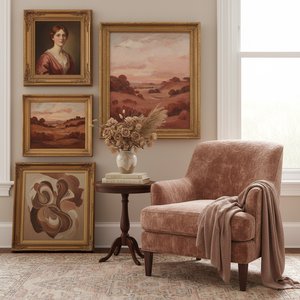
Rosy Brown Hues: 10 Master Paintings & Timeless Decor Ideas |
Explore 10 iconic paintings bathed in captivating rosy brown tones! From Rembrandt to Titian, discover the stories behind these masterpieces & their warm color palettes. Find museum-quality art reproductions and decor inspiration at .

The Intricate World of Engraving: A Historical Survey of Technique, Artistic Expression & Enduring Legacy
Explore the rich history of engraving with OriginalUniqueArt. Discover techniques, iconic artists like Dürer & Callot, collecting tips, and expert guidance for preserving your art investment. Learn about intaglio printing & more!

Engraving: A Historical Survey of Technique, Artistic Expression & Enduring Legacy
Explore the rich history of engraving with OriginalUniqueArt. Discover techniques, iconic artists like Dürer & Callot, collecting tips, and expert guidance for preserving your art investment. Learn about intaglio printing & more!

The Precision of the Burin: An Expert Guide to the High-Impact World of Masterful Engraving Art
Discover the sharp, high-impact world of engraving art. Our expert guide explores intaglio techniques, the mastery of the burin, and how collectors can appreciate the precision and enduring legacy of this profound graphic art form.