

 Predogled v realnem okolju
 Pošlji
 Deli
Deli
 Podrobnosti o delu
 Priročnik

 Prenesi sliko
 Podobni izdelki
 Rentgenski posnetek
 Predvajaj diaporama
 Q&A
Q&A Statistika
The Harbor at Lorient
 Oil On Canvas
- WallArt
- Impressionist Movement
 1869
1869 43.0 x 72.0 cm
 National Gallery of Art
 Preberi več
Giclée tisk / Umetniški tisk
Giclée ali platnati odtis muzejske kakovosti z hitro proizvodnjo in prilagodljivimi možnostmi končne obdelave. ( Kupite ročno slikano delo Preklop na digitalno sliko)




P118B €10

P118H €10

P118W €10

P438Z €10

P508JH €12

P508YH €12

P805H €10

P805Z €10

P919BZ €10

P919G €10

P919XJ €10

P959ZH €10

P968JZ €12

W106C €8

W218G €10

W218JH €8

W218Y €10

W307PJ €10

W316G €10

W316PJ €8

W316Y €10

W398PJ €8

W4111J €10

W500HY €15

W500JH €15

W692G €12

W849H €8

W940BG €15

W953PJ €8




Izberite eno od naših vnaprej določenih velikosti, ki ustrezajo prvotnim proporcijam umetničkega dela.

Vnesite širino in višino, ki jih potrebujete za svoj okvir ali steno. Tiskanje se lahko le odreže, vendar ga ni mogoče narediti večjega od slike, zato format z drugačno obliko pomeni izgubo dela slike. Pred tiskanjem vam pošljemo digitalni predogled za potrditev. Slika, prikazana na tej strani, ne prikazuje dejanskega izrezka — le predogled to omogoča.
Globalna dostava () v 2 tednih namesto standardnih 4/5 tednov. (29 oktober)

Brezplačna ekspresna dostava po vsem svetu

Visokokakovostno laneno platno

Popolno zavarovanje pošiljke

Garancija povračila carine in uvoznih davkov

Garancija popolnega barvnega ujemanja

100-dnevna politika vračil (le v primeru okvar)

Garancija 100% povračila denarja

Popust pri večjem naročilu
 Možnost stekla je na voljo le za velikosti pod 110 cm

The Harbor at Lorient
Giclée tisk / Umetniški tisk
Velikost reprodukcije
-


Skupna cena
€ 71
The Serene Harbor at Lorient: A Window into Impressionist Intimacy
Berthe Morisot’s “The Harbor at Lorient,” painted in 1869, isn't merely a depiction of a coastal scene; it’s an intimate glimpse into the heart of the burgeoning Impressionist movement. This captivating work, measuring just 43 x 72 cm, transcends its modest size to offer a profound meditation on light, atmosphere, and the quiet beauty of everyday life – themes that would become hallmarks of Morisot's distinctive artistic voice. The painting resides within the esteemed collection of the National Gallery of Art in Washington D.C., a testament to its enduring significance and artistic merit.
Morisot’s approach diverges subtly from her male contemporaries, particularly Monet and Renoir. While they often focused on capturing fleeting moments of vibrant outdoor activity, Morisot favored a more restrained palette and a delicate handling of paint. Her brushstrokes are remarkably light and airy, almost ephemeral, creating an illusion of shimmering water and diffused sunlight. This technique—a hallmark of Impressionism—allows the eye to wander across the canvas, absorbing the subtle nuances of color and texture. The composition itself is carefully considered; Morisot masterfully employs a shallow perspective, drawing the viewer into the scene as if standing on the harbor’s edge alongside the woman contemplating the boats.
Composition and Narrative
The painting unfolds with a remarkable sense of tranquility. A cluster of small fishing boats – their details softened by the atmospheric haze – drifts across the water, each reflecting the shifting light in unique ways. The arrangement isn't one of dramatic action or bold contrasts; instead, it’s a study in quiet observation. A central figure, a woman standing at the water’s edge, is the focal point, yet she remains largely undefined. Her posture suggests contemplation and a gentle connection to the scene—a silent observer absorbing the beauty around her. This deliberate ambiguity invites viewers to project their own emotions and experiences onto the image, fostering a deeply personal engagement with the artwork.
The inclusion of this woman is crucial to understanding Morisot’s artistic vision. She wasn't simply painting a landscape; she was exploring the relationship between humanity and nature—a recurring theme in her oeuvre. Her presence adds a layer of intimacy, suggesting a moment of private reflection amidst the bustle of harbor life. It’s a subtle yet powerful reminder that even within grand landscapes, there is always room for quiet contemplation and personal connection.
Impressionist Techniques and Light
“The Harbor at Lorient” exemplifies the core tenets of Impressionism. Morisot's use of color is particularly noteworthy—she eschews traditional blending techniques in favor of juxtaposing pure hues to create a vibrant, luminous effect. The light itself isn’t rendered as a fixed entity but rather as a constantly shifting phenomenon, captured through subtle variations in tone and hue. Notice how the reflections on the water shimmer with an almost iridescent quality, demonstrating Morisot's keen eye for capturing the ephemeral effects of sunlight.
The painting’s palette is dominated by soft blues, greens, and greys—colors that evoke a sense of serenity and distance. However, flashes of brighter hues—a touch of red in one boat’s sail, a hint of yellow in the sky—add visual interest and prevent the scene from becoming overly muted. These carefully placed accents serve to heighten the overall impression of light and atmosphere, reinforcing the painting's dreamlike quality.
A Legacy of Intimacy
Berthe Morisot’s “The Harbor at Lorient” stands as a poignant example of her unique artistic perspective—one that privileged intimacy, observation, and the subtle beauty of everyday life. Her work, alongside that of other female Impressionists like Mary Cassatt, challenged conventional notions of what constituted ‘important’ subject matter in art. Today, this painting continues to resonate with viewers who appreciate its delicate beauty, quiet contemplation, and masterful execution. It's a piece that invites us to slow down, observe the world around us, and find moments of serenity amidst the complexities of modern life—a fitting legacy for an artist who captured the essence of Impressionism with remarkable grace and sensitivity.
Vprašanja in odgovori
Ali je "The Harbor at Lorient" tipično za dela, ki jih je Berthe Morisot običajno ustvarjal?
Med zastavljenimi temami umetnika Berthe Morisot – ki jih zastopajo impressionist light, domestic scenes, female perspective, modern life, parisian harbor, leisure time, morisot’s signature style”, “early impressionism exploration” – prinaša "The Harbor at Lorient" lastno pozornost na harbor, boats, women, landscape, tranquility, light, france.
Kje je danes razstavljeno "The Harbor at Lorient" avtorja Berthe Morisot?
Del "The Harbor at Lorient" avtorja Berthe Morisot je razstavljen v muzeju National Gallery of Art, Washington, USA. Navedba muzeja se nanaša na originalno delo, ne pa na reprodukcije.
Za kaj se priporoča reprodukcija dela "The Harbor at Lorient" avtorja Berthe Morisot?
Priporočena uporaba tiska dela "The Harbor at Lorient" je Accent.
Biografija umetnika
Življenje v objemu svetlobe in intimnosti
Berthe Morisot, rojena leta 1841 v Bourgesu, Francija, se je izkazala za ključno figuro impresionističnega gibanja, njena zgodba pa presega preprosto opredelitev kot “ženska impresionistka”. Omejevanje njene identitete na spol zmanjšuje globino njene umetniške vizije in neomajno predanost zajemanju minljivih trenutkov modernega življenja. Iz plemiške družine z umetnostno tradicijo – sorodnica je bila slavnega rokokovskega slikarja Jean-Honoré Fragonarda – je Morisotova prejela izobraževanje, ki ni bilo pogosto dostopno ženskam v tistem času, kar je spodbudilo njen naravni talent in negovalo celoživotno strast do slikanja. Zgodnje lekcije pri Geoffroy-Alphonse Chocarneju in Josephu Guichardu so ji zagotovile temeljne spretnosti, a jo je navdušila izpostavljenost mojstrovinam v Louvru, kjer je prepisovala dela starih mojstrov. To obdobje strogega usposabljanja je postavilo podlago za njeno kasnejše raziskovanje svetlobe, barve in oblike. Posebej pomemben je bil vpliv Jean-Baptiste-Camilla Corota; njegov poudarek na *plein air* slikanju – delu na prostem neposredno iz narave – je postal temelj Morisotovega pristopa, kar ji je omogočilo zajemanje prehodnih kakovosti svetlobe in atmosfere z izjemno občutljivostjo.Navigacija v impresionističnem krogu
Morisotova umetniška pot se je tesno prepletla s potjo Édouarda Maneta, katerega srečala je leta 1864. Njuno razmerje je temeljilo na vzajemnem spoštovanju in intelektualni izmenjavi, pri čemer je bil Manet mentor in prijatelj. Večkrat jo je upodobil, s čimer je ovekovečil njeno prisotnost v svojem lastnem razvijajočem se slogu. Vendar Morisotova ni bila zgolj predmet; aktivno je sodelovala pri nastajanju impresionističnega gibanja in postala ustanovna članica skupaj z Monetom, Degasom, Renoirom in Pissarrom. Leta 1874 se je pogumno razstavila s to skupino “zavrženih” umetnikov in izpodbijala konservativne standarde Uradnega salona. Ta prva impresionistična razstava je zaznamovala prelomnico v zgodovini umetnosti, saj je izzvala tradicionalne akademske konvencije in utrla pot novim načinom umetniškega izražanja. Morisotova se je udeležila skoraj vseh naslednjih impresionističnih razstav, kar je nenehno predstavljalo njeno edinstveno perspektivo in okrepilo njen položaj v avantgardnem gibanju. Njena dela, ki pogosto prikazujejo intimne prizore domačega življenja – ženske, ki berejo, matere z otroki, sproščeni trenutki v vrtovih – so ponujala izrazito ženski pogled in izzivala prevladujoče družbene norme ter razširila obseg sprejemljivih tem za ženske umetnice.Izstopajoči umetniški glas
To, kar Morisotovo loči od ostalih, ni samo *kaj* je slikala, ampak *kako* je to slikala. Njena tehnika krtače se ponaša z občutljivo tekočnostjo, lahkotnostjo dotika, ki daje vtis spontanosti in neposrednosti. Mojstrsko je uporabljala lomljeno barvo – nanašanje majhnih potez čiste pigmente ob bok, da bi ustvarila bleščeč učinek svetlobe in atmosfere. Za razliko od nekaterih njenih impresionističnih kolegov, ki so se osredotočili na veličastne pokrajine ali živahna mestna prizorišča, je Morisotova pogosto izbirala intimne notranje prostore in portrete ter raziskovala subtilnosti človeških odnosov in tiho lepoto vsakdanjega življenja. Njena paleta je običajno mehka in harmonična, s prednostjo pastelnih odtenkov in subtilnih barvnih prehodov. To ne pomeni, da njeno delo nima moči; nasprotno, poseduje rafinirano eleganco in čustveno globino, ki še danes rezonira z gledalci. Kritiki, kot je Gustave Geffroy, so prepoznali to edinstveno kakovost in jo označili za eno od “treh velikih dam” impresionizma – skupaj z Marie Bracquemond in Mary Cassatt – ter priznala njen pomemben prispevek k gibanju.Zapuščina in trajni vpliv
Berthe Morisotovo življenje se je tragično končalo leta 1895, a njena umetniška zapuščina vztraja. Poročena z Eugènom Manetom, bratom Édouarda, je navigirala po svetu, ki je pogosto podcenjeval ženske umetnike, vendar se je vztrajno borila z neomajno odločnostjo. Razstavljala je pod svojim polnim dekliškim imenom – subtilen akt neodvisnosti in samozadostnosti – ter nenehno izzivala konvencionalna pričakovanja. Njena dela še danes očarajo občinstvo s svojo nežno lepoto, čustveno iskrenostjo in inovativno tehniko. Morisotova je vplivala tudi na impresionizem; utrla je pot prihodnjim generacijam ženskih umetnic in dokazala, da lahko ženske dosežejo umetniško odličnost in pomembno prispevajo k razvoju zgodovine umetnosti. Danes so njena dela hranjena v prestižnih zbirkah po vsem svetu kot pričevanje o njenem trajnem talentu in ključni vlogi pri oblikovanju moderne umetnosti. Ženska v zeleni obleki, Zibelka in Poletni dan ostajajo ikonični primeri njene mojstrskosti, ki vabijo gledalce v svet svetlobe, intimnosti in tihe kontemplacije.
Berthe Morisot
1841 - 1895 , Francija
Hitri podatki
- Datum Rojstva: 14. januar 1841
- Datum Smrti: 2. marec 1895
- Državljanstvo: Francozinja
- Kraj Rojstva: Bourges, Francija
- Polno Ime: Berthe Morisot
- Pomembna Dela:
- Ženska v zeleni obleki
- Zibelka
- Branje
- Umetniki Pod Vplivom: ['Impresionizem']
- Umetniški Smer: Impresionizem
- Vplivi Umetnikov:
- Corot
- Manet
Sorodni članki

Boats on Canvas: 10 Masterpieces of Maritime Art for Your Home Decor
Sail away with 10 iconic boat paintings! Explore masterpieces by Monet, Van Gogh & Turner. Discover the stories behind these timeless seascapes and find museum-quality art reproductions for your home decor at OriginalUniqueArt.com.

Beyond the Shadows: The Powerful Legacies of Artemisia Gentileschi and Berthe Morisot
Explore the profound legacies of Artemisia Gentileschi and Berthe Morisot. Discover how these female masters redefined the Baroque and Impressionist eras through dramatic chiaroscuro and luminous light, leaving an indelible mark on art history and modern aesthetics.
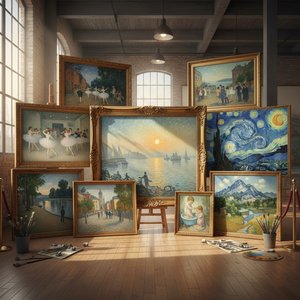
10 mojstrovin impresionizma: Umetniški geniji in lepota svetlobe | OriginalUniqueArt.si
Odkrijte 10 mojstrovin impresionizma – Monet, Renoir, Degas & drugi! Preberite zgodbe za ikonami gibanja in svetlobo v slikarstvu. Reprodukcije slik visoke kakovosti na OriginalUniqueArt.com. Raziskajte celotno zbirko online!

Impressionism's Masterpieces: 10 Paintings That Defined a Movement | OriginalUniqueArt
Journey through Impressionism's heart with 10 iconic paintings by Monet, Renoir & Degas. Explore light, color & the stories behind these masterpieces. Find museum-quality art reproductions and elevate your home decor on OriginalUniqueArt.com.

Beyond the Shadows: The Powerful Legacies of Artemisia Gentileschi and Berthe Morisot
Explore the profound legacies of Artemisia Gentileschi and Berthe Morisot. Discover how these female masters redefined the Baroque and Impressionist eras through dramatic chiaroscuro and luminous light in this expert art-history guide for collectors and enthusiasts.


