Preverite v realnem okolju
 Pošlji kot čestitko
 Deli
Deli
 Podrobnosti
 Priročnik

 Prenesi
 Podobni artefakti
 Rentgenski posnetek
 Predvajaj diaporama
 Statistika
Triptych (detail)


 Preberi več
Ročno izdelana oljna reprodukcija
Ročno slikano olje na platnu v vaši izbiri velikosti in okvirja, izdelano po naročilu naših umetnikov. ( Preklop na tiskanine Preklop na digitalno sliko)




P118B €10

P118H €10

P118W €10

P438Z €10

P508JH €12

P508YH €12

P805H €10

P805Z €10

P919BZ €10

P919G €10

P919XJ €10

P959ZH €10

P968JZ €12

W106C €8

W218G €10

W218JH €8

W218Y €10

W307PJ €10

W316G €10

W316PJ €8

W316Y €10

W398PJ €8

W4111J €10

W500HY €15

W500JH €15

W692G €12

W849H €8

W940BG €15

W953PJ €8




Izberite eno od naših vnaprej določenih velikosti, ki ustrezajo prvotnim proporcijam umetničkega dela.

Svoje dimenzije lahko vnesete tako, da se prilagodite določenemu okvirju ali prostoru. Če izbrana velikost ne ustreza razmerjem originalne slike, bomo umetniško delo obrezali ali sliko dopolnili z dodatnimi ročno naslikanimi elementi. Pred začetkom proizvodnje vam bo poslan digitalni osnutek v odobritev.
Upoštevajte, da predogled na zaslonu ne odraža dejanskega obrezovanja ali podaljšanja. Le osnutek bo natančno prikazal končno kompozicijo.
Čeprav so na voljo velikosti po meri, priporočamo izbiro dimenzije s preddefiniranega seznama, da ohranimo originalne razmere.
Po oddaji naročila bo ekipa OriginalUniqueArt.com stranki po e-pošti poslala navodila in predogled digitalnega predogleda.
Mednarodna dostava () v 3/4 tednih namesto običajnih 5 tednov. (28 september). Brez kompromisov pri kakovosti.

Brezplačna ekspresna dostava po vsem svetu

Visokokakovostno laneno platno

Popolno zavarovanje pošiljke

Garancija povračila carine in uvoznih davkov

Garancija popolnega barvnega ujemanja

Politika vračila v 100 dneh (le v primeru okvar)

Garancija 100% povračila denarja

Popust pri večjem naročilu
 Možnost stekla je na voljo le za velikosti pod 110 cm

Triptych (detail)
Tehnika reprodukcije
Velikost reprodukcije
-


Skupna cena
€ 259
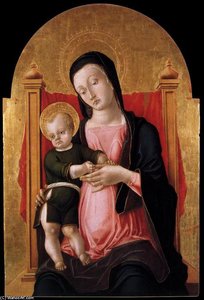
Bartolomeo Vivarini’s “Triptych (detail)” – A Venetian Vision of Faith
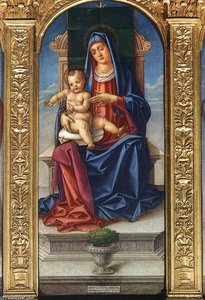
Bartolomeo Vivarini's "Triptych (detail)," painted around 1460, offers a captivating glimpse into the heart of Venetian Renaissance art. More than just a devotional image, it’s a meticulously crafted tableau brimming with symbolic depth and technical mastery—a testament to the artist’s skill and his deep engagement with the spiritual world. This particular detail, often studied for its intricate composition and luminous colors, reveals a sophisticated understanding of perspective, light, and human emotion, all hallmarks of Vivarini's distinctive style.
Vivarini, working primarily in Venice during the late 15th century, was deeply influenced by his predecessors, particularly Antonello da Messina, whom he learned oil painting from. However, he quickly developed a unique Venetian aesthetic—characterized by bold outlines, vibrant colors, and a dramatic use of light and shadow. Unlike some of his contemporaries who favored the cool palette of the north, Vivarini embraced warmer tones, reflecting the sun-drenched atmosphere of Venice. This “Triptych (detail)” exemplifies this approach, showcasing a rich tapestry of reds, blues, and golds that immediately draw the viewer in.
A Scene of Devotion: Narrative and Symbolism
The central image depicts a serene moment within a religious setting—a woman, likely representing the Virgin Mary, cradling the infant Jesus. The composition is carefully balanced, drawing our attention to the tender embrace between mother and child. To the left of the Virgin kneels a diminutive figure, identified as a nun from the Dominican order, her posture conveying deep reverence and devotion. This detail suggests a private commission—a personal expression of faith intended for contemplation within a sacred space.
Beyond the immediate figures, the scene is layered with symbolism. The architectural backdrop, reminiscent of Venetian buildings, anchors the image in its urban context while simultaneously elevating it to a realm of spiritual significance. The use of gold – particularly prominent in the Virgin’s robe and the celestial background – signifies divinity and holiness. The presence of an angel, soaring above, reinforces this sense of grace and divine intervention. Even seemingly minor details, such as the cup visible in the scene, hint at ritual and ceremony, further enriching the narrative.
Technique and Artistic Innovation
Vivarini’s mastery is evident in his meticulous attention to detail and his innovative use of technique. The figures are rendered with a remarkable degree of realism—their faces expressive, their drapery flowing realistically. He employs a technique known as “stiacciato,” creating subtle variations in the surface of the paint to suggest depth and texture. This creates an illusion of three-dimensionality, bringing the scene to life.
Notably, Vivarini was one of the first Venetian painters to experiment with oil painting—a medium that allowed for richer colors, greater luminosity, and more subtle gradations of tone than traditional tempera. The use of oil paint in this triptych contributes significantly to its vibrant appearance and atmospheric quality. The artist’s hard outlines, a characteristic feature of his style, provide clarity and definition, while the warm color palette evokes a sense of warmth and intimacy.
A Legacy of Venetian Art
“Triptych (detail)” by Bartolomeo Vivarini stands as a significant example of Venetian Renaissance art—a synthesis of religious devotion, artistic innovation, and technical skill. It reflects the vibrant cultural landscape of Venice during the 15th century, where faith, commerce, and artistic expression converged to create a unique and enduring legacy. Reproductions of this work offer a beautiful opportunity to experience the artistry and spiritual depth of Vivarini’s vision, bringing a touch of Venetian elegance and profound contemplation into any space.
Sorodni članki

Jacopo Tintoretto: 25 Mojstrovskih Del Benetškega Renskansa | OriginalUniqueArt
Odkrijte 25 izjemnih del Jacopa Tintoretta, benetškega mojstra renesanse! Pregled dramatičnih slik, verskih motivov in inovativne tehnike. Reprodukcije visoke kakovosti za vaš dom na OriginalUniqueArt.com.
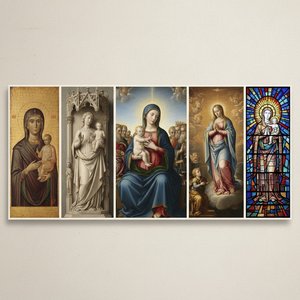
Divine Grace: A Journey Through the Most Iconic Depictions of the Virgin Mary in Art History
Embark on a profound journey through art history with our exploration of the most iconic depictions of the Virgin Mary. Discover the divine grace, symbolism, and masterful techniques found in Renaissance masterpieces and sacred iconography.

Venetian Renaissance: The Mastery of Color, Light, and the Art of Colorito
Explore the luminous mastery of the Venetian Renaissance. Discover how masters like Titian and Giorgione revolutionized art through colorito, light, and atmosphere. An expert guide to the golden age of Italian painting for collectors and enthusiasts.

Jacopo Palma il Giovane: A Venetian Master's Poetic Evolution
Explore the captivating world of Jacopo Palma il Giovane, a pivotal Venetian Renaissance master. Discover his unique style, influenced by Titian & Tintoretto, and learn about key works perfect for discerning collectors.

Divine Grace: An Art Historian's Journey Through Iconic Masterpieces of the Virgin Mary
Explore the profound beauty of Marian iconography through an art historian's lens. Discover iconic masterpieces by Raphael and Renaissance masters, celebrating the divine grace and timeless elegance of the Virgin Mary in classical fine art.