
 Predogled
 Pošlji
 Deli
Deli
 Podrobnosti o delu

 Prenesi
 Podobni izdelki
 Rentgenski posnetek
 Predvajaj diaporama
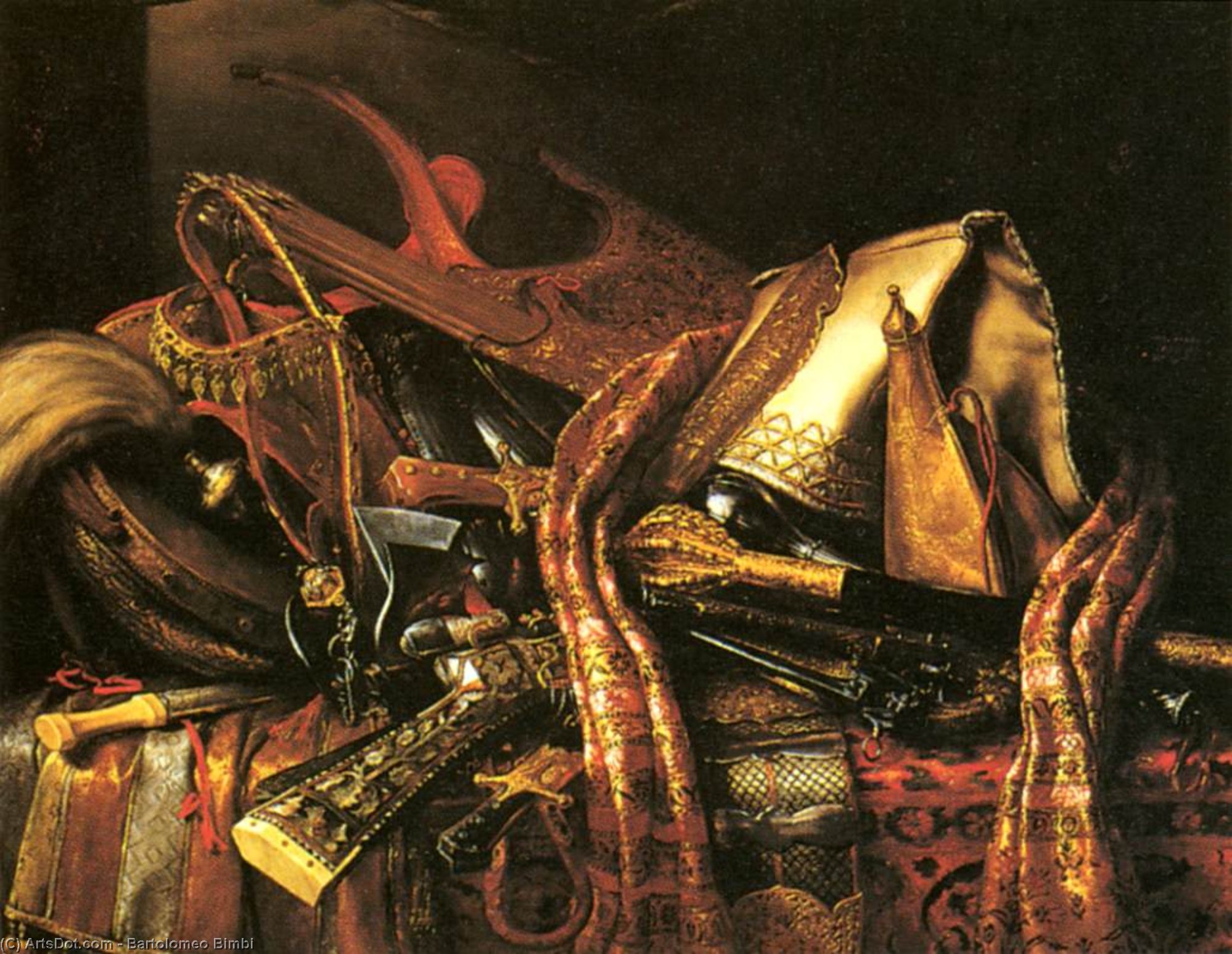
Turkish Arms


 Razviljaj več
Ročno izdelana oljna reprodukcija
Ročno slikano olje na platnu v vaši izbiri velikosti in okvirja, izdelano po naročilu naših umetnikov. ( Kupi tisk Kupi digitalno sliko)




P118B $10

P118H $10

P118W $10

P438Z $10

P508JH $12

P508YH $12

P805H $10

P805Z $10

P919BZ $10

P919G $10

P919XJ $10

P959ZH $10

P968JZ $12

W106C $8

W218G $10

W218JH $8

W218Y $10

W307PJ $10

W316G $10

W316PJ $8

W316Y $10

W398PJ $8

W4111J $10

W500HY $15

W500JH $15

W692G $12

W849H $8

W940BG $15

W953PJ $8




Izberite eno od naših vnaprej določenih velikosti, ki ustrezajo prvotnim proporcijam umetničkega dela.

Svoje dimenzije lahko vnesete tako, da se prilagodite določenemu okvirju ali prostoru. Če izbrana velikost ne ustreza razmerjem originalne slike, bomo umetniško delo obrezali ali sliko dopolnili z dodatnimi ročno naslikanimi elementi. Pred začetkom proizvodnje vam bo poslan digitalni osnutek v odobritev.
Upoštevajte, da predogled na zaslonu ne odraža dejanskega obrezovanja ali podaljšanja. Le osnutek bo natančno prikazal končno kompozicijo.
Čeprav so na voljo velikosti po meri, priporočamo izbiro dimenzije s preddefiniranega seznama, da ohranimo originalne razmere.
Po oddaji naročila bo ekipa OriginalUniqueArt.com stranki po e-pošti poslala navodila in predogled digitalnega predogleda.
Svetska dostava () za 3/4 nedelje umesto uobičajenih 5 nedelja. (14 avgust). Bez kompromisa po pitanju kvaliteta.

Brezplačna ekspresna dostava po vsem svetu

Visokokakovostno laneno platno

Popolno zavarovanje pošiljke

Garancija povračila carine in uvoznih davkov

Garancija popolnega ujemanja barv

60-dnevna politika vračanja (le v primeru napak)

Garancija 100% povračila denarja

Popust pri večjem naročilu
 Možnost stekla je na voljo le za velikosti pod 110 cm

Turkish Arms
Tehnika reprodukcije
Velikost reprodukcije
-


Skupna končna cena
$ 300
Opis umetninine
A Window Into Ottoman Warfare: Bartolomeo Bimbi’s “Turkish Arms”
The Galleria degli Uffizi in Florence houses a painting that transcends mere visual representation—Bartolomeo Bimbi’s “Turkish Arms,” completed in 1680, offers a captivating glimpse into the artistic sensibilities and scientific curiosity of Baroque Italy. More than just an assemblage of weaponry, this meticulously crafted artwork speaks volumes about the political tensions simmering between Europe and the Ottoman Empire during Bimbi's lifetime.Subject Matter and Composition
The painting’s subject is strikingly straightforward: a comprehensive depiction of Turkish arms and armor. Bimbi doesn’t shy away from showcasing the sheer variety of weaponry employed by Ottoman soldiers—a dazzling array of swords, daggers, pistols, helmets, and breastplates dominate the canvas. The artist arranges these objects with deliberate precision on a crimson cloth adorned with gilded accents, directing the viewer's gaze towards the central grouping. This compositional choice underscores the importance of military prowess in shaping European perceptions of Ottoman power during Bimbi’s era.Style and Technique: Baroque Precision
Bimbi exemplifies the hallmarks of Baroque painting—characterized by dramatic lighting, rich color palettes, and an emphasis on textural detail. He employs a masterful technique of chiaroscuro, skillfully manipulating light and shadow to sculpt forms and heighten visual impact. The artist’s meticulous brushstrokes capture the sheen of polished metal surfaces and the intricate patterns woven into fabrics, conveying a palpable sense of realism. Bimbi's dedication to accuracy is evident in his painstaking rendering of individual weapons—each sword boasts distinctive blade designs and handle embellishments, while daggers bear ornate carvings that reflect Ottoman craftsmanship.Historical Context: Diplomacy and Display
“Turkish Arms” emerged during a period marked by uneasy alliances between European monarchs and the Ottoman Sultanate. The Habsburg Netherlands had recently endured a siege by Ottoman forces, fueling anxieties about Ottoman expansionism across Europe. Bimbi’s painting served as a powerful visual statement—a celebration of military might intended to impress patrons and bolster national pride. It reflects the broader trend toward documenting scientific discoveries and artistic achievements during the Baroque period, aligning with the patronage system prevalent in Florence under Cosimo II Medici.Symbolism: Power and Prestige
Beyond its depiction of weaponry, “Turkish Arms” embodies symbolic representations of Ottoman prestige and dominance. The opulent crimson cloth and gilded trimmings symbolize royal authority and wealth—a deliberate contrast to the perceived barbarity of Ottoman warfare. Furthermore, the meticulous detail invested in portraying each weapon underscores the importance of craftsmanship and artistry within Ottoman culture. Bimbi’s work serves as a reminder that art wasn't merely decorative; it functioned as a tool for conveying political messages and shaping cultural narratives.Emotional Impact: A Moment Frozen in Time
Ultimately, “Turkish Arms” evokes a profound sense of historical curiosity and admiration for artistic skill. The painting transports viewers back to 17th-century Florence—a city brimming with intellectual fervor and artistic innovation. Bimbi’s masterful execution captures not only the physical appearance of Ottoman weaponry but also the spirit of an age grappling with geopolitical challenges. It remains a testament to the enduring power of art to illuminate history and inspire contemplation.Biografija umetnika
The Botanical Visionary of the Medici
In the golden age of the Florentine Baroque, few artists captured the delicate intersection of scientific curiosity and aesthetic splendor as masterfully as Bartolomeo Bimbi. Born in 1648 in the serene landscape of Settignano, near Florence, Bimbi was destined for a life shaped by the brush and the chisel. As the son of the sculptor Nicolò Bimbi, his early years were steeped in an environment where the physical world was meticulously observed and rendered. This foundational upbringing instilled in him a profound respect for texture, form, and the organic intricacies of nature, qualities that would later define his legendary status as a botanical virtuoso.
Bimbi’s artistic journey began in earnest under the tutelage of Lorenzo Lippii, one of Florence’s most esteemed painters. It was within Lippii’s workshop that Bimbi mastered the dramatic language of chiaroscuro, learning to manipulate light and shadow to breathe life into his subjects. Following the passing of his mentor, he continued to refine his eye for realism under Onorio Marinari, an artist renowned for his commitment to precise observation. These formative years provided him with more than just technical skill; they gifted him a way of seeing that bridged the gap between pure art and the burgeoning scientific inquiries of the 17th century.
A Symbiosis of Art and Science
The trajectory of Bimbi’s career was irrevocably altered by his pilgrimage to Rome around 1667. In the heart of the papal court, he encountered the influential Cardinal Leopoldo de’ Medici, a man whose passion for both art and natural science would become the catalyst for Bimbi's greatest achievements. This patronage transformed the artist from a skilled painter into a vital documentarian of the natural world. Tasked with illustrating the extraordinary botanical collections held by the Medici family, Bimbi turned his focus toward the opulent fruits, citrus, and exotic flora that populated the grand villas of the era.
His work became a celebrated record of the Villa dell’Ambrogiana and the della Topaia, creating canvases that served as both exquisite decorations and scientific specimens. In masterpieces such as "Large Citron in a Landscape" (1690), one can witness his ability to isolate a single subject—a solitary, textured citron—and place it within a sweeping, atmospheric vista. This technique allowed him to celebrate the tactile reality of the fruit while maintaining the grand, emotive scale characteristic of Baroque painting. His canvases were not merely still lifes; they were celebrations of fertility, discovery, and the prestige of the Medici botanical empire.
Legacy of Precision and Grandeur
Beyond his botanical triumphs, Bimbi demonstrated a remarkable versatility that allowed him to navigate various genres of the Baroque period. While he is most revered for his flora, his ability to render inanimate objects with equal fervor is evident in works such as "Turkish Arms" (1680). In this piece, he displays a breathtaking precision in capturing the cold, reflective surfaces of Ottoman weaponry and armor, proving that his mastery of light extended far beyond the organic. This breadth of talent ensured that his work resonated within the high-society circles of Florence, appealing to both the connoisseur of fine art and the scholar of natural history.
The historical significance of Bartolomeo Bimbi lies in his unique position as an artist who documented the transition from Renaissance idealism to the empirical rigor of the Enlightenment. He did not merely paint what he saw; he elevated the specimen to the level of the sublime. Today, his legacy survives through the preserved collections in the Pitti Palace and the Museo Botanico dell'Università di Firenze, where his paintings continue to serve as vibrant, breathing windows into a lost era of Florentine splendor. His life remains a testament to the power of art to serve as both a mirror to nature and a monument to human curiosity.

Bartolomeo Bimbi
1648 - 1730 , Italy
Hitri podatki
- Artistic Movement Or Style: Baroque
- Artists Or Movements Influenced By This Artist: ['Jacopo Ligozzi']
- Artists Who Influenced This Artist:
- Carlo Dolci
- Lorenzo Lippi
- Angelo Gori
- Date Of Birth: Florence, Italy (1648)
- Date Of Death: 1730
- Full Name: Bartolomeo Bimbi
- Nationality: Italian
- Notable Artworks:
- Pumpkins
- Citrus
- Turkish Arms
- Place Of Birth: Settignano
Sorodni članki

Decoding Baroque Grandeur: A Guide to the Drama and Emotion of 17th-Century Art
Explore the breathtaking drama of 17th-century Baroque art. Our expert guide decodes the use of chiaroscuro, emotional intensity, and historical grandeur to help you appreciate and curate timeless masterpieces for your collection.

Baroque Classicism: The Grandeur of Order and Drama in 17th-Century Art History
Explore the profound elegance of Baroque Classicism. Discover how 17th-century masters synthesized dramatic emotion with classical order through the lens of the Counter-Reformation and the works of legends like Carlo Maratta and Andrea Sacchi.

Baročne mojstrovine: 10 umetnin, ki so definirale obdobje | OriginalUniqueArt
Odkrijte 10 baročnih mojstrovine, ki so zaznamovale umetnost! Karavaggio, Bernini & Rubensovi deli v zgodovinskem kontekstu. Navdih za notranjost in reprodukcije slik na OriginalUniqueArt.com. Raziskujte polno zbirko online!

Silent Narratives: Exploring the Enduring Appeal of Still Life Painting Across Centuries
Explore the rich history of still life painting with OriginalUniqueArt. Discover Dutch Masters, decode vanitas symbolism & learn about collecting timeless art. Expert insights and museum-quality reproductions.

Decoding Baroque Grandeur: A Definitive Guide to Drama, Movement, and Emotion in 17th-Century Art
Explore the profound drama of 17th-century Baroque art. Discover how masters used chiaroscuro, movement, and emotional intensity to redefine history through the lens of the Counter-Reformation. An expert guide for art historians and collectors seeking deep cultural insight.

