

 Predogled
 Pošlji
 Deli
Deli
 Podrobnosti o delu

 Prenesi
 Podobni izdelki
 Rentgenski posnetek
 Predvajaj diaporama
ALLEGORIE DE LA JUSTICE


 Razviljaj več
Ročno izdelana oljna reprodukcija
Ročno slikano olje na platnu v vaši izbiri velikosti in okvirja, izdelano po naročilu naših umetnikov. ( Kupi tisk Kupi digitalno sliko)




P118B $10

P118H $10

P118W $10

P438Z $10

P508JH $12

P508YH $12

P805H $10

P805Z $10

P919BZ $10

P919G $10

P919XJ $10

P959ZH $10

P968JZ $12

W106C $8

W218G $10

W218JH $8

W218Y $10

W307PJ $10

W316G $10

W316PJ $8

W316Y $10

W398PJ $8

W4111J $10

W500HY $15

W500JH $15

W692G $12

W849H $8

W940BG $15

W953PJ $8




Izberite eno od naših vnaprej določenih velikosti, ki ustrezajo prvotnim proporcijam umetničkega dela.

Svoje dimenzije lahko vnesete tako, da se prilagodite določenemu okvirju ali prostoru. Če izbrana velikost ne ustreza razmerjem originalne slike, bomo umetniško delo obrezali ali sliko dopolnili z dodatnimi ročno naslikanimi elementi. Pred začetkom proizvodnje vam bo poslan digitalni osnutek v odobritev.
Upoštevajte, da predogled na zaslonu ne odraža dejanskega obrezovanja ali podaljšanja. Le osnutek bo natančno prikazal končno kompozicijo.
Čeprav so na voljo velikosti po meri, priporočamo izbiro dimenzije s preddefiniranega seznama, da ohranimo originalne razmere.
Po oddaji naročila bo ekipa OriginalUniqueArt.com stranki po e-pošti poslala navodila in predogled digitalnega predogleda.
Svetska dostava () za 3/4 nedelje umesto uobičajenih 5 nedelja. (18 avgust). Bez kompromisa po pitanju kvaliteta.

Brezplačna ekspresna dostava po vsem svetu

Visokokakovostno laneno platno

Popolno zavarovanje pošiljke

Garancija povračila carine in uvoznih davkov

Garancija popolnega ujemanja barv

60-dnevna politika vračanja (le v primeru napak)

Garancija 100% povračila denarja

Popust pri večjem naročilu
 Možnost stekla je na voljo le za velikosti pod 110 cm

ALLEGORIE DE LA JUSTICE
Tehnika reprodukcije
Velikost reprodukcije
-


Skupna končna cena
$ 325
Opis umetninine
Allegorie de la Justice: A Baroque Masterpiece Embodied in Darkness
Bartholomäus Spranger’s “Allegorie de la Justice” stands as a testament to the grandeur and dramatic intensity of Baroque art, capturing a pivotal moment in European artistic history. Painted around 1605-1607, this monumental canvas transcends mere visual representation; it delves into profound philosophical concepts concerning morality, power, and divine judgment—themes central to the era’s intellectual fervor. Spranger's meticulous attention to detail and masterful command of technique elevate the artwork beyond a simple depiction of figures, transforming it into a complex tapestry of symbolism designed to provoke contemplation.A Symphony of Darkness and Light: Composition and Technique
The painting’s visual impact is immediately arresting due to its carefully orchestrated composition. Spranger employs a pyramidal structure, anchoring the central figure—Justice—at the apex while grounding her with two supporting women who embody compassion and prudence. The subdued palette dominated by deep browns, blacks, and reds creates an atmosphere of solemn seriousness, punctuated by strategic highlights of gold and white that illuminate key elements like drapery and facial features. Spranger’s technique is characterized by impasto—thickly applied paint—which lends textural richness to the surfaces and contributes significantly to the artwork's dramatic effect. Brushstrokes are visible, conveying a palpable sense of movement and dynamism despite the stillness of the scene. The artist skillfully utilizes chiaroscuro – the interplay between light and shadow – to sculpt the figures’ forms and heighten emotional resonance.Symbolism Woven into Every Detail
“Allegorie de la Justice” is rife with symbolic references that speak to the core tenets of Baroque thought. The central figure, draped in regal robes and holding aloft a sword—the emblem of divine justice—represents righteousness and moral authority. Beneath her lies a prone male form, symbolizing submission to law and consequence for wrongdoing; his posture conveys vulnerability and defeat. Notably, the woman playing the lute embodies sorrow and lamentation – perhaps representing the suffering endured by those who uphold virtue. The architectural backdrop reinforces these themes, suggesting an idealized realm governed by divine order.Historical Context: The Habsburg Court and Moral Philosophy
Spranger’s artwork emerged during a period of significant artistic innovation within the Habsburg court in Vienna—a bastion of Catholic piety and intellectual ambition. Baroque art served as a vehicle for conveying moral philosophy and reinforcing religious dogma, reflecting the anxieties surrounding Reformation and papal authority. Spranger's commission underscores the importance of visual narratives in shaping cultural understanding and upholding societal values. The painting exemplifies the Baroque preoccupation with portraying idealized figures engaged in heroic actions—a stylistic hallmark that distinguishes it from earlier Mannerist styles.Emotional Resonance: A Portrait of Moral Virtue
Ultimately, “Allegorie de la Justice” transcends its formal elements to elicit a powerful emotional response. Spranger’s masterful depiction captures not merely the appearance of virtue but also its inherent seriousness and inescapable responsibility. The artwork invites viewers to contemplate questions of morality, righteousness, and the consequences of transgression—themes that continue to resonate across centuries. It remains an enduring symbol of justice tempered by compassion, embodying the aspirations of a court striving for spiritual ascendancy.Biografija umetnika
Bartholomeus Spranger: The Court Painter of Eroticism and Majesty
Bartholomäus Spranger (1546-1611), a name that resonates through the halls of Northern Mannerism, was more than just a painter; he was a pivotal figure in shaping artistic sensibilities during his time. Born in Antwerp, the son of a merchant with extensive travels, Spranger’s early life hinted at a future steeped in art and foreign influences. His initial training under Jan Mandijn, Frans Mostaert, and Cornelis van Dalem provided him with a solid foundation in landscape painting – a surprising starting point for an artist who would later become renowned for his intensely sensual depictions of the nude. However, it was his sojourn to Paris in 1565, working within the studio of Marc Duval, that truly ignited his artistic trajectory, exposing him to new techniques and perspectives.Early Influences and Italian Journeys
Spranger’s artistic development wasn't confined to the Netherlands. He diligently copied prints by Frans Floris and Parmigianino, absorbing their elegant lines and sophisticated compositions. Crucially, his travels extended into Italy, where he spent eight months in Milan and three months in Parma, assisting Bernardino Gatti on the ambitious fresco project for the dome of Santa Maria della Steccata. This experience offered invaluable insight into large-scale painting techniques and exposed him to the vibrant artistic scene of Renaissance Italy. His time in Rome proved particularly formative, establishing a connection with Giulio Clovio, a renowned mannerist painter and designer, who became his protégé. It was here that he encountered Karel van Mander, whose *Schilder-boeck* would later provide a detailed account of Spranger’s life and work – a testament to the artist's significance within the artistic community.The Imperial Court of Prague
Spranger’s career truly ascended when he was appointed court painter to Pope Pius V in 1570. However, his most enduring legacy lies in his service to the Holy Roman Emperor Rudolf II, a passionate collector of art and esoteric knowledge. Rudolf's relocation of the imperial court to Prague in 1581 marked a turning point for Spranger. The emperor’s fascination with classical antiquity, mythology, and alchemy profoundly influenced the artist’s work. Spranger responded directly to these preferences, creating a body of paintings dominated by exquisitely rendered nude figures – often seen from behind, conveying an aura of mystery and sensuality. These weren't merely decorative studies; they were carefully constructed allegories reflecting Rudolf II’s philosophical leanings and his desire to project an image of power and sophistication.Style and Technique: Northern Mannerism at its Peak
Spranger’s style is a quintessential example of Northern Mannerism, characterized by elongated figures, complex poses, and a deliberate emphasis on elegance and refinement. His paintings are distinguished by their smooth modeling, meticulous detail, and a subtle use of color. He skillfully blended Netherlandish realism with Italian mannerist influences, particularly the Roman tradition of depicting classical mythology. His drawings, in particular, possess remarkable energy and freedom – a testament to his masterful draftsmanship. Spranger’s work is notable for its dynamism, achieved through carefully orchestrated diagonals and a sense of movement within each composition. The influence of his earlier training in landscape painting can be seen in the atmospheric backgrounds he often employed, adding depth and context to his figures.Legacy and Influence
Bartholomeus Spranger’s impact on European art is considerable. His paintings, particularly those housed in Vienna's Kunsthistorisches Museum, represent a pinnacle of Northern Mannerism. His work served as an inspiration for subsequent generations of artists, including the Dutch Republic, where his style was widely disseminated through prints and by artists who had worked with him. The meticulous detail and sensual appeal of his nudes continue to captivate viewers today, solidifying Spranger’s place as a master of his craft and a significant figure in the history of Western art. His story is one of artistic evolution, shaped by diverse influences and ultimately defined by his unique vision—a vision that seamlessly blended eroticism, allegory, and imperial grandeur.
bartholomeus spranger
1546 - 1611
Hitri podatki
- Artistic Movement Or Style: Northern Mannerism
- Artists Or Movements Influenced By This Artist: ['Karel van Mander']
- Artists Who Influenced This Artist:
- Cornelis van Dalem
- Frans Mostaert
- Date Of Birth: March 21, 1546
- Date Of Death: June 27, 1611
- Full Name: Bartholomeus Spranger
- Nationality: Flemish
- Notable Artworks:
- Hermes and Athena
- Allegorie de la Justice
- Place Of Birth: Antwerp, Belgium
Sorodni članki

Demandes Commerciales
APS ofrece reproducciones de bellas artes y encargos personalizados desde 2004. Confían en nosotros corporaciones, hoteles y coleccionistas selectos para obras de arte de calidad museística, servicio discreto y soluciones artísticas completas. ¡Póngase en contacto con nosotros para obtener un presupuesto personalizado!

Francisco Goya: 25 Mojstrovin Španskega Slikarja za Vaš Dom | OriginalUniqueArt
Odkrijte 25 mojstrovin Francisca Goye – od portretov do Črne serije. Preberite zgodbe za vsako sliko, tehnike in navdih. Kvalitetne reprodukcije slik za vaš dom na OriginalUniqueArt.com! Raziskajte celotno zbirko online.
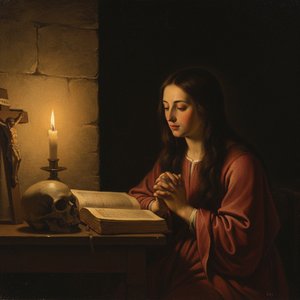
Georges de La Tour: Luminosity, Spirituality & Realism in Baroque Painting
Discover the captivating world of Georges de La Tour, a Baroque master renowned for his dramatic chiaroscuro & spiritual realism. Explore key works, influences, and his remarkable rediscovery. Learn more at OriginalUniqueArt.
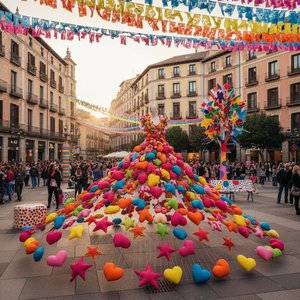
Águeda Ruiz de la Prada: A Study of Eclecticism & Emotional Resonance in Contemporary Spanish Painting
Discover the vibrant world of Ágatha Ruiz de la Prada, a leading figure in contemporary Spanish art. Explore her eclectic style, emotional depth & legacy – a must-read for discerning collectors.

A riguardo di noi
Découvrez notre histoire ! Nous apportons l'art de classe mondiale dans votre vie grâce à une sélection experte, des créations personnalisées et des aperçus gratuits. Approuvé par les particuliers et les entreprises depuis 2000.

