

 Preverite v realnem okolju
 Pošlji kot čestitko
 Deli
Deli
 Podrobnosti
 Priročnik

 Prenesi
 Podobni artefakti
 Rentgenski posnetek
 Predvajaj diaporama
 Statistika
Blue Gaze
 Oil On Board
- Expressionist Abstraction
 1910
1910- Modern
 23.0 x 20.0 cm
 Arnold Schönberg Center
 Preberi več
Giclée tisk / Umetniški tisk
Giclée ali platnati odtis muzejske kakovosti z hitro proizvodnjo in prilagodljivimi možnostmi končne obdelave. ( Naročite ročno slikano reprodukcijo Preklop na digitalno sliko)




P118B €10

P118H €10

P118W €10

P438Z €10

P508JH €12

P508YH €12

P805H €10

P805Z €10

P919BZ €10

P919G €10

P919XJ €10

P959ZH €10

P968JZ €12

W106C €8

W218G €10

W218JH €8

W218Y €10

W307PJ €10

W316G €10

W316PJ €8

W316Y €10

W398PJ €8

W4111J €10

W500HY €15

W500JH €15

W692G €12

W849H €8

W940BG €15

W953PJ €8




Izberite eno od naših vnaprej določenih velikosti, ki ustrezajo prvotnim proporcijam umetničkega dela.

Vnesite širino in višino, ki jih potrebujete za svoj okvir ali steno. Tiskanje se lahko le odreže, vendar ga ni mogoče narediti večjega od slike, zato format z drugačno obliko pomeni izgubo dela slike. Pred tiskanjem vam pošljemo digitalni predogled za potrditev. Slika, prikazana na tej strani, ne prikazuje dejanskega izrezkov — le predogled to omogoča.
Globalna dostava () v 2 tednih namesto standardnih 4/5 tednov. (22 oktober)

Brezplačna ekspresna dostava po vsem svetu

Visokokakovostno laneno platno

Popolno zavarovanje pošiljke

Garancija povračila carine in uvoznih davkov

Garancija popolnega barvnega ujemanja

Politika vračila v 100 dneh (le v primeru okvar)

Garancija 100% povračila denarja

Popust pri večjem naročilu
 Možnost stekla je na voljo le za velikosti pod 110 cm

Blue Gaze
Giclée tisk / Umetniški tisk
Velikost reprodukcije
-


Skupna cena
€ 70
A Glimpse into the Mind of a Revolutionary: Arnold Schoenberg’s “Blue Gaze”
“Blue Gaze,” painted in 1910 by the titan of musical innovation, Arnold Schoenberg, is more than just a portrait; it's a visceral manifestation of artistic struggle and a testament to the burgeoning power of abstraction. Created during a pivotal period in Schoenberg’s life – a time when he was simultaneously wrestling with the radical new techniques of atonality in music and exploring the uncharted territories of visual expression – this small oil-on-board painting (23 x 20 cm) offers an intimate, unsettling glimpse into his creative process. The work's impact extends beyond its aesthetic qualities, profoundly influencing public perception of Schoenberg himself, as documented by Egon Wellesz’s insightful account.
- Subject: The painting depicts a distorted human face, dominated by an intensely blue gaze.
- Colors: A striking contrast is created between the cool blues and the warm orange hues of the background.
- Dimensions: 23 x 20 cm – a manageable size that belies the profound ideas it contains.
Schoenberg’s foray into painting, driven by an almost obsessive need to translate his musical innovations onto another medium, is remarkable. He abandoned the harmonic structures he had so meticulously crafted in music, seeking instead to capture a raw, emotional essence – a “color vision,” as he termed it. The deliberate distortion of the face suggests a rejection of conventional representation, mirroring the challenges inherent in Schoenberg’s revolutionary musical approach. It's a visual echo of his compositional techniques, pushing boundaries and demanding an active engagement from the viewer.
Technique and Materials: A Window into Schoenberg’s Process
Executed in oil on board, “Blue Gaze” demonstrates Schoenberg’s surprisingly adept skill as a painter. The brushwork is loose and expressive, prioritizing emotional impact over meticulous detail. The layering of orange hues creates an atmospheric depth that complements the intensity of the blue gaze. The choice of oil paint allowed for rich color saturation and blending – crucial elements in conveying the complex emotions Schoenberg sought to capture. This intimate medium reflects his dedication to a direct, unmediated artistic expression.
- Medium: Oil on Board
- Brushwork: Loose and expressive, prioritizing emotional impact.
- Color Palette: Contrasting blues and oranges create a dynamic visual effect.
Historical Context and Symbolism
Painted in 1910, “Blue Gaze” exists within the context of Schoenberg’s groundbreaking musical work – particularly his exploration of atonality. The painting can be interpreted as an attempt to externalize the anxieties and complexities associated with this radical shift in musical thought. The blue gaze itself is a potent symbol: often associated with melancholy, introspection, or even madness, it reflects the internal turmoil that Schoenberg was experiencing during this period. The orange background could represent passion, energy, or perhaps the vibrant hues of his musical imagination.
Furthermore, the painting’s exhibition at Heller’s Art Gallery in 1910 proved to be a watershed moment. It elevated Schoenberg from a composer to a cultural figure, demonstrating the power of abstract art to provoke thought and challenge conventional perspectives – a phenomenon that would continue to shape the 20th century.
Collecting “Blue Gaze”: A Statement of Artistic Appreciation
Today, this remarkable painting is housed at the Arnold Schönberg Center in Vienna. A hand-painted reproduction offers an unparalleled opportunity to own a piece of art history – a tangible connection to one of the most influential composers of all time. This artwork’s evocative power and historical significance make it a compelling addition to any discerning collection, offering both aesthetic pleasure and intellectual stimulation. Its dimensions (23 x 20 cm) make it suitable for a wide range of interior design settings, from small studies to larger living spaces. Code: ART-SCHOENBERG-BLUEGAZE
Vprašanja in odgovori
Kako svetel je celotni sklad "Blue Gaze"?
V smislu zaznane svetlobnosti je "Blue Gaze" avtorja Arnold Schoenberg bright.
Kateri umetnik in kateri slog stojita za "Blue Gaze"?
Arnold Schoenberg je ustvaril "Blue Gaze" v okviru gibanja Expressionist Abstraction.
Kako se srečata umetniška smer in dobo v delu "Blue Gaze" avtorja Arnold Schoenberg?
"Blue Gaze" pripada slogu Expressionist Abstraction, njegov ustvarjalec pa je deloval v obdobju Moderna doba."
Biografija umetnika
zgodno mladost in glasbeni začetki
arnold schoenberg, avstrijsko-ameriški skladatelj, se je rodil 13. septembra 1874 v Dunaju na Avstriji. Njegovo zgodnje življenje je zaznamoval skromen začetek, saj je bil njegov oče trgovec s čevlji. Kljub temu je Schoenbergova vroča strast do glasbe vodila k temu, da se je na področju glasbe v veliki meri izobrazil sam.glasbna evolucija in pomembna dela
Schoenbergova zgodnja dela, kot je verklärte nacht (1899), so prikazovala sintezo Brahmsa in Wagnerja. Z napredovanjem je postal osrednja figura druge vienske šole, skupaj z antonom webernom in albanom bergom. Njegove kompozicije, vključno s kvartetom za strune št. 2 (1907–1908), erwartung (1909) in pierrot lunaire (1912), so prikazale njegov inovativni pristop k atonalnosti.podajanje, emigracija in poznejše življenje
Schoenberg je leta 1933 zaradi vzpona nazistov odstopil iz Pruske akademije umetnosti, saj je njihova vlast označila njegovo glasbo za "dekadentno". Nato je poučeval v ZDA, med drugim na Univerzi Kalifornije v Los Angelesu (1936–1944), kjer so nekateri objekti po njegovi časti poimenovani po njem. [https://OriginalUniqueArt.com/@/arnolog-schoenberg](odkryjte več o Schoenbergovem življenju in delih na OriginalUniqueArt).- Schoenberg je raziskoval filmsko glasbo in pisal bolj tonalno glasbo, s čemer je leta 1939 dokončal komponirano simfonijo št. 2.
- V delu ode to napoleon (1942), navdihnjenem Byronom, je satirično prikazal fašistične tirane.
- Povojni Dunaj mu je podelil častno državljanstvo, vendar je bil bolan, kar je odraženo v njegovem strunnem triu (1946).
dediščina in vpliv
Ko se je svet soočil z grozotami holokausta, je Schoenberg spomnil na njegove žrtve v delu a survivor from warsaw (1947). Izraelni konzervatorij in akademija za glasbo ga je leta 1951 izvolila za častnega predsednika. [https://OriginalUniqueArt.com/@@/a@d3bqc7-the-museum-destroyed-by-fire-(united-states)](izvedite več o vplivu njegovega dela na OriginalUniqueArt). Ključne točke: Schoenbergova inovativna glasba je bila med najbolj vplivnimi in polémicnimi v klasični glasbi 20. stoletja. Vsaj trije generacije skladateljev so nadgradile njene formalne principe. Njegovi estetski in glasbeno-zgodovinski pogledi so vplivali na muzikologe, kot sta Theodor W. Adorno in Carl Dahlhaus. [https://OriginalUniqueArt.com/@@/a@d3cl2x--a-journey-through-art-history-with-OriginalUniqueArt-s-extensive-collection-](raziskujte obsežno zbirko umetnosti na OriginalUniqueArt, ki sega od 12. do 20. stoletja).
Arnold Schoenberg
1874 - 1951 , Avstrija
Ključne informacije
- Artistic Movement Or Style: Dvanajsttonska tehnika; Ekspresionizem
- Artists Or Movements Influenced By This Artist:
- Anton Webern
- Alban Berg
- Artists Who Influenced This Artist:
- Johannes Brahms
- Richard Wagner
- Date Of Birth: 13. september 1874
- Date Of Death: 1951
- Full Name: Arnold Schoenberg
- Nationality: Avstrijsko-ameriški
- Notable Artworks:
- Suite, op. 29
- Music Typewriter
- Staffliner
- Place Of Birth: Dunaj, Avstrija
Sorodni članki

Oil on Canvas: A Historical & Technical Exploration of a Timeless Artistic Medium
Explore the rich history & enduring techniques of oil painting on canvas. Discover the science behind its longevity, conservation practices, and contemporary relevance. Expert insights for art enthusiasts.

Slate Blue Masterpieces: 10 Iconic Paintings & Timeless Home Decor Ideas
Immerse yourself in the captivating world of slate blue! Explore 10 iconic paintings by Monet, Van Gogh & Renoir. Discover their stories, techniques & find museum-quality art reproductions for your home at .

The Enduring Legacy of Oil on Canvas: Technique, History & Aesthetic Impact
Explore the rich history & techniques of oil painting – from Renaissance masters to Impressionism. Discover pigments, layering methods, and why this timeless medium endures. Expert insights for artists & art enthusiasts.
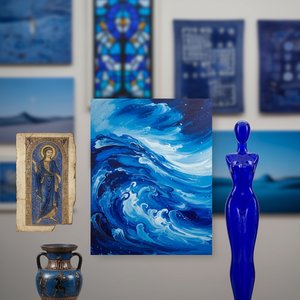
The Allure of Azure: Exploring the Symbolic & Aesthetic Depths of Blue in Art History
Explore the rich history of blue in art! Discover its symbolism, from ancient pigments to modern masterpieces by Kandinsky & Seurat. Uncover the psychological impact and cultural meanings behind this captivating hue.

The Enduring Power of Painting: A Historical & Contemporary Exploration of Form and Emotion
Explore the rich history & enduring techniques of oil painting with OriginalUniqueArt. Discover masterpieces, learn about art collecting, and find authentic handmade reproductions crafted by skilled artists.


