
 Preverite v realnem okolju
 Pošlji kot čestitko
 Deli
Deli
 Podrobnosti
 Priročnik

 Prenesi
 Podobni artefakti
 Rentgenski posnetek
 Predvajaj diaporama
 Statistika
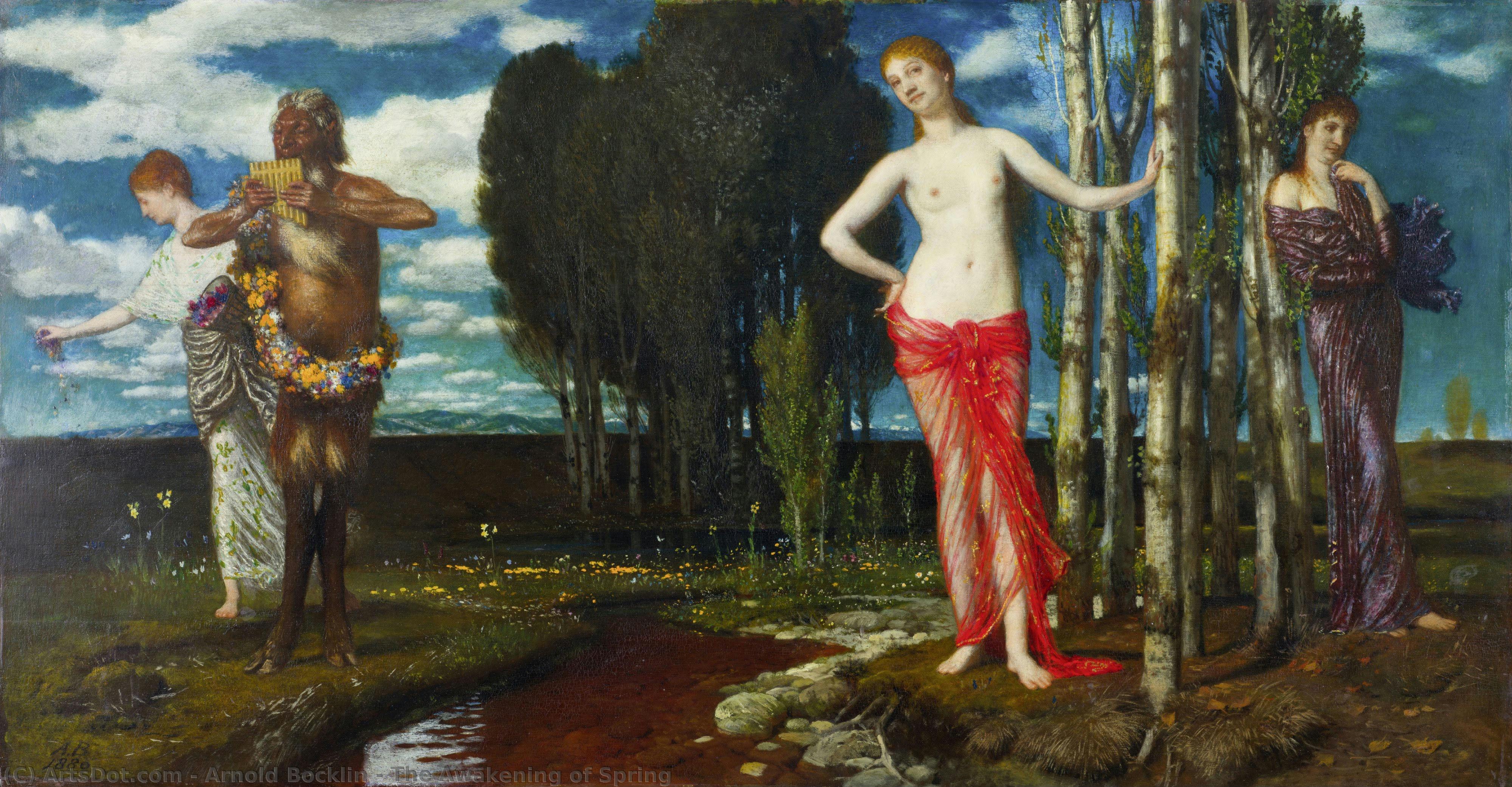
The Awakening of Spring


 Preberi več
Giclée tisk / Umetniški tisk
Giclée ali platnati odtis muzejske kakovosti z hitro proizvodnjo in prilagodljivimi možnostmi končne obdelave. ( Naročite ročno slikano reprodukcijo Preklop na digitalno sliko)




P118B $10

P118H $10

P118W $10

P438Z $10

P508JH $12

P508YH $12

P805H $10

P805Z $10

P919BZ $10

P919G $10

P919XJ $10

P959ZH $10

P968JZ $12

W106C $8

W218G $10

W218JH $8

W218Y $10

W307PJ $10

W316G $10

W316PJ $8

W316Y $10

W398PJ $8

W4111J $10

W500HY $15

W500JH $15

W692G $12

W849H $8

W940BG $15

W953PJ $8




Izberite eno od naših vnaprej določenih velikosti, ki ustrezajo prvotnim proporcijam umetničkega dela.

Svoje dimenzije lahko vnesete sami, da bodo ustrezne za določen okvir ali prostor. Če izbrana velikost ne bo skladna z razmerji izvirne slike, bomo umetniško delo orezali ali podaljšali s pomočjo ogledalnega odraza ali barvno polnega roba. Pred začetkom proizvodnje vam bomo poslali digitalni predogled za potrditev.
Upoštevajte, da predogled na zaslonu ne prikazuje dejanskega orezovanja ali podaljševanja. Le digitalni predogled bo natančno prikazal končno kompozicijo.
Čeprav so na voljo prilagojene velikosti, priporočamo izbiro dimenzije s predhodno določenega seznama, da ohranite prvotna razmerja.
Globalna dostava () v 2 tednih namesto standardnih 4/5 tednov. (25 september)

Brezplačna ekspresna dostava po vsem svetu

Visokokakovostno laneno platno

Popolno zavarovanje pošiljke

Garancija povračila carine in uvoznih davkov

Garancija popolnega barvnega ujemanja

Politika vračila v 100 dneh (le v primeru okvar)

Garancija 100% povračila denarja

Popust pri večjem naročilu
 Možnost stekla je na voljo le za velikosti pod 110 cm

The Awakening of Spring
Giclée tisk / Umetniški tisk
Velikost reprodukcije
-


Skupna cena
$ 80
A Dreamscape of Renewal: Arnold Böcklin’s “The Awakening of Spring”
Arnold Böcklin's "The Awakening of Spring" (Frühlingserwachen), painted in 1880, isn’t merely a depiction of springtime; it’s an immersion into a realm of potent symbolism and haunting beauty. This oil-on-wood panel, currently residing within the Kunsthaus Zürich’s collection, immediately draws the viewer into a world where the boundaries between reality and dream blur, inviting contemplation on themes of rebirth, mortality, and the ephemeral nature of existence. Böcklin, a pivotal figure in the Symbolist movement, masterfully employs muted colors—primarily blues, greens, and browns—to create an atmosphere of serene melancholy, a characteristic deeply rooted in his exploration of death and the subconscious.
The scene unfolds with a group of nude women, their forms graceful yet subtly melancholic, gathered around a cluster of blossoming trees. They are not engaged in boisterous revelry but rather seem lost in quiet contemplation, embodying a sense of serene detachment from the world. Their poses—one holding her hands to her hips, another gazing into the distance—suggest a profound connection with nature and an awareness of their own vulnerability within it. The figures aren’t presented as idealized beauties; instead, they possess a certain fragility and timelessness, reflecting Böcklin's fascination with archetypal imagery and the enduring power of myth.
The Roots of Symbolism: Context and Influences
To fully appreciate “The Awakening of Spring,” it’s crucial to understand the artistic currents that shaped Böcklin’s vision. The late 19th century witnessed a growing disillusionment with rationalism and industrialization, leading artists and intellectuals alike to seek solace in the realms of myth, folklore, and the subconscious. Symbolism, emerging from this context, rejected realism in favor of evocative imagery designed to stimulate emotional and spiritual responses. Böcklin’s work is profoundly influenced by Pre-Raphaelitism, particularly the romantic landscapes and allegorical figures of artists like William Holman Hunt and Dante Gabriel Rossetti. Furthermore, he drew inspiration from the writings of Edgar Allan Poe and the philosophies of Friedrich Nietzsche, incorporating elements of darkness, decay, and psychological intensity into his compositions.
The painting’s genesis is intertwined with a personal tragedy – Böcklin's daughter, Maria, died at a young age. This loss undoubtedly fueled his preoccupation with themes of mortality and the cyclical nature of life and death. The image of the “Isle of the Dead,” which he revisited repeatedly throughout his career, served as a visual anchor for these explorations, providing a framework for depicting the transition between worlds.
Decoding the Symbolism: Figures and Flora
Each element within "The Awakening of Spring" carries symbolic weight. The nude figures represent not just physical beauty but also vulnerability, innocence, and a connection to the natural world. Their lack of adornment emphasizes their essential nature, stripped bare of societal constraints. The trees themselves are laden with blossoms—a potent symbol of rebirth, fertility, and the promise of new beginnings. However, the muted palette and the figures’ somber expressions suggest that this renewal is not without its melancholy undertones. The presence of a single bird in the upper left corner adds another layer of meaning, representing hope and freedom amidst the prevailing atmosphere of quiet contemplation.
Notably, the painting echoes Botticelli's "Primavera," a work that itself embodies the themes of spring and renewal. Böcklin’s interpretation, however, is far more introspective and psychologically complex, reflecting his Symbolist sensibilities. The figures are not celebrating the arrival of spring; they are engaged in a silent dialogue with its mysteries—a meditation on life's fleeting beauty and inevitable decay.
A Timeless Resonance: Emotional Impact and Legacy
“The Awakening of Spring” continues to resonate deeply with viewers today, largely due to its evocative atmosphere and profound exploration of universal themes. It’s a painting that invites introspection, prompting us to consider our own relationship with nature, mortality, and the enduring power of dreams. The work's haunting beauty and subtle symbolism have cemented Böcklin’s place as one of the most important figures in Symbolist art, influencing generations of artists and inspiring countless interpretations. Reproductions of this masterpiece offer a window into a world of profound emotional depth—a testament to Böcklin’s extraordinary artistic vision.
Biografija umetnika
zgodna mladost in izobraževanje
Arnold Böcklin, švicarski simbolist, se je rodil 16. oktobra 1827 v Baslu na Švici. Njegov oče, Christian Frederick Böcklin, je pripada bil starodavnemu rodu iz Schaffhausena in se je ukvarjal v trgovini s svilo. Arnoldova mati, Ursula Lippe, je bila domačinka istega mesta. Svoje umetniške korenine je utrjal na akademiji v Düsseldorfu pod mentorstvom Schirmerja, kjer je vzpostavil tesen odnos in postal prijatelj s Anselmom Feuerbachom. Böcklin ostaja tesno povezan z umetniško šolo v Düsseldorfu.umetniška pot in simbolizem
Umetnično potovanje je Böcklina vodilo skozi številna mesta, vključno s Parizom, kjer je delal v Louvru, in Rimom, kjer so nanj močno delovali tamojšnji razgledi. Njegova dela pogosto prikazujejo alegorijske in mitološke figure v okoljih z klasično arhitektijo, pri čemer raziskuje globoke teme smrti in smrtnosti.- Great Park, eden njegovih najranjših posegov, je prikazal staro mitologijo.
- Nimfa in satir (1858) ter Safona (1859) so bila izstopajoča dela tega obdobja.
- Böcklinov portret sebe, ko smrt igra violino (1872) je popolnoma prikazal njegov edinstven slog.
dediščina in vpliv
Böcklin je najbolj znan po svojih petih različicah dela Otok smrti (1880–1886), ki je priklical na spomin angleškega pokopališča v Florenci, kjer je bila pokopana njegova hči. Njegovo del je vplival na mlajše umetnike, kot je Hans Thoma, in je navdihnilo številne kompozitorje pozne romantike.- Clement Greenberg je opisal Böcklinovo delo kot "enega najbolj dovršenih izrazov" svojega časa.
- Böcklinov slog se je prepletal s predrafaelitami, pri čemer je poudarjal svet sanj in mistike.
muzeji in zbirke
Böcklinova dela lahko najdemo v različnih muzejih, med drugim:- Öffentliche Kunstsammlung (Basel, Švica)
- Kunstmuseum Basel (Švica)
- Museum Kunsthaus Zürich (Zürih, Švica)
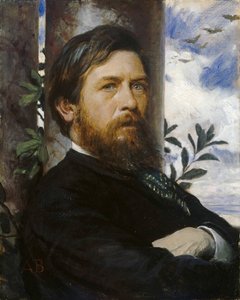
Arnold Böcklin
1827 - 1901 , Švija
Ključne informacije
- Artistic Movement Or Style: Simbolizem
- Artists Or Movements Influenced By This Artist:
- Hans Thoma
- Pre-rafaeliti
- Artists Who Influenced This Artist:
- Schirmer
- Feuerbach
- Date Of Birth: 16. oktober 1827
- Date Of Death: 16. januar 1901
- Full Name: Arnold Böcklin
- Nationality: Švizergija
- Notable Artworks:
- Otok mrtvih
- Nimfa in satir
- Safona
- Portret sebe
- Place Of Birth: Basel, Švizerija
Sorodni članki

Arboreal Echoes: A Historical & Artistic Exploration of Trees in Painting
Explore the rich history of trees in painting! Discover symbolism, Romantic masterpieces by Caspar David Friedrich & beyond. A curated journey for art enthusiasts.
Portrayals of Power & Perception: A Historical Survey of Women in Art
Explore the rich history of women in art – from iconic muses to groundbreaking artists. Discover feminist movements & reclaim female narratives with OriginalUniqueArt. Expert insights for discerning collectors.

The Enduring Allure of the Nude: A Historical & Artistic Exploration of the Human Form
Explore the captivating history of nude art! Discover iconic paintings & artists from classical to modern eras. Uncover symbolism, techniques & find museum-quality reproductions at OriginalUniqueArt.
Arboreal Echoes: A Historical & Artistic Exploration of Trees in Painting
Explore the rich history of trees in painting! Discover symbolism, Romantic masterpieces by Caspar David Friedrich & beyond. A curated journey for art enthusiasts.

The Enduring Muse: Women as Subject & Symbol in Art History
Explore the rich history of women in art – from iconic muses to groundbreaking artists. Discover feminist movements, global perspectives & reclaim female narratives with OriginalUniqueArt.
