Symbolism
La peste (Arnold Böcklin)
Arnold Böcklin (1827–1901) je izdelal La peste. Spada v smer Symbolism. Izdelano je iz Oil On Canvas.
- Oil On Canvas

 Predogled v realnem okolju

 Ročno izdelano oljno slikarstvo
 Pošlji
 Deli
 Informacijski list


 Prenesi sliko
 Podobni izdelki
 Rentgenski posnetek
 Predvajaj diaporama
 Vprašanja in odgovori

 Statistika
La peste, na kratek
- Naslov
- La peste
- Avtor
- Arnold Böcklin (1827–1901)
- Umetnik, rojen v
- Basel, Švica
- Tehnika
- Oil On Canvas
- Gibanje
- Symbolism
- Obdobje
- 19th Century
- Tema
- monster, rider, buildings, dead bodies, sky, red cloth
Kaj prikazuje La peste?
The Shadow of Mortality
In this unsettling scene, we find ourselves witnessing a moment of profound, inevitable decay. A monstrous, winged creature, reminiscent of a bat, moves through the narrow streets of a medieval European city. Atop this beast sits a skeletal figure, a personification of death that moves with a terrifying, silent purpose. The atmosphere is heavy, thick with a hazy, yellow-grey light that suggests a world choked by sickness. There is a sense of chaos here, yet it is a quiet, suffocating kind of chaos. The buildings, with their rigid, angular lines, seem to press in on the viewer, creating a claustrophobic environment where escape feels impossible.
The color palette is deliberately somber, leaning heavily into the earthy tones of ochre, brown, and grey. However, there is a specific, unsettling use of pale green—a hue often associated with the physical reality of decomposition—that permeates the work. This sickly tint contrasts sharply with the single, startling shock of red found in the foreground. A woman lies there, her clothing a vivid crimson against the muted, dying world around her, a stark reminder of the human cost of the plague passing through the streets.
Symbolic Elements and Composition
The composition is structured with a certain architectural precision that heightens the sense of dread. The rider and the beast form a central, pyramidal apex that draws the eye upward and then forces it back down toward the suffering below. The artist uses several layers of visual language to communicate the theme of pestilence:
- The winged creature, acting as a vessel for the plague, disrupts the orderly geometry of the urban landscape.
- The use of atmospheric perspective, where the background fades into a murky haze, suggests an endless, spreading contagion.
- The fallen figures in the foreground and middle ground represent the victims, their forms partially obscured by shadow and the weight of the scene.
- The contrast between organic, irregular shapes of the monster and the rigid, rectangular shapes of the architecture emphasizes the unnatural intrusion of death into civilization.
The technique involves a careful layering of oil paints, creating a texture that feels both rough and weathered. In certain areas, the impasto is visible, giving the creature a visceral, tactile presence. This physical depth mirrors the psychological depth of the subject matter, where the veil between the physical world and a nightmare state feels dangerously thin.
The Weight of the Unseen
There is a profound stillness in the way the figures are arranged, despite the violence of the subject. It is a stillness born of hopelessness. The lighting is diffused and uneven, casting deep shadows that hide as much as they reveal. This lack of a clear light source contributes to the sense of mystery and the feeling that the plague is an unstoppable, elemental force rather than a mere biological event. The work captures a specific tension between the tangible reality of a city and the intangible, spectral presence of death, leaving the viewer with a lingering sense of unease that remains long after the first glance.
Visokoresolucijske slike dela La peste
Javna lastnina: umetnik je umrl leta 1901.
Arnold Böcklin, La peste. Javna lastnina
Odgovori na vprašanja o La peste
い哪種媒介是用來創作 "La peste" avtorja Arnold Böcklin 的?
Tehnika za delo "La peste" avtorja Arnold Böcklin je Oil On Canvas. Različice imajo za namen natančno prikazati videz te tehnike.
Kaj prikazuje "La peste" avtorja Arnold Böcklin?
Motivi dela "La peste" so monster, rider, buildings, dead bodies, sky, red cloth, cityscape.
Ali je delo "La peste" avtorja Arnold Böcklin v javni lastini?
V zvezi z avtorskimi pravicami je "La peste" v v javni domeni – avtorska pravica je zastarela.
Kdo je ustvaril "La peste"?
"La peste" pripisujemo Arnold Böcklin.
Kateri umetniški slog pripada "La peste"?
Umetnostni smer, ki jo zastopa "La peste" avtorja Arnold Böcklin, je Symbolism. Ta klasifikacija delo uvršča med sorodne umetnike in umetniška dela.
V katero obdobje Arnold Böcklinove kariere spada delo "La peste"?
"La peste" pripada Late Period v karieri umetnika Arnold Böcklin. Ta razvrstitev povezuje delo z umetnikovim razvojnim obdobjem.
Ali je delo "La peste" avtorja Arnold Böcklin v javni lastini in zakaj?
"La peste" avtorja Arnold Böcklin je v javni domeni – avtorska pravica je zastarela. Avtorske pravice se izračunajo od smrti umetnika, ki je umrl leta 1901.
Kaj ima "La peste" skupnega z ostalo celotno tvorbino umetnika Arnold Böcklin?
V celotnem delu umetnika Arnold Böcklin se delo "La peste" prikloni slogu Symbolism, ki vključuje tematiko symbolist movement, mythology and mortality, themes of death, war and pestilence, exploration of the subconscious.
Ali je "La peste" tipično za dela, ki jih je Arnold Böcklin običajno ustvarjal?
Arnold Böcklinove ponavljajoče se teme vključujejo symbolist movement, mythology and mortality, themes of death, war and pestilence, exploration of the subconscious; "La peste" se osredotoča na monster, rider, buildings, dead bodies, sky, red cloth, cityscape.
O umetniku, Arnold Böcklin
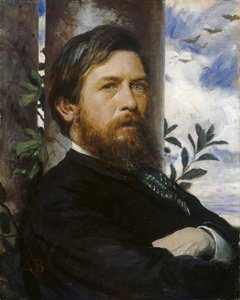
1827–1901, Švica
Arnold Böcklin
Senča otoka Basel na Švici predstavlja izhodišče za življenje, ki ga je opredelila napetost med materialnim in spektralnim. Mladenič, rojen 16. oktobra 1827 Christianu Fredericku Böcklinu in Ursuli Lippe, se je skozi čas odmaknil od očetovega trgovine s svilo in odšel v strogo akademske sale Düsseldorf Academy. Pod mentorstvom Schirmerja je začel absorbirati jezik pejzaža, veščino, ki jo je kasneje uporabil za kartiranje geografije človeške duše.
Tudi dela avtorja Arnold Böcklin
 Otok smrti (Prva različica)1880
 Samoportret s smrtjo, ki igra violino
 Vojača1896
 Otok mrtvih1880
Eseji o delu La peste
 Beyond Reality: Unveiling the Enigmatic Depths of Metaphysical Art and its Philosophical EchoesExplore the profound mystery of Metaphysical Art. Delve into the philosophical depths of Giorgio de Chirico’s dreamscapes and discover how …
 25 Essential Works by Arnold Böcklin: A Journey Through Myth and SymbolismExplore 25 iconic Arnold Böcklin paintings and Symbolist works. Discover the full collection online at OriginalUniqueArt.com.
 Swiss artworks of the 1890sSwiss Symbolism in the 1890s features the iconic works of Félix Vallotton and Arnold Hodler. View the full collection online at OriginalUni…