

 Preverite v realnem okolju
 Pošlji kot čestitko
 Deli
Deli
 Podrobnosti
 Priročnik

 Prenesi
 Podobni artefakti
 Rentgenski posnetek
 Predvajaj diaporama
 Statistika
Centaur at the Village Blacksmith's Shop
 Oil On Canvas
- WallArt
- Symbolist Painting
 1888
1888- 19th Century
 100.0 x 80.0 cm
 Szépművészeti Múzeum
 Preberi več
Giclée tisk / Umetniški tisk
Giclée ali platnati odtis muzejske kakovosti z hitro proizvodnjo in prilagodljivimi možnostmi končne obdelave. ( Naročite ročno slikano reprodukcijo Preklop na digitalno sliko)




P118B $10

P118H $10

P118W $10

P438Z $10

P508JH $12

P508YH $12

P805H $10

P805Z $10

P919BZ $10

P919G $10

P919XJ $10

P959ZH $10

P968JZ $12

W106C $8

W218G $10

W218JH $8

W218Y $10

W307PJ $10

W316G $10

W316PJ $8

W316Y $10

W398PJ $8

W4111J $10

W500HY $15

W500JH $15

W692G $12

W849H $8

W940BG $15

W953PJ $8




Izberite eno od naših vnaprej določenih velikosti, ki ustrezajo prvotnim proporcijam umetničkega dela.

Svoje dimenzije lahko vnesete sami, da bodo ustrezne za določen okvir ali prostor. Če izbrana velikost ne bo skladna z razmerji izvirne slike, bomo umetniško delo orezali ali podaljšali s pomočjo ogledalnega odraza ali barvno polnega roba. Pred začetkom proizvodnje vam bomo poslali digitalni predogled za potrditev.
Upoštevajte, da predogled na zaslonu ne prikazuje dejanskega orezovanja ali podaljševanja. Le digitalni predogled bo natančno prikazal končno kompozicijo.
Čeprav so na voljo prilagojene velikosti, priporočamo izbiro dimenzije s predhodno določenega seznama, da ohranite prvotna razmerja.
Globalna dostava () v 2 tednih namesto standardnih 4/5 tednov. (25 september)

Brezplačna ekspresna dostava po vsem svetu

Visokokakovostno laneno platno

Popolno zavarovanje pošiljke

Garancija povračila carine in uvoznih davkov

Garancija popolnega barvnega ujemanja

Politika vračila v 100 dneh (le v primeru okvar)

Garancija 100% povračila denarja

Popust pri večjem naročilu
 Možnost stekla je na voljo le za velikosti pod 110 cm

Centaur at the Village Blacksmith's Shop
Giclée tisk / Umetniški tisk
Velikost reprodukcije
-


Skupna cena
$ 80
A Moment Frozen in Mythic Time
In the quietude of Arnold Böcklin’s 1888 masterpiece, “Centaur at the Village Blacksmith's Shop,” the boundaries between the mundane and the miraculous dissolve into a single, haunting tableau. As a cornerstone of the Symbolist movement, this work transcends mere representation to explore the profound psychological depths of the human condition. The scene presents a striking juxtaposition: the rhythmic, grounded labor of a village blacksmith’s forge set against the presence of a solitary centaur. This half-man, half-horse figure, engaged in the seemingly ordinary task of shoeing a horse, introduces an unsettling tension into the rural tranquility. Böcklin masterfully uses a palette of muted browns, greys, and earthy tones to create an atmosphere of palpable stillness, inviting the viewer to step into a world where the echoes of classical antiquity still resonate within the heart of modern civilization.
The technical brilliance of the piece lies in Böcklin’s command of chiaroscuro, the dramatic interplay between light and shadow that breathes life into the textures of the blacksmith's shop. Every detail—from the solidity of the forge to the heavy, weathered tools—is rendered with a meticulousness that emphasizes the permanence of human industry. Yet, this stability is interrupted by the centaur’s gaze, which pierces through the canvas to meet the viewer directly. This connection is laden with melancholy, hinting at a hidden narrative of lost innocence and the struggle between primal instinct and civilized intellect. For the discerning collector or interior designer, the painting offers more than just visual beauty; it provides a window into the duality of existence, making it a profound focal point for any space dedicated to contemplation and intellectual depth.
Symbolism and the Echoes of Antiquity
To gaze upon this artwork is to engage in a dialogue with the very essence of myth. Böcklin draws heavily from classical mythology to weave a complex tapestry of meaning, utilizing the centaur as a potent symbol of untamed nature and raw, instinctual knowledge. In the context of the blacksmith's shop—a symbol of human reason, artistry, and the established order—the centaur represents the enduring power of our primal origins that refuses to be fully tamed by progress. This tension between the wild and the civilized is what gives the painting its enduring emotional resonance.
For those seeking to infuse their homes with art that tells a story, this reproduction serves as an evocative piece of decor. It captures a sense of nostalgia for a perceived era of simplicity while simultaneously challenging the viewer with its mythological complexity. Whether placed in a grand library or a quiet study, the painting’s ability to evoke both peace and profound inquiry makes it an incomparable addition to a curated collection. It is not merely a depiction of a scene, but an invitation to explore the complexities of our own nature through the lens of a master who understood the silent language of symbols.
Biografija umetnika
zgodna mladost in izobraževanje
Arnold Böcklin, švicarski simbolist, se je rodil 16. oktobra 1827 v Baslu na Švici. Njegov oče, Christian Frederick Böcklin, je pripada bil starodavnemu rodu iz Schaffhausena in se je ukvarjal v trgovini s svilo. Arnoldova mati, Ursula Lippe, je bila domačinka istega mesta. Svoje umetniške korenine je utrjal na akademiji v Düsseldorfu pod mentorstvom Schirmerja, kjer je vzpostavil tesen odnos in postal prijatelj s Anselmom Feuerbachom. Böcklin ostaja tesno povezan z umetniško šolo v Düsseldorfu.umetniška pot in simbolizem
Umetnično potovanje je Böcklina vodilo skozi številna mesta, vključno s Parizom, kjer je delal v Louvru, in Rimom, kjer so nanj močno delovali tamojšnji razgledi. Njegova dela pogosto prikazujejo alegorijske in mitološke figure v okoljih z klasično arhitektijo, pri čemer raziskuje globoke teme smrti in smrtnosti.- Great Park, eden njegovih najranjših posegov, je prikazal staro mitologijo.
- Nimfa in satir (1858) ter Safona (1859) so bila izstopajoča dela tega obdobja.
- Böcklinov portret sebe, ko smrt igra violino (1872) je popolnoma prikazal njegov edinstven slog.
dediščina in vpliv
Böcklin je najbolj znan po svojih petih različicah dela Otok smrti (1880–1886), ki je priklical na spomin angleškega pokopališča v Florenci, kjer je bila pokopana njegova hči. Njegovo del je vplival na mlajše umetnike, kot je Hans Thoma, in je navdihnilo številne kompozitorje pozne romantike.- Clement Greenberg je opisal Böcklinovo delo kot "enega najbolj dovršenih izrazov" svojega časa.
- Böcklinov slog se je prepletal s predrafaelitami, pri čemer je poudarjal svet sanj in mistike.
muzeji in zbirke
Böcklinova dela lahko najdemo v različnih muzejih, med drugim:- Öffentliche Kunstsammlung (Basel, Švica)
- Kunstmuseum Basel (Švica)
- Museum Kunsthaus Zürich (Zürih, Švica)
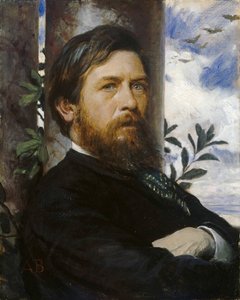
Arnold Böcklin
1827 - 1901 , Švija
Ključne informacije
- Artistic Movement Or Style: Simbolizem
- Artists Or Movements Influenced By This Artist:
- Hans Thoma
- Pre-rafaeliti
- Artists Who Influenced This Artist:
- Schirmer
- Feuerbach
- Date Of Birth: 16. oktober 1827
- Date Of Death: 16. januar 1901
- Full Name: Arnold Böcklin
- Nationality: Švizergija
- Notable Artworks:
- Otok mrtvih
- Nimfa in satir
- Safona
- Portret sebe
- Place Of Birth: Basel, Švizerija
Sorodni članki
Evoking Arcadia: A Historical & Aesthetic Exploration of Rural Landscape Art
Explore the rich history of pastoral landscape art, from classical Arcadia to Impressionism & beyond. Discover key artists, movements, and how to collect serene rural scenes for your home. Expert insights at OriginalUniqueArt.

Cultivating Visions: A Historical Journey Through Rural Landscapes in Art
Explore the rich history of rural landscape painting with OriginalUniqueArt. Discover Impressionist masterpieces, key artists & movements. Find your perfect serene artwork and bring nature's beauty home.

Evocations of Place: A Historical Journey Through Landscape Art
Explore the rich history of landscape art with OriginalUniqueArt. Discover renowned artists, movements like Impressionism & Romanticism, and expert guidance for collecting timeless pieces. Find your perfect serene escape today!

John Constable: 25 Mojstrovskih Del Angelskega Krajinarja | OriginalUniqueArt.com
Odkrijte 25 mojstrovskih del Johna Constabla, angleškega slikarja romantizma. Preučite zgodbe za ikoničnimi krajinami, tehniko in lepoto narave. Kvalitetne reprodukcije slik na OriginalUniqueArt.com – idealno za dekoracijo doma!

Romantična pokrajina: 10 mojstrovin, ki so definirale gibanje | Umetnost za vaš dom z OriginalUniqueArt.com
Odkrijte 10 mojstrovin romantizma v slikarstvu! Caspar David Friedrich, Turner in drugi. Preučite zgodbe, tehnike in čustva teh ikoničnih krajinskih slik. Kvalitetne reprodukcije za vaš dom na OriginalUniqueArt.com
