Baroque Art · 1604
Triptych (Annibale Carracci, 1604)
Annibale Carracci (1560–1609) je izdelal Triptych. Zajema leto 1604. Spada v umetniško smer Baroque Art. Del se nahaja v muzeju Galleria Nazionale d'Arte Antica v mestu Rim, Italija. Dimenzije so 37 × 24 cm.
- 1604
- 37 × 24 cm
- Galleria Nazionale d'Arte Antica, Rim

 Predogled v realnem okolju

 Ročno izdelano oljno slikarstvo
 Pošlji
 Deli
 Informacijski list za tjači


 Prenesi sliko
 Podobni izdelki
 Rentgenski posnetek
 Predvajaj diaporama
 Vprašanja in odgovori

 Statistika
Triptych, na kratek
- Naslov
- Triptych
- Umetnik
- Annibale Carracci (1560–1609)
- Umetnik, rojen v
- Bologna, Italija
- Datum
- 1604
- Dimenzije
- 37 × 24 cm
- Kje je razstavljeno
- Galleria Nazionale d'Arte Antica, Rim, Italija
- Gibanje
- Baroque Art
- Tema
- triptych, annibale carracci, baroque, angels, allegory, copper
Kaj prikazuje Triptych?
Annibale Carracci’s Triptych: A Baroque Masterpiece of Light, Faith, and Divine Order
Annibale Carracci's 1604 Triptych, currently housed within the Galleria Nazionale d'Arte Antica in Rome, stands as a pivotal example of the burgeoning Baroque style. More than simply a religious depiction, it’s a carefully orchestrated symphony of light, color, and symbolism—a testament to the artist’s mastery of composition and his deep understanding of both classical ideals and emerging emotional expression. This oil-on-copper painting, measuring 37 x 24 cm, invites viewers into a world where earthly beauty intertwines with divine grace, offering a profound meditation on faith, knowledge, and the very nature of existence.
Composition and Symbolism: A Dance of Allegory and Divine Presence
The triptych format itself is deeply rooted in religious tradition, allowing for a layered narrative to unfold. The central panel immediately draws the eye to an angelic figure, radiating serenity and holding aloft a book—a potent symbol of both Holy Scripture and the pursuit of divine knowledge. Surrounding this central emblem are cherubs, their youthful innocence adding a touch of ethereal joy to the scene. The left and right panels introduce allegorical figures engaged in distinct activities: one grasping a scroll or document, representing wisdom and law, while the other holds an object suggestive of power and authority. These flanking scenes aren’t merely decorative; they serve as crucial contextual elements, enriching the central theme with layers of meaning and inviting contemplation on the foundations of faith and governance.
Technique and Artistic Innovation: A Synthesis of Renaissance and Baroque
Carracci's skill is evident in every meticulously rendered detail. The use of light and shadow—a hallmark of Baroque art—is particularly striking, creating a dynamic sense of movement and emotion within the painted space. Notice how the light seems to emanate from an unseen source, illuminating the figures with a radiant glow while simultaneously casting deep shadows that heighten their three-dimensionality. The artist’s mastery extends beyond mere technique; he seamlessly blends elements of Florentine linear draftsmanship—inherited from his artistic lineage—with Venetian color and atmospheric effects, creating a unique style that revitalized Italian painting. The copper panel itself contributes to the work's luminosity, reflecting light in subtle ways that enhance its visual impact. The intricate details – the folds of the garments, the texture of hair, the play of light on skin – demonstrate an extraordinary level of observation and artistic control.
Historical Context and Artistic Legacy: A Bridge Between Eras
Annibale Carracci emerged from a vibrant artistic community in Bologna during the late 16th century, a period marked by a desire to move beyond the constraints of Mannerism. Alongside his brother Agostino and cousin Ludovico, he spearheaded the Accademia degli Incamminati, an institution dedicated to reviving High Renaissance ideals while embracing a more naturalistic approach. This ambitious project aimed to re-establish Italy as a leading force in European art. Carracci’s Triptych exemplifies this spirit of innovation, bridging the gap between the classical past and the emerging Baroque style. His work profoundly influenced subsequent generations of artists, shaping the course of Italian painting for decades to come, and continues to inspire awe and admiration today. As a masterpiece of Italian art, it stands as a powerful reminder of the enduring beauty and spiritual depth that can be achieved through masterful artistic skill.
Further Information: Explore more works by Annibale Carracci on OriginalUniqueArt.com, delve into the history of the Galleria Nazionale d'Arte Antica at OriginalUniqueArt.com, and discover other Baroque masterpieces such as Caravaggio’s *Crucifixion of Saint Peter* on WGA.hu.
V katerem muzeju se nahaja Triptych?
Galleria Nazionale d'Arte Antica
Rim, Italija
Zgodovina Galleria Nazionale d'Arte Antica Galleria Nazionale d'Arte Antica je bila ustanovljena leta 1893 v Rimu, v Italiji. Ta kulturna institucija se razprostira skozi dva raziskovalna in estetska središča: Palazzo Barberini in Palazzo Corsini. Ta znamenita mesta gostijo kolekcijo, ki se razprostira od obdobja italijanske renesanse skozi veličastno barokno dobo.


Visokoresolucijske slike dela Triptych

Javna lastnina: umetnik je umrl leta 1609.
Druge velikosti, izrezave in citiranje →Annibale Carracci, Triptych (1604), Galleria Nazionale d'Arte Antica. Domen javne lastnine
Odgovori na vprašanja o Triptych
Kje lahko vidim originalno delo "Triptych" avtorja Annibale Carracci?
Originalno delo "Triptych" lahko vidite v muzeju Galleria Nazionale d'Arte Antica, Rim, Italija.
V letu katerega je bilo ustvarjeno delo "Triptych" avtorja Annibale Carracci?
"Triptych" izvira iz 1604. Ta datum delo situira v okvir Annibale Carracciove kariere in obdobja, v katerem je nastalo.
Kakšna je dejanska velikost dela "Triptych" avtorja Annibale Carracci?
Zabeležene dimenzije dela "Triptych" avtorja Annibale Carracci so 37 x 24 cm. Reprodukcije je mogoče naročiti v drugih velikostih, ob čemer se ohranijo iste proporcije.
Kaj predstavlja "Triptych"?
"Triptych" avtorja Annibale Carracci prikazuje: triptych, annibale carracci, baroque, angels, allegory, copper, renaissance, rome.
Ali je delo "Triptych" avtorja Annibale Carracci v javni lastini?
"Triptych" avtorja Annibale Carracci je v javni domeni (v javni domeni – avtorska pravica je zastarela). Ta status določa način, kako se lahko slika dela reproducira.
Kateremu umetniku je "Triptych" pripisano?
Avtor dela "Triptych" je Annibale Carracci. Del je katalogiran pod imenom Annibale Carracci.
Kateri umetniški slog pripada "Triptych"?
"Triptych" avtorja Annibale Carracci pripada gibanju Baroque Art. To gibanje zagotavlja slogovni kontekst dela.
V katero obdobje kariere Annibale Carracci pripada delo "Triptych"?
"Triptych" pripada Baroque Maturity v karieri umetnika Annibale Carracci. Ta razvrstitev povezuje delo z umetnikovim razvojnim obdobjem.
Pri katerih letih je Annibale Carracci ustvaril/a "Triptych"?
Ko je bilo delo "Triptych" ustvarjeno leta 1604, je bil Annibale Carracci – rojen leta 1560 – star 44 let.
O umetniku, Annibale Carracci
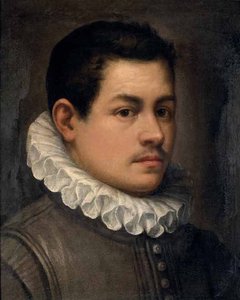
1560–1609, Italija
Annibale Carracci
Zgodnje življenje in Bolognski korenini Annibale Carracci, rojen v Bologni 3. novembra 1560, je izhajal iz družine globoko ukoreninjene v umetnostni tradiciji. Njegovo zgodnje usposabljanje se je verjetno odvijalo v negovalnem okolju družinske delavnice, ki je postavilo temelje za kariero, ki bi korenito spremenila pokrajino italijanskega slikarstva. Bologna je bila v tem času živahno središče intelektualnega in umetniškega fermenta, vendar se je nekako oddaljila od prevladujočih tokov iz Rima in Benetk.
O umetniku Annibale Carracci Znomeni dela umetnika Annibale Carracci
Tudi dela avtorja Annibale Carracci
 Solastni jedočas
 Heraklov izbor
 Zgodnje življenje in bolonjske korenine
Annibale Carracci, rojen v Bologni 3. novembra 1560, je izviral iz družine, globoko zakoranjene v umetnostnem okolju. Njegovo začetno usposabljanje se je verjetno odvijalo v gojilnem okolju njegove družinske delavn1596
 Rečna krajina1589
Eseji o delu Triptych
 The Architecture of Divinity: Tracing the Evolution of Angelic Iconography in Renaissance ArtExplore the evolution of angelic iconography from early Christian art to the Baroque. Trace the divine history with our expert analysis.
 25 Masterpieces by Sir Anthony van Dyck: The King of Baroque PortraitureStep into the elegance of the Baroque era with our curated guide to Sir Anthony van Dyck's top 25 masterpieces. Explore royal portraits and…
 Caravaggism and Bolognese Classicism: Two Paths of the BaroqueMaster the differences between Caravaggism and Bolognese Classicism. Explore the dramatic tension of the Baroque era now.