

 Preverite v realnem okolju
 Pošlji kot čestitko
 Deli
Deli
 Podrobnosti
 Priročnik

 Prenesi
 Podobni artefakti
 Rentgenski posnetek
 Predvajaj diaporama
 Statistika
The Lighthouse at Collioure


 Preberi več
Ročno izdelana oljna reprodukcija
Ročno slikano olje na platnu v vaši izbiri velikosti in okvirja, izdelano po naročilu naših umetnikov. ( Preklop na tiskanine Preklop na digitalno sliko)




P118B €10

P118H €10

P118W €10

P438Z €10

P508JH €12

P508YH €12

P805H €10

P805Z €10

P919BZ €10

P919G €10

P919XJ €10

P959ZH €10

P968JZ €12

W106C €8

W218G €10

W218JH €8

W218Y €10

W307PJ €10

W316G €10

W316PJ €8

W316Y €10

W398PJ €8

W4111J €10

W500HY €15

W500JH €15

W692G €12

W849H €8

W940BG €15

W953PJ €8




Izberite eno od naših vnaprej določenih velikosti, ki ustrezajo prvotnim proporcijam umetničkega dela.

Type the width and the height you need, to fit your frame or your wall. This is hand-painted, so for a size with a different shape the artist can paint a bit more around the picture, or cut a bit — you choose. We send you a digital mockup to approve before the painting starts. The picture shown on this page does not show the real result — only the mockup does.
Po oddaji naročila bo ekipa OriginalUniqueArt.com stranki po e-pošti poslala navodila in predogled digitalnega predogleda.
Mednarodna dostava () v 3/4 tednih namesto običajnih 5 tednov. (14 oktober). Brez kompromisov pri kakovosti.

Brezplačna ekspresna dostava po vsem svetu

Visokokakovostno laneno platno

Popolno zavarovanje pošiljke

Garancija povračila carine in uvoznih davkov

Garancija popolnega barvnega ujemanja

Politika vračila v 100 dneh (le v primeru okvar)

Garancija 100% povračila denarja

Popust pri večjem naročilu
 Možnost stekla je na voljo le za velikosti pod 110 cm

The Lighthouse at Collioure
Tehnika reprodukcije
Velikost reprodukcije
-


Skupna cena
€ 260
The Lighthouse at Collioure: A Fauvist Symphony of Light and Emotion
André Derain’s “The Lighthouse at Collioure,” painted in 1905, isn't merely a depiction of a coastal scene; it’s an immersive experience—a vibrant explosion of color and movement that encapsulates the heart of the Fauvist movement. Housed within the Musée d’art Moderne de la Ville de Paris, this oil on canvas transports the viewer to the picturesque harbor village of Collioure in southern France, capturing not just a landscape but also a fleeting moment of intense feeling. The painting immediately assaults the senses with its audacious palette: searing yellows and oranges dominate the sky and buildings, juxtaposed against deep ultramarine blues and greens of the sea and surrounding vegetation. This deliberate departure from naturalistic color was a defining characteristic of Fauvism – a rebellion against academic tradition where color served not to represent reality but to express emotion directly.
Derain’s technique is equally striking. He employs loose, expressive brushstrokes, applying paint with a visible and energetic hand. The forms are simplified and flattened, prioritizing the impact of color and light over meticulous detail. Notice how he uses broken color—small dabs of contrasting hues layered upon each other—to create shimmering effects on the water and to suggest the play of sunlight. This technique, combined with his use of bold outlines, contributes to a sense of dynamism and immediacy, as if the scene is constantly shifting and evolving before our eyes. The lighthouse itself, rendered in stark white against the vibrant backdrop, acts as a focal point, drawing the viewer’s gaze into the heart of the composition.
A Window into Fauvism's Soul
To understand “The Lighthouse at Collioure,” it’s crucial to grasp the context of its creation. The late 1890s and early 1900s witnessed a profound shift in artistic sensibilities, fueled by advancements in color theory and a growing dissatisfaction with the constraints of academic art. Derain, along with Henri Matisse, spearheaded the Fauvist movement – a short-lived but hugely influential period characterized by its unrestrained use of color, often divorced from naturalistic representation. The term “Fauves” (wild beasts) was initially applied derisively by critic Louis Vauxcelles, reflecting the critics’ perception of the artists' work as chaotic and primitive. However, the Fauves embraced this label, recognizing it as a badge of rebellion against established artistic norms.
The painting reflects the Fauvist fascination with light and atmosphere. Derain wasn’t simply recording what he saw; he was attempting to capture the *feeling* of being present in that particular moment – the warmth of the sun, the freshness of the sea air, the vibrant energy of the harbor. The inclusion of multiple smaller lighthouses scattered throughout the scene adds a layer of complexity and reinforces this sense of movement and visual richness. The composition itself is deliberately unbalanced, creating a dynamic tension that mirrors the emotional intensity of the subject matter.
Symbolism and Emotional Resonance
Beyond its purely aesthetic qualities, “The Lighthouse at Collioure” carries significant symbolic weight. The lighthouse, a traditional symbol of guidance and safety, can be interpreted as representing hope and stability amidst the chaos of life. Its stark white form stands in contrast to the swirling colors of the surrounding landscape, suggesting a desire for clarity and direction. The harbor itself, with its bustling activity and diverse elements – boats, buildings, people – embodies the complexities and contradictions of human experience. The painting’s overall mood is one of joyful exuberance tempered by a subtle undercurrent of melancholy—a recognition that even in moments of beauty and vibrancy, there exists an underlying sense of transience.
The choice of Collioure as the setting for this pivotal work is also noteworthy. The village, with its distinctive architecture and stunning coastal scenery, provided Derain with a perfect canvas for his artistic experiments. It was a place where he could freely explore color and form without the constraints of traditional expectations. “The Lighthouse at Collioure” remains a powerful testament to Derain’s genius—a vibrant celebration of light, color, and emotion that continues to captivate viewers over a century later.
Vprašanja in odgovori
Koliko je bil André Derain star ob ustvarjanju dela "The Lighthouse at Collioure" leta 1905?
André Derain je bil/a star/a 25 let, ko je ustvaril/a "The Lighthouse at Collioure" leta 1905. Starost je izračunana na podlagi leta rojstva umetnika, 1880.
Katera paleta in katera prevladujoča barva definirata "The Lighthouse at Collioure"?
Barvna identiteta dela "The Lighthouse at Collioure" avtorja André Derain: paleta Earthy, ki prevladuje z barvo Orange (#e8a716).
Ali lahko "The Lighthouse at Collioure" avtorja André Derain vidim pod drugačnimi svetlobami?
X-ray pogled dela "The Lighthouse at Collioure" avtorja André Derain je na strani Rentgenski pregled umetninine: interaktivno raziskovanje slike skozi enajst optičnih slojev.
Biografija umetnika
Zgodnje življenje in seme fauvizma
André Derain, rojen leta 1880 v očarljivi vasici Chatou blizu Pariza, ni bil usojen življenju, potopljenemu v barve in platna. Nasprotno nekaterim pripovedem o takojšnjem umetniškem prebujenju ob srečanju s kolegi slikarji kot sta Vlaminck ali Matisse, se je Derain na umetniško pot podal samostojno okoli leta 1895. Ti zgodnji koraki so bili pogosto spremljani z očetom Jacominom in njegovimi sinovi med izleti na podeželje – pomembna izkušnja, ki mu je vcepila globoko spoštovanje do naravnega sveta. Kratek čas se je posvetil študiju tehnike na Académie Camillo leta 1898, kjer je usodno srečal Henrija Matissea in sprožil ključno umetniško partnerstvo. Nadaljnji študij pri Eugènu Carrièru mu je izpilil temeljne veščine, a ga je vojaška služba med letoma 1901 in 1904 začasno prekinila v razcvetu kariere. Ob vrnitvi se je, prepričan z neomajno vero Matissea, odločno odpovedal tehniki in se v celoti posvetil slikanju ter nadaljeval izobraževanje na Académie Julian. Ta odločitev je pomenila prelomnico, ki ga je popeljala k temu, da postane osrednja figura enega najrevolucionarnejših gibanj moderne umetnosti.Eksploziven rojstev barve: Fauvizem
Poletje leta 1905 se je izkazalo za eksplozivno za Deraina in Matissea, ko sta sodelovala v sončno obsijani obalni vasici Collioure. To obdobje je rodilo dela kot je “Gore pri Collioureu”, ki so bila zaznamovana z radikalnim odstopom od realistične barve. Pokrajine niso bile le upodobitve krajev, temveč izrazi občutkov, prikazani z intenzivnimi, nenaravnimi odtenki. Ko so njihova dela razstavili na Salon d'Automne istega leta, so sprožili ogorčenje in presenečenje. Kritik Louis Vauxcelles jih je slavno poimenoval “Les Fauves” – divje zveri – ime, ki ga sprva niso sprejeli, a so ga kasneje prevzeli. Derainov prispevek k temu gibanju ni bil le stilističen; imel je edinstveno sposobnost pretvoriti čustveno intenzivnost v čisto barvo. Leta 1906 ga je Ambroise Vollard naročil, naj naslika London, kar je povzročilo serijo osupljivih platna, ki prikazujejo Temzo in Tower Bridge. To niso bili običajni prizori mesta; to so bile drzne interpretacije, ki so ujemale energijo in vzdušje Londona skozi nekonvencionalen objektiv – dokaz Derainove inovativne vizije. Pod vplivom umetnikov kot sta Van Gogh in Cézanne je premikal meje barve in oblike ter utiral pot prihodnjim generacijam ekspresionističnih slikarjev.Onkraj fauvizma: Spreminjajoča se estetika
Začetni zanos fauvizma ni definirala celotne umetniške poti Deraina. Okoli leta 1907 se je njegov slog začel bistveno razvijati, odhajal stran od neomejene kromatske bujnosti k bolj umirjenim tonom in povečanemu poudarku na obliki. To obdobje, pogosto imenovano njegova “gotska” faza (1911-1914), je odražalo naraščajoče zanimanje za strukturo in kompozicijo. Potopil se je v študij starih mojstrov, vključeval elemente kubizma, hkrati pa iskal navdih v klasičnih oblikah. To ni bilo zavrnitev njegovega prejšnjega dela, temveč razširitev njegovega umetniškega besedišča. Derainova vsestranskost se je raztezala onkraj slikanja; leta 1919 je zasnoval balet “La Boutique Fantasque” za Sergeja Djagileva’s Ballets Russes, kar je dokazalo njegovo sposobnost gledališke zasnove in dodatno prikazalo njegove različne talente. Ključna dela iz tega obdobja, kot sta "Harlequin in Pierrot" ter monumentalna freska "Povratek Odiseja", ponazarjajo to stilistično spremembo – premik k bolj nadzorovanemu in intelektualno strogemu pristopu k umetniškemu ustvarjanju.Zapuščina in kompleksnosti
Mesto Andréa Deraina v zgodovini umetnosti je zavarovano kot soustanovitelja fauvizma, gibanja, ki je za vedno spremenilo potek modernega slikanja. Njegova edinstvena vizija Londona, ujeta na njegovih živahnih platnih, je ponudila svež pogled na ikonično mesto. Po prvi svetovni vojni je dobil ponovno priznanje za svoj prispevek k oživitvi klasicizma in dokazal svojo prilagodljivost in trajno umetniško relevantnost. Vendar pa je bilo Derainovo pozno življenje zaznamovano s kontroverzami. Njegova prisotnost v Nemčiji med drugo svetovno vojno je povzročila kritiko, kar je po vojni vodilo do izključenosti nekaterih nekdanjih podpornikov. Kljub tej senci njegov vpliv na naslednje generacije umetnikov ostaja nesporna. Umrl je leta 1954 in za seboj pustil delo, ki še naprej očara in navdušuje. *Njegova zapuščina ni le ena drznih barv in ekspresivnih potez, temveč tudi umetnika, ki se je nenehno izzival, raziskoval nove poti izražanja in pustil neizbrisen pečat na pokrajini moderne umetnosti.* Njegova pot nas opominja, da prava umetnost ne leži v držanju enega sloga, temveč v neskončni iskanju ustvarjalne resnice.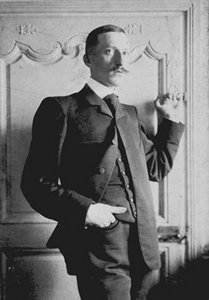
André Derain
1880 - 1954 , Francija
Ključne informacije
- Datum Rojstva: 10. junij 1880
- Datum Smrti: 8. september 1954
- Državljanstvo: Francoz
- Kraj Rojstva: Chatou, Francija
- Polno Ime: André Derain
- Pomembna Dela:
- Gore v Collioure
- Harlekin in Pierrot
- Umetniki Pod Vplivom:
- Matisse
- Kubizem
- Umetniški Smer: Fovizem, Kubizem
- Vplivi Umetnikov:
- Van Gogh
- Cézanne
Sorodni članki
André Derain: Fauvism's Bold Visionary & the Evolution of Modern Color
Explore the revolutionary art of André Derain, co-founder of Fauvism. Discover his bold use of color, evolution from radical expressionism to classicism, and lasting influence on modern art history. Learn more at OriginalUniqueArt.

The Gilded Age Reimagined: Exploring the Aesthetic Principles & Enduring Legacy of Art Deco
Explore the captivating world of Art Deco! Discover its origins, defining features, cultural impact & enduring legacy. Expert insights for collectors and design enthusiasts. Shop handmade reproductions at OriginalUniqueArt.
Fovizem: 10 mojstrovin, ki so definirale umetnostno gibanje
Odkrijte 10 mojstrovin fovizma – Matisse, Derain & več! Raziskujte izrazito barvo in umetniške tehnike, ki so definirale to revolucionarno umetnostno gibanje. Najdite navdih za notranji dizajn in vrhunske reprodukcije slik na OriginalUniqueArt.com!

Impressionism's Masterpieces: 10 Paintings That Defined a Movement | OriginalUniqueArt
Journey through Impressionism's heart with 10 iconic paintings by Monet, Renoir & Degas. Explore light, color & the stories behind these masterpieces. Find museum-quality art reproductions and elevate your home decor on OriginalUniqueArt.com.
Fauvism's Boldest Visions: 10 Masterpieces That Revolutionized Modern Art | OriginalUniqueArt
Explore 10 Fauvist masterpieces by Matisse, Derain & Vlaminck that ignited Modern Art! Discover bold colors, expressionist landscapes & the history of this revolutionary movement. Find museum-quality prints at OriginalUniqueArt.com.

