

 Predogled
 Pošlji
 Deli
Deli
 Podrobnosti o delu

 Prenesi
 Podobni izdelki
 Rentgenski posnetek
 Predvajaj diaporama
Napoleon III and Empress Eugenie
 Acrylic
- WallArt
 1865
1865 10.0 x 6.0 cm
 Science Museum
 Razviljaj več
Giclée tisk / Umetniški tisk
Giclée ali platnati odtis muzejske kakovosti z hitro proizvodnjo in prilagodljivimi možnostmi končne obdelave. ( Kupi ročno naslikano sliko Kupi digitalno sliko)




P118B $10

P118H $10

P118W $10

P438Z $10

P508JH $12

P508YH $12

P805H $10

P805Z $10

P919BZ $10

P919G $10

P919XJ $10

P959ZH $10

P968JZ $12

W106C $8

W218G $10

W218JH $8

W218Y $10

W307PJ $10

W316G $10

W316PJ $8

W316Y $10

W398PJ $8

W4111J $10

W500HY $15

W500JH $15

W692G $12

W849H $8

W940BG $15

W953PJ $8




Izberite eno od naših vnaprej določenih velikosti, ki ustrezajo prvotnim proporcijam umetničkega dela.

Svoje dimenzije lahko vnesete sami, da bodo ustrezne za določen okvir ali prostor. Če izbrana velikost ne bo skladna z razmerji izvirne slike, bomo umetniško delo orezali ali podaljšali s pomočjo ogledalnega odraza ali barvno polnega roba. Pred začetkom proizvodnje vam bomo poslali digitalni predogled za potrditev.
Upoštevajte, da predogled na zaslonu ne prikazuje dejanskega orezovanja ali podaljševanja. Le digitalni predogled bo natančno prikazal končno kompozicijo.
Čeprav so na voljo prilagojene velikosti, priporočamo izbiro dimenzije s predhodno določenega seznama, da ohranite prvotna razmerja.
Globalna dostava () v 2 tednih namesto standardnih 4/5 tednov. (31 avgust)

Brezplačna ekspresna dostava po vsem svetu

Visokokakovostno laneno platno

Popolno zavarovanje pošiljke

Garancija povračila carine in uvoznih davkov

Garancija popolnega ujemanja barv

60-dnevna politika vračanja (le v primeru napak)

Garancija 100% povračila denarja

Popust pri večjem naročilu
 Možnost stekla je na voljo le za velikosti pod 110 cm

Napoleon III and Empress Eugenie
Giclée tisk / Umetniški tisk
Velikost reprodukcije
-


Skupna končna cena
$ 80
A Glimpse of Imperial Grandeur: Disdéri’s Napoleon III and Empress Eugénie
André-Adolphe-Eugène Disdéri's photograph, “Napoleon III and Empress Eugenie,” isn’t merely a portrait; it’s a meticulously constructed tableau vivant—a frozen moment capturing the opulent heart of 19th-century France. Executed around 1865, this carte de visite offers an intimate yet undeniably staged view of Emperor Napoleon III and his celebrated wife, Empress Eugénie. Disdéri, a pioneer in photographic portraiture, elevates the humble snapshot into a miniature masterpiece, employing techniques that speak to both his technical skill and his keen understanding of visual storytelling.
The image immediately draws the eye to the couple’s formal poses within a richly appointed studio setting. Napoleon III, clad in a meticulously tailored morning frock coat adorned with a top hat and a jaunty walking stick, exudes an air of dignified authority. His gaze is direct, projecting a sense of command and imperial presence. Across from him stands Empress Eugénie, a vision of Belle Époque elegance. She’s draped in a voluminous bustled skirt and a luxurious shawl, her posture radiating grace and poise. The careful arrangement of their clothing—the deep blues and golds against the muted background—underscores the wealth and power that defined their reign.
The Innovation of the Carte de Visite and Disdéri’s Photographic Alchemy
Disdéri's genius lay not just in his artistic eye but also in his revolutionary approach to photography. He was instrumental in popularizing the carte de visite, a small format photograph mounted on cardstock—a format that quickly became the preferred method for personal portraits and correspondence. His invention of a system for mass-producing these cards dramatically lowered their cost and increased their accessibility, transforming portraiture from an exclusive luxury into a widely enjoyed pastime. This photograph exemplifies his mastery of this new medium; it’s a testament to his ability to capture not just likenesses but also the essence of personality within a limited space.
Technically, Disdéri employed a sophisticated four-lens camera—a rarity at the time—which allowed for sharper focus and greater detail. The albumen print process, utilizing egg whites as a binding agent for the silver nitrate, produced a remarkably detailed and tonally rich image. Note the subtle gradations of light and shadow, the delicate texture of Napoleon’s coat, and the shimmering quality of Eugénie's shawl—all achieved through meticulous attention to detail and masterful control over the photographic process.
Symbolism and the Imperial Narrative
Beyond its technical brilliance, the photograph is laden with symbolic meaning. The formal poses, the luxurious attire, and the carefully chosen setting all contribute to a narrative of imperial power and aristocratic refinement. Napoleon III’s stance conveys authority and leadership, while Eugénie's elegant demeanor embodies the ideal of feminine grace and beauty—qualities highly valued within the French court. The studio itself, with its rich fabrics and ornate details, reinforces the image of wealth and privilege.
Furthermore, the carte de visite format—small enough to be slipped into a pocket or attached to a letter—suggests that these portraits were intended not just as visual representations but also as tokens of social connection. They served as miniature keepsakes, allowing individuals to share images of themselves and their loved ones with friends and acquaintances. Disdéri’s photograph, therefore, becomes a window into the social customs and cultural values of 19th-century France—a time of rapid industrialization, imperial expansion, and unprecedented artistic innovation.
A Timeless Portrait of Power and Elegance
“Napoleon III and Empress Eugénie” remains a captivating image today, not only for its technical merit but also for its ability to transport us back in time. It’s a poignant reminder of the grandeur and drama of the Second Empire—a period marked by both remarkable progress and profound social inequalities. Reproductions of this iconic photograph offer an opportunity to appreciate Disdéri's artistry and gain insight into the lives of two of France’s most influential figures, capturing a fleeting moment of imperial splendor that continues to resonate with viewers centuries later.
Biografija umetnika
André-Adolphe-Eugène Disdéri: Pioneer of Portrait Photography
Early Life and Career
André-Adolphe-Eugène Disdéri was a French photographer born in Paris in 1819. His early life wasn’t solely dedicated to art; he initially pursued various occupations while simultaneously studying artistic disciplines. This diverse background likely contributed to his innovative approach later in life. He began his journey into photography around 1848 or 1849, starting as a daguerreotypist in Brest, France. A subsequent move to Nîmes saw him collaborating with Édouard Boyer and Joseph Jean Pierre Laurent, benefiting from their expertise in the chemical processes crucial to early photography.
The Carte de Visite Revolution
Disdéri’s name is inextricably linked with the carte de visite, a small photograph mounted on a card. In 1854, he patented a system for printing ten photographs onto a single sheet, effectively creating the first commercially viable carte de visite production method. This was a pivotal moment in photographic history. Prior to this, photography was largely reserved for the wealthy due to its cost and complexity. Disdéri’s innovation dramatically reduced costs, making portraiture accessible to a much wider audience.
- His cartes de visite measured approximately 6x9 cm – conveniently sized like traditional visiting cards.
- Disdéri's studio in Paris quickly became renowned as a “temple of photography,” producing thousands of portraits daily.
Artistic Development and Innovations
Beyond the carte de visite, Disdéri was a technical innovator. He invented the twin-lens reflex camera, a significant advancement in photographic technology that allowed photographers to see precisely what would be captured in the image. This invention further refined the art of photography and contributed to its growing popularity.
Major Achievements and Influence
Disdéri’s impact on 19th-century portraiture was immense. His work effectively displaced the daguerreotype as the dominant form of photographic portraiture, ushering in a “carte de visite craze” that swept across Europe and the United States. He captured portraits of numerous prominent figures, including Napoleon III and Empress Eugenie, solidifying his reputation and influence.
Later Years and Legacy
The later years of Disdéri’s life were marked by a decline in fortune. Following the Paris Commune of 1871, he documented images of deceased Communards – a somber task that perhaps reflected the changing political climate. Despite his earlier wealth and fame, he died penniless on October 4, 1889, at the Hôpital Ste. Anne in Paris. Nevertheless, his legacy as a pioneer of accessible portraiture remains secure. He fundamentally changed how people documented themselves and their loved ones, leaving an indelible mark on photographic history.

andré-adolphe-eugène disdéri
1819 - 1889 , France
Hitri podatki
- Birth Date: 1819
- Birth Place: Paris, France
- Death Date: 1889
- Movement: Photography
- Name: André-Adolphe-Eugène Disdéri
- Nationality: French
- Notable Works:
- Carte de Visite
- Twin-lens Reflex Camera
Sorodni članki

Monochrome Visions: Exploring the Aesthetic & Historical Significance of Black & White Photography
Explore the rich history & artistic power of black and white photography. From early techniques to iconic masters like Ansel Adams, discover why monochrome continues to captivate art lovers today. Expert insights for collectors.

Beyond the Lens: Photography's Enduring Influence on Modern & Contemporary Art
Explore photography's pivotal role in shaping modern & contemporary art. Discover key movements, influential artists like Stieglitz, and expert collecting advice from OriginalUniqueArt.

Pictorialism: A Search for Artistic Photography's Soul – Aesthetics, Techniques & Legacy
Explore the captivating world of Pictorialism – a pivotal movement that transformed photography into fine art. Discover key artists like Stieglitz & Käsebier, techniques, and collecting tips from experts.

The Lens of Truth: A Comprehensive History and Legacy of Documentary Photography
Explore the profound history of documentary photography. From early daguerreotypes to social reform movements, discover how the lens captures truth, preserves vanishing cultures, and shapes our global visual narrative through an expert art-historical lens.
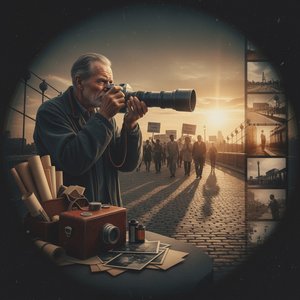
Witnessing History Through Lens & Light: Documentary Photography's Enduring Legacy
Explore the powerful history of documentary photography – from its origins to contemporary masters like Gordon Parks & W. Eugene Smith. Discover how this art form shapes our understanding of society and witness pivotal moments in time.

