

 Preverite v realnem okolju
 Pošlji kot čestitko
 Deli
Deli
 Podrobnosti
 Priročnik

 Prenesi
 Podobni artefakti
 Rentgenski posnetek
 Predvajaj diaporama
 Statistika
Flora Macdonald
 Oil On Canvas
- WallArt
- Rococo Portraiture
 1749
1749 74.0 x 61.0 cm
 Muzej umetnosti in arheologije Ashmolean
 Preberi več
Ročno izdelana oljna reprodukcija
Ročno slikano olje na platnu v vaši izbiri velikosti in okvirja, izdelano po naročilu naših umetnikov. ( Preklop na tiskanine Preklop na digitalno sliko)




P118B €10

P118H €10

P118W €10

P438Z €10

P508JH €12

P508YH €12

P805H €10

P805Z €10

P919BZ €10

P919G €10

P919XJ €10

P959ZH €10

P968JZ €12

W106C €8

W218G €10

W218JH €8

W218Y €10

W307PJ €10

W316G €10

W316PJ €8

W316Y €10

W398PJ €8

W4111J €10

W500HY €15

W500JH €15

W692G €12

W849H €8

W940BG €15

W953PJ €8




Izberite eno od naših vnaprej določenih velikosti, ki ustrezajo prvotnim proporcijam umetničkega dela.

Vnesite širino in višino, ki jih potrebujete, da se slika prilega vašemu okviru ali steni. Ker je delo ročno slikano, lahko umetnik pri različnih oblikih slik pri robovih doda malo več barve ali pa jih malo odreže — izberite sami. Pred začetkom slikanja vam pošljemo digitalni predogled za potrditev. Slika, prikazana na tej strani, ni končni rezultat — le predogled prikazuje dejansko podobo.
Po oddaji naročila bo ekipa OriginalUniqueArt.com stranki po e-pošti poslala navodila in predogled digitalnega predogleda.
Mednarodna dostava () v 3/4 tednih namesto običajnih 5 tednov. (21 oktober). Brez kompromisov pri kakovosti.

Brezplačna ekspresna dostava po vsem svetu

Visokokakovostno laneno platno

Popolno zavarovanje pošiljke

Garancija povračila carine in uvoznih davkov

Garancija popolnega barvnega ujemanja

Politika vračila v 100 dneh (le v primeru okvar)

Garancija 100% povračila denarja

Popust pri večjem naročilu
 Možnost stekla je na voljo le za velikosti pod 110 cm

Flora Macdonald
Tehnika reprodukcije
Velikost reprodukcije
-


Skupna cena
€ 262
Flora Macdonald: A Portrait of Courage and Resilience
Allan Ramsay’s “Flora Macdonald,” painted in 1749, is more than just a likeness; it's a potent distillation of Scottish history, embodying the spirit of rebellion and the quiet heroism of an ordinary woman thrust into extraordinary circumstances. Housed within the Ashmolean Museum’s collection in Oxford, this oil on canvas portrait captures a pivotal moment – the clandestine assistance offered to Charles Edward Stuart after the devastating Battle of Culloden, a scene that has resonated through generations.
Ramsay, a master of capturing both aristocratic elegance and subtle emotion, skillfully portrays Flora as a young woman of striking composure. Her fair skin and dark hair are rendered with meticulous detail, styled in an updo indicative of the late 18th century’s fashion trends. The neutral expression on her face—a slight parting of her lips suggesting either a recent utterance or a thoughtful pause—allows the viewer to project their own interpretations onto her demeanor. The carefully chosen attire – a blue dress with a high collar and puffy sleeves, complemented by a vibrant red plaid shawl draped over her shoulder – speaks volumes about her social standing and adds a touch of warmth to the otherwise formal composition.
A Dramatic Narrative in Paint
The painting’s power lies not just in its technical brilliance but also in the narrative it conveys. The red plaid, instantly recognizable as associated with Clan MacDonald, immediately anchors Flora within her Highland heritage and subtly hints at the turbulent events surrounding her. Crucially, she holds a small bouquet of white and pink blooms – flowers often symbolizing purity, remembrance, and even sacrifice – suggesting both her role in protecting the Prince and the poignant cost of his ambition. The placement of her hand resting on what appears to be a chair or bench subtly conveys a sense of weary strength, hinting at the burdens she carried.
The dark background, punctuated by subtle hints of foliage, serves to isolate Flora as the central figure, amplifying her importance within the scene. Ramsay’s use of light is particularly noteworthy; it's soft and diffused, casting gentle shadows that add depth and dimension to the portrait, creating a sense of intimacy and drawing the viewer into Flora’s world.
Historical Context: A Heroine Forged in Rebellion
Flora Macdonald’s story is inextricably linked to the Jacobite rising of 1745. Following Culloden, she risked her life to help Charles Edward Stuart, the exiled heir to the throne, evade capture by government forces. Her bravery and resourcefulness – transporting the Prince disguised as a maidservant across the Highlands – became legendary, cementing her place in Scottish folklore. The painting captures this pivotal moment of defiance against overwhelming odds, transforming a simple Highland woman into a symbol of resistance.
It’s important to note that the portrait's attribution has been debated over time; initially believed to be Flora Macdonald, it is now widely considered to be a generic representation of a lady. However, its enduring popularity and association with the iconic story of her bravery ensure its continued significance within the art historical canon.
Symbolism and Emotional Resonance
Beyond the factual details of the Jacobite uprising, “Flora Macdonald” resonates deeply due to its exploration of themes such as courage, loyalty, and sacrifice. Flora’s quiet dignity and resolute expression speak volumes about her inner strength and unwavering commitment to a cause greater than herself. The painting invites contemplation on the complexities of historical events and the often-unrecognized heroism found in ordinary individuals. It's a powerful reminder that even in times of great upheaval, acts of kindness and bravery can leave an indelible mark on history – and on our collective imagination.
Vprašanja in odgovori
Kakšno zasičenost in intenzivnost prikazuje "Flora Macdonald" avtorja Allan Ramsay?
Barve dela "Flora Macdonald" avtorja Allan Ramsay prikazujejo Muted zasičenost z intenzivnostjo Monochromatic.
Kako je opisan barvni spekter dela "Flora Macdonald" avtorja Allan Ramsay?
"Flora Macdonald" avtorja Allan Ramsay uporablja Earthy barvno paleto. Paleta povzema splošni barvni značaj dela.
Ali lahko "Flora Macdonald" ogledam kot diaporama v celotnem zaslonu?
Delo "Flora Macdonald" avtorja Allan Ramsay si lahko ogledate v obliki diaporame na strani Diaporama za to umetniško delo.
Biografija umetnika
Allan Ramsay: Življenje polno elegance in umetniškega izražanja
Rojen v Edinburghu na Škotskem 13. oktobra 1713, je Allan Ramsay postal eden najpomembnejših škotskih portretistov, katerega dela so ujela eleganco in prefinjenost njegove dobe. Njegova umetniška pot se je začela pri dvajsetih letih s potovanjem v London, kjer se je učil pod vodstvom švedskega slikarja Hansa Hysinga, sledilo pa mu je poučevanje na St. Martin's Lane Academy. Ta temeljna izobrazba mu je zagotovila trdno osnovo tehnike in kompozicije.
Vplivi Italije in umetniški razvoj
Pomemben prelom v Ramsayjevem umetniškem razvoju so bila potovanja v Rim in Neapelj, kjer je tri leta (1736-1738) delal pod mentorstvom Francesca Solimene in Imperiali (Francesca Fernandija). Ti italijanski mojstri so globoko vplivali na njegov slog, spodbudili globlje razumevanje klasičnih načel in izboljšali njegove spretnosti pri ujemanju videza in značaja. Absorbiral je prevladujočo rokoko estetiko, hkrati pa razvil spoštovanje do neoklasicističnih idealov.
Razcvet kariere in pomembna dela
Po vrnitvi v Veliko Britanijo leta 1738 je Ramsay hitro uveljavil uspešno kariero portretista. Njegova sposobnost, da svoje subjekte upodobi z natančnostjo in gracioznostjo, mu je kmalu prinesla ugledno stransko bazo. Med njegova najbolj znana dela spadajo:
- Kraljica Charlotte (1744-1818) s starejšima sinovoma (Royal Collection, London): Kraljevska upodobitev, ki prikazuje materinsko prisotnost kraljice.
- Mary Degg, Lady Robert Manners (Scottish National Gallery, Edinburgh): Eleganten portret, ki dokazuje Ramsayjevo spretnost pri ujemanju aristokratske lepote.
- Glava Duncana Forbesa iz Cullodena: To zgodnje delo mu je pritegnilo pozornost vojvode Argylla in ga kasneje predstavili na bankovcih Royal Bank of Scotland.
Kraljeva služba in vrhunski uspeh
Pomemben trenutek v Ramsayjevi karieri je bil leta 1761, ko je bil imenovan za glavnega slikarja kralja Georgea III. Ta prestižna pozicija je utrdila njegov status med umetniško elito in zagotovila stalen tok naročil od kraljeve družine in visokega društva. Postal je *portretist* georgijanske dobe.
Poznejše življenje in zapuščina
Ramsayjevo poznejše življenje je zaznamovalo preusmeritev k literarnim prizadevanjem, kar odraža njegovo široko intelektualno zanimanje. Osebne tragedije – nenamerna izpah desne roke in smrt druge žene leta 1782 – so vplivale na njegovo zdravje in produktivnost. Umrl je leta 1784.
Kljub tem težavam je Ramsay za seboj pustil trajno zapuščino kot eden najbolj priznanih škotskih portretistov. Kot je ugotovil Samuel Johnson, “Ljubim Ramsaya. Ne boste našli človeka v njegovem pogovoru več pouka, informacij in elegance kot v Ramsayjevem.” Njegova dela so še danes občudovana zaradi svoje tehnične spretnosti, prefinjene estetike in vpoglednih upodobitev družbe 18. stoletja.
Zgodovinski pomen
Ramsayjev prispevek sega onkraj njegove umetniške nadarjenosti. Pomembno je vplival na oblikovanje vizualne kulture Škotske v obdobju pomembnih družbenih in političnih sprememb. Njegovi portreti ponujajo dragocene vpoglede v življenje, modo in vrednote škotske plemičev in gospode. Njegova dela je mogoče najti na lokacijah, kot sta mestna dvorana Ayr in Škotska nacionalna portretna galerija.
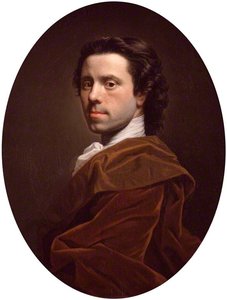
Allan Ramsay
1713 - 1784 , Združeno kraljestvo
Ključne informacije
- Datum Rojstva: 13. oktober 1713
- Datum Smrti: 1784
- Državljanstvo: Škot
- Kraj Rojstva: Edinburgh, Združeno kraljestvo
- Polno Ime: Allan Ramsay
- Pomembna Dela:
- Portret Charlotte
- Mary Degg
- Forbes of Culloden
- Umetniški Slog: Rokoko, Neoklasicizem
- Vplivi Umetnikov:
- Hans Hysing
- Solimena
- Imperiali
Sorodni članki
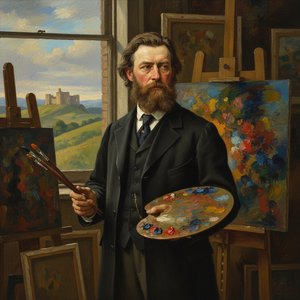
George Paul Chalmers: Rediscovering the Angus Rembrandt & Scottish Colourist Roots
Explore the captivating world of George Paul Chalmers (1833-1878), a pivotal Scottish painter. Discover his landscapes, portraits & connection to the Aesthetic Movement and Colourists. Learn about this 'Angus Rembrandt's' legacy with OriginalUniqueArt.
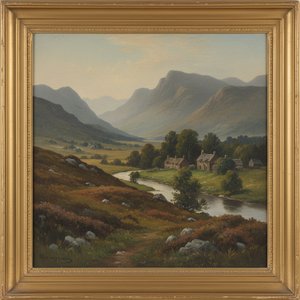
Sir John Watson Gordon: A Study in Scottish Landscape Painting & Tonal Impressionism
Explore the captivating portraits of Sir John Watson Gordon, a leading Scottish master. Discover his evolution from neoclassical style to atmospheric Tonalism and influence on 19th-century British art. Learn about his iconic sitters & legacy.

James Giles: Capturing Scottish Life Through the Lens of British Realism
Explore the life & work of James Giles (1801-1870), a master of Scottish landscape painting and favored artist of Queen Victoria. Discover his atmospheric realism & royal commissions.
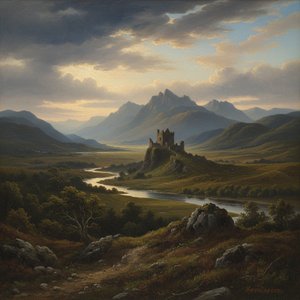
Alexander Nasmyth: Picturing Scotland's Romantic Landscape – Innovation & Identity
Explore the life & art of Alexander Nasmyth, a pivotal figure in Scottish Romantic landscape painting. Discover his iconic works, including portraits of Robert Burns, and learn about his lasting influence on national identity. Fine art reproductions available.

Allen Ramsay: Portraiture, Patronage & Shaping Georgian Identity
Explore the life & work of Allen Ramsay, pivotal portraitist to George III. Discover his Rococo style, influence on Georgian society, and lasting legacy in British art history. Learn about his key works & patronage.