 Predogled v realnem okolju
 Pošlji
 Deli
Deli
 Podrobnosti o delu
 Priročnik

 Prenesi sliko
 Podobni izdelki
 Rentgenski posnetek
 Predvajaj diaporama
 Q&A
Q&A Statistika
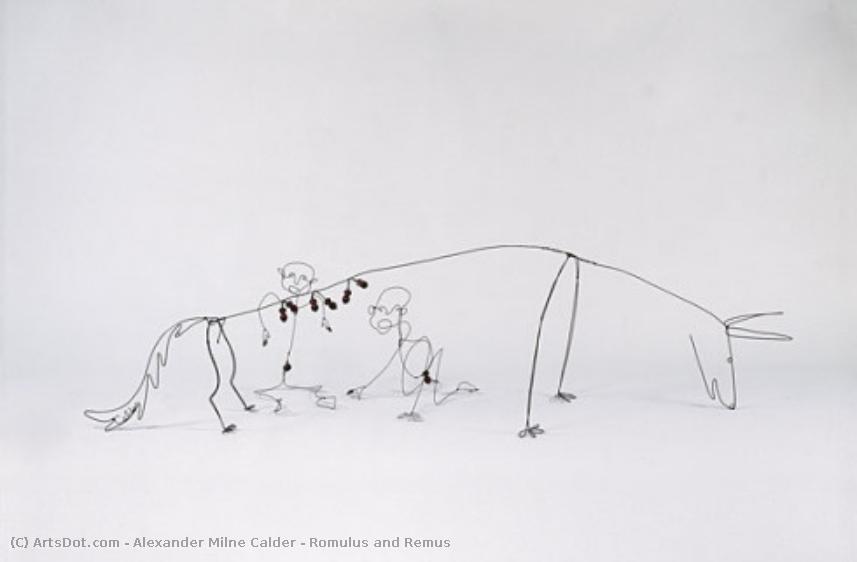
Romulus and Remus


 Preberi več
Umetniška dela, prikazana na tej strani, so zaščitena z avtorskimi pravicami, kar pomeni, da po zakonu ne moremo ustvarjati ali prodajati identičnih reprodukcij. Ta zaščita se izvaja v skladu z mednarodnimi sporazumi, kot so Bernska konvencija in po nacionalnih zakonih, vključno s tistimi, ki jih določa Zakon o avtorskih pravicah ZDA – naslov 17.
Ta način v celoti upošteva zakonodajo o avtorskih pravicah, saj ne vključuje kopiranja ali podvajanja zaščitenga umetniškega dela. Namesto tega gre za kreativno preinterpretacijo – novo sliko, ki je navdihnjen rezultat originala, vendar ni z njim identična.
Giclée tisk / Umetniški tisk
Giclée ali platnati odtis muzejske kakovosti z hitro proizvodnjo in prilagodljivimi možnostmi končne obdelave. ( Kupite ročno slikano delo Preklop na digitalno sliko)




P118B €10

P118H €10

P118W €10

P438Z €10

P508JH €12

P508YH €12

P805H €10

P805Z €10

P919BZ €10

P919G €10

P919XJ €10

P959ZH €10

P968JZ €12

W106C €8

W218G €10

W218JH €8

W218Y €10

W307PJ €10

W316G €10

W316PJ €8

W316Y €10

W398PJ €8

W4111J €10

W500HY €15

W500JH €15

W692G €12

W849H €8

W940BG €15

W953PJ €8




Izberite eno od naših vnaprej določenih velikosti, ki ustrezajo prvotnim proporcijam umetničkega dela.

Vnesite širino in višino, ki jih potrebujete za svoj okvir ali steno. Tiskanje se lahko le odreže, vendar ga ni mogoče narediti večjega od slike, zato format z drugačno obliko pomeni izgubo dela slike. Pred tiskanjem vam pošljemo digitalni predogled za potrditev. Slika, prikazana na tej strani, ne prikazuje dejanskega izrezka — le predogled to omogoča.
Globalna dostava () v 2 tednih namesto standardnih 4/5 tednov. (3 november)

Brezplačna ekspresna dostava po vsem svetu

Visokokakovostno laneno platno

Popolno zavarovanje pošiljke

Garancija povračila carine in uvoznih davkov

Garancija popolnega barvnega ujemanja

100-dnevna politika vračil (le v primeru okvar)

Garancija 100% povračila denarja

Popust pri večjem naročilu
 Možnost stekla je na voljo le za velikosti pod 110 cm

Romulus and Remus
Giclée tisk / Umetniški tisk
Velikost reprodukcije
-


Skupna cena
€ 71
A Moment Frozen in Steel: Exploring Calder’s “Romulus and Remus”
Alexander Milne Calder's "Romulus and Remus," crafted in 1928, isn’t merely a sculpture; it’s a distilled essence of myth rendered in delicate wire. This piece, a testament to the artist’s pioneering approach to three-dimensional form, transcends its subject matter – the legendary founders of Rome – to become a profound meditation on beginnings, brotherhood, and the very act of creation itself. Calder, deeply influenced by Constructivism and early Modernism, sought to liberate sculpture from the constraints of traditional materials, embracing the inherent qualities of industrial wire as both medium and metaphor.
The sculpture’s stark simplicity is its most arresting feature. Two figures, rendered with astonishing grace despite their skeletal construction, stand beneath a subtly arching structure that evokes a horizon line or perhaps a stylized landscape. The color palette – a resolute black and white punctuated by subtle grays – amplifies the work's austerity, forcing the viewer to focus entirely on form and movement. The lines themselves are paramount; thin, almost impossibly delicate wires define every contour, creating an illusion of both fragility and strength. This deliberate reductionist approach mirrors Calder’s broader philosophy: to strip away the superfluous and reveal the fundamental elements of a subject.
The Poetics of Chance and Kinetic Form
Calder's work in this period – particularly his “Cirque Calder” series – exemplifies his fascination with chance and spontaneity. He didn’t meticulously plan every curve or angle; instead, he allowed the wire to guide him, embracing the unpredictable nature of the material. This process is vividly captured in "Romulus and Remus," where the figures appear to be caught mid-action, poised on the precipice of a narrative yet undefined. The slight wobble inherent in the sculpture’s construction – a subtle consequence of its wire composition – hints at a kinetic energy, suggesting that even stillness can hold a dynamic potential.
The technique itself is deceptively complex. Calder skillfully bent and assembled hundreds of individual wires, creating a surprisingly robust structure despite its delicate appearance. The varying thicknesses of the wire contribute to the sculpture’s textural richness, offering subtle shifts in sheen as light catches the metal. This careful manipulation of material speaks to Calder's mastery of his chosen medium – a testament to his ability to transform industrial components into objects of profound beauty and intellectual resonance.
Myth, Brotherhood, and the Dawn of Rome
The subject matter—the story of Romulus and Remus—is deeply rooted in Roman mythology. The legend of the twins suckled by a she-wolf is an enduring symbol of resilience, survival, and the founding of civilization. Calder’s sculpture doesn't simply depict this narrative; it captures its essence – the primal struggle for existence, the bond between brothers, and the birth of a new order. The wire itself can be interpreted as representing the threads that connect us to our past, shaping our present and influencing our future.
Created in 1928, “Romulus and Remus” stands as a pivotal work in Calder’s oeuvre, marking a significant shift towards abstraction while retaining a powerful connection to his artistic roots. It's a sculpture that invites contemplation, prompting viewers to consider the interplay of form, material, and narrative – a timeless meditation on the foundations of human experience.
Vprašanja in odgovori
Ali se "Romulus and Remus" avtorja Alexander Milne Calder nahaja v matični državi umetnika?
Ne – umetniško delo se nahaja v tujini. Rodna država umetnika Alexander Milne Calder je Združeno kraljestvo, original dela "Romulus and Remus" pa se nahaja v muzeju v državi Združene države Amerike.
Kdo je avtor in v kateri letnici je nastalo "Romulus and Remus"?
Avtor dela "Romulus and Remus" je Alexander Milne Calder, delo pa je datirano v 1928.
Kje lahko najdem statistične podatke o "Romulus and Remus" avtorja Alexander Milne Calder?
Stran Statistika pregledov za delo "Romulus and Remus" avtorja Alexander Milne Calder prikazuje statistiko javnih obiskov: mesečne število ogledov tega dela, primerjavo z najbolj ogledanimi deli tega umetnika in izvor obiskovalcev.
Biografija umetnika
Uvod v Aleksandra Milna Calderja
Aleksander Milne Calder, škotsko-ameriški kipar, rojen leta 1846 v Aberdeenu na Škotskem, je pustil neizbrisljiv pečat v svetu arhitekturne skulpture. Njegovo ime je nedvomno povezano z monumentalnim projektom mestne hiše Philadelphie, kjer je več kot dvajset let ustvarjal impresivno zbirko marmornih in bronastih del. A Calderjeva zapuščina sega daleč onkraj tega ene samega projekta; njegovi potomci, sin Aleksander Stirling Calder in vnuk Aleksander 'Sandy' Calder, so postali pomembni kiparji 20. stoletja, s čimer je utrdil družinsko tradicijo umetniške odličnosti.Zgodnje življenje in izobraževanje
Calderjeva umetniška pot se je začela na Škotskem, kjer je kot vajenec delal pri priznanem kiparju Johnu Rhindu, hkrati pa obiskoval Kraljevo akademijo v Edinburghu. Pot ga je kmalu vodila v London, kjer je sodeloval pri ustvarjanju spomenika Albert Memorial. Leta 1868 se je odločil za preselitev v Združene države in se ustalil v Philadelphiji. Tam je študiral pod mentorstvom Josepha A. Baillyja in obiskoval ure pri Thomasu Eakinsu na Pensilvanijski akademiji za fine umetnosti, kar je pomembno prispevalo k razvoju njegovega edinstvenega sloga.Mestna hiša Philadelphia: Življenjsko delo
Največji in najbolj znan projekt Aleksandra Milna Calderja je nedvomno monumentalna skulpturalna dekoracija mestne hiše Philadelphie. To obsežno naročilo, ki ga je izvajal kar dvajset let, je vključevalo več kot 250 posamičnih del iz marmorja in brona. Njegova predanost detajlom in ambicioznost projekta sta bila izjemna. Med najpomembnejšimi deli te zbirke so monumentalni kip Vilijema Penna, ki je bil prvotno namenjen vrhu stolpa mestne hiše, ter skulptura Indijanec, ki je nastala pred namestitvijo na mestni hiši. Posebno pozornost je pritegnil tudi južni in zahodni portal, bogato osvetljen z barvnimi lučmi, kar priča o Calderjevi izjemni viziji in tehnični spretnosti.Zapuščina in vpliv
Aleksander Milne Calder je s svojim delom utrl pot naslednjim generacijam kiparjev. Njegov sin, Aleksander Stirling Calder, je postal priznan arhitekturni kipar, medtem ko je njegov vnuk, Aleksander 'Sandy' Calder, revolucioniral svet skulpture s svojimi mobilnimi skulpturami. Dela Calderja so danes razstavljena v številnih muzejih po svetu, vključno z Smithsonian American Art Museum in Galleria Civica di Arte Moderna e Contemporanea Torino, kar dokazuje njegovo trajno prisotnost v umetniški zgodovini. Njegova dela niso le estetski vrhunci, temveč tudi pomembna pričevanja o obdobju, v katerem je živel in delal, ter navdih za prihodnje generacije umetnikov. Za več informacij o Aleksandru Milnu Calderju in njegovem ustvarjanju obiščite https://OriginalUniqueArt.com/@/alexander-milne-calder ali raziščite časovnico umetnosti Wahoo Art za podrobnejši pregled zgodovine umetnosti.
Alexander Milne Calder
1898 - 1976 , Združeno kraljestvo
Hitri podatki
- Datum Rojstva: 23. avgust 1846
- Državljanstvo: Škot-Ameriški
- Kraj Rojstva: Aberdeen, Združeno kraljestvo
- Polno Ime: Alexander Milne Calder
- Pomembna Dela:
- Philadelphia City Hall
- William Penn
- Indian figure
- Umetniki Pod Vplivom:
- Alexander Stirling Calder
- Alexander Calder
- Umetniški Smer: Arhitekturna skulptura
- Vplivi Umetnika: ['John Rhind']
Sorodni članki

Bronze Age to Modern Masters: 10 Sculptures That Redefined Art | OriginalUniqueArt
Journey through art history with 10 legendary bronze sculptures – from Michelangelo's David to Rodin’s Thinker. Explore the stories, techniques & timeless beauty of these masterpieces. Find museum-quality reproductions & elevate your home decor on OriginalUniqueArt.com.
Alexander Calder: Kinetic Sculpture, Mobile Art & the Poetics of Chance
Explore the revolutionary world of Alexander Calder's kinetic sculptures & mobiles. Discover insights for collectors, acquisition advice, and the enduring legacy of this modern master. Expert analysis & art valuation.

The Enduring Form: Exploring Themes & Techniques in Sculpture Across Historical Periods
Explore the rich history of sculpture from ancient masterpieces to contemporary innovations. Discover key techniques, influential artists & investment potential for discerning art collectors.

The Enduring Form: Sculpture Across History, Technique & Emotional Resonance
Explore the rich history of sculpture with OriginalUniqueArt. Discover key techniques, influential artists & investment potential for discerning collectors. Expert insights into valuing and collecting timeless masterpieces.

Bronze Sculptures That Defined Art History | OriginalUniqueArt
Journey through art history with our Top 10 bronze sculptures! Explore masterpieces by Rodin, Michelangelo & more. Discover stories behind iconic statues and find museum-quality reproductions for your home decor at OriginalUniqueArt.com.
