
() ·
Slika, izdelana ročno posebej zanj
Ročno izdelana oljna reprodukcija
Ročno slikano olje na platnu v vaši izbiri velikosti in okvirja, izdelano po naročilu naših umetnikov. ( Preklop na tiskanine Preklop na digitalno sliko)
Biografija umetnika
Albert Benois (1852-1936) was a Russian watercolorist renowned for his landscapes & architectural scenes. Explore his works depicting St. Petersburg & beyond.
 Preberi več
od ·
Poglavje 1
Katere velikosti naj bi bila?
Drleč po drslenici spremenite velikost; slika na levi strani prikazuje okvir v njegovi dejanski širini. Razmerja originala so ohranjena.
Izberite eno od naših vnaprej določenih velikosti, ki ustrezajo prvotnim proporcijam umetničkega dela.

Vnesite širino in višino, ki jih potrebujete, da se slika prilega vašemu okviru ali steni. Ker je delo ročno slikano, lahko umetnik pri različnih oblikih slik pri robovih doda malo več barve ali pa jih malo odreže — izberite sami. Pred začetkom slikanja vam pošljemo digitalni predogled za potrditev. Slika, prikazana na tej strani, ni končni rezultat — le predogled prikazuje dejansko podobo.
Poglavje 2
Na kakšen način naj bo dostavljeno?
Izberite robove platna
Izberite svoj okvir

Beli rob €1

zamegljen rob €1

Razširjen rob €1

P118B €10

P118H €10

P118W €10

P438Z €10

P508JH €12

P508YH €12

P805H €10

P805Z €10

P919BZ €10

P919G €10

P919XJ €10

P959ZH €10

P968JZ €12

W106C €8

W218G €10

W218JH €8

W218Y €10

W307PJ €10

W316G €10

W316PJ €8

W316Y €10

W398PJ €8

W4111J €10

W500HY €15

W500JH €15

W692G €12

W849H €8

W940BG €15

W953PJ €8

H24-GOLD €30

H24-SILVER €30

H36-GOLD €45

H36-SILVER €45
V okviru
Okvirni rob: . Celotna velikost z okvirjem: .
Poglavje 3
Kdo to slika in ali bi se moralo kaj spremeniti?
Po oddaji naročila bo ekipa OriginalUniqueArt.com stranki po e-pošti poslala navodila in zagotovila predogled makete
Mednarodna dostava () v 3/4 tednih namesto običajnih 5 tednov. (4 november). Brez kompromisov pri kakovosti.
Poglavje 4
Zadnji dotiki
Zvešča, kot v muzeju?
Podrobnosti o gravirani bronasti plošči
This elegant plaque features the artist's name and the title of the artwork, finely engraved for a timeless presentation.
It is made from bronze with a refined, elegant finish. The text is precisely laser-engraved for a sharp and permanent result. Measuring 9x2 cm, the plaque is compact yet easy to read. It's built to be durable and scratch-resistant, offering a professional, museum-quality look. Mounting is simple thanks to the included adhesive backing.
Podrobnosti o transparentni akrilni plošči
The plaque includes essential engraved details such as the artist's name, the title of the artwork, the date it was created, the type of media used-like oil on canvas or watercolor-a brief description of the piece, and a QR code that links to the complete artwork information.
It is crafted from clear acrylic, offering a sleek, modern appearance. The text is UV-engraved in black to ensure strong visual contrast. With a size of 10x15 cm, it ensures optimal readability. It comes equipped with two metal hooks for secure wall mounting. The plaque is designed to be weather-resistant, making it suitable for various environments, and it includes interactive features that work seamlessly with smartphone scanning.
Podrobnosti o črni akrilni plošči
This elegant plaque includes engraved information such as the artist's name, the title of the artwork, the date it was created, the type of media used (like oil on canvas or watercolor), a short description of the artwork, and a QR code for quick access to more information.
The plaque itself is made from refined black acrylic with a premium finish. The text is laser-engraved in white for high contrast and readability. Its size is 10x15 cm, designed to be easy to read. It comes with two metal hooks for professional mounting. The design is sleek and fits any interior style. It is also weather-resistant and durable, with built-in digital integration for mobile compatibility.
Zaščitni lak?
Kdaj jo potrebujete?
Poglavje 5
Vaša slika, natako kot ste jo naročili

Landscape
Tehnik reprodukcije
Velikost reprodukcije
-

Izbor vrhunskih umetnikov
Več podrobnosti, dovršenosti in dodatnega časa za izdelavo
-

Okvir za reprodukcijo
-
-
Za umetniška dela ali reprodukcije, ki so po katerikoli strani širše od 105 cm (približno 41 palč), bo okvir poslan v razstavljeni obliki kot komplet. Ta metoda zagotavlja varno dostavo in preprečuje poškodbe med transportom.
Potrebna je profesionalna montaža – to ni izdelek za DIY izdelavo.
Komplet mora sestaviti in platno napeti izkušen profesionalni okvirjest, pri čemer bo uporabil lepil za les (ni vključeno), klešče za napetje platna in spone, da bi ohranil pravokotnost letev med sušenjem lepila. Nepravilna montaža ali neenakomerna napetost platna lahko trajno poškoduje umetniško del in
 Za umetniška dela ali reprodukcije, ki so po katerikoli strani širše od 105 cm (približno 41 palč), bo okvir poslan v razstavljeni obliki kot komplet. Ta metoda zagotavlja varno dostavo in preprečuje poškodbe med transportom.
Vključene so vse letve iz masivnega lesa, natančno izrezane po meri.
Montaža poteka s priloženimi vijaki, vendar je za kotiče potrebna lepil za les, ki ga ni v kompletu in ga mora zagotoviti vaš okvirnik.
Za uporabo so potrebna profesionalna orodja, ki niso vključena: klešče za napinjanje platna (napetnik) in sponke za ohranjanje pravokotnosti letev med sušenjem lepila.
Pomembno:
Za stike v kotih potrebujete lepil za les, nosilce je treba z

Značka z imenom
-
-

Zaščitni lak
Sijajni lak (poudarja barve ter zagotavlja zaščito pred svetlobo in vlago)
-

Prilagodi svoje umetniško delo
Primeri možnih prilagoditev: zamenjava obraza s fotografijo kupca; dodajanje hišnega ljubljenčka (npr. zamenjava mačke s psom); vključitev skritega sporočila v ozadje; sprememba krajšave ali elementov ozadja.
-

Hitra dostava
Mednarodna dostava () v 3/4 tednih namesto običajnih 5 tednov. (4 november). Brez kompromisov pri kakovosti.
-
Hitra dostava
Globalna dostava () v 5 tednih. (11 november).
Vključeno v ceno
Skupna cena
€ 267
Možnost stekla je na voljo le za velikosti pod 110 cm
Vključeno v vsako naročilo
- Brezplačna ekspresna dostava po vsem svetu
- Visokokakovostno laneno platno
- Popolno zavarovanje pošiljke
- Garancija povračila carine in uvoznih davkov
- Garancija popolnega barvnega ujemanja
- 100-dnevna politika vračil (le v primeru okvar)
- Garancija 100% povračila denarja
- Popust pri večjem naročilu


 Predogled v realnem okolju
 Pošlji
 Deli
Deli
 Podrobnosti o delu
 Priročnik

 Prenesi sliko
 Podobni izdelki
 Rentgenski posnetek
 Predvajaj diaporama
 Vprašanja in odgovori
 Statistika
V številkah
- 29izbira okvirjev
- standardne velikosti, v svojih lastnih proporcijah
- 5teden dni za slikanje in dostavo
O originalnem delu
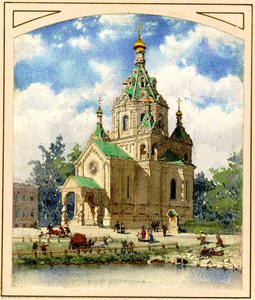
Albert Nikolaevich Benois
1852 - 1936
Kratek pregled o Albert Nikolaevich Benois
- Full Name: Albert Nikolayevich Benois
- Nationality: Russian
- Date Of Birth: 1852
- Date Of Death: 1936
- Place Of Birth: St Petersburg, Russia
- Notable Artworks:
- Sunset on the river
- Bay with sailboats, 1900
- Artistic Movement Or Style: Watercolor landscapes
- Artists Who Influenced This Artist: ['Luigi Premazzi']
- Artists Or Movements Influenced By This Artist: ['World of Art']
Biografija umetnika
Albert Nikolayevich Benois: A Watercolorist of Russian Landscapes and Cultural Bridges
Born in St. Petersburg on March 14, 1852, into a family deeply intertwined with the artistic and intellectual currents of Russia, Albert Nikolayevich Benois (died May 16, 1936) emerged as a significant figure in late 19th and early 20th-century Russian art. His lineage—descended from Louis Jules Benois, a French confectioner who became a royal headwaiter—combined European sophistication with the rich traditions of his homeland, shaping an artistic sensibility that would ultimately bridge diverse cultural landscapes. Benois’s life was not merely one of artistic creation; it was a tapestry woven with family legacies, academic pursuits, and extensive travels, all contributing to the unique perspective reflected in his evocative watercolor paintings.
His early years were steeped in artistic influence. Educated at the Imperial Academy of Arts from 1871 to 1877, Benois initially focused on architecture before discovering a profound passion for watercolor painting under the guidance of Luigi Premazzi. This shift proved pivotal, establishing his signature style—characterized by delicate washes, atmospheric perspective, and an intimate portrayal of Russian landscapes and architectural details. Crucially, he was part of the founding members of the “Circle of Russian Watercolorists” (Russkoe Kratokrasnoye Obshchestvo) in 1880, a group that championed watercolor as a serious artistic medium and challenged the dominance of oil painting within the Russian art establishment. This association exposed him to innovative techniques and fostered a spirit of experimentation that would inform his later work.
The Influence of Family and Travel
Benois’s family history profoundly shaped his artistic trajectory. His father, Nicholas Benois, was a renowned architect responsible for many iconic buildings in St. Petersburg, including the Principal Imperial Stables at Peterhof. His mother, Camilla Cavos, a granddaughter of Catterino Cavos (the designer of the Mariinsky Theatre), instilled within him an appreciation for elegance and theatricality. The family’s connections to prominent musicians—particularly Nikolai Tcherepnin, with whom he maintained a close relationship—further enriched his cultural awareness. However, it was Benois's own travels that truly broadened his artistic horizons. Beginning in 1890, he embarked on extensive journeys through Europe, North Africa, Central Asia, Korea, and Japan, meticulously documenting the landscapes, architecture, and people he encountered. These experiences weren’t merely sightseeing trips; they were immersive investigations into diverse cultures, resulting in a series of paintings that captured the essence of these faraway lands with remarkable sensitivity and detail.
A Curator and Artistic Collaborator
Beyond his painting practice, Benois played an active role in the Russian art world. He served as a keeper at the Alexander III Russian Museum from 1895 to 1903, gaining invaluable experience in museum management and collection curation. In 1894, he was appointed a professor of watercolor painting at the Imperial Academy of Arts, a position he held until 1905, shaping generations of young artists. His involvement extended beyond academia; he became a curator at the Russian Museum in 1903, contributing to its expansion and development. Notably, his collaboration with Sergei Diaghilev’s Ballets Russes proved transformative. Benois's stage designs—particularly for “Les Sylphides,” “Giselle,” and “Petrushka”—were groundbreaking, employing innovative color palettes, architectural elements, and a sense of theatricality that redefined ballet aesthetics. His work with the Moscow Art Theatre further solidified his reputation as a versatile artist and designer.
Legacy and Artistic Significance
Albert Nikolayevich Benois’s legacy extends far beyond his individual paintings. He was a pivotal figure in the development of Russian watercolor, elevating it from a secondary medium to one of serious artistic merit. His meticulous observation, atmospheric rendering, and ability to capture both the grandeur and intimacy of landscapes—from the vast expanse of the Finnish skerries to the bustling streets of St. Petersburg—established him as a master of his craft. His travels not only enriched his artistic repertoire but also fostered a deep appreciation for cultural diversity, reflected in the nuanced portrayals of foreign lands within his oeuvre. Benois’s work continues to be celebrated for its beauty, technical skill, and profound connection to Russian culture and history. His influence can still be felt today in the works of contemporary watercolor artists who draw inspiration from his innovative techniques and artistic vision.