

 Preverite v realnem okolju
 Pošlji kot čestitko
 Deli
Deli
 Podrobnosti
 Priročnik

 Prenesi
 Podobni artefakti
 Rentgenski posnetek
 Predvajaj diaporama
 Statistika
PORTRAIT DE FEMME


 Preberi več
Giclée tisk / Umetniški tisk
Giclée ali platnati odtis muzejske kakovosti z hitro proizvodnjo in prilagodljivimi možnostmi končne obdelave. ( Naročite ročno slikano reprodukcijo Preklop na digitalno sliko)




P118B $10

P118H $10

P118W $10

P438Z $10

P508JH $12

P508YH $12

P805H $10

P805Z $10

P919BZ $10

P919G $10

P919XJ $10

P959ZH $10

P968JZ $12

W106C $8

W218G $10

W218JH $8

W218Y $10

W307PJ $10

W316G $10

W316PJ $8

W316Y $10

W398PJ $8

W4111J $10

W500HY $15

W500JH $15

W692G $12

W849H $8

W940BG $15

W953PJ $8




Izberite eno od naših vnaprej določenih velikosti, ki ustrezajo prvotnim proporcijam umetničkega dela.

Svoje dimenzije lahko vnesete sami, da bodo ustrezne za določen okvir ali prostor. Če izbrana velikost ne bo skladna z razmerji izvirne slike, bomo umetniško delo orezali ali podaljšali s pomočjo ogledalnega odraza ali barvno polnega roba. Pred začetkom proizvodnje vam bomo poslali digitalni predogled za potrditev.
Upoštevajte, da predogled na zaslonu ne prikazuje dejanskega orezovanja ali podaljševanja. Le digitalni predogled bo natančno prikazal končno kompozicijo.
Čeprav so na voljo prilagojene velikosti, priporočamo izbiro dimenzije s predhodno določenega seznama, da ohranite prvotna razmerja.
Globalna dostava () v 2 tednih namesto standardnih 4/5 tednov. (26 september)

Brezplačna ekspresna dostava po vsem svetu

Visokokakovostno laneno platno

Popolno zavarovanje pošiljke

Garancija povračila carine in uvoznih davkov

Garancija popolnega barvnega ujemanja

Politika vračila v 100 dneh (le v primeru okvar)

Garancija 100% povračila denarja

Popust pri večjem naročilu
 Možnost stekla je na voljo le za velikosti pod 110 cm

PORTRAIT DE FEMME
Giclée tisk / Umetniški tisk
Velikost reprodukcije
-


Skupna cena
$ 80
A Glimpse of Baroque Dignity: Aert de Gelder’s “Portrait of a Young Woman”
Within the hushed halls of the Art Institute of Chicago resides a captivating portrait, "Portrait of a Young Woman" by Aert de Gelder – a work that transcends mere likeness and offers a poignant glimpse into the sensibilities of 17th-century Dutch art. Painted around 1680-1700, this piece isn’t merely a depiction of a young woman; it's an embodiment of the Baroque era’s fascination with psychological depth, dramatic lighting, and the subtle complexities of human emotion. De Gelder, a student deeply influenced by Rembrandt’s later style – a lineage he carried into the 18th century – masterfully captures a sense of quiet contemplation within this intimate composition.
The painting immediately draws the eye to its subject: a young woman seated with an air of dignified reserve. Her gaze is direct, almost challenging, yet tempered by a hint of melancholy. The choice of clothing—a rich, crimson cloak or shawl draped elegantly over her shoulders—immediately speaks to status and wealth, hallmarks of aristocratic portraiture prevalent during the period. The subtle variations in color within the fabric, rendered with meticulous brushstrokes, suggest luxurious textures and a deep understanding of material quality – a testament to de Gelder’s technical skill. The overall palette is restrained, dominated by earth tones—browns, reds, and creams—creating a sense of subdued elegance that contrasts beautifully with the vibrant hue of her garment.
The Rembrandt Legacy: Style and Technique
De Gelder's artistic identity is inextricably linked to Rembrandt’s. He wasn’t simply copying his mentor; he was absorbing and reinterpreting the master’s techniques, particularly his signature use of *chiaroscuro* – the dramatic interplay of light and shadow. Notice how the artist skillfully employs this technique to sculpt the woman's form, creating a sense of volume and depth without resorting to harsh contrasts. The lighting, originating from an unseen source on the left, gently illuminates her face and upper body, while the background remains shrouded in relative darkness, further emphasizing her presence.
The brushwork itself is remarkably detailed yet subtly blended. Close inspection reveals a layering of paint—a technique known as *impasto* – that adds texture to the fabric folds and skin tones. This meticulous approach contributes significantly to the painting’s overall sense of realism, while simultaneously conveying a feeling of warmth and immediacy. The composition is relatively simple, focusing on the figure within a shallow space, but this restraint allows de Gelder to concentrate his attention on capturing the nuances of her expression and posture.
Symbolism and Emotional Resonance
Beyond its technical brilliance, “Portrait of a Young Woman” resonates with deeper symbolic meaning. The woman’s serious expression—a subtle hint of sadness in her eyes—suggests a quiet dignity and perhaps even a touch of melancholy. This isn't a frivolous depiction of youthful beauty; it’s an exploration of inner life and emotional complexity, reflecting the Baroque era’s interest in portraying human psychology with unprecedented depth. The gesture of her hand, partially concealed within the folds of her garment, adds to this sense of intimacy and invites the viewer to contemplate her thoughts and feelings.
The painting's historical context is crucial to understanding its significance. Created during a period of relative stability in Dutch society, it likely served as a commission for an aristocratic family, intended to commemorate a young woman’s coming-of-age or perhaps simply to celebrate her beauty and status. De Gelder’s ability to capture both the outward appearance and the inner character of his subject speaks volumes about the artistic standards of the time.
A Timeless Masterpiece: Reproduction and Beyond
Reproductions of “Portrait of a Young Woman” offer an exceptional opportunity to bring this remarkable artwork into your home or office. OriginalUniqueArt’s hand-painted reproductions faithfully recreate de Gelder's masterful technique, capturing the subtle nuances of light, shadow, and color with stunning accuracy. Whether you are an art enthusiast, a collector seeking a piece of Dutch Golden Age history, or simply someone who appreciates exquisite beauty, this portrait is sure to captivate your senses and evoke a profound emotional response.
Explore more about Aert de Gelder and his work on the OriginalUniqueArt website: https://www.wahoart.com/en/art/aert-de-gelder-portrait-de-femme-AQSS8T-en/
Biografija umetnika
Odmev mojstra: Aert de Gelderjeva predanost Rembrandtovemu duhu
Stati pred dela Aerta de Gelderja pomeni srečati odmev—živopragen, strasten resonanco enega največjih mojstrov zgodovine. Čeprav je bila njegova zemljinska pot tragično kratka, je De Gelder v letorise nizozemske umetnosti utrl svojo pomembno nišo, navezano na globoko chiaroscuro in čustveno globino Rembrandta van Rijna. Rodjen v Dordrechtu okoli leta 1645, se zdi njegovo življenje skoraj preteče, da bi obvladalo tako intenziven umetnični izraz. Vendar pa je v teh bežočnih letih vpilo samo bistvo mojstrove tehnike in ga kanaliziralo v celoto del, ki govorijo veliko o človeški drami in duhovni vročini.
Njegov izobraževanje ni bilo le akademsko; bila je popolna potopitev. Študiranje v Rembrandovem lastnem studiu med letoma 1661 in 1663 ga je postavilo v epicenter umetniških inovacij. To učeništvo se je izkazalo za utemeljujoče, saj mu je omogočilo, da je absorbiral ne le poteze s čopičem, temveč celo filozofijo—način opazovanja neljudske drame, ki jo najdemo tako v vsakdanjih trenutkih kot v svetih pripovedih.
Obvladovanje poznega Rembrandtovega sloga
De Gelderjev prepoznavni slog je nespredeljiv od briljantnosti pozne dobe njegovega mentorja. Gre za slog, ki ga zaznamuje skoraj oprijemljiva čustvena polnost. Njegova platna ne prikazujejo le prizorov; ona jih vdihnijo v obstoj, gledalca pa privabijo v trenutke globoke kontemplacije ali intenzivne akcije. Ne glede na to, ali se sooča z veličastnimi bibličnimi narativami ali intimnimi študijami likov, človeški element ostaja ključnega pomena.
Razmislite o dramatični širini del, kot je "Spemstvo Kristovo", ali napetosti, zajeti v delu "Ahimeleha, ko daje Golijatovดา меч Davidu". Ta dela niso le ilustracije; so meditacije o veri in konfliktu. De Gelder je imel izjemno darilo za pripovedovanje zgodb, pri čemer je svetlo in senco—to značilno Rembrandtovo tehniko—uporabljal za vodenje oka in poglobitev čustvene resonance vsake figure.
Njegova portretna slika le še potrjuje to mojstrstvo. V delih, kot sta "Esther in Mordecaj" ali njegov prikaz "Kralja Davida", človek čuti ne le podobnost, temveč dušo. Imel je nenarodno sposobnost, da je prenese človeku notranjo vrzino, tiho dostojanstvo ali triumfalnega duha, ki so prebivali v njegovih modelih.
Zgodovinski pomen in dediščina
Kariera Aerta de Gelderja služi kot fascinanten most v umetnostni zgodovini. Njegovo vztrajstvo pri čustvenosti in narativni težini mojstrov obdobja nizozemske zlate dobe mu je omogočilo ohranitev močne povezave z vrhuncem tistega obdobja, celo ko so se umetniške okusi začeli premikati proti 18. stoletju. Deloval je kot varuh Rembrandtove dediščine in zagotoval, da je njegov dramatični jezik ostal živ.
Njegov trajni pomen leži v tej nadaljevanju. Dokazal je, da lahko gradite na monumentalnih dosežkih mojstra, ne da bi jih zgolj imitirali; namesto tega je izvajal njihovega duha in ga prilagodil. Dejanje, da institucije, kot je Rijksmuseum, dihajo njegova dela, poudarja njegovo mesto v kanonu nizozemskega genija in utrjuje njegovo ugled ob velikanih, kot je Jan Lievens.
Gledati De Gelderjevo umetnost pomeni biti priča vidni predanosti—zavezanosti temu, da zajame vzvišeno dramo, ki je neljudska, vse to pa skozi nepozabno lečo Rembrandtove nepremagljive vizije.

Aert De Gelder
1645 - 1645 , Nizozemska
Ključne informacije
- Artistic Movement Or Style: Rembrandov pozni slog
- Artists Who Influenced This Artist: ['rembrandt van rijn']
- Date Of Birth: 1645
- Date Of Death: 1645
- Full Name: aert de gelder
- Nationality: nizozemski
- Notable Artworks:
- Baptizem Kristusa
- Kralj David
- Place Of Birth: Dordrecht, Nizozemska
Sorodni članki

Dutch Baroque Masters: 10 Paintings That Shaped an Era | OriginalUniqueArt
Journey through the Golden Age with our guide to the Top 10 Dutch Baroque masterpieces! Explore iconic paintings by Rembrandt, Vermeer & Frans Hals. Find museum-quality art reproductions and elevate your home decor at OriginalUniqueArt.com.

Chiaroscuro and Character: A Definitive Guide to Light and Shadow in the Dutch Baroque Era
Explore the dramatic mastery of the Dutch Baroque era. Discover how masters like Rembrandt used chiaroscuro to transform everyday life into timeless art. An expert guide for collectors and enthusiasts seeking to understand the profound interplay of light and shadow.

Francisco Goya: 25 Mojstrovin Španskega Slikarja za Vaš Dom | OriginalUniqueArt
Odkrijte 25 mojstrovin Francisca Goye – od portretov do Črne serije. Preberite zgodbe za vsako sliko, tehnike in navdih. Kvalitetne reprodukcije slik za vaš dom na OriginalUniqueArt.com! Raziskajte celotno zbirko online.

Rembrandt van Rijn: 25 Mojstrovin za Popestritev Vašega Doma | OriginalUniqueArt
Odkrijte 25 mojstrovin Rembrandta van Rijna! Preberite zgodbe o portretih, svetlobi in nizozemskem baroku. Kvalitetne reprodukcije slik za vaš dom na OriginalUniqueArt.com. Raziskajte celotno zbirko online.
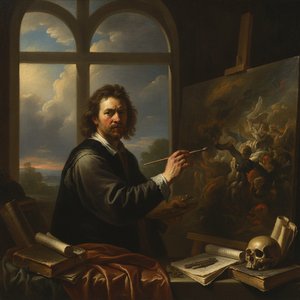
Dutch Baroque Unlocked: Mastering Chiaroscuro, Epic Drama, and the High-Impact Legacy of Rembrandt
Explore the dramatic power of Dutch Baroque art. Master the secrets of Rembrandt’s chiaroscuro, discover the epic scale of the Golden Age, and learn how to bring high-impact, hand-painted historical masterpieces into your modern collection with expert precision.