

 Preverite v realnem okolju
 Pošlji kot čestitko
 Deli
Deli
 Podrobnosti
 Priročnik

 Prenesi
 Podobni artefakti
 Rentgenski posnetek
 Predvajaj diaporama
 Statistika
Self-Portrait
 Oil On Canvas
- WallArt
- Baroque Painting
 1699
1699- Contemporary
 81.0 x 66.0 cm
 Rijksmuseum
 Preberi več
Ročno izdelana oljna reprodukcija
Ročno slikano olje na platnu v vaši izbiri velikosti in okvirja, izdelano po naročilu naših umetnikov. ( Preklop na tiskanine Preklop na digitalno sliko)




P118B €10

P118H €10

P118W €10

P438Z €10

P508JH €12

P508YH €12

P805H €10

P805Z €10

P919BZ €10

P919G €10

P919XJ €10

P959ZH €10

P968JZ €12

W106C €8

W218G €10

W218JH €8

W218Y €10

W307PJ €10

W316G €10

W316PJ €8

W316Y €10

W398PJ €8

W4111J €10

W500HY €15

W500JH €15

W692G €12

W849H €8

W940BG €15

W953PJ €8




Izberite eno od naših vnaprej določenih velikosti, ki ustrezajo prvotnim proporcijam umetničkega dela.

Vnesite širino in višino, ki jih potrebujete, da se slika prilega vašemu okviru ali steni. Ker je delo ročno slikano, lahko umetnik pri različnih oblikih slik pri robovih doda malo več barve ali pa jih malo odreže — izberite sami. Pred začetkom slikanja vam pošljemo digitalni predogled za potrditev. Slika, prikazana na tej strani, ni končni rezultat — le predogled prikazuje dejansko podobo.
Po oddaji naročila bo ekipa OriginalUniqueArt.com stranki po e-pošti poslala navodila in predogled digitalnega predogleda.
Mednarodna dostava () v 3/4 tednih namesto običajnih 5 tednov. (23 oktober). Brez kompromisov pri kakovosti.

Brezplačna ekspresna dostava po vsem svetu

Visokokakovostno laneno platno

Popolno zavarovanje pošiljke

Garancija povračila carine in uvoznih davkov

Garancija popolnega barvnega ujemanja

Politika vračila v 100 dneh (le v primeru okvar)

Garancija 100% povračila denarja

Popust pri večjem naročilu
 Možnost stekla je na voljo le za velikosti pod 110 cm

Self-Portrait
Tehnika reprodukcije
Velikost reprodukcije
-


Skupna cena
€ 264
A Window into the Baroque Soul: Adriaen van der Werff’s Self-Portrait
Adriaen van der Werff's 1699 Self-Portrait is more than just a likeness; it’s a meticulously crafted window into the mind of a prominent Dutch artist during a pivotal era. Housed within the hallowed halls of the Rijksmuseum in Amsterdam, this oil on canvas painting transcends mere portraiture, offering a profound glimpse into the values, ambitions, and artistic sensibilities of 17th-century Europe. The work immediately commands attention with its dramatic use of chiaroscuro – the masterful interplay of light and shadow – which sculpts Van der Werff’s features and imbues the scene with an almost theatrical intensity. The artist doesn't simply present himself; he actively engages the viewer, inviting us into his world of artistic creation.
Van der Werff’s skill isn’t merely technical; it’s deeply rooted in a Baroque aesthetic that prized drama, emotion, and a heightened sense of realism. The composition itself is carefully orchestrated: the artist stands before a table laden with his tools – brushes, palettes, and a partially completed portrait of his wife and daughter – each element contributing to a narrative of dedication and artistic pride. The inclusion of this family portrait isn’t merely decorative; it speaks volumes about Van der Werff's life and priorities, suggesting a desire for domestic harmony alongside his professional pursuits. The gilt-framed miniature further emphasizes this familial connection, elevating the importance of his loved ones within his artistic world.
Decoding Baroque Techniques: Light, Shadow, and Detail
A closer examination reveals the intricate techniques that define Van der Werff’s style. The strong contrasts between light and dark – a hallmark of Baroque painting – aren't simply employed for visual effect; they serve to draw our attention to key focal points, particularly the artist himself. His face is rendered with an almost photographic precision, capturing every nuance of expression—a subtle hint of self-awareness mingled with quiet confidence. The meticulous detail extends beyond his features to encompass the textures of his clothing, the sheen of the gold trim, and even the delicate brushstrokes that define the miniature portrait.
Van der Werff’s mastery of color is equally noteworthy. He utilizes a rich palette of reds, browns, and golds, creating a sense of warmth and opulence. The dark background serves as a dramatic foil to these vibrant hues, further enhancing the impact of the figure in the foreground. The artist's use of sfumato – a subtle blurring technique – softens the edges of forms, lending an air of mystery and sophistication to the overall composition. This careful attention to detail and masterful manipulation of light and color are hallmarks of his distinctive style, setting him apart from many of his contemporaries.
A Reflection of its Time: Context and Symbolism
To fully appreciate Van der Werff’s Self-Portrait, it's essential to understand the historical context in which it was created. The Baroque period (roughly 1600-1750) witnessed a dramatic shift in artistic sensibilities, moving away from the restrained elegance of the Renaissance and embracing a more dynamic, emotional, and often theatrical style. The Catholic Church remained a significant patron of the arts during this time, commissioning works that celebrated religious themes and reinforced spiritual values. However, secular commissions also flourished, reflecting the growing wealth and influence of merchants and nobility.
Within the portrait itself, several symbolic elements contribute to its layered meaning. The artist’s pose—standing before his work—suggests a deliberate act of self-promotion and an assertion of artistic authority. The inclusion of his family underscores the importance of domesticity and legacy in 17th-century Dutch society. And the miniature portrait, depicting his wife and daughter, serves as a poignant reminder of the personal relationships that shaped his life and work. The overall impression is one of a man deeply connected to both his craft and his family—a testament to the values of his time.
Bringing Van der Werff’s Vision Home: A Reproduction for Today
OriginalUniqueArt offers meticulously crafted, hand-painted reproductions of Adriaen van der Werff's Self-Portrait, allowing you to experience this masterpiece in stunning detail. Our skilled artisans replicate the artist’s techniques with unparalleled accuracy, capturing the chiaroscuro, color palette, and nuanced expressions that define this iconic work. Whether displayed in a grand salon or a cozy study, our reproduction will serve as a beautiful reminder of the artistic brilliance of the Baroque era—a timeless piece of art that continues to inspire and captivate audiences today.
To explore more works by Adriaen van der Werff and delve deeper into his life and legacy, we invite you to visit our online gallery. For further insights into the Rijksmuseum’s collection, please see this resource.
Vprašanja in odgovori
Ali se "Self-Portrait" avtorja Adriaen Van Der Werff nahaja v matični državi umetnika?
Da – umetniško delo se nahaja v državi izvenca. Delo "Self-Portrait" se nahaja v državi Nizozemska, medtem ko je Adriaen Van Der Werff rojen/a v državi Nizozemska.
Kje in za kakšno namen se priporoča "Self-Portrait"?
"Self-Portrait" avtorja Adriaen Van Der Werff priporočamo za Statement, idealno v Living Room. Uporaba in prostor skupaj dadata, kje se reprodukcija najbolje prilega.
Kakšna je tehnika in velikost originalnega dela "Self-Portrait" avtorja Adriaen Van Der Werff?
"Self-Portrait" je izdelano z uporabo tehnike Oil On Canvas in v svoji prvotni obliki meri 81 x 66 cm.
Biografija umetnika
Mojster natančne elegance: Življenje Adriena van der Werrffa
V veličastni tapiseriji nizozemskega zlate dobe le malo niti sije z tako polirano briljanco kot dela Adriena van der Werrffa. Van der Wff, rojen v Hainburgju leta 1659, je izrazil iz umetniške linije talentov; kot sin slikarja je dobil zgodnjo in globoko uvedbanost v niance svetlobe in oblike. Njegove oblikovalne leta je oblikovalo strogo mentorstvo Eglona van der Neerja, mojstra kostumov in draperij, čiji vpliv je še vedno vidno prisoten v čudovitih, svilenastih teksturah, ki opredeljajo Van der Wffove poznejše kompozicije. Ta zgodnja izobrazba je v njem vzpostavila predanost natančnosti, s katero je svoj čopič spremenil v instrument, sposoben ujeti najprefinjejšie prehodnosti med kožo in tkanino.
Ko se je njegova kariera razvijala, se je Van der Wff premaknil od same tehnične dovršenosti do ravni psihološke globine, ki je očarala evropsko aristokracijo. Skupaj s svojim bratom in učencem, Pieterjem van der Wffom, je v Rotterdamu ustanovil močno studio. Njegova vzpon v umetniški skupnosti je zaznamovalo vodstvo nad Zvezo svetega Luke, položaj izjemnega prestiža, ki mu je omogočil, da pritegne pozornost najvplivnejših pokroviteljev obdobja. Njegovo del je postalo most med surovo realističnostjo zgodnje nizozemske umetnosti in prefinjeno, elegantno občutljivostjo prihajajočega rokoka.
Simfonija svetlobe in mitov
Prava magija Van der Wffovega dela leži v njegovi sposobnosti, da v mitološke in biblične zgodbe antične dobe vdihne življenje. On zgodb ni le ilustriral; postavil jih je z dramatično intenzivnostjo, pri čemer je uporabljal chiaroscuro za vzbuditev globokih čustev. V delih, kot je 'Lot in njegove hčerke', lahko pričakovati mojstrovsko igro senc in svetlobe, kjer vsak žar kloka služi k povečanju napetosti in simbolične teže scene. Njegova platna pogosto služijo kot okna v svet klasične elegance, kjer je človeška figura prikazana z porcelansko popolnostjo, ki deluje hkr eterično in oprijemljivo prisotno.
Njegov tehnični repertoar je bil izjemno raznolik, kar mu je omogočalo premikanje med različnimi načini portretiranja in pripoveljnega slikarstva:
- Mitološka veličastnost: Njegove prikazi bogov in junakov so pogosto uporabljali monumentalne kompozicije za izražanje moči in elegancije.
- Intimna portretna umetnost: V delih, kot je njegov 'Samoportret', je pokazal neomajno iskrenost, s katero je skozi natančne detajle ujel samozavstost in značaj osebe.
- Žanrska slika in skupine: Dela, kot je 'Otroci, igrajoči pred skupino Herkul
prikazujejo njegovo sposobnost združevanja domače nežnosti z impozantno prisotnostjo klasične vage, kar ustvarja plastno pripoved o srečanju nedolžnosti z antiko.
Dediščina in zgodovinski pomen
Doseg Adriena van der Werrffa se je raztepel daleč čez meje Nizozemske. Ugled "lepega slikarja" mu je prinesel pokrovitelje najvišjih slojev evropskih kraljevskih družin, vključno z Johannom Wilhelmom, electorjem palatinskim, in znamenito Anno Marijo Luiso de' Medici. Naročila monumentalnih del za florentinski dvor stojijo kot dokaz njegove statusa med mednarodnimi postavami baroka. Njegova sposobnost, da je zadovoljil sofisticirane okuse družine Medici, je utrdila njegovo dediščino umetnika, ki je znal združiti severno natančnost s južno eleganco.
Končno je pomen Van der Wffove v njegovi vlogi prehodne figure. Vzel je temeljite elemente nizozemskega realizma — obsesijo s teksturo, svetlobo in resnico — in jih dvignil v prefinjen, dvoriščni jezik, ki bo vplival na pot 18. stoletja. Čepol se je doba velikih nizozemskih mojstrov sčasoma predala novim gibanjem, svetlostno in polirano svet, ki ga je ustvaril Van der Wff, ostaja trajen spomenik vrhuncu barokne umetnosti.

Adriaen Van Der Werff
1659 - 1722 , Nizozemska
Ključne informacije
- Artistic Movement Or Style: Barok
- Artists Or Movements Influenced By This Artist: ['Dutch Masters']
- Artists Who Influenced This Artist: ['Eglon van der Neer']
- Date Of Birth: Haag, Nizozemska (1659)
- Date Of Death: 1722
- Full Name: Adriaen van der Werff
- Nationality: Nizozemski
- Notable Artworks:
- SVETA MADALOŽNA MEDITIRAJOČ V SAMOTI
- ADAM IN EVA
- SARA POSLATI AGAR ABRAHAMU
- Place Of Birth: Haag
Sorodni članki
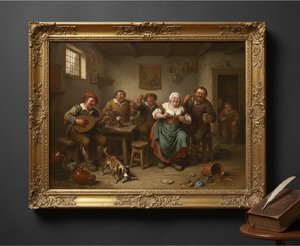
Adriaen van Ostade: A Master of Dutch Genre Painting & Social Commentary
Explore the life & work of Adriaen van Ostade, a leading Dutch Golden Age painter. Discover his realistic genre scenes, social commentary, and lasting influence on art history. Learn more at OriginalUniqueArt.

Early Netherlandish Masters: 10 Paintings That Revolutionized Art & Decor
Journey into the Early Netherlandish Renaissance! Explore 10 iconic paintings by Jan van Eyck, Rogier van der Weyden & more. Discover stunning detail, symbolism, and oil painting techniques. Find museum-quality art reproductions for your home at OriginalUniqueArt.com.

Hugo van der Goes: Devotion, Innovation & the Psychological Depth of Early Netherlandish Painting
Explore the revolutionary art of Hugo van der Goes – a master of Early Netherlandish painting renowned for his dramatic realism, psychological depth & profound influence on Renaissance artists. Discover his iconic works and lasting legacy.

Dutch Baroque Masters: 10 Paintings That Shaped an Era | OriginalUniqueArt
Journey through the Golden Age with our guide to the Top 10 Dutch Baroque masterpieces! Explore iconic paintings by Rembrandt, Vermeer & Frans Hals. Find museum-quality art reproductions and elevate your home decor at OriginalUniqueArt.com.

Rembrandt van Rijn: 25 Mojstrovin za Popestritev Vašega Doma | OriginalUniqueArt
Odkrijte 25 mojstrovin Rembrandta van Rijna! Preberite zgodbe o portretih, svetlobi in nizozemskem baroku. Kvalitetne reprodukcije slik za vaš dom na OriginalUniqueArt.com. Raziskajte celotno zbirko online.


