
() ·
Slika, izdelana ročno posebej zanj
Ročno izdelana oljna reprodukcija
Ročno slikano olje na platnu v vaši izbiri velikosti in okvirja, izdelano po naročilu naših umetnikov. ( Preklop na tiskanine Preklop na digitalno sliko)
Opis zbirateljskega predmeta
Explore Adriaen de Gryef’s ‘Retour de Chasse,’ a stunning Baroque hunting scene rich in detail & symbolism. Discover this dynamic Flemish oil painting's masterful technique & captivating composition.
Biografija umetnika
Discover Adriaen de Gryef (1670-1715), a Flemish landscape painter known for his dynamic hunting scenes, still lifes & detailed depictions of 17th-century life in Belgium.
 Preberi več
od ·
Poglavje 1
Katere velikosti naj bi bila?
Drleč po drslenici spremenite velikost; slika na levi strani prikazuje okvir v njegovi dejanski širini. Razmerja originala so ohranjena.
Izberite eno od naših vnaprej določenih velikosti, ki ustrezajo prvotnim proporcijam umetničkega dela.

Vnesite širino in višino, ki jih potrebujete, da se slika prilega vašemu okviru ali steni. Ker je delo ročno slikano, lahko umetnik pri različnih oblikih slik pri robovih doda malo več barve ali pa jih malo odreže — izberite sami. Pred začetkom slikanja vam pošljemo digitalni predogled za potrditev. Slika, prikazana na tej strani, ni končni rezultat — le predogled prikazuje dejansko podobo.
Poglavje 2
Na kakšen način naj bo dostavljeno?
Izberite robove platna
Izberite svoj okvir

Beli rob €1

zamegljen rob €1

Razširjen rob €1

P118B €10

P118H €10

P118W €10

P438Z €10

P508JH €12

P508YH €12

P805H €10

P805Z €10

P919BZ €10

P919G €10

P919XJ €10

P959ZH €10

P968JZ €12

W106C €8

W218G €10

W218JH €8

W218Y €10

W307PJ €10

W316G €10

W316PJ €8

W316Y €10

W398PJ €8

W4111J €10

W500HY €15

W500JH €15

W692G €12

W849H €8

W940BG €15

W953PJ €8

H24-GOLD €30

H24-SILVER €30

H36-GOLD €45

H36-SILVER €45
V okviru
Okvirni rob: . Celotna velikost z okvirjem: .
Poglavje 3
Kdo to slika in ali bi se moralo kaj spremeniti?
Po oddaji naročila bo ekipa OriginalUniqueArt.com stranki po e-pošti poslala navodila in zagotovila predogled makete
Mednarodna dostava () v 3/4 tednih namesto običajnih 5 tednov. (3 november). Brez kompromisov pri kakovosti.
Poglavje 4
Zadnji dotiki
Zvešča, kot v muzeju?
Podrobnosti o gravirani bronasti plošči
This elegant plaque features the artist's name and the title of the artwork, finely engraved for a timeless presentation.
It is made from bronze with a refined, elegant finish. The text is precisely laser-engraved for a sharp and permanent result. Measuring 9x2 cm, the plaque is compact yet easy to read. It's built to be durable and scratch-resistant, offering a professional, museum-quality look. Mounting is simple thanks to the included adhesive backing.
Podrobnosti o transparentni akrilni plošči
The plaque includes essential engraved details such as the artist's name, the title of the artwork, the date it was created, the type of media used-like oil on canvas or watercolor-a brief description of the piece, and a QR code that links to the complete artwork information.
It is crafted from clear acrylic, offering a sleek, modern appearance. The text is UV-engraved in black to ensure strong visual contrast. With a size of 10x15 cm, it ensures optimal readability. It comes equipped with two metal hooks for secure wall mounting. The plaque is designed to be weather-resistant, making it suitable for various environments, and it includes interactive features that work seamlessly with smartphone scanning.
Podrobnosti o črni akrilni plošči
This elegant plaque includes engraved information such as the artist's name, the title of the artwork, the date it was created, the type of media used (like oil on canvas or watercolor), a short description of the artwork, and a QR code for quick access to more information.
The plaque itself is made from refined black acrylic with a premium finish. The text is laser-engraved in white for high contrast and readability. Its size is 10x15 cm, designed to be easy to read. It comes with two metal hooks for professional mounting. The design is sleek and fits any interior style. It is also weather-resistant and durable, with built-in digital integration for mobile compatibility.
Zaščitni lak?
Kdaj jo potrebujete?
Poglavje 5
Vaša slika, natako kot ste jo naročili

Retour de chasse
Tehnik reprodukcije
Velikost reprodukcije
-

Izbor vrhunskih umetnikov
Več podrobnosti, dovršenosti in dodatnega časa za izdelavo
-

Okvir za reprodukcijo
-
-
Za umetniška dela ali reprodukcije, ki so po katerikoli strani širše od 105 cm (približno 41 palč), bo okvir poslan v razstavljeni obliki kot komplet. Ta metoda zagotavlja varno dostavo in preprečuje poškodbe med transportom.
Potrebna je profesionalna montaža – to ni izdelek za DIY izdelavo.
Komplet mora sestaviti in platno napeti izkušen profesionalni okvirjest, pri čemer bo uporabil lepil za les (ni vključeno), klešče za napetje platna in spone, da bi ohranil pravokotnost letev med sušenjem lepila. Nepravilna montaža ali neenakomerna napetost platna lahko trajno poškoduje umetniško del in
 Za umetniška dela ali reprodukcije, ki so po katerikoli strani širše od 105 cm (približno 41 palč), bo okvir poslan v razstavljeni obliki kot komplet. Ta metoda zagotavlja varno dostavo in preprečuje poškodbe med transportom.
Vključene so vse letve iz masivnega lesa, natančno izrezane po meri.
Montaža poteka s priloženimi vijaki, vendar je za kotiče potrebna lepil za les, ki ga ni v kompletu in ga mora zagotoviti vaš okvirnik.
Za uporabo so potrebna profesionalna orodja, ki niso vključena: klešče za napinjanje platna (napetnik) in sponke za ohranjanje pravokotnosti letev med sušenjem lepila.
Pomembno:
Za stike v kotih potrebujete lepil za les, nosilce je treba z

Značka z imenom
-
-

Zaščitni lak
Sijajni lak (poudarja barve ter zagotavlja zaščito pred svetlobo in vlago)
-

Prilagodi svoje umetniško delo
Primeri možnih prilagoditev: zamenjava obraza s fotografijo kupca; dodajanje hišnega ljubljenčka (npr. zamenjava mačke s psom); vključitev skritega sporočila v ozadje; sprememba krajšave ali elementov ozadja.
-

Hitra dostava
Mednarodna dostava () v 3/4 tednih namesto običajnih 5 tednov. (3 november). Brez kompromisov pri kakovosti.
-
Hitra dostava
Globalna dostava () v 5 tednih. (10 november).
Vključeno v ceno
Skupna cena
€ 268
Možnost stekla je na voljo le za velikosti pod 110 cm
Vključeno v vsako naročilo
- Brezplačna ekspresna dostava po vsem svetu
- Visokokakovostno laneno platno
- Popolno zavarovanje pošiljke
- Garancija povračila carine in uvoznih davkov
- Garancija popolnega barvnega ujemanja
- 100-dnevna politika vračil (le v primeru okvar)
- Garancija 100% povračila denarja
- Popust pri večjem naročilu


 Predogled v realnem okolju
 Pošlji
 Deli
Deli
 Podrobnosti o delu
 Priročnik

 Prenesi sliko
 Podobni izdelki
 Rentgenski posnetek
 Predvajaj diaporama
 Vprašanja in odgovori
 Statistika
V številkah
- 29izbira okvirjev
- standardne velikosti, v svojih lastnih proporcijah
- 5teden dni za slikanje in dostavo
O originalnem delu


Adriaen De Gryef
1670 - 1715, Belgium
Kratek pregled o Adriaen De Gryef
- Artistic Movement Or Style: Baroque
- Artists Or Movements Influenced By This Artist: ['None specified']
- Artists Who Influenced This Artist: ['Jacques de Claeuw']
- Date Of Birth: 1670
- Date Of Death: 1715
- Full Name: Adriaen de Gryef
- Nationality: Flemish
- Notable Artworks:
- GIBIER PRES D'UN ARBRE
- CHASSE A L'OURS
- Still Life In A Garden
- Place Of Birth: Antwerp, Belgium
Biografija umetnika
Adriaen de Gryef: A Flemish Master of the Seventeenth Century
Adriaen de Gryef (1657 – 1722), a name perhaps less familiar than some of his contemporaries, nevertheless stands as a significant figure in the rich tapestry of Flemish art during the Baroque period. Born in Leiden and later establishing himself in Antwerp and Brussels, De Gryef’s legacy rests primarily on his dynamic and meticulously rendered hunting scenes, captivating still lifes, and detailed depictions of everyday life within 17th-century Belgium. His work offers a rare glimpse into a world of aristocratic pursuits, rural landscapes, and the burgeoning appreciation for naturalism that characterized the era.
Early Life and Artistic Training
Little is definitively known about De Gryef’s early life, though it's established he was the son of Jacques de Claeuw, a painter who himself had connections to the renowned court painter Jacob van Sandt. This familial link undoubtedly provided an initial foundation for his artistic development. While precise details regarding his formal training remain elusive, it is believed that De Gryef honed his skills within the Guild of St. Luke in Ghent and later achieved membership in the Antwerp guild in 1700. These affiliations were crucial, providing him with a structured environment for learning, exhibiting, and establishing professional connections – vital steps for any aspiring artist seeking recognition.
A World of Hunting and Leisure
De Gryef’s most celebrated works depict scenes of the hunt. These are not simply depictions of sport; they are carefully constructed narratives brimming with symbolism and social commentary. His compositions frequently showcase aristocratic hunters pursuing game through diverse landscapes – from dense forests to open fields, often incorporating elements of religious allegory or moral instruction. The dramatic use of light and shadow, a hallmark of Baroque painting, is particularly evident in these scenes, creating a sense of immediacy and dynamism. Consider “Chasse à l’Ours” (The Bear Hunt), where the figures are rendered with remarkable detail, capturing both the physical exertion of the hunt and the inherent danger of nature. The animals themselves—deer, boar, bear—are depicted with an almost unsettling realism, reflecting a growing interest in scientific observation during this period.
Still Lifes: A Celebration of Abundance
Beyond his hunting scenes, De Gryef produced a series of still lifes that reveal a different facet of his artistic talent. These compositions are characterized by an astonishing level of detail – from the textures of fruit and fabrics to the reflections in pewter vessels. “Still Life In A Garden” exemplifies this meticulous approach, presenting a lavish display of seasonal produce, flowers, and domestic objects arranged within a richly decorated setting. The arrangement isn’t merely decorative; it speaks to themes of wealth, prosperity, and the bounty of nature – common subjects in Dutch Golden Age art. These still lifes demonstrate De Gryef's ability to capture not just the appearance but also the essence of his subject matter.
Legacy and Historical Significance
Adriaen de Gryef’s work represents a crucial link between the more formal, court-oriented painting styles of earlier generations and the emerging naturalism that would define much of 18th-century art. His detailed depictions of hunting scenes and still lifes offer valuable insights into the social customs, economic realities, and artistic sensibilities of 17th-century Belgium. While he may not be as widely recognized as some of his contemporaries – such as Peter Paul Rubens or Jan van Goyen – De Gryef’s contributions to Flemish art history are undeniable. His paintings continue to be appreciated for their technical skill, dramatic compositions, and evocative portrayal of a bygone era. His works can be found in collections like the Accademia Carrara in Bergamo, offering a tangible connection to this talented artist.
Sorodni članki

Mastering Drama and Light: A Definitive Guide to the Flemish Baroque Art Movement
Explore the dramatic brilliance of the Flemish Baroque movement. Discover how masters like Peter Paul Rubens utilized chiaroscuro and dynamic composition to redefine art history through light, shadow, and unparalleled emotion.
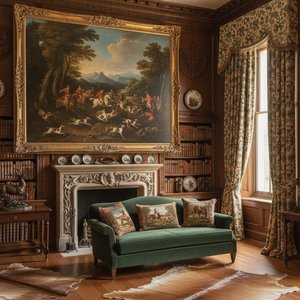
Capturing the Chase: Infusing Interiors with the Dramatic Grandeur of Historical Hunting Scene Artworks
Transform your space with the dramatic grandeur of hunting scene art. OriginalUniqueArt.com offers exquisite, hand-painted oil reproductions of Baroque landscapes and custom historical portraits. Discover museum-quality craftsmanship and bespoke artistry to bring timeless prestige to your home.

The Majesty of Flemish Baroque: A Definitive Guide to Drama, Color, and Grandeur in 17th-Century Masterpieces
Explore the grandeur of Flemish Baroque art. Uncover the dramatic legacy of Peter Paul Rubens and the mastery of light and color. Discover museum-grade, hand-painted oil reproductions and custom commissions at OriginalUniqueArt.com—where history meets fine craftsmanship.

Francisco Goya: 25 Mojstrovin Španskega Slikarja za Vaš Dom | OriginalUniqueArt
Odkrijte 25 mojstrovin Francisca Goye – od portretov do Črne serije. Preberite zgodbe za vsako sliko, tehnike in navdih. Kvalitetne reprodukcije slik za vaš dom na OriginalUniqueArt.com! Raziskajte celotno zbirko online.