

 Predogled
 Pošlji
 Deli
Deli
 Podrobnosti o delu

 Prenesi
 Podobni izdelki
 Rentgenski posnetek
 Predvajaj diaporama
Khagen Babu


 Razviljaj več
Giclée tisk / Umetniški tisk
Giclée ali platnati odtis muzejske kakovosti z hitro proizvodnjo in prilagodljivimi možnostmi končne obdelave. ( Kupi ročno naslikano sliko Kupi digitalno sliko)




P118B $10

P118H $10

P118W $10

P438Z $10

P508JH $12

P508YH $12

P805H $10

P805Z $10

P919BZ $10

P919G $10

P919XJ $10

P959ZH $10

P968JZ $12

W106C $8

W218G $10

W218JH $8

W218Y $10

W307PJ $10

W316G $10

W316PJ $8

W316Y $10

W398PJ $8

W4111J $10

W500HY $15

W500JH $15

W692G $12

W849H $8

W940BG $15

W953PJ $8




Izberite eno od naših vnaprej določenih velikosti, ki ustrezajo prvotnim proporcijam umetničkega dela.

Svoje dimenzije lahko vnesete sami, da bodo ustrezne za določen okvir ali prostor. Če izbrana velikost ne bo skladna z razmerji izvirne slike, bomo umetniško delo orezali ali podaljšali s pomočjo ogledalnega odraza ali barvno polnega roba. Pred začetkom proizvodnje vam bomo poslali digitalni predogled za potrditev.
Upoštevajte, da predogled na zaslonu ne prikazuje dejanskega orezovanja ali podaljševanja. Le digitalni predogled bo natančno prikazal končno kompozicijo.
Čeprav so na voljo prilagojene velikosti, priporočamo izbiro dimenzije s predhodno določenega seznama, da ohranite prvotna razmerja.
Globalna dostava () v 2 tednih namesto standardnih 4/5 tednov. (19 avgust)

Brezplačna ekspresna dostava po vsem svetu

Visokokakovostno laneno platno

Popolno zavarovanje pošiljke

Garancija povračila carine in uvoznih davkov

Garancija popolnega ujemanja barv

60-dnevna politika vračanja (le v primeru napak)

Garancija 100% povračila denarja

Popust pri večjem naročilu
 Možnost stekla je na voljo le za velikosti pod 110 cm

Khagen Babu
Giclée tisk / Umetniški tisk
Velikost reprodukcije
-


Skupna končna cena
$ 80
Opis zbirateljskega predmeta
A Portrait of Quiet Contemplation: Khagen Babu by Abanindranath Tagore
Abanindranath Tagore’s “Khagen Babu” is more than just a portrait; it's a carefully constructed meditation on Indian identity and the burgeoning movement towards a distinctly modern, yet deeply rooted, artistic expression. Painted in 1907, during a pivotal moment in India’s cultural awakening, this black-and-white photograph – meticulously reproduced as a fine art print – captures a sense of dignified introspection within a man identified simply as “Khagen Babu.” The image, originally intended for the Indian Society of Oriental Art's exhibition, immediately draws the viewer into a world where traditional Indian aesthetics are subtly interwoven with Western artistic sensibilities.
The subject himself is rendered with a remarkable restraint. His face, framed by a neatly trimmed mustache and a thoughtful gaze directed towards the camera, exudes an air of quiet contemplation. Tagore’s masterful use of light and shadow creates a subtle depth, emphasizing the lines of his face and hinting at a lifetime of experience. The background, a simple green expanse – reminiscent of traditional Indian gardens – provides a serene backdrop that allows the subject to command the entire composition. It's a deliberate choice, grounding the portrait firmly within an Indian context while simultaneously inviting a universal connection.
The Bengal School and its Hybrid Style
“Khagen Babu” is a quintessential example of the Bengal School of Art, founded by Tagore himself. This revolutionary movement sought to break away from the dominant Western artistic trends that had infiltrated India during the colonial period. Instead, it drew inspiration from ancient Indian art forms – particularly Mughal and Rajput miniature paintings – alongside elements of Japanese aesthetics, notably in its use of composition and color palettes. Tagore’s approach was not simply a revival; he skillfully blended these influences to create something entirely new: a distinctly ‘Indian’ modernism.
Notice the deliberate simplification of forms, reminiscent of traditional Indian painting styles. The brushstrokes are visible, lending a sense of immediacy and intimacy to the portrait. The use of monochrome – a conscious rejection of vibrant Western color schemes – further emphasizes the spiritual and contemplative nature of the subject. This stylistic choice was deeply symbolic, aligning with the Swadeshi movement’s emphasis on self-reliance and rejecting foreign influences.
Symbolism and the Essence of Indian Identity
Beyond its formal qualities, “Khagen Babu” is rich in symbolism. The man's posture – upright and dignified – reflects a sense of honor and tradition. The subtle details, such as the folds of his garment and the arrangement of his hands, are imbued with meaning within the context of Indian culture. Tagore’s intention was to capture not just a likeness but also an essence—a representation of the soul of India itself.
The photograph's composition echoes traditional Indian temple murals, further reinforcing this connection to national identity. The subject is presented as a figure of authority and wisdom, embodying the values of self-sufficiency, spirituality, and cultural pride that were central to the Swadeshi movement. It’s a powerful statement about reclaiming artistic agency within a nation grappling with its own history and future.
A Timeless Masterpiece for Your Space
Reproduced as a high-quality print, “Khagen Babu” offers a captivating glimpse into a pivotal moment in Indian art history. Its serene beauty and profound symbolism make it an ideal addition to any collection or interior space. Whether you’re an art enthusiast, a collector seeking unique pieces, or simply someone who appreciates the power of visual storytelling, this portrait invites contemplation and celebrates the enduring legacy of Abanindranath Tagore.
The original dimensions of 25 x 17 cm make it suitable for a variety of settings, from smaller studies to larger wall displays. Its timeless appeal ensures that “Khagen Babu” will continue to resonate with viewers for generations to come.
Biografija umetnika
Zgodnji življenj vice in ozadje
- Rod: 7. maj 1861, Joransanko, Kalkuta, Britanska Indija
- Umrl: 5. december 1951
- Družina: Član prestižne družine Tagore; neveljec Rabindranatha Tagoreja. Njegov dedek je bil Girindranath Tagore, njegov oče pa Gunendranath Tagore.
- Izobraževanje: V 1880-ih je študiral na Sanskrit College v Kolkati, kasneje pa je obiskoval Calcutta School of Art.
Umetniški razvoj in vplivi
- Zgodnje izobraževanje: Tehnike pastelov je osvajal pri O. Ghilardiju, oljne slikanje pa pri Charlesu Palmerju na Calcutta School of Art.
- Mogulski in Rajputski slogi: Te sloge je želel modernizirati, pri čemer je zavrnjal zadoščevalne modele zapadne umetnosti.
- Vrednote Swadeshi: V svojo umetnost je vključil vrednote gibanja Swadeshi, s čimer je promoviral indijske tradicije.
- Whistlerjev esteticizem: Na njegovo delovanje so vplivalni Whistlerjevi estetični načrti.
- Japonski vpliv: Pozneje je v svoj slog vključil kitajske in japonske kaligrafske tradicije po srečanju z umetniki Tikanom in Hesido.
Pomembna dela in umetniški prispevek
- Rohini II: Izstopajoče delo, ki prikazuje njegovo umetniško znanje.
- Passing of Shajahan: Še ena pomembna slika, ki odraža njegov slog.
- Season Flower in a Vase: Demonstrira njegovo mojstrstvo v tehniki in izbiri tematik.
- Serija Arabian Nights (1930): Velja za en največji njegov dosežek, saj s pričami iz »Arabskih noč« raziskuje kolonialno Kalkuto.
- Bharat Mata: Pomembna slika, ki simbolizira Mati Indijo.
- Ustanovitelj Bengalske šole umetnosti: Igral je ključno vlogo pri oblikovanju moderne indijske slikarstva in promoviranju nacionalistične umetnosti.
- Indijsko društvo za orientalsko umetnost (1907): To društvo je založil z namenom promocije tradicionalnih indijskih umetniških oblik.
Dediščina in zgodovinski pomen
- Pionir moderne indijske slikarstva: Prepoznan kot ključna figura v razvoju moderne indijske umetnosti.
- Vpliv na naslednje umetnike: Mentor je bil izjemnim umetnikom, kot so Nandalal Bose, Asit Halder, Kshitindranath Majumdar in Jamini Roy.
- Preporod tradicionalnih umetnostnih oblik: Zagovarjal je vrnitev k tradicionalnim indijskim tehnikam in slogom.
- Vpliv na bengalsko otroško literaturo: Napisal je vplivne otroške knjige, kot so Rajkahini, Budo Angla, Nalak in Khirer Putul.
- Naravni umetniški zakladi: Njegova dela veljajo za nacionalne umetniške zaklade.

Abanindranath Tagore
1871 - 1951 , Indija
Hitri podatki
- Artistic Movement Or Style: Šola umetnosti Bengal
- Artists Or Movements Influenced By This Artist:
- Nandalal Bose
- Kshitindranath Majumdar
- Jamini Roy
- Artists Who Influenced This Artist:
- Whistler
- Mogulski umetniki
- Rajput umetniki
- Date Of Birth: 7. maj 1871
- Date Of Death: 5. december 1951
- Full Name: Abanindranath Tagore
- Nationality: Indijski
- Notable Artworks:
- Rohini II
- Smrt Šahajana
- Sestavno cveto v vazi
- Place Of Birth: Jorasanko, Indija
Sorodni članki

Raja Ravi Varma: Bridging Tradition & Modernity in 19th-Century Indian Art
Explore the life & art of Raja Ravi Varma, a pioneer who fused European techniques with Indian iconography. Discover his iconic paintings, lasting legacy, and influence on modern Indian art at OriginalUniqueArt.

The Alluring Gaze: Orientalism in 19th-Century Art – Representation, Reception & Construction of the 'Orient'
Explore the complex history of Orientalism in 19th-century art. Discover how Western artists depicted the 'Orient,' its cultural impact, and Edward Said's critical analysis. A deep dive for art lovers & historians.

Panoramic Visions of Empire: The Daniells’ Artistic Collaboration & Legacy
Explore the captivating 'Oriental Scenery' by Thomas & William Daniell. Discover their pioneering aquatint prints of India, imperial context, artistic collaboration, and lasting legacy. A deep dive for history lovers.
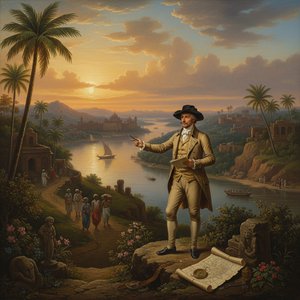
Thomas Daniell: Navigating Light, Landscape & Cultural Exchange in Early 19th-Century India
Explore the captivating landscapes of Thomas Daniell, a pioneering artist who documented India's beauty in the 19th century. Discover his 'Oriental Scenery,' aquatint technique & lasting legacy. Hand-painted reproductions available at OriginalUniqueArt.

The Allure of the Exotic: Orientalism in 19th-Century Art
Explore the captivating world of 19th-century Orientalist art! Discover iconic painters like Gérôme & Benjamin-Constant, key themes, and collecting insights. Expert analysis at OriginalUniqueArt.


