

 Preverite v realnem okolju
 Pošlji kot čestitko
 Deli
Deli
 Podrobnosti
 Priročnik

 Prenesi
 Podobni artefakti
 Rentgenski posnetek
 Predvajaj diaporama
 Statistika
Bitje Buddhe


 Preberi več
Ročno izdelana oljna reprodukcija
Ročno slikano olje na platnu v vaši izbiri velikosti in okvirja, izdelano po naročilu naših umetnikov. ( Preklop na tiskanine Preklop na digitalno sliko)




P118B €10

P118H €10

P118W €10

P438Z €10

P508JH €12

P508YH €12

P805H €10

P805Z €10

P919BZ €10

P919G €10

P919XJ €10

P959ZH €10

P968JZ €12

W106C €8

W218G €10

W218JH €8

W218Y €10

W307PJ €10

W316G €10

W316PJ €8

W316Y €10

W398PJ €8

W4111J €10

W500HY €15

W500JH €15

W692G €12

W849H €8

W940BG €15

W953PJ €8




Izberite eno od naših vnaprej določenih velikosti, ki ustrezajo prvotnim proporcijam umetničkega dela.

Vnesite širino in višino, ki jih potrebujete, da se slika prilega vašemu okviru ali steni. Ker je delo ročno slikano, lahko umetnik pri različnih oblikih slik pri robovih doda malo več barve ali pa jih malo odreže — izberite sami. Pred začetkom slikanja vam pošljemo digitalni predogled za potrditev. Slika, prikazana na tej strani, ni končni rezultat — le predogled prikazuje dejansko podobo.
Po oddaji naročila bo ekipa OriginalUniqueArt.com stranki po e-pošti poslala navodila in predogled digitalnega predogleda.
Mednarodna dostava () v 3/4 tednih namesto običajnih 5 tednov. (25 oktober). Brez kompromisov pri kakovosti.

Brezplačna ekspresna dostava po vsem svetu

Visokokakovostno laneno platno

Popolno zavarovanje pošiljke

Garancija povračila carine in uvoznih davkov

Garancija popolnega barvnega ujemanja

Politika vračila v 100 dneh (le v primeru okvar)

Garancija 100% povračila denarja

Popust pri večjem naročilu
 Možnost stekla je na voljo le za velikosti pod 110 cm

Bitje Buddhe
Tehnika reprodukcije
Velikost reprodukcije
-


Skupna cena
€ 263
Abanindranath Tagore: The Triumph of Buddhist Symbolism
The painting “The Victory of Buddha” by Abanindranath Tagore stands as a pivotal moment in Indian art history, marking the genesis of the Bengal School and fundamentally reshaping perceptions of Eastern aesthetics within the Western artistic landscape. Created circa 1907, this monumental artwork embodies Tagore’s ambitious vision to revitalize traditional Indian iconography through a deliberate engagement with Western influences—specifically Whistler's Aestheticism—resulting in a strikingly original synthesis.A Bold Departure from Western Conventions
Tagore consciously rejected the prevailing academic style championed by European art institutions during British rule, opting instead for a stylistic approach rooted in Mughal and Rajput traditions. However, he wasn’t merely imitating these styles; he sought to reinterpret them, stripping away their perceived materialism and injecting them with spiritual depth—a core principle of Hindu philosophy that was gaining traction amongst intellectuals and artists alike. This decision reflects Tagore's profound belief that Indian art needed to reconnect with its heritage to recapture its essence and offer a counterpoint to the dominant Western artistic trends.Symbolism Illuminated: The Sun’s Dual Presence
The composition itself is laden with symbolic significance. Dominating the background are two suns—one radiant and golden, representing enlightenment and divine illumination, while the other subdued and paler symbolizes earthly existence. This juxtaposition powerfully conveys the Buddhist concept of duality – the interplay between darkness and light, suffering and liberation – a central tenet of Buddhist cosmology. The depiction of Buddha seated atop a rock is equally deliberate; it echoes ancient Indian iconography portraying deities in similar postures, highlighting continuity across cultures while simultaneously asserting Buddhist ideals within a broader artistic framework.Technique and Artistic Innovation
Tagore’s masterful technique distinguishes “The Victory of Buddha” from its predecessors. Employing oil paints on canvas—a departure from the prevalent watercolor traditions—he achieved remarkable luminosity and textural richness. His meticulous attention to detail, combined with his skillful blending of colors, captures the serene dignity of Buddha's countenance and imbues the scene with an atmosphere of profound contemplation. The artist’s deliberate use of chiaroscuro – dramatic contrasts between light and shadow – further enhances the painting’s expressive power, mirroring the Buddhist emphasis on mindfulness and awareness.Legacy and Influence
“The Victory of Buddha” swiftly gained acclaim within India and subsequently captivated European art critics who recognized its groundbreaking originality. It served as a catalyst for establishing the Bengal School of Art, fostering a new generation of Indian painters committed to exploring Eastern artistic traditions while embracing Western aesthetic principles. Tagore’s work continues to inspire artists today, demonstrating that artistic innovation can flourish through respectful engagement with cultural heritage—a testament to his enduring contribution to the history of art and thought.Vprašanja in odgovori
Katera je prevladujoča barvna tonina dela "Bitje Buddhe" avtorja Abanindranath Tagore?
Od okre do sepije odtenek prežema celotno skladbo "Bitje Buddhe" avtorja Abanindranath Tagore.
Kdo je ustvaril "Bitje Buddhe"?
Avtor dela "Bitje Buddhe" je Abanindranath Tagore. Del je katalogiran pod imenom Abanindranath Tagore.
Za kakšno uporabo se priporoča tiskanina dela "Bitje Buddhe"?
Priporočena uporaba za "Bitje Buddhe" avtorja Abanindranath Tagore je Akcent. Lahko pa služi tudi drugim namenom.
Biografija umetnika
Zgodnji življenj vice in ozadje
- Rod: 7. maj 1861, Joransanko, Kalkuta, Britanska Indija
- Umrl: 5. december 1951
- Družina: Član prestižne družine Tagore; neveljec Rabindranatha Tagoreja. Njegov dedek je bil Girindranath Tagore, njegov oče pa Gunendranath Tagore.
- Izobraževanje: V 1880-ih je študiral na Sanskrit College v Kolkati, kasneje pa je obiskoval Calcutta School of Art.
Umetniški razvoj in vplivi
- Zgodnje izobraževanje: Tehnike pastelov je osvajal pri O. Ghilardiju, oljne slikanje pa pri Charlesu Palmerju na Calcutta School of Art.
- Mogulski in Rajputski slogi: Te sloge je želel modernizirati, pri čemer je zavrnjal zadoščevalne modele zapadne umetnosti.
- Vrednote Swadeshi: V svojo umetnost je vključil vrednote gibanja Swadeshi, s čimer je promoviral indijske tradicije.
- Whistlerjev esteticizem: Na njegovo delovanje so vplivalni Whistlerjevi estetični načrti.
- Japonski vpliv: Pozneje je v svoj slog vključil kitajske in japonske kaligrafske tradicije po srečanju z umetniki Tikanom in Hesido.
Pomembna dela in umetniški prispevek
- Rohini II: Izstopajoče delo, ki prikazuje njegovo umetniško znanje.
- Passing of Shajahan: Še ena pomembna slika, ki odraža njegov slog.
- Season Flower in a Vase: Demonstrira njegovo mojstrstvo v tehniki in izbiri tematik.
- Serija Arabian Nights (1930): Velja za en največji njegov dosežek, saj s pričami iz »Arabskih noč« raziskuje kolonialno Kalkuto.
- Bharat Mata: Pomembna slika, ki simbolizira Mati Indijo.
- Ustanovitelj Bengalske šole umetnosti: Igral je ključno vlogo pri oblikovanju moderne indijske slikarstva in promoviranju nacionalistične umetnosti.
- Indijsko društvo za orientalsko umetnost (1907): To društvo je založil z namenom promocije tradicionalnih indijskih umetniških oblik.
Dediščina in zgodovinski pomen
- Pionir moderne indijske slikarstva: Prepoznan kot ključna figura v razvoju moderne indijske umetnosti.
- Vpliv na naslednje umetnike: Mentor je bil izjemnim umetnikom, kot so Nandalal Bose, Asit Halder, Kshitindranath Majumdar in Jamini Roy.
- Preporod tradicionalnih umetnostnih oblik: Zagovarjal je vrnitev k tradicionalnim indijskim tehnikam in slogom.
- Vpliv na bengalsko otroško literaturo: Napisal je vplivne otroške knjige, kot so Rajkahini, Budo Angla, Nalak in Khirer Putul.
- Naravni umetniški zakladi: Njegova dela veljajo za nacionalne umetniške zaklade.

Abanindranath Tagore
1871 - 1951 , Indija
Ključne informacije
- Artistic Movement Or Style: Šola umetnosti Bengal
- Artists Or Movements Influenced By This Artist:
- Nandalal Bose
- Kshitindranath Majumdar
- Jamini Roy
- Artists Who Influenced This Artist:
- Whistler
- Mogulski umetniki
- Rajput umetniki
- Date Of Birth: 7. maj 1871
- Date Of Death: 5. december 1951
- Full Name: Abanindranath Tagore
- Nationality: Indijski
- Notable Artworks:
- Rohini II
- Smrt Šahajana
- Sestavno cveto v vazi
- Place Of Birth: Jorasanko, Indija
Sorodni članki

Timeless Elegance: Capturing the Spirit of Japanese Culture Through the Lens of Ukiyo-e Fine Art
Explore the profound beauty of Japanese Ukiyo-e art. Discover the legacy of Hokusai and the Utagawa school through an expert exploration of Edo-period aesthetics, seasonal motifs, and the enduring global influence of Japan's 'Floating World' on fine art history.
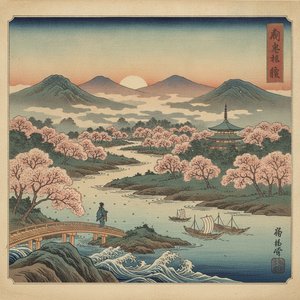
Zen on Canvas: The Timeless Artistry and Spiritual Depth of Japanese Landscape Painting
Explore the profound beauty of Japanese landscape painting. From Hokusai's iconic vistas to Zen-inspired compositions, discover the spiritual depth and historical mastery of Ukiyo-e art in this expert cultural retrospective.
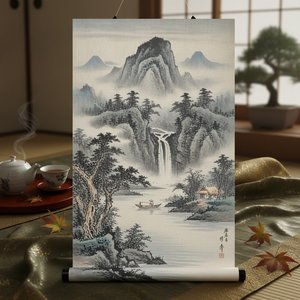
Serenity on Canvas: A Guide to the Timeless Beauty of Japanese Landscape Painting
Discover the serene beauty of Japanese landscape painting. From Hokusai's iconic woodblock prints to meditative sumi-e ink washes, explore a visual journey through the 'floating world' and learn how to bring this timeless Zen aesthetic into your modern home decor.
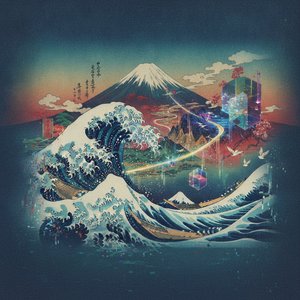
Beyond the Great Wave: The High-Impact Visual Revolution of Japanese Landscape Art
Go beyond Hokusai's Great Wave. Explore the high-impact, graphic world of Japanese Ukiyo-e landscapes and urban prints. Discover how these bold, vibrant woodblock masterpieces continue to shape modern pop culture and contemporary design aesthetics.

Raja Ravi Varma: Bridging Tradition & Modernity in 19th-Century Indian Art
Explore the life & art of Raja Ravi Varma, a pioneer who fused European techniques with Indian iconography. Discover his iconic paintings, lasting legacy, and influence on modern Indian art at OriginalUniqueArt.
