Ukiyo-e, one artist at a time

39 Famous Ukiyo-e Umeleckí tvorcovia Who Shaped the Movement

Kacušika Hokusai (1760–1849) is the most famous Ukiyo-e umelec, whose singular vision gave us 富嶽三十六景 紅富士 a Obraz veľvej vlny Kanagy. Next stand Utagawa Hirošige, Kitagawa Utamaro, Tsukioka Yoshitoshi a Torii Kiyonaga. These 39 umelci, from Hishikawa Moronobu (born 1618) to Goyō Hashiguchi (born 1880), came from 2 countries.

Our selection. Artists whose works our catalogue attaches to Ukiyo-e, in the order of our fame ranking. Artists born after 1955 with no Wikidata identifier stay out until verified. The Wikipedia figure counts our 32 languages with an article on the artist.

  1. 富嶽三十六景 紅富士 od Kacušika Hokusai1Kacušika Hokusai
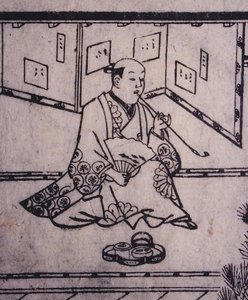
  2. Early Department from a Daimyo od Utagawa Hirošige2Utagawa Hirošige
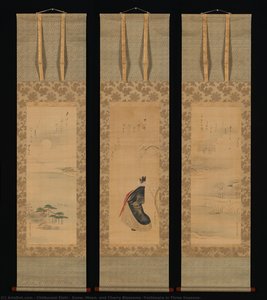
  3. Courtesan or Kneeling Lady with Fan from the series Seasonal Poems Composed by Famous Women od Kitagawa Utamaro3Kitagawa Utamaro

In brief

Ukiyo-e in brief

  • 39Umeleckí tvorcovia
  • 1618–1880Roky narodenia
  • 2Krajiny narodenia
  • 0Ženy
  • 1Živí umelci
  • 5 896Diela v našom katalógu
Mestá s najvyšším počtom narodených detí
Tokio (11), Tokyo (6), Edo (3), Osaka (2)
Múzeá s najväčším počtom kľúčových diel
Bujalance Collection (11), Keio University Library (10), Metropolitné múzeum umenia (9), Minneapolis Institute of Art (5)

One artist at a time

39 Ukiyo-e Umeleckí tvorcovia and their signature works

1of 39

Kacušika Hokusai

Japonský Born in Tokio Ukiyo-e Wikipedia in 32/32 languages

Kacušika Hokusai

Už v šiestich rokoch skicuje, poháňaný hladom, ktorý jeho otec, Nakajima Ise, síce rozpoznáva, ale nedokáže ho plne nasmerovať. Vo dvanástich rokoch vstupuje do štúdia Katsukawa Shunshō, kde sa učí náročnej precíznosti drevoritstva ukiyo-e. Kolem roku 1831 vzniká séria Trhsťdesťšesť pohľadov na horu Fuji, ktorá zásadne mení rozsah japonského rezného umenia.

Signature works · The 100 signature works

2of 39

Utagawa Hirošige

Japonský Born in Tokio *Ukiyo-e* Wikipedia in 30/32 languages

Utagawa Hirošige

Hoci je pevne zakorennený v tradíciách japonského drevoruškovej tlače, Hiroshige presiahol jednoduché reprodukcie a obohatil svoje krajinky poetickým citom, ktorý rezonoval hlboko nielen v Japone, ale neskôr aj po celom svete.

Pupil of Utagawa Toyohiro #26

Signature works · The 100 signature works

3of 39

Kitagawa Utamaro

Japonský Born in Tokio *Ukiyo-e* Wikipedia in 27/32 languages

Kitagawa Utamaro

Pravdepodobne sa narodil okolo roku 1753 ako Kitagawa Ichitarō, hoci jeho miesto narodenia zostáva nejasné – navrhujú sa lokality ako Kjóto, Ósaka, Yoshiwara (Edo) a Kawagoe. Jeho výchovu zabezpečil Toriyama Sekien, ktorý bol tiež odborník na ukiyo-e a vyučoval aj v vyšších kruhoch Kanō školy maľby.

Signature works · The 100 signature works

4of 39

Tsukioka Yoshitoshi

Japonský Born in Tokio Ukiyo-e Wikipedia in 15/32 languages

Tsukioka Yoshitoshi

Narodený ako Owariya Yonejiro 30. apríla 1839, muž, ktorý sa neskôr stal známy ako Tsukioka Yoshitoshi, vstúpil do sveta v neustálom pohybe. Narodený ako Owariya Yonejiro v obci Shimbashi starého Edo, chlapec, ktorý sa neskôr stal známym ako Tsukioka Yoshitoshi, vyrastal v domácnosti formovanej spoločenskými ambíciami. V roku 1850, vo vesennom jedenástich rokoch, vstúpil do prísneho učňovstva pod vedením majstra Utagawa Kuniyoshi.

Signature works · The 100 signature works

5of 39

Torii Kiyonaga

Japonský Born in Edo Ukiyo-e Wikipedia in 16/32 languages

Torii Kiyonaga

Narodený ako Sekiguchi Shinsuke v roku 1752 v rušnom srdci Edo (dnešná Tokio), Torii Kiyonaga sa vynikol ako jeden z najslávnejších majstrov ukiyo-e, známyho ako „obrázky vtÁčatého sveta“. Ako syn knihovníka mal Kiyonaga v ranom veku prístup k kultúrnym prúdovom Edo spoločnosti, čo v ňom vyvolalo hlboký obdiv k jej živému zábavnému priemyslu a rafinovanému vkusu obyvateľstva.

Signature works · The 100 signature works

6of 39

Utagawa Kunijoši

Japonský Born in Tokio Ukiyo-e Wikipedia in 24/32 languages

Utagawa Kunijoši

Uťagawa Kuniyoshi, rodák z Tokia, narodil 1. januára 1798, je považovaný za posledného významného architekta fantastiky a bojového umenia v období ukiyo-e – “obrazov sveta plujúceho”. V roku 1811 vstúpil do dielne Utagawy Toyokuniho I., prijímal meno Kuniyoshi a začal intenzívny učebný proces, ktorý zdokonalil jeho zručnosti a predstavil ho konvenciám školy Utagawy.

Pupil of Utagawa Toyokuni I #13 · Teacher of Utagawa Yoshitora #32, Kawanabe Kyōsai #11

Signature works · The 100 signature works

7of 39

Suzuki Harunobu

Japonský Born in Tokio Ukiyo-e Wikipedia in 21/32 languages

Suzuki Harunobu

Narodený okolo roku 1725, jeho rodinná história bola poznačená vyhnanstvom; tak jeho otec, Shigekazu, ako aj jeho grandfather, Shigemitsu, boli vyhnaní z Edo do Kyota. Jeho raná tvorba odzrkadľuje silný vplyv niekoľkých uznávaných škôl a umelcov. Čerpal zo štýlov, ktoré reprezentovali Torii Kiyomitsu a Ishikawa Toyonobu, pričom zároveň asimiloval prvky zo škôl Kawamata a Kanō.

Signature works · The 100 signature works

8of 39

Hishikawa Moronobu

Japonská Born in Hota Ukiyo-e Wikipedia in 20/32 languages

Hishikawa Moronobu

Hishikawa Moronobu, narodený v Edo (dnešné Tokio) v roku 1618, predstavuje kľúčovú postavu v dejinách japonského umenia. Edo (1603–1868) bola érou rozkvetu urbánnej kultúry, ktorému viedol ekonomický rozmach a pomerne dlhý čas pokoja. Jeho tvorba spojila rôzne japonské umelecké štýly – od vyváženej elegancie školy Kanō a dekoratívnej dotkli ability ilustrácií školy Tosa až po dynamickú energiu populárneho divadla – a prepojila tieto vplyvy do unikátnej, prístupnej estetiky.

Signature works · The 100 signature works

9of 39

Kunisada Utagawa

Japanese Born in Honjo Ukiyo-e Wikipedia in 17/32 languages

Kunisada Utagawa

Utagawa Kunisada, narodený ako Sumida Shōgorō IX v živobudnom japonskom okrúžku Honjo, predstavuje pravdepodobne najslávnejšieho umelca ukiyo-e v celom 19. storočí. Jeho nesmierne bohatá tvorba a bezprecedentný komercijnom úspech upevnili jeho pozíciu titana medzi jeho súčasníkmi – Hiroshige, Hokusai a Kuniyoshi – a ustavili ho ako neosporného šampióna farebnej drevoritby počas obdobia Edo.

Pupil of Utagawa Toyokuni I #13

Signature works · The 100 signature works

10of 39

Chobunsai Eishi

Japonský Born in Tokio Ukiyo-e, Bijin-ga Wikipedia in 11/32 languages

Chobunsai Eishi

Chobunsai Eishi (1756–1829), známy aj ako Hosoda Tokitomi, predstavuje kľúčovú postavu v životerovom svete umiastia období Edo. Jeho rané roky boli poznačené službou na dwore Tokugawa, pozíciu, od ktorej sa v roku 1789 rozhodol odklonit, aby sa mohol plne zasvetiť svojej vášni: zachytávaniu vyvráženej krásy žien a evokatívnych príbehov klasickej literatúry.

Signature works · The 100 signature works

11of 39

Kawanabe Kyōsai

Japanese Born in Koga Ukiyo-e, Caricature, Manga pioneer Wikipedia in 10/32 languages

Kawanabe Kyōsai

In 1874, he helped create what is considered the first manga magazine, Eshinbun Nipponchi, alongside Kanagaki Robun.

Signature works · The 100 signature works

12of 39

Keisai Eisen

Japanese Born in Edo Bunsei Era Ukiyo-e Wikipedia in 15/32 languages

Keisai Eisen

This shift defined the aesthetic of the Bunsei era (1818–1830), a period often characterized by its decadent and psychologically complex atmosphere.

Signature works · The 100 signature works

13of 39

Utagawa Toyokuni I

Japanese Born in Shiba Ukiyo-e Wikipedia in 13/32 languages

Utagawa Toyokuni I

He didn’t seek to revolutionize ukiyo-e overnight; instead, he embarked on a period of intense study, focusing intently on the works of masters like Utamaro, Chōbunsai Eishi, and Eishōsai Chōki. He wasn't simply copying their styles but rather dissecting them, understanding their strengths, and ultimately synthesizing them into something uniquely his own. While Sharaku is often lauded by modern art historians for his psychological insight, it was Toyokuni who captured the hearts of the Edo public.

Teacher of Utagawa Kunimasa #15, Utagawa Toyokuni II #35

Signature works · The 100 signature works

14of 39

Hiroshige I (Utagawa & Kiemon, Tsuruya)

Japanese Born in Tokio Ukiyo-e

Hiroshige I (Utagawa & Kiemon, Tsuruya)

Hiroshige I, Utagawa & Kiemon, Tsuruya, tento významný japonský predstaviteľ umeleckého prvku ukiyo-e, je najmä známy svojimi fascinujúcimi krajinami, medzi ktoré patria napríklad päťdesiattri staníc Tokaidō či šesťdesiatdeväť staníc Kisokaidō. Umelecký prejav Hiroshigeho I, Utawagaw & Kiemona, Tsuruyu je definovaný použitím živých, pulzujúcich farieb a nesmierne detailným vykresľovaním prírodných scenérií.

Signature works · The 100 signature works

15of 39

Utagawa Kunimasa

Japonský Born in Aizu Utagawa škola

Utagawa Kunimasa

His apprenticeship under Toyokuni wasn’t merely about technical skill; it instilled in him an understanding of the broader aesthetic goals of ukiyo-e—to capture fleeting moments of beauty and emotion with unparalleled precision. This careful guidance established him as an artist who understood the importance of tradition alongside innovation. He served as an inspiration to subsequent generations of ukiyo-e artists who embraced his stylistic innovations—a harmonious blend of intensity and elegance—solidifying his place as one of the Utagawa school’s foremost masters.

Signature works · The 100 signature works

16of 39

Nishikawa Sukenobu

Japanese Born in Kyoto Ukiyo-e Wikipedia in 9/32 languages

Nishikawa Sukenobu

These works demonstrate his versatility as an artist and underscore his commitment to exploring diverse artistic mediums—a testament to his intellectual curiosity and artistic ambition. Legacy & Recognition: Nishikawa Sukenobu’s enduring legacy resides in his contribution to Japanese art history, particularly his groundbreaking portrayal of women. Influence on Subsequent Artists: Sukenobu’s influence extended far beyond his own lifetime, inspiring subsequent generations of printmakers like Suzuki Harunobu and Kitao Shigemasa.

Signature works · The 100 signature works

17of 39

Sharaku

Japan ukiyo-e Wikipedia in 19/32 languages

Sharaku

Despite the mystery surrounding his true identity, his work has been recognized for its mastery of the medium. His reputation rests largely on his earlier prints, while his later output is often considered to have a declining artistry. Sharaku's technique involved the use of woodblock prints, sometimes employing extravagant methods such as the dusting of mica in the backgrounds to create a glittering effect.

Signature works · The 100 signature works

18of 39

Utashige

Japanese Ukiyo-e

Utashige

He often incorporated poetic verses – haiku – into his compositions, adding layers of meaning and inviting viewers to contemplate the deeper significance of the scenes depicted. Hiroshige’s prints are not simply images; they are windows into the soul of Japan. Hiroshige’s reputation solidified with his Fifty-three Stations of the Tōkaidō (1833–1834), a horizontal-format series depicting the journey along the main road connecting Edo to Kyoto.

Signature works · The 100 signature works

19of 39

Miyagawa Chōshun

Japanese Born in Miyagawa Ukiyo-e Wikipedia in 9/32 languages

Miyagawa Chōshun

The works of Chōshun are instantly recognizable for their evocative atmosphere and tender execution. His subjects—often the elegant courtesans of the pleasure districts—were depicted with a fuller, more voluptuous grace than the slender, stylized figures seen in the works of later artists like Harunobu. His pupils, including his son Miyagawa Isshō and the talented Miyagawa Chōki, carried forward his dedication to depicting the tastes and textures of urban life.

Signature works · The 100 signature works

20of 39

Goyō Hashiguchi

Dutch Born in Kagoshima Post-Impressionism

Goyō Hashiguchi

Goyō’s initial foray into the art world wasn't through printmaking but rather illustration. He gained recognition for his work on Natsume Sōseki’s celebrated novel, I Am a Cat, and subsequently illustrated works by other prominent authors like Futabatei Shimei, Tanizaki Jun'ichirō, and Nagai Kafū. Despite his frail health, exacerbated by beriberi, Goyō continued to produce prints at a remarkable pace from 1915 until his untimely death in 1921 at the age of forty-one.

Signature works · The 100 signature works

21of 39

Isoda Koryūsai

Japanese Born in Tokyo Ukiyo-e Wikipedia in 10/32 languages

Isoda Koryūsai

Establishing himself near the iconic Ryōgoku Bridge in 1769, he positioned himself at the epicenter of Edo's entertainment and commercial life.

Signature works · The 100 signature works

22of 39

Ogata Gekko

Japanese Born in Tokyo Ukiyo-e, Nihonga Wikipedia in 9/32 languages

Ogata Gekko

His most celebrated series, “One Hundred Views of Mount Fuji” (1896-1905), exemplifies his mastery. Beyond Mount Fuji, he produced numerous other series, including “Bijin Meisho Awase” (Beautiful Women in Famous Places), offering intimate glimpses into Japanese society and daily life, and dramatic triptychs depicting historical events like the Iwakura Taiko incident – a pivotal clash between Japanese and Western powers. His exposure to European art through scholars like Ernest Fenellosa and Okakura Kakuzō further broadened his artistic horizons.

Signature works · The 100 signature works

23of 39

Kobayashi Kiyochika

Japonský Born in Tokio Ukiyo-e, Kōsen-ga Wikipedia in 10/32 languages

Kobayashi Kiyochika

Narodený v Tokiu v roku 1847, v posledných dňoch éry Edo, sa Kobayashi Kiyochika stal kľúčovou postavou umeleckého prechodu národa. Po smrti otca v roku 1862 sa bremo rodinných povinností vrhlo na mladého Kiyochiku, čo ho prinútilo prispôsobiť sa a vybudovať si vlastnú cestu. Umelecký rozvoj Kiyochiky bol hlboko formovaný jeho kontaktom so západnými technikami, najmä prostredníctvom štúdií u Charlesa Wirgmana, britského karikatúristu pôsoznym v Japonsku.

Pupil of Kawanabe Kyōsai #11

Signature works · The 100 signature works

25of 39

Toyohara Chikanobu

Japanese Shin-hanga

Toyohara Chikanobu

In the twilight of the Edo period and the dawn of a modernizing Japan, few artists captured the profound tension between tradition and transformation as masterfully as Toyohara Chikanobu. While his real name, Hashimoto Naoyoshi, whispered of a more private existence, his artistic persona commanded the attention of a nation undergoing rapid metamorphosis. Born in 1838, an era of profound cultural shifts, Chikanobu—often recognized by his art name Yōshū Chikanobu —emerged as a monumental figure in the world of Japanese woodblock printing.

Signature works · The 100 signature works

27of 39

Mizuno Toshikata

Japanese Born in Tokyo Ukiyo-e, Kuchi-e

Mizuno Toshikata

He was particularly renowned for his bijin-ga – portraits of beautiful women – which he approached with a keen eye for capturing not just physical beauty but also the inner lives and emotions of his subjects. He skillfully employed subtle gradations of tone to create atmospheric effects and to convey nuanced emotional states. His career gained momentum in 1887 when he secured a position as an illustrator for the Yamato shinbun newspaper.

Signature works · The 100 signature works

28of 39

Ishikawa Toyonobu

Japanese Born in Tokyo Ukiyo-e (Lacquer Print Art) Wikipedia in 7/32 languages

Ishikawa Toyonobu

A hallmark of these compositions was a deliberate stillness, an impassivity in the faces of the subjects reminiscent of the Kaigetsudō school's aesthetic.

Signature works · The 100 signature works

29of 39

Kogyo Sakamaki

Japanese Noh Theatre Prints

Kogyo Sakamaki

He was awarded a prize at the Panama Pacific International Exposition in San Francisco in 1915 for his woodcut “The Horse Market at Kiso,” cementing his reputation as one of Japan's foremost printmakers. Technique & Style: Sakamaki employed a distinctive watercolor -like technique, layering translucent washes to achieve luminous effects that captured the subtle nuances of Noh theatre—a stylistic innovation that distinguished him from his contemporaries.

Signature works · The 100 signature works

30of 39

Hokkei

Born in Tokyo Wikipedia in 8/32 languages

Hokkei

While Hokkei produced a variety of ukiyo-e subjects – including landscapes, bird-and-flower paintings, and scenes from daily life – he is perhaps best known for his illustrations of Murasaki Shikibu's monumental novel, The Tale of Genji. He was undoubtedly influenced by earlier masters of ukiyo-e, particularly Kanenobu and the traditions of Edo period painting.

Signature works · The 100 signature works

31of 39

Sadatora

Japanese Born in Tokyo Ukiyo-e

Sadatora

Born around 1825 in the bustling metropolis of Tokyo, Sadatora was more than just a practitioner of woodblock printing; he was a poet of the atmospheric and the transient. His formative years were spent under the rigorous and inspiring tutelage of masters such as Utagawa Yoshitora and Kunisada. The career of Utagawa Sadatora, spanning roughly from 1818 to 1844, coincided with a period of profound cultural transition in Japan.

Signature works · The 100 signature works

32of 39

Utagawa Yoshitora

Utagawa Yoshitora

Utagawa Yoshitora, a name resonating within the vibrant world of ukiyo-e, stands as a compelling figure whose career bridged traditional Japanese artistry with an increasingly globalized aesthetic. While his work may not be as widely recognized as that of Hokusai or Kuniyoshi, Yoshitora’s contributions are increasingly appreciated by scholars and collectors alike.

Signature works · The 100 signature works

33of 39

Toyohara Kunichika

Japonský Born in Tokio Ukiyo-e (Yakusha-e, Bijinga) Wikipedia in 10/32 languages

Toyohara Kunichika

Toyohara Kunichika, tento uznávaný japonský umelec drevených rezorií, sa narodil 30. júna 1835. Už v mladom veku preukázal výnimočný talent, čo mu v trinástich rokoch otvorilo dvere do učiteľne Utagawa Kunisada, vtedajšieho najvýznamnejšieho tvorcu grafik v Tokiu. Hlboké porozumenie dramatickej bohatosti divadla kabuki sa stalo základným pilierom jeho tvorby, čo vyústilo v produkciu yakusha-e – fascinujúcich drevených rezorií zachytávajúcich hereckov kabuki a scéniky z populárnych de Pot.

Signature works · The 100 signature works

34of 39

Utagawa Kunisada Ii

Japonský Born in Tokio Ukiyo-e (yakusha-e) Wikipedia in 6/32 languages

Utagawa Kunisada Ii

prezerajte si diela utagawa kunisada ii na AllPaintingsStore.com. objavte múzeum moderného umenia v hokkaido (japonsko) na AllPaintingsStore.com. objavte maľby nonoyama kōzana na AllPaintingsStore.com.

Signature works · The 100 signature works

35of 39

Utagawa Toyokuni II

Japanese Ukiyo-e Wikipedia in 4/32 languages

Utagawa Toyokuni II

This ambitious undertaking demanded exceptional artistic skill and logistical organization, cementing Hiroshige’s reputation as a visionary artist who could transform ordinary scenes into sublime expressions of beauty. Technique & Style: Hiroshige’s prints are distinguished by their subtle tonal gradations achieved through layering multiple blocks of color.

Pupil of Utagawa Toyokuni I #13

Signature works · The 100 signature works

36of 39

Utagawa Yoshitaki

Japanese Born in Osaka Ukiyo-e Wikipedia in 4/32 languages

Utagawa Yoshitaki

He mastered the complex techniques of nishiki-e (錦絵), utilizing multiple woodblocks to achieve a full spectrum of hues – a significant advancement over earlier monochrome or limited-color prints. The influence of Kuniyoshi is evident in Yoshitaki’s bold outlines and dramatic lighting, but he developed a distinctly personal style characterized by a remarkable sensitivity to human expression. Ichiyosai Yoshitaki’s prolific output provides an invaluable window into 19th-century Japanese society.

Signature works · The 100 signature works

37of 39

Utagawa Kunitsuna Ii, Ichiransai, Sadashige

Japanese Ukiyo-e

Utagawa Kunitsuna Ii, Ichiransai, Sadashige

Pinpointing Kunitsuna’s artistic lineage proves challenging due to the limited documentation surrounding his early career. However, scholars believe he was heavily influenced by earlier masters of bijin-ga such as Kitagawa Utamaro and Keisai Eisen.

Signature works · The 100 signature works

38of 39

Utagawa Yoshikazu

Japanese Born in Edo Ukiyo-e, Yokohama-e Wikipedia in 3/32 languages

Utagawa Yoshikazu

As with most Ukiyo-e artists of his time, Yoshikazu employed the traditional collaborative process of woodblock printing. He demonstrated a particular mastery of capturing textures and materials, from the sheen of Western fabrics to the rough surfaces of Japanese buildings.

Signature works · The 100 signature works

39of 39

Shunkōsai Hokushū

Japanese Born in Osaka Kamigata-e Wikipedia in 3/32 languages

Shunkōsai Hokushū

Shunkōsai Hokuchō (春曙斎 北頂), born around 1802 in Osaka, Japan, stands as a fascinating figure within the vibrant tapestry of Edo-period art history. Early Life & Training: Hokuchō’s formative years were spent under the tutelage of Shunkōsai Hambei, a respected Osaka artist who instilled in him foundational skills in woodblock printing and design. While Hokuchō may not command the same level of fame as Hokusai or Hiroshige, his quiet mastery of tsukuri-e and his profound understanding of theatrical emotion solidified his place as a pivotal figure in Osaka’s artistic heritage.

Signature works · The 100 signature works

Signature works

Signature Ukiyo-e works

  1. 富嶽三十六景 紅富士 od Kacušika Hokusai

    富嶽三十六景 紅富士

    Kacušika Hokusai

    1831

  2. Early Department from a Daimyo od Utagawa Hirošige

    Early Department from a Daimyo

    Utagawa Hirošige

    Nakagawa-machi Bato Hiroshige Museum of Art, Nagasaki

  3. Courtesan or Kneeling Lady with Fan from the series Seasonal Poems Composed by Famous Women od Kitagawa Utamaro

    Courtesan or Kneeling Lady with Fan from the series Seasonal Poems Composed by Famous Women

    Kitagawa Utamaro

    1790 · Hill-Stead Museum, Farmington

  4. Uesugi Kenshin Nyudo Terutora v bitve na koni od Tsukioka Yoshitoshi

    Uesugi Kenshin Nyudo Terutora v bitve na koni

    Tsukioka Yoshitoshi

    1883 · Los Angeles County Museum of Art

  5. Two Beauties after the Bath od Torii Kiyonaga

    Two Beauties after the Bath

    Torii Kiyonaga

    701 · Metropolitné múzeum umenia, New York

  6. Musashi on the back of a whale od Utagawa Kunijoši

    Musashi on the back of a whale

    Utagawa Kunijoši

  7. The Courtesan Osen od Suzuki Harunobu

    The Courtesan Osen

    Suzuki Harunobu

  8. Spring Dance Scene od Hishikawa Moronobu

    Spring Dance Scene

    Hishikawa Moronobu

    1667 · Cleveland Museum of Art

A timeline

Ukiyo-e through its signature works

  1. 1667
  2. 1776
  3. 1790
  4. 1809
  5. 1825
  6. 1827
  7. 1831
  8. 1850
  9. 1855
  10. 1858
  11. 1870
  12. 1873
  13. 1874
  14. 1883

Figures

The figures

Every name

List of 39 famous Ukiyo-e umelci, every name

  1. 1Kacušika HokusaiKacušika HokusaiJaponský · 1760–1849
  2. 2Utagawa HirošigeUtagawa HirošigeJaponský · 1797–1858
  3. 3Kitagawa UtamaroKitagawa UtamaroJaponský · 1753–1806
  4. 4Tsukioka YoshitoshiTsukioka YoshitoshiJaponský · 1839–1892
  5. 5Torii KiyonagaTorii KiyonagaJaponský · 1752–1815
  6. 6Utagawa KunijošiUtagawa KunijošiJaponský · 1798–1861
  7. 7Suzuki HarunobuSuzuki HarunobuJaponský · 1724–1770
  8. 8Hishikawa MoronobuHishikawa MoronobuJaponská · 1618–1694
  9. 9Kunisada UtagawaKunisada UtagawaJapanese · 1786–1865
  10. 10Chobunsai EishiChobunsai EishiJaponský · 1756–1829
  11. 11Kawanabe KyōsaiKawanabe KyōsaiJapanese · 1831–1889
  12. 12Keisai EisenKeisai EisenJapanese · 1790–1848
  13. 13Utagawa Toyokuni IUtagawa Toyokuni IJapanese · 1769–1825
  14. 14Hiroshige I (Utagawa & Kiemon, Tsuruya)Hiroshige I (Utagawa & Kiemon, Tsuruya)Japanese · 1797–1858
  15. 15Utagawa KunimasaUtagawa KunimasaJaponský · 1773–1810
  16. 16Nishikawa SukenobuNishikawa SukenobuJapanese · 1671–1750
  17. 17SharakuSharakuJapan ·
  18. 18UtashigeUtashigeJapanese ·
  19. 19Miyagawa ChōshunMiyagawa ChōshunJapanese · 1683–1753
  20. 20Goyō HashiguchiGoyō HashiguchiDutch · 1880–1921
  21. 21Isoda KoryūsaiIsoda KoryūsaiJapanese · 1735–1790
  22. 22Ogata GekkoOgata GekkoJapanese · 1859–1920
  23. 23Kobayashi KiyochikaKobayashi KiyochikaJaponský · 1847–1915
  24. 24Adachi GinkoAdachi GinkoJapanese · narodený 1853
  25. 25Toyohara ChikanobuToyohara ChikanobuJapanese · 1838–1912
  26. 26Utagawa ToyohiroUtagawa ToyohiroJapanese · 1773–1828
  27. 27Mizuno ToshikataMizuno ToshikataJapanese · 1866–1908
  28. 28Ishikawa ToyonobuIshikawa ToyonobuJapanese · 1711–1785
  29. 29Kogyo SakamakiKogyo SakamakiJapanese · 1869–1927
  30. 30HokkeiHokkei1780–1850
  31. 31SadatoraSadatoraJapanese ·
  32. 32Utagawa YoshitoraUtagawa Yoshitora
  33. 33Toyohara KunichikaToyohara KunichikaJaponský · 1835–1900
  34. 34Utagawa Kunisada IiUtagawa Kunisada IiJaponský · 1823–1880
  35. 35Utagawa Toyokuni IIUtagawa Toyokuni IIJapanese · 1777–1835
  36. 36Utagawa YoshitakiUtagawa YoshitakiJapanese · 1841–1899
  37. 37Utagawa Kunitsuna Ii, Ichiransai, SadashigeUtagawa Kunitsuna Ii, Ichiransai, SadashigeJapanese ·
  38. 38Utagawa YoshikazuUtagawa YoshikazuJapanese ·
  39. 39Shunkōsai HokushūShunkōsai HokushūJapanese ·

Questions

Your questions

Read

Stories on OriginalUniqueArt.com

Other movements

Famous artists of other movements

Other periods

Famous artists across the periods

Discover more

More artists to discover