


1


Aktualizované november 2026 · zoradené podľa našej miery popularity (vyhľadávanie, návštevy a objednávky pre každú prácu) · 38 dielov umelca Thomas Ender v našom katalógu
Stručne povedané
Z všetkých originálov, ktoré Thomas Ender zanechal, je najznámejší The Grossglockner with the Pasterze Glacier (1830), ktorý sa nachádza v zbierkach Residenzgalerie v meste Salzbursk. Hneď za ním nasledujú The Cemetery Gate (Cemetery near Wien) (1820) a Berchtesgaden with Watzmann (1818). Náš katalóg obsahuje 38 diel od Thomas Ender; galéria si zachovala tých 36, ktoré obdivuje celý svet, pričom každý z nich je prezentovaný spolu s jeho dátumom, múzeou a príbehom.


 The Großglockner with the Pasterze1832
12
 Southern Landscape with Cacti1837
13
 View of Rio de Janeiro1837 · Academy of Fine Arts Vienna
14
 Schloss Cles in Nonntal in South Tyrol1846
15
 View of Lake Garda1840
16
 Schloss Tirol near Meran1843
17
 View of Athens1853
18
 The Pieniny Mountains with the Dunajec River1860 · Knižnica Maďarskej akadémie vedeckých umení
19
 Orava Castle1860 · Knižnica Maďarskej akadémie vedeckých umení
20
 Povážský Hrad and the Renaissance Mansion1860 · Knižnica Maďarskej akadémie vedeckých umení
21
 Grotto of Sorrento with a View of Capo Mahea
22
 Overlooking the St. Stephen's Cathedral from Glacis
23
 Forest Landscape in the High Mountains
24
 View of Bítov Castle of Count Daun in Moravia
25
 The Morteratsch Glacier in Grisons with the Bernina Range
26
 Italian courtyard and church
27
 The Monastery of St Benedict in Subiaco
28
 Ischian landscapeNárodné múzeum vo Varšave
29
 Look at the Zenoburg near Merano
30
 Ischian landscape (detail)
31
 View from Nussdorf on the Danube
32
 Marianne in the storm on the Black Sea
33
 Wooded River Landscape in the Alps
34
 View of the Residence of Archduke Johann in Gastein Hot Springs
35
 ViolasMuseu Carlos Gomes
36
 Seated with red cape in landscape
Štyri témy, ktoré sa v týchto origináloch najčastejšie vracajú, každá s jej najvychybenejším príkladom.
6 múzeá, v ktorých sa nachádza najviac obrazov z tejto stránky.
| Múzeum | Mesto | Diela umelca Thomas Ender | Obrazy z tohto zoznamu |
|---|---|---|---|
 Knižnica Maďarskej akadémie vedeckých umení |
Budapešť | 3 | The Pieniny Mountains with the Dunajec River, Orava Castle, Povážský Hrad and the Renaissance Mansion |
 Residenzgalerie |
Salzbursk | 1 | The Grossglockner with the Pasterze Glacier |
 Museu de Arte de São Paulo Assis Chateaubriand |
Sao Paulo | 1 | Landscape of Guanabara bay |
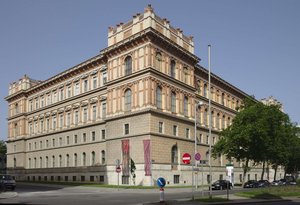 Academy of Fine Arts Vienna |
Viedeň | 1 | View of Rio de Janeiro |
 Národné múzeum vo Varšave |
Varšava | 1 | Ischian landscape |
 Museu Carlos Gomes |
Campinas | 1 | Violas |
Vyberte si dekádu a pozrite si originál, ktorý ju definuje.


The Grossglockner with the Pasterze Glacier (1830), Residenzgalerie, Salzbursk. Nasledujú The Cemetery Gate (Cemetery near Wien) (1820) a Berchtesgaden with Watzmann (1818).
37 rokov: The Grossglockner with the Pasterze Glacier vzniklo v roku 1830 a Thomas Ender sa narodil/a v roku 1793.
The Grossglockner with the Pasterze Glacier, The Cemetery Gate (Cemetery near Wien), Berchtesgaden with Watzmann, Near Sparbach, Niederösterreich, Seidelwinkel in der Rauris, Landscape of Guanabara bay, Rocky coast in Italy, Coast of Sorrento, Area near Ischl a Large landscape with figures. Vyššie uvedené hodnotenie uvádza rok a múzeu pre každé z nich.
Náš katalóg obsahuje 38 diel od umelca Thomas Ender z perioda od 1818 do 1860.
Väčšinou v Knižnica Maďarskej akadémie vedeckých umení (Budapešť), Residenzgalerie (Salzbursk) a Museu de Arte de São Paulo Assis Chateaubriand (Sao Paulo). Tabuľka múzeí vyššie ich všetky uvádza.
V období 1810s: 5 z 36 diel na tejto stránke bolo vytvorených vtedy, pričom Berchtesgaden with Watzmann z nich.
Na tejto stránke je najstaršie dielo z Berchtesgaden with Watzmann (1818) a najnovšie z The Pieniny Mountains with the Dunajec River (1860).
Landscape (3) a Alpine landscape (2), v rámci 36 diel na tejto stránke.
The Pieniny Mountains with the Dunajec River, Orava Castle a Povážský Hrad and the Renaissance Mansion: múzeá Knižnica Maďarskej akadémie vedeckých umení, Budapešť uchovávajú 3 z diel na tejto stránke.