
 Náhľad
 Odoslať
 Zdieľať
 Podrobnosti o dielo

 Stiahnuť
 Podobné diela
 RTG skúška
 Prezentácia
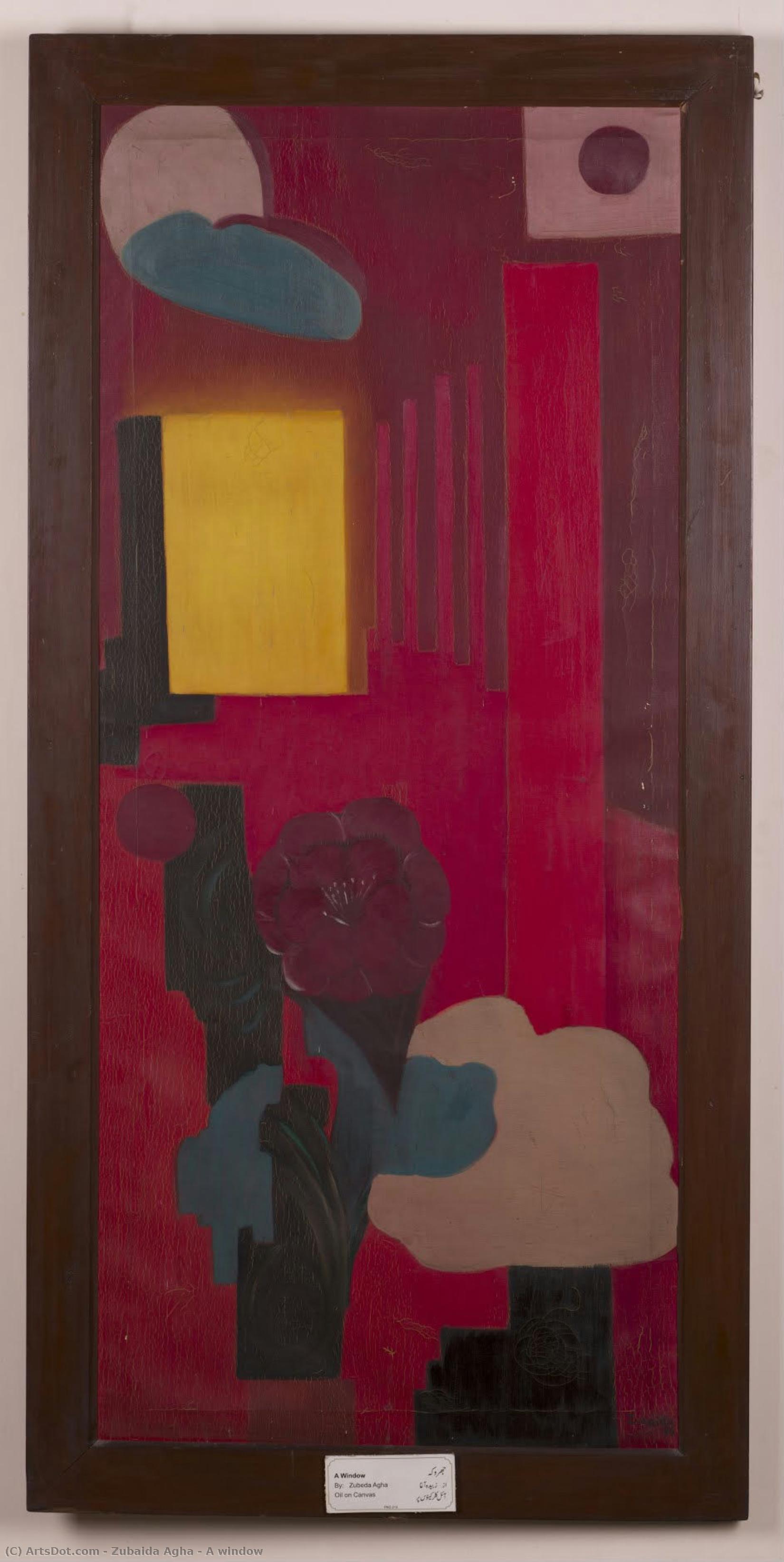
A window


 Zobraziť viac
Kúpte si digitálnu snímku vo vysokom rozlíšení s vylepšenými detailmi, ktorá je oveľa kvalitnejšia než online náhľad.
Každý súbor starostlivo pripravujú naši interní špecialisti pomocou pokročilých nástrojov a odborného manuálneho retušovania. Zabezpečujeme, aby každý obrázok disponoval výnimočnou čistotou, presnou farebnou vernosťou a jemnými detailmi.
Konečný súbor vám bude doručený e-mailom do 72 hodín, optimalizovaný pre okamžité použitie v profesionálnom, redakčnom aj tlačovom prostredí. Ide o rovnakú kvalitu, ktorej dôverajú špičkové dizajnérske štúdiá, vydavateľstvá a galérie.
Digitálny obraz
Stiahnite si vysokorozlíšený súbor na osobné zobrazovanie, tlačenie a kreatívne projekty. ( Kúpiť tlač Kúpiť ručne maľovaný obraz)
Súčasťou každej objednávky digitálneho obrazu
Expetórne digitálne doručenie, garantované
Keď si vyberiete OriginalUniqueArt.com, nedostávate len obrázok – získate profesionálne upravené digitálne umenie, vytvorené s precíznosťou a so zárukou vašej maximálnej spokojnosti. Tu je všetko, čo je súčasťou vašej objednávky automaticky:

Rýchle doručenie e-mailom
Vaša vysokorozlíšená digitálna súprava obrázkov vám bude zaslaná e-mailom do 72 hodín od objednávky – pripravená na okamžité použitie.

Digitálny súbor s vylepšením AI
Vaše dielo je profesionálne optimalizované pomocou pokročilých nástrojov umelej inteligencie a manuálnej editácie, čo zaručuje maximálnu úroveň detailov, čistotu a presnosť farieb.

Bezplatné celoživotné opätovné doručenie
Náhodou ste zmazali alebo ste stratili svoj súbor? Nebavžte sa – pošleme vám ho kedykoľvek znova, úplne bez poplatkov.

Bez poplatkov za dovoz – navždy
Užite si svoje umelodelo okamžite bez colných poplatkov, daní alebo nákladov na dopravu – digitálne stiahnutia sú vždy oslobodené od dane.

Garantovaná presnosť farieb
Pomocou profesionálnych nástrojov a farebného manažmentu zabezpečujeme, aby vaša digitálna fotografia čo najpresnejšie odrážala pôvodné farby.

60-dňová záruka spokojnosti
Ak nebudete spokojní so svojou digitálnou fotografiou, upravíme ju alebo vám vrátime 100% v priebehu 60 dní – bez zbytočných otázok.

100% Záruka vrátenia peňazí
Nie ste spokojní? Získajte plnú náhradu peňazí do 60 dní od prijatia vášho digitálneho súboru – bez zbytočných otázok.

Zľavy pri veľkom odbere
Kúpte si 3 obrazy, ušetrite 10% - Kúpte si 5, ušetrite 15% - Kúpte si 10+, ušetrite 20%. Ideálne pre kreatívne projekty, galérie a agentúry.
Životopis umelca
Lucian Freud: A Portrait of the Soul
Lucian Michael Freud (1922-2011) remains one of the most compelling and challenging figures in 20th-century British art. More than simply a portrait painter, Freud offered an intensely personal and often unsettling exploration of human psychology, capturing not just appearances but the very essence – the vulnerability, the awkwardness, and the quiet dignity – of his subjects. His work, characterized by thick impastoed surfaces, intimate scale, and a deliberate avoidance of sentimentality, continues to provoke debate and admiration decades after its creation.
Born in Berlin during the turbulent years of the Weimar Republic, Freud’s early life was profoundly shaped by his family's Jewish heritage and their eventual emigration to London in 1933. The shadow of Sigmund Freud, his grandfather, loomed large, though Lucian himself remained largely detached from his famous relative’s psychoanalytic theories. He received a somewhat erratic education, attending Dartington Hall and Bryanston School before being expelled for disruptive behavior – an experience that arguably contributed to the guarded and private nature he brought to his art. This early period of instability instilled in him a deep-seated need to observe and understand human behaviour, laying the foundation for his future work.
Freud’s artistic journey began with a flirtation with Surrealism in the 1940s, influenced by the vibrant energy of Paris. However, he quickly moved beyond this initial phase, embracing Expressionism before ultimately developing a distinctive style rooted in realism and psychological observation. His early works, such as “Portrait of Kitty” (1948-49), already hinted at his signature approach – a deliberate flattening of perspective, an almost claustrophobic intimacy, and a focus on the sitter’s physicality. This period was also marked by a strong influence from Cedric Morris, who encouraged him to study life drawing and develop his skills.
The Development of a Distinctive Style
The 1950s witnessed the solidification of Freud's artistic vision. He began to work almost exclusively from life, demanding extended sittings – sometimes lasting for days – from his subjects. This rigorous process wasn’t merely about capturing likeness; it was an attempt to penetrate the sitter’s inner world, revealing their anxieties, vulnerabilities, and unspoken truths. His portraits are rarely flattering; they often depict figures in moments of discomfort, awkwardness, or quiet contemplation. The use of thick, almost sculptural paint created a tactile surface that seemed to breathe with life, drawing the viewer into the scene.
Freud’s technique was notoriously demanding. He employed a palette knife and other tools to build up layers of paint, creating a dense, textured surface that absorbed light and cast deep shadows. This physicality is crucial to his work; it suggests a profound engagement with the subject matter, as if he were not simply painting an image but actively shaping and molding it from within. His compositions are often deliberately unbalanced, further contributing to the sense of unease and psychological intensity.
Key Works and Influences
Several key works exemplify Freud’s artistic evolution and his unique approach to portraiture. “Benefits Supervisor Sleeping” (1995), a monumental depiction of model Joy Division, is arguably his most famous painting, capturing the sitter's profound weariness and vulnerability with unflinching honesty. “Mountainous Figure” (1962) showcases his ability to convey a sense of isolation and power through the use of scale and composition. Throughout his career, Freud was influenced by artists such as Rembrandt, Velázquez, and Bacon, but he forged his own distinctive path, creating a body of work that is both deeply personal and universally resonant.
The 1922 Group, a small circle of artists who emerged in Scotland after World War I, provided an early platform for Freud’s artistic development. This group, characterized by its rejection of established norms and its embrace of modernism, fostered a spirit of experimentation and encouraged Freud to explore new approaches to painting. The influence of figures like Picasso and Cocteau during the 1920s also played a significant role in shaping his early style.
Legacy and Historical Significance
Lucian Freud’s impact on British art is undeniable. He challenged conventional notions of portraiture, moving beyond idealized representations to offer a brutally honest and psychologically complex portrayal of the human condition. His work continues to be exhibited widely and studied by scholars and artists alike. Freud's uncompromising vision and his willingness to confront difficult subjects have cemented his place as one of the most important and influential painters of the 20th century, leaving behind a legacy that is both unsettling and profoundly moving.
His later years were marked by increasing recognition and acclaim, culminating in retrospective exhibitions at major museums around the world. Despite his private nature, Freud’s work has had a lasting impact on contemporary art, influencing generations of artists with its raw honesty, psychological depth, and masterful technique.

zubaida agha
1922 - 1997 , Pakistan
Základné informácie
- Artistic Movement Or Style: Figurative art, Portraiture
- Artists Or Movements Influenced By This Artist: ['David and Eli School']
- Artists Who Influenced This Artist:
- Surrealism
- Expressionism
- Date Of Birth: 8 December 1922
- Date Of Death: 20 July 2011
- Full Name: Lucian Michael Freud
- Nationality: British
- Notable Artworks:
- Portrait of Kitty
- Benefits Supervisor Sleeping
- Place Of Birth: Berlin, Germany

