
 Náhľad v interiéri
 Odoslať ako digitálnu kartu
 Zdieľať
 Podrobnosti o dielo
 Príručka

 Stiahnuť obraz
 Podobné položky
 RTG skúška
 Prehliadanie diapozoje
 Otázky a odpovede
 Štatistiky
Work

- 130.0 x 130.0 cm


 Zobraziť viac
Umelecké dielo zobrazené na tejto stránke je chránené autorským zákonom, čo znamená, že nemôžeme legálne vytvárať ani predávať jeho identickú reprodukciu. Táto ochrana je vymáhaná na základe medzinárodných dohôd, ako napríklad Bernská konvencia a národnými zákonmi, vrátane tých, ktoré sú stanovené v Autorské právo USA – Title 17. Všetky práva vyhradené.
Táto metóda plne dodržiava autorské práva, pretože nezahŕňa kopírovanie ani duplikovanie chráneného diela. Ide skôr o kreatívnu reinterpretáciu – nový obraz, ktorý je ovplybnený originálom, no nie je s ním identický.
Giclée / Umenotlač
Giclée tlač alebo plátno múzeálnej kvality s rýchlou výrobou a rôznymi možnosťami povrchovej úpravy. ( Kúpiť ručne maľovaný obraz Prepnúť na digitálny obraz)




































Vyberte si z našich preddefinovaných rozmerov, ktoré zodpovedajú pôvodným pomeroḿ diela.

Zadajte šírku a výšku, ktoré potrebujete, aby sa reprodukcia hodila k vášmu rámu alebo stene. Print možno len orezávať, nikdy však nemennú veľkosť zvětšiť oproti pôvodnému obrázku, preto pri inom formáte stráca časť obrazu. Pred samotným vytlačiacím procesom vám pošleme digitálny náhľad na schválenie. Obrázok zobrazený na tejto stránke nezobrazuje reálny rez — len digitálny náhľad ukazuje presný výsledok.
Celosvetová doprava () do 2 týždňov namiesto štandardných 4 až 5 týždňov. (8 november)

Bezplatná expresná doprava po celom svete

Vysokokvalitné lnianske plátno

Kompletné poistenie prepravy

Záruka vrátenia colného poplatku

Záruka presného farebného zhodnutia

100-dená politika vrátenia tovaru (iba pri vadách)

100% záruka vrátenia peňazí

Zľava pri väčšom množstve
 Možnosť skla je dostupná len pri rozmeroch pod 110 cm

Work
Giclée / Umenotlač
Veľkosť reprodukcie
-


Celková cena
€ 72
A Symphony of Geometry and Light
In this mesmerizing 1967 masterpiece, the legendary Korean pioneer Yoo Youngkuk invites us into a realm where the boundaries between landscape and pure abstraction dissolve. At first glance, the eye is immediately captured by a commanding, luminous yellow triangle that anchors the composition with an almost celestial intensity. This central form, bathed in a glow that suggests a light source from below, acts as a beacon of stability amidst a sea of shifting colors. The artwork does not merely depict a shape; it orchestrates a visual drama where the weight of geometry meets the ethereal quality of light. As the eye wanders across the canvas, one discovers a sophisticated interplay of horizontal bands in deep greens and tranquil blues, creating a rhythmic depth that evokes the layered horizons of a mountain range or the stratified layers of memory itself.
The technique employed here is a testament to Yoo’s mastery of texture and emotional resonance. Moving beyond simple flat shapes, the artist utilizes an impasto-like application of oil paint, lending a tactile, sculptural quality to the surface. These thick, gestural strokes allow the light to catch on the ridges of the pigment, adding a physical dimension to the abstract forms. The bold, expressive lines that define the edges of each shape are not merely boundaries but energetic pulses that contribute to the painting's dynamic vitality. This rugged texture contrasts beautifully with the precision of the geometric arrangement, creating a tension between controlled structure and spontaneous, painterly movement that keeps the viewer perpetually engaged.
The Soul of Korean Abstraction
To understand this work is to understand the profound historical context of Yoo Youngkuk’s journey. Emerging from a period of immense social transformation in South Korea, Yoo sought to forge a new visual language—one that moved away from literal representation toward a distilled essence of nature. While his compositions are undeniably abstract, they remain deeply rooted in the spirit of the Korean landscape. The upward orientation of the central triangle can be interpreted as a symbol of enlightenment, strength, or the enduring majesty of the mountains that inspired his early life. There is a quiet, meditative power within this piece; it captures the feeling of standing before a vast horizon, where the physical world is stripped away to reveal its underlying structural truth.
For the discerning collector or interior designer, this artwork offers much more than mere decoration; it provides a focal point of intellectual and emotional depth. The striking contrast between the warm, sun-drenched yellows and the cool, receding blues makes it an extraordinary addition to a modern space, capable of commanding attention in a minimalist gallery setting or adding a sophisticated layer of complexity to a contemporary living room. It is a piece that invites contemplation, offering a sense of balance and structural harmony that can ground a room while simultaneously inspiring the imagination through its vibrant, energetic spirit.
Otázky a odpovede
Koľko rokov mal/a Yoo Youngkuk, keď vzniklo dielo „Work“?
Yoo Youngkuk vytvoril/a „Work“ vo veku 51 rokov. Umenec sa narodil/a v roku 1916 a dielo pochádza z roku 1967.
Ako je vybudovaná farebná kompozícia diela „Work“ od Yoo Youngkuk?
Farebná kompozícia diela „Work“ od Yoo Youngkuk spája Statement kontrast s Discordant Palette harmóniou.
Je k dispozícii vysokorozlíšiteľné stiahnutie diela „Work“?
„Work“ je k dispozícii ako stiahnutie digitálneho obrázka vo vysokom rozlíšení, ktorý si môžete zakúpiť priamo na jeho stránke Digitálna fotografia.
Biografia umelca
Pionier korejskej abstrakcie: Život a umenie Yoo Youngkuka
Yoo Youngkuk, meno synonymické s narodzením abstraktného umenia v Kórei, sa objavil ako kľúčová postava počas obdobia nesmiernych sociálnych a politických nepokojov. Narodený v roku 1916 v pobrežnom mestečku Uljin v Južnej Kórei, prežíval svoju umeleckú cestu ako neustále hľadanie a neochvakiteľnú oddanososť k vytvoreniu nového vizuálneho jazyka pre národ zápasujúci s identitou a modernou. Jeho skorý život, ponorený do prírodnej krásy kórejskej krajiny – najmä do majestátnych hôr, ktoré sa stali opakovanej motívom počas jeho celej kariéry – v нём vyvetrel hlboké spojenie s prírodou, pocit, ktorý jemne prenikol aj do jeho najprísnejších geometrických kompozícií. Táto formujúca skúsenosť položila základy pre umeleckú víziu, ktorá sa nesnažila len reprezentovať vonkajší svet, ale destilovať jeho podstatu do čistej formy a farby. Yooova cesta k abstrakcii začala formálnym tréningom na univerzite Bunka Gakuin v Tokiu, kde v roku 1938 úspešne absolvoval odbor olejomaľby. Práve tu stretol západné abstraktné hnutia a vstúpil do dialógu s pionírskymi japonskými umelcami, akými boli Murai Masanari a Hasegawa Saburo, ktorých postavy hlboko ovplyvnili jeho rané experimenty a upevnili jeho záväzok k nepredstaviteľnému umeniu.Vytváranie novej cesty: Sinsasil-pa a rané experimenty
Po návrate do Kórei v roku 1943 uprostred turbulencií druhej svetovej vojny čelil Yoo významným výzvam pri presいてもvaní svojej umeleckej vízie. Vojenské roky boli poznačené ťažkosťami a rozruchom, čo ho nútilo zabezpečovať si obživu rôznymi spôsobmi, zatiaľ čo si udržával neúprosnú vernosť svojmu umeniu. Avšak s oslobodením Kórei a následným vznikom Južnej Kórei sa pre umeleckú komunitu národného prostredia začal nový éra. V roku 1948 sa Yoo Youngkuk spojil s Kim Whankim a Lee Kyusangom, aby založili Sinsasil-pa (Skupina nového realizmu), čo bol zlomový moment v histórii kórejského umenia. Tento avantgardný kolektív predstavoval prvý organizovaný pokus o odtrhenutie sa od tradičných reprezentatívnych štýlov a prijatie moderného abstraktného vyjadrenia. Manifest skupiny vyzýval k umeniu, ktoré by odrážalo realitu povojenej Kórei, ale interpretovalo ju cez šošovku abstrakcie – čo bol odvážny krok, ktorý vyzval konvencionálne umelecké normy a vyvolal debaty v kórejskom umeleckom svete. Yooove rané práce z tohto obdobia demonštrujú dynamickú interakciu medzi farebnými plochami a vznikajúcimi geometrickými tvarmi, čo naznačuje smer, ktorým by jeho štýl v neskorších rokoch kráčal. Na dva roky zdieľal svoje skúsenosti aj ako profesor na Národnej univerzite v Seule, čím prispel k výchove ďalšej generácie umelcov.Hora vo vnútri: Evolúcia štýlu a symbolický rezonanc
Počas 50. rokov a začiatku 60. rokov prešla umelecká stopa Yoo Youngkuka významnou transformáciou. Zatiaľ čo jeho ranšie práce skúmali maľbu farevných polí, postupne začal začleňovať definovanejšie geometrické tvary, ovplyvnený svojím prebiehajúcim dialógom s prírodou a osobnými skúsenosťami. Toto obdobie prinieslo vznik toho, čo sa stalo jeho podpisovým motívom: hory. Často označovaný ako „maľba horských vrcholov“, Yoo nepredstavoval hory v doslovnom zmysle; skôr abstrahoval ich podstatu – ich pevnosť, ich veľkoleposť, ich duchovnú rezonanciu – do silných kompozícií farieb a tvarov. Hora sa stala symbolom samotnej Kórey, predstavujúc odolnosť, vytrvalosť a nezlomného ducha národa. Po svojej účasti na Bienále v São Paule v roku 1963 zažíval Yoo obdobie umeleckej konsolidácie, kedy sa od vrstvených aktivít odvrátil a sústredil sa na sólové výstavy, ktoré sa konali každé dva roky počas dvoch dekaád. To mu umožnilo doladiť svoj jedinečný štýl, posúvať hranice geometrickej abstrakcie a skúmať čoraz zložitejšie vzťahy medzi farbou, čiarou a priestorom. Napriek čeleniu invalidizujúcim ochoreniam, ktoré ho od 60. rokov viazali na invalidný vozík, jeho tvorivá energia zostala neochmezená; pokračoval v maľbe s neúprosnou oddanosťou až tri roky pred svojou smrťou v roku 2002 vo veku osemdesiatich šiestich rokov.Trvalé oddedičenie: Uznanie a nekonečný vplyv
Príspevky Yoo Youngkuka k kórejskému modernému umeniu boli počas jeho života široko uznávané, čo vyvrcholilo recenziou v časopise Monthly Art, ktorý ho vyzdvihol ako najvýraznejšieho umelca spomedzi viac ako stovky jeho súčasníkov. Jeho dielo bolo rozsiahle vystavované doma aj v zahraničí, čím si upevnilo svoju pozíciu vedúcej postavy na globálnej scéne abstraktného umenia. Jeho oddedičenie presahuje jeho obrazy; otvoril cestu nasledujúcim generáciám kórejských umelcov k objavovaniu abstrakcie a experimentovaniu s novými formami vyjadrenia. Yooova neochvakiteľná oddanosť umeleckej inovácii, v spojení s jeho hlbokým prepojením s kórejskou kultúrou a krajinou, pokračuje v inšpirovačnom procese aj dnes. Jeho schopnosť preložiť emocionálne a duchovné kvality prírody do čisto abstraktného vizuálneho jazyka zostáva dôkazom jeho hlbokej umeleckosti a trvalého vplyvu. Preskúmavanie majstrovských diel Yoo Youngkuka – ako napríklad „Mountain“ alebo „Work“ – ponúka pohľad do mysle skutočného pioniera, umelca, ktorý sa odvážil porušiť tradíciu a vytvoriť novú cestu pre kórejské umenie. Jeho práca stojí ako mocné pripomienky transformatívnej sily abstrakcie a jej schopnosti zachytiť podstatu nielen vonkajšieho sveta, ale aj vnútorného ja.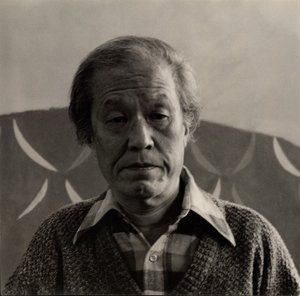
Yoo Youngkuk
1916 - 2002 , Južná Korea
Základné informácie
- Artistic Movement Or Style: Abstraktné umielenskosť
- Artists Or Movements Influenced By This Artist:
- Constructivism
- Suprematism
- Artists Who Influenced This Artist:
- Murai Masanari
- Hasegawa Saburo
- Date Of Birth: 1916
- Date Of Death: 2002
- Full Name: Yoo Youngkuk
- Nationality: Južnohorský
- Notable Artworks:
- Mountain
- Work
- Place Of Birth: Uljin, Južná Korea
Súvisiace články

Wassily Kandinsky: Top 25 diel pre milovníkov umenia a dokonalý dizajn interiéru
Ponorte sa do sveta Wassilyho Kandinského s OriginalUniqueArt.com! Objavte top 25 diel abstraktného umenia, expresionizmu a farebných kompozícií. Kúpiť reprodukcie obrazov pre dokonalý dizajn interiéru. Explore the full collection online.

Neo-Abstract Art: The High-Impact Evolution of Modern Visual Energy and Geometric Sophistication
Discover the power of Neo-Abstract art. Explore how bold geometric forms and high-impact visual energy are redefining modern design. Learn to curate sophisticated, high-energy spaces with the latest trends in contemporary abstraction and structural color.

Top 10 majstrov geometrickej abstrakcie: Umění pre váš domov s OriginalUniqueArt.com
Ponorte sa do sveta geometrickej abstrakcie! Objavte 10 majstrovských diel od Mondriana, Kandinského a ďalších. História umenia, techniky a farebné kompozície na OriginalUniqueArt.com – reprodukcie obrazov pre váš domov.

Beyond Form & Color: Geometric Abstraction's Evolution in 20th/21st Century Art
Explore the evolution of geometric abstraction from Cubism to contemporary art. Discover key artists like Malevich & Mondrian, investment insights, and expert collecting advice at OriginalUniqueArt.
Beyond Form & Color: Geometric Abstraction's Enduring Legacy in Art History
Explore the captivating world of geometric abstraction! Discover its origins, key artists like Malevich & Mondrian, and why this movement remains highly valued by art collectors today. Expert insights at OriginalUniqueArt.