
 Náhľad
 Odoslať
 Zdieľať
 Podrobnosti o dielo

 Stiahnuť
 Podobné diela
 RTG skúška
 Prezentácia
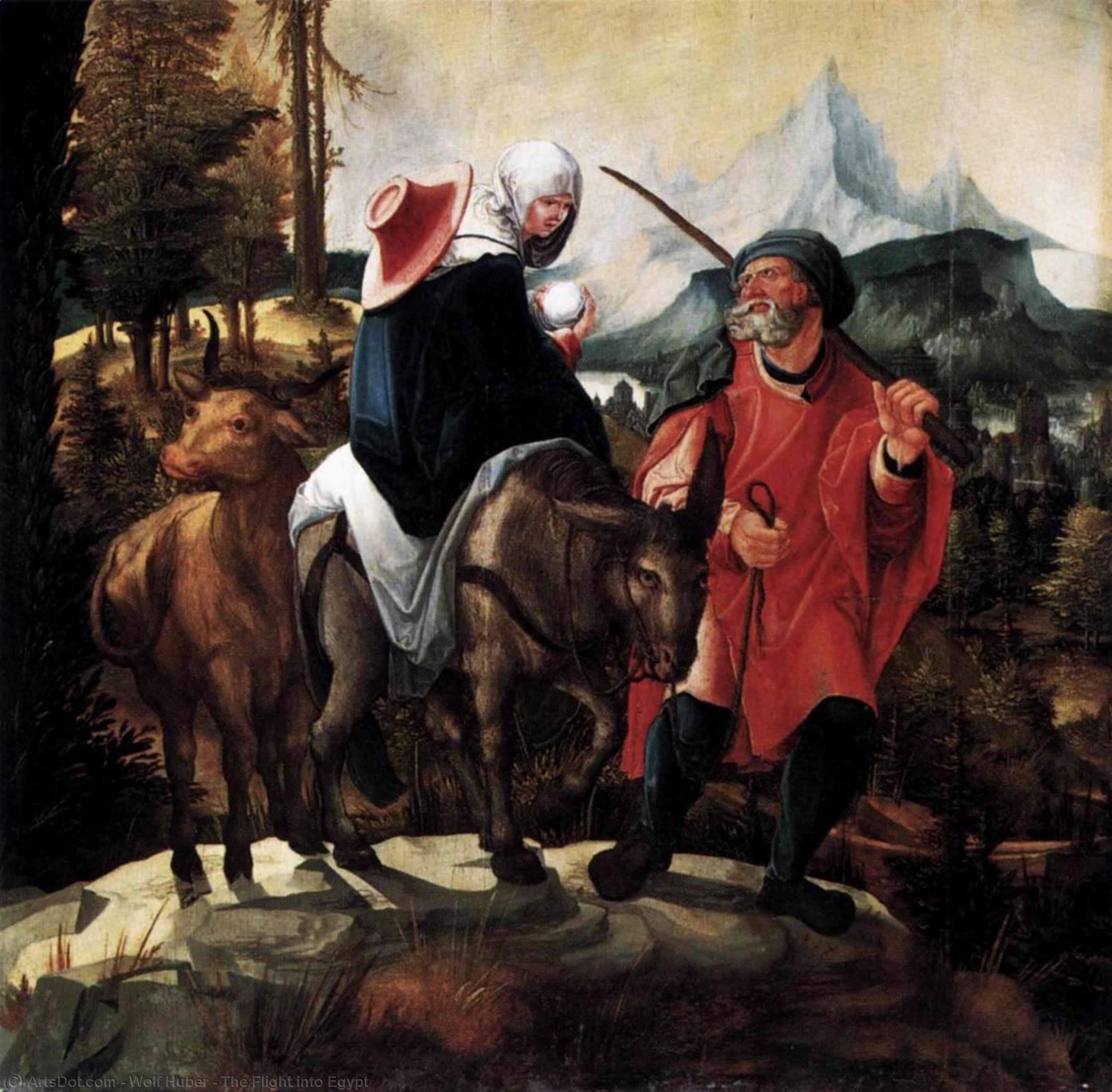
The Flight into Egypt
 Oil On Canvas
- WallArt
- Renaissance
 1525
1525- Renaissance
 56.0 x 57.0 cm
 Staatliche Museen zu Berlin
 Zobraziť viac
Kúpte si digitálnu snímku vo vysokom rozlíšení s vylepšenými detailmi, ktorá je oveľa kvalitnejšia než online náhľad.
Každý súbor starostlivo pripravujú naši interní špecialisti pomocou pokročilých nástrojov a odborného manuálneho retušovania. Zabezpečujeme, aby každý obrázok disponoval výnimočnou čistotou, presnou farebnou vernosťou a jemnými detailmi.
Konečný súbor vám bude doručený e-mailom do 72 hodín, optimalizovaný pre okamžité použitie v profesionálnom, redakčnom aj tlačovom prostredí. Ide o rovnakú kvalitu, ktorej dôverajú špičkové dizajnérske štúdiá, vydavateľstvá a galérie.
Digitálny obraz
Stiahnite si vysokorozlíšený súbor na osobné zobrazovanie, tlačenie a kreatívne projekty. ( Prejsť na tlač Prejsť na ručne maľovanú reprodukciu)
Súčasťou každej objednávky digitálneho obrazu
Expetórne digitálne doručenie, garantované
Keď si vyberiete OriginalUniqueArt.com, nedostávate len obrázok – získate profesionálne upravené digitálne umenie, vytvorené s precíznosťou a so zárukou vašej maximálnej spokojnosti. Tu je všetko, čo je súčasťou vašej objednávky automaticky:

Rýchle doručenie e-mailom
Vaša vysokorozlíšená digitálna súprava obrázkov vám bude zaslaná e-mailom do 72 hodín od objednávky – pripravená na okamžité použitie.

Digitálny súbor s vylepšením AI
Vaše dielo je profesionálne optimalizované pomocou pokročilých nástrojov umelej inteligencie a manuálnej editácie, čo zaručuje maximálnu úroveň detailov, čistotu a presnosť farieb.

Bezplatné celoživotné opätovné doručenie
Náhodou ste zmazali alebo ste stratili svoj súbor? Nebavžte sa – pošleme vám ho kedykoľvek znova, úplne bez poplatkov.

Bez poplatkov za dovoz – navždy
Užite si svoje umelodelo okamžite bez colných poplatkov, daní alebo nákladov na dopravu – digitálne stiahnutia sú vždy oslobodené od dane.

Garantovaná presnosť farieb
Pomocou profesionálnych nástrojov a farebného manažmentu zabezpečujeme, aby vaša digitálna fotografia čo najpresnejšie odrážala pôvodné farby.

60-dňová záruka spokojnosti
Ak nebudete spokojní so svojou digitálnou fotografiou, upravíme ju alebo vám vrátime 100% v priebehu 60 dní – bez zbytočných otázok.

100% Záruka vrátenia peňazí
Nie ste spokojní? Získajte plnú náhradu peňazí do 60 dní od prijatia vášho digitálneho súboru – bez zbytočných otázok.

Zľavy pri veľkom odbere
Kúpte si 3 obrazy, ušetrite 10% - Kúpte si 5, ušetrite 15% - Kúpte si 10+, ušetrite 20%. Ideálne pre kreatívne projekty, galérie a agentúry.
Životopis umelca
Titian: The Sun of Venice
The decade of the 1490s witnessed a burgeoning Renaissance across Europe, and within that vibrant landscape, Titian – born Tiziano Vecellio around 1488/90 in the small Alpine town of Pieve di Cadore – emerged as its most dazzling star. His life, spanning nearly eight decades, coincided with an extraordinary period of artistic innovation, marked by a shift towards individualism and a profound exploration of color and light. While often overshadowed by his contemporaries like Leonardo da Vinci and Michelangelo, Titian’s influence on subsequent generations of artists is undeniable, shaping the trajectory of Venetian painting for centuries to come.
Titian's early training was steeped in the traditions of the Veneto region. He began his apprenticeship with Sebastiano Zuccato, a prominent mosaicist, and later honed his skills under Gentile Bellini, one of Venice’s most esteemed masters. This formative period exposed him to the established techniques of Venetian painting – a style characterized by its rich pigments, atmospheric perspective, and a focus on depicting the beauty of everyday life. However, it was through his association with Giorgione, another influential painter in Venice, that Titian truly began to forge his own distinctive voice. Giorgione’s innovative use of color and his penchant for portraying idyllic landscapes profoundly impacted Titian's artistic development, laying the groundwork for his later mastery of chromatic harmony.
The Rise of a Master
Following Giorgione’s untimely death in 1510, Titian seized the opportunity to establish himself as an independent artist. He quickly gained recognition for his portraits and mythological scenes, attracting the attention of wealthy patrons throughout Italy – from Venice itself to the courts of Florence, Ferrara, Mantua, and even Spain. His ability to capture the essence of his subjects, combined with his innovative use of color and composition, made him one of the most sought-after painters in Europe. Early commissions included frescoes for prestigious buildings like the ‘Scuola del Santo’ in Padua, where he demonstrated his burgeoning compositional skills and mastery of perspective.
A pivotal moment in Titian's career came with the execution of the ‘Assunta’ altarpiece for Santa Maria Gloriosa dei Frari in Venice (1518). This monumental work, characterized by its dynamic composition, vibrant colors, and dramatic use of light, established Titian as a leading figure in Venetian painting and set a new standard for altarpieces throughout Italy. The ‘Assunta’ marked a decisive break from the more restrained styles of his predecessors, signaling the arrival of a truly original artistic voice.
Technique and Innovation
Titian's technical prowess was legendary. He possessed an unparalleled understanding of color theory, meticulously mixing pigments to achieve astonishingly luminous effects. His brushwork was loose and expressive, often employing rapid, gestural strokes to convey movement and emotion. Unlike the meticulous detail favored by some of his contemporaries, Titian prioritized capturing the *essence* of a subject – its mood, atmosphere, and inherent beauty. He experimented extensively with different techniques, including glazing (applying thin layers of translucent paint) and scumbling (creating textured surfaces through the application of broken color), further enhancing the richness and depth of his paintings.
Furthermore, Titian’s influence extended beyond mere technique. He was a pioneer in the use of color as a primary expressive device, moving away from the predominantly dark palettes favored by earlier Venetian painters. His compositions often featured dramatic contrasts between light and shadow, creating a sense of dynamism and visual excitement. His portraits were particularly notable for their psychological depth and ability to capture the personality of his subjects – whether noblemen, merchants, or religious figures.
Legacy and Influence
Titian’s impact on the course of Western art is profound. He established a new paradigm for Venetian painting, inspiring generations of artists with his innovative use of color, composition, and technique. His influence can be seen in the works of countless painters, including Tintoretto, Veronese, and even later masters such as Rembrandt and Turner. His emphasis on individual expression and his willingness to experiment with new approaches paved the way for the development of modern painting.
Despite facing challenges – including periods of financial hardship and professional rivalry – Titian remained a remarkably prolific and influential artist throughout his long career. He died in Venice in 1576, leaving behind a vast body of work that continues to captivate and inspire viewers today. Titian’s legacy as the “sun of Venice” endures, illuminating the artistic landscape for centuries to come.

wolf huber
1490 - 1553 , Austria
Základné informácie
- Artistic Movement Or Style: Renaissance painting”
- Artists Or Movements Influenced By This Artist:
- Venetian School
- European painting
- Artists Who Influenced This Artist:
- Giorgione
- Giovanni Bellini
- Date Of Birth: c. 1490
- Date Of Death: 1576
- Full Name: Tiziano Vecellio”
- Nationality: Venetian
- Notable Artworks:
- Assumption of the Virgin
- Venus of Urbino
- Bacchus and Ariadne
- Place Of Birth: Pieve di Cadore, Italy

