Zobraziť v interiéri
 Odoslať
 Zdieľať
 Podrobnosti
 Príručka

 Stiahnuť
 Podobné položky
 RTG skúška
 Prehliadanie diapo\]
 Štatistiky
Pod palmou


 Prečítať si viac
Giclée / Umenotlač
Giclée tlač alebo plátno múzeálnej kvality s rýchlou výrobou a rôznymi možnosťami povrchovej úpravy. ( Objednať ručne maľovanú reprodukciu Prepnúť na digitálnu verziu obrazu)




P118B €10

P118H €10

P118W €10

P438Z €10

P508JH €12

P508YH €12

P805H €10

P805Z €10

P919BZ €10

P919G €10

P919XJ €10

P959ZH €10

P968JZ €12

W106C €8

W218G €10

W218JH €8

W218Y €10

W307PJ €10

W316G €10

W316PJ €8

W316Y €10

W398PJ €8

W4111J €10

W500HY €15

W500JH €15

W692G €12

W849H €8

W940BG €15

W953PJ €8




Vyberte si z našich preddefinovaných rozmerov, ktoré zodpovedajú pôvodným pomeroḿ diela.

Zadajte šírku a výšku, ktoré potrebujete, aby sa reprodukcia hodila k vášmu rámu alebo stene. Print možno len orezávať, nikdy však nemennú veľkosť zvětšiť oproti pôvodnému obrázku, preto pri inom formáte stráca časť obrazu. Pred samotným vytlačiacím procesom vám pošleme digitálny náhľad na schválenie. Obrázok zobrazený na tejto stránke nezobrazuje reálny rez — len digitálny náhľad ukazuje presný výsledok.
Celosvetová doprava () do 2 týždňov namiesto štandardných 4 až 5 týždňov. (25 október)

Bezplatná expresná doprava po celom svete

Vysokokvalitné lnianske plátno

Úplné poistenie prepravy

Záruka vrátenia colného poplatku

Záruka presného farebného zhodnutia

100-dená politika vrátenia tovaru (iba pri vadách)

100% záruka vrátenia peňazí

Ponuka množstevnej zľavy
 Možnosť skla je dostupná len pri rozmeroch pod 110 cm

Pod palmou
Giclée / Umenotlač
Veľkosť reprodukcie
-


Celková cena
€ 70
Winslow Homerova "Pod palmom" – Očarujúci pohľad do tichého súžitia s prírodou
Winslow Homerova “Pod palmom”, namalovaná v roku 1886 a dnes uložená v zbierke Národnej galérie umenia, nie je len obrazom tropického prostredia; je to ponor do hlbokého pocitu pokoja a intímneho spojenia. Tento vodfarbový majstrovkýšok prechádza za hranice jednoduchého krajinárskeho diela a ponúka pohľad na tichú krásu ľudského vzťahu v súlade s nádherou prírody. Homer, kľúčová postava amerického umenia 19. storočia, mistorne zachytáva plynulý okamih – ženu nežne držiacu dieťa pod ochranou palmového konára – obraz, ktorý rezonuje v divákoch dlho po prvom pozorovaní.
Kompozícia obrazu je zvonkom jednoduchá, no úžasne účinná. Homer mistorne vyvažuje a harmonizuje, upierajúc našu pozornosť na hlavnú postavu matky a dieťaťa. Samotný palmový konár funguje ako vizuálny pilier, jeho vetvy sa priebehli cez plátno diagonálne, čím vytvárajú pocit hĺbky a rámujú intímnu scénu. Všimnite si, ako umelec jemne používa farebné variácie – teplé tóny pokožky matky kontrastujú s chladnejšími tónmi rastlín – aby zvýraznil emocionálny dopad. Prítomnosť ďalšieho jedinca naľavo, čiastočne zakrytého, pridáva vrstvu príbehu bez toho, aby narušil hlavný zameranie; tichý svedok tejto súkromnej chvíle. A pes, uložený priamo v centre, predstavuje prvok domáceho života a posilňuje pocit známej, pohodovej atmosféry.
Maestrovská vodfarbá technika Homera
Homerova réžia ako vodfarbára bola bezkonkurenčná, a “Pod palmom” je dôkazom jeho výnimočnej zručnosti. On neaplikoval farby len tak; on ich „vytiahol“ na papier, budoval vrstvy priezračných náplní, aby vytvoril úžasný jasný efekt. Jemné vykreslenie svetla prenikajúceho cez palmové lístie je zvlášť pozoruhodné – Homer zachytene svetlo s ohromujúcou presnosťou, vnášajúc do scény pocit tepla a vitalite. Voľné, expresívne štetinové čiary prispievajú k celkovému pocitu spontánnosti a okamžitosti, ako keby sme sa náhodne zoznámili s touto tichou scénou.
Okrem toho Homerova schopnosť vyjadriť textúru je výnimočná. Hrubá koža palmového konára, mäkké vrstvy odevu matky a dokonca jemná pokožka dieťaťa sú vykreslené s pozoruhodnou presnosťou – všetko prostredníctvom mistorneho ovládania vodfarbárskych techník. Obraz farieb je obmedzený, no zároveň sugestívny, spolieha sa na jemné zmeny tónov na vytvorenie hĺbky a atmosféry. Umelec používa rozsiahly farebný rozsah – modré, zelené, hnedé a ochre – aby dosiahol maximálny dopad.
Ospravedlnenie v kontexte histórie a dedičstva Homera
Homerova umelecká cesta bola cestou neustáleho vývoja. Počiatok jeho kariéry bol ako komerčný ilustrátor, postupne sa však presunul k maľbe, nakoniec stal sa oslavovaným za svojich vyjadrovacích obrázkov amerického života a prírody. “Pod palmom” je dôkazom tohto posunu – odchádzajúc od ostrého realizmu jeho skorších diel k lyrickejšiemu a emocionálne bohatšiemu štýlu. Jeho maľby často skúmali témy rodiny, práce a ľudskej podstaty, odrážajúce sociálne a kultúrne zmeny, ktoré sa diali v Amerike neskoro 19. storočia.
Homerova dedičnosť presahuje jeho jednotlivé diela. Hrával kľúčovú úlohu pri etablovaní amerického umenia ako odlišnej národnej identity, odomykajúc cestu pre budacie generácie umelcov. Jeho maľby sú teraz vystavené v prestížnych múzeách po celých USA a Európe, vrátane Národnej galérie umenia v Washingtone D.C., a Currier Museum of Art v Bostone. Pre tých, ktorí chcú zažiť Homerovu umeleckosť na vlastné oči, OriginalUniqueArt.com ponúka precízne vytvorené olejárske reprodukcie “Pod palmom”, umožňujúc vám priniesť tento neoceniteľný obraz do vášho vlastného domova.
Ak chcete získať viac informácií o živote a dieli Winslow Homera, odporúčame vám navštíviť webové stránky Národnej galérie umenia (https://www.nga.gov/artworks/55591-under-palm-tree) a Wikipédia (https://en.wikipedia.org/wiki/Winslow_Homer). A pre bližšie preskúmanie OriginalUniqueArt’s nádherných reprodukcií, navštívte https://www.wahoart.com/winslow-homer-under-a-palm-tree.
Photo Description: The painting is a watercolor by Winslow Homer titled "Under a Palm Tree." The scene features a woman standing under a tree with her baby in her arms. She appears to be holding the child close to her chest as she stands near the trunk of the tree. In addition to the main subject, there are several other elements in the painting that add depth and interest to the composition. There is another person visible on the left side of the image, although only a portion of their body can be seen. A dog is also present in the scene, located near the center-left area of the painting. The tree itself has several branches, with some extending towards the top right corner and others closer to the bottom left corner. The overall atmosphere of the painting suggests a peaceful moment shared between the woman and her baby under the shade of the palm tree. Size: Unknown Date: 1886 ARTIST INFORMATION: ================== Artist: Winslow Homer Birth Year: 1836 Death Year: 1910 Birth City: Boston Birth Country: United States of America Biography:A Brush with the American Spirit: The Life and Art of Winslow Homer
Winslow Homer (February 24, 1836 – September 29, 1910) was an American landscape painter and illustrator, best known for his marine subjects. He is considered one of the foremost painters of 19th-century America and a preeminent figure in American art in general. Largely self-taught, Homer began his career working as a commercial illustrator. He subsequently took up oil painting and produced major studio works characterized by the weight and density he exploited from the medium. He also worked extensively in watercolor, creating a fluid and prolific oeuvre, primarily chronicling his working vacations.- Early Life: Homer was born in Boston, Massachusetts, on February 24, 1836, the second of three sons of Charles Savage Homer and Henrietta Maria Benson Homer, both from long lines of New Englanders. His mother was a gifted amateur watercolorist and Homer's first teacher. She and her son had a close relationship throughout their lives. Homer took on many of her traits, including her quiet, strong-willed, terse, sociable nature, her dry sense of humor, and her artistic talent. Homer had a happy childhood, growing up mostly in then-rural Cambridge, Massachusetts. He was an average student, but his art talent was evident in his early years.
- His father was a volatile, restless businessman who was always looking to “make a killing
Otázky a odpovede
Môžem použiť rozšírenú realitu na to, aby som si zobrazil „Pod palmou“ od Winslow Homer vo svojej miestnosti?
Dielo „Pod palmou“ od Winslow Homer si môžete vyskúšať priamo na vašej stene pomocou rozšírenej reality na kompatibilnom zariadení na stránke AR náhľad pre AR náhľad.
Aká je technika a dátum vytvorenia diela „Pod palmou“ od Winslow Homer?
Dielo „Pod palmou“ bolo vytvorené v roku 1886 pomocou techniky Akvarel. Materiál a dátum popisujú, ako a kedy bol originál vytvorený.
Akú náladu a emóciu vyjadruje „Pod palmou“ od Winslow Homer?
V diele „Pod palmou“ sprevádza Pokojný nálada Pokojný emóciu.
Biografia umelca
A Brush with the American Spirit: The Life and Art of Winslow Homer
Winslow Homer, born in Boston in 1836, wasn’t sculpted by the traditional European art academies that shaped so many of his contemporaries. Instead, he emerged from a distinctly American experience, one rooted in practicality and observation. His journey began not with grand historical canvases, but as a commercial illustrator at the tender age of twelve for Harper's Weekly. This early apprenticeship was formative, honing an exceptional ability to capture scenes with clarity and detail – skills that would become hallmarks of his mature work. He wasn’t learning perspective in Paris; he was learning to *see* America, its people, and its unfolding story. The bustling streets of Boston, the quiet dignity of rural New England life, these were his first subjects, rendered with a precision born of necessity for the demands of print media. This foundation allowed him to transition into painting, initially in watercolor, before fully embracing the expressive potential of oil paints.From Pastoral Scenes to the Raw Power of Nature
Homer’s early paintings often depicted idyllic scenes – children playing, farmers tending their fields, quiet moments of domesticity. These works, while charming, hinted at a deeper artistic sensibility waiting to be unleashed. The catalyst for this transformation was undoubtedly the Civil War. As a war correspondent for Harper's Weekly, Homer witnessed firsthand the brutal realities of conflict. He didn’t focus on heroic battles or grand strategies; instead, he documented the everyday lives of soldiers and civilians, the quiet moments of grief and resilience amidst chaos. This experience profoundly altered his artistic vision. The pastoral scenes gave way to more challenging subjects: veterans grappling with trauma, freed slaves navigating a new world, and the stark beauty of landscapes touched by hardship. He began to explore themes of struggle, isolation, and humanity’s precar He wasn't interested in imitating European styles; he wanted to create an art that was uniquely American, reflecting its landscapes, its people, and its challenges. His style also evolved, becoming bolder and more direct, reflecting the raw emotional impact of what he had witnessed. Breezing Up (A Fair Wind), painted in 1876, exemplifies this skill – a quintessential depiction of American maritime life, brimming with energy and movement. The Gulf Stream, created decades later, is perhaps his most iconic work, a powerful and symbolic portrayal of a lone man battling the forces of nature, a metaphor for human struggle against overwhelming odds. He wasn’t simply painting what he saw; he was conveying a feeling, an emotional truth about the human condition.Mastering Light, Texture, and the American Landscape
Winslow Homer's artistic technique is immediately recognizable for its solidity and texture. He wasn’t interested in fleeting impressions; he wanted to build up a sense of tangible reality on the canvas. His oil paintings are characterized by a direct painting approach – layers of paint applied with confidence, creating depth and luminosity. He possessed an extraordinary ability to capture light, whether it was the dazzling glare of the sun on the ocean or the soft glow of twilight over a rural landscape. This mastery extended to his watercolors, where he achieved remarkable atmospheric effects through vibrant colors and delicate washes. He admired European artists like those of the Barbizon school – known for their realistic depictions of rural life – and acknowledged influences from Courbet and Millet, but he ultimately forged his own distinctly American path.A Legacy Forged in American Realism
Winslow Homer's art offers a profound window into 19th-century America, providing invaluable insights into the social, political, and cultural landscape of his time. His paintings are not merely beautiful representations; they are powerful statements about human resilience, the beauty and power of nature, and the complexities of the American experience. He died in 1910, leaving behind a prolific body of work that continues to resonate with audiences today. His ability to depict America with honesty and authenticity, without romanticizing or idealizing it. His influence can be seen in the work of later American painters who sought to depict their own country with similar directness and emotional depth.- His work continues to inspire contemporary artists.
- Homer remains a pivotal figure in the development of American Realism.
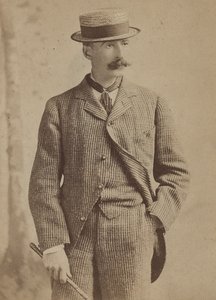
Winslow Homer
1836 - 1910 , USA
Rýchle fakty
- Artistic Movement Or Style: Americký realizmus
- Artists Or Movements Influenced By This Artist: ['Americké maľby']
- Artists Who Influenced This Artist:
- Barbizonská škola
- Courbet
- Millet
- Date Of Birth: 24. februára 1836
- Date Of Death: 29. septembra 1910
- Full Name: Winslow Homer
- Nationality: Američan
- Notable Artworks:
- Breezing Up
- Gulfský prúd
- Nezinanie
- Place Of Birth: Boston, USA
Súvisiace články

Ephemeral Visions: Exploring the Artistic Legacy & Contemporary Practice of Watercolor Painting
Explore the captivating world of watercolor painting! Discover its rich history, essential techniques, influential artists & collecting tips. A comprehensive guide for art enthusiasts from OriginalUniqueArt.
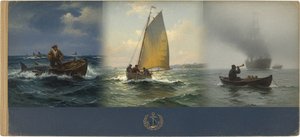
Winslow Homer: Top 25 diel majstra amerického realizmu pre váš domov | OriginalUniqueArt
Ponorte sa do sveta Winslowa Homera s OriginalUniqueArt.com! Objavte top 25 diel majstra amerického realizmu – od ikonických morských scenérií po dojímavé krajinárske obrazy. Kvalitné reprodukcie pre váš domov. Explore the full collection online.

Ephemeral Visions: Exploring the Artistic Legacy & Nuances of Watercolor Painting
Explore the captivating world of watercolor painting! Discover its rich history, essential techniques, influential artists & collecting tips from art experts. A comprehensive guide for enthusiasts.

Ephemeral Visions: Exploring the History & Emotional Resonance of Watercolor Painting
Explore the captivating history of watercolor painting, from ancient techniques to modern masters like Kandinsky & Blake. Discover essential artists, collecting tips & the emotional power of this luminous medium. Expert insights for art enthusiasts.

Top 10 legendárnych vodafarieb, ktoré zmenili svet umenia | OriginalUniqueArt.com
Objavte top 10 legendárnych vodafarieb od Turner, Homer a ďalších majstrov! História umenia, techniky a inšpirácia pre váš interiér. Reprodukcie obrazov na OriginalUniqueArt.com – kvalita múzejnej úrovne.