Náhľad
 Odoslať
 Zdieľať
 Podrobnosti o dielo

 Stiahnuť
 Podobné diela
 RTG skúška
 Prezentácia
 Štatistiky
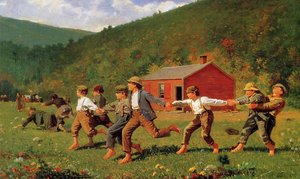
Country School


 Zobraziť viac
Giclée / Umenotlač
Giclée tlač alebo plátno múzeálnej kvality s rýchlou výrobou a flexibilnými možnosťami povrchovej úpravy. ( Kúpiť ručne maľovaný obraz Prepnúť na digitálny obraz)




P118B $10

P118H $10

P118W $10

P438Z $10

P508JH $12

P508YH $12

P805H $10

P805Z $10

P919BZ $10

P919G $10

P919XJ $10

P959ZH $10

P968JZ $12

W106C $8

W218G $10

W218JH $8

W218Y $10

W307PJ $10

W316G $10

W316PJ $8

W316Y $10

W398PJ $8

W4111J $10

W500HY $15

W500JH $15

W692G $12

W849H $8

W940BG $15

W953PJ $8




Vyberte si z našich preddefinovaných rozmerov, ktoré zodpovedajú pôvodným pomeroḿ diela.

Môžete zadať vlastné rozmery, aby sa reprodukcia prispôsobila konkrétnemu rámu alebo priestoru. Ak zvolená veľkosť nebude zodpovedať proporciám originálu, dielo buď orežeme, alebo obraz rozšírime pomocou zrkadlenia či farebného doplnenia okrajov. Pred začatím výroby vám pošleme digitálnu ukážku na schválenie.
Máte na vedomí, že náhľad na obrazovke neodzrkadľuje skutočné orezanie alebo rozšírenie. Len digitálna ukážka presne zobrazí finálnu kompozíciu.
Hoci sú k dispozícii vlastné rozmery, pre zachovanie pôvodných proporcií odporúčame vybrať si rozmer z vopred definovaného zoznamu.
Celosvetová doprava () do 2 týždňov namiesto štandardných 4/5 týždňov. (18 september)

Bezplatná expresná doprava po celom svete

Prémiové lnianske plátno

Kompletné poistenie prepravy

Záruka vrátenia colného poplatku

Záruka presného farebného zhodnutia

100-dená politika vrátenia tovaru (iba pri vadách)

100% záruka vrátenia peňazí

Výhodná množstevná zľava
 Možnosť skla je dostupná len pri rozmeroch pod 110 cm

Country School
Giclée / Umenotlač
Veľkosť reprodukcie
-


Celková cena za vybrané možnosti
$ 80
A Window into Rural America: Winslow Homer’s Country School
Winslow Homer, born in Boston in 1836, wasn't sculpted by the traditional European art academies that shaped so many of his contemporaries. Instead, he emerged from a distinctly American experience, one rooted in practicality and observation. His journey began not with grand historical canvases, but as a commercial illustrator at the tender age of twelve for Harper’s Weekly. This early apprenticeship was formative, honing an exceptional ability to capture scenes with clarity and detail – skills that would become hallmarks of his mature work. He wasn’t learning perspective in Paris; he was learning to *see* America, its people, and its unfolding story. The bustling streets of Boston, the quiet dignity of rural New England life, these were his first subjects, rendered with a precision born of necessity for the demands of print media. This foundation allowed him to transition into painting, initially in watercolor, before embracing oil on canvas with unwavering dedication.Composition and Detail: Capturing a Moment of Tranquility
“Country School,” completed in 1871, exemplifies Homer’s signature style—a masterful blend of realism and understated emotion. The painting depicts a simple classroom scene bathed in the warm glow of natural light filtering through windows. Homer meticulously rendered every element within the room: sturdy wooden desks positioned with careful consideration; worn chairs reflecting years of use; stacks of books symbolizing knowledge and aspiration; and even a humble cup resting on a bench—each contributing to the overall sense of authenticity. The artist’s eye for detail isn't merely decorative; it serves to immerse the viewer in the palpable atmosphere of a rural American schoolhouse during the late Victorian era.The Artistic Significance: Homer’s Embrace of Everyday Life
Winslow Homer distinguished himself from many of his peers by prioritizing observation over idealized representation. He sought to portray life as it truly was—warts and all—capturing not grand narratives but rather fleeting moments of human experience. “Country School” embodies this ethos perfectly, mirroring Homer's fascination with the commonplace and elevating it into something profoundly beautiful. His technique – characterized by loose brushstrokes and a muted palette – conveys a feeling of stillness and contemplation, inviting viewers to consider the quiet dignity of rural education and the enduring power of simple scenes.Historical Context: Documenting America’s Transformation
Painted during a period of significant social change in America—the burgeoning industrial revolution alongside the preservation movement—Homer's work reflects a broader trend toward documenting the realities of American life. He wasn’t interested in glorifying heroism or commemorating historical events; rather, he aimed to capture the spirit of his time, portraying rural communities and their traditions with unwavering respect. “Country School” stands as a poignant reminder of a bygone era—a testament to Homer's ability to distill complex ideas into emotionally resonant images.Beyond Country School: Exploring Homer’s Legacy
While "Country School" remains arguably Homer’s most iconic piece, his oeuvre encompasses numerous other remarkable paintings exploring themes of the sea, landscapes, and human resilience. Consider “Eight Bells,” a dramatic depiction of a lone sailor battling a tempestuous storm—a powerful expression of Homer's fascination with confronting adversity. Or “The West Wind,” which captures the raw energy of nature and the vulnerability of humanity against its forces. These works solidify Homer’s position as one of America’s foremost artists, whose legacy continues to inspire generations of painters and art enthusiasts alike.Biografia umelca
A Brush with the American Spirit: The Life and Art of Winslow Homer
Winslow Homer, born in Boston in 1836, wasn’t sculpted by the traditional European art academies that shaped so many of his contemporaries. Instead, he emerged from a distinctly American experience, one rooted in practicality and observation. His journey began not with grand historical canvases, but as a commercial illustrator at the tender age of twelve for Harper's Weekly. This early apprenticeship was formative, honing an exceptional ability to capture scenes with clarity and detail – skills that would become hallmarks of his mature work. He wasn’t learning perspective in Paris; he was learning to *see* America, its people, and its unfolding story. The bustling streets of Boston, the quiet dignity of rural New England life, these were his first subjects, rendered with a precision born of necessity for the demands of print media. This foundation allowed him to transition into painting, initially in watercolor, before fully embracing the expressive potential of oil paints.From Pastoral Scenes to the Raw Power of Nature
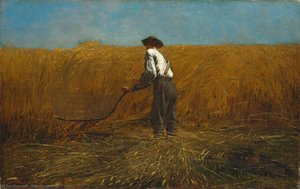
Homer’s early paintings often depicted idyllic scenes – children playing, farmers tending their fields, quiet moments of domesticity. These works, while charming, hinted at a deeper artistic sensibility waiting to be unleashed. The catalyst for this transformation was undoubtedly the Civil War. As a war correspondent for Harper's Weekly, Homer witnessed firsthand the brutal realities of conflict. He didn’t focus on heroic battles or grand strategies; instead, he documented the everyday lives of soldiers and civilians, the quiet moments of grief and resilience amidst chaos. This experience profoundly altered his artistic vision. The pastoral scenes gave way to more challenging subjects: veterans grappling with trauma, freed slaves navigating a new world, and the stark beauty of landscapes touched by hardship. He began to explore themes of struggle, isolation, and humanity’s precar He wasn't interested in imitating European styles; he wanted to create an art that was uniquely American, reflecting its landscapes, its people, and its challenges. His style also evolved, becoming bolder and more direct, reflecting the raw emotional impact of what he had witnessed. Breezing Up (A Fair Wind), painted in 1876, exemplifies this skill – a quintessential depiction of American maritime life, brimming with energy and movement. The Gulf Stream, created decades later, is perhaps his most iconic work, a powerful and symbolic portrayal of a lone man battling the forces of nature, a metaphor for human struggle against overwhelming odds. He wasn’t simply painting what he saw; he was conveying a feeling, an emotional truth about the human condition.Mastering Light, Texture, and the American Landscape
Winslow Homer's artistic technique is immediately recognizable for its solidity and texture. He wasn’t interested in fleeting impressions; he wanted to build up a sense of tangible reality on the canvas. His oil paintings are characterized by a direct painting approach – layers of paint applied with confidence, creating depth and luminosity. He possessed an extraordinary ability to capture light, whether it was the dazzling glare of the sun on the ocean or the soft glow of twilight over a rural landscape. This mastery extended to his watercolors, where he achieved remarkable atmospheric effects through vibrant colors and delicate washes. He admired European artists like those of the Barbizon school – known for their realistic depictions of rural life – and acknowledged influences from Courbet and Millet, but he ultimately forged his own distinctly American path.A Legacy Forged in American Realism
Winslow Homer's art offers a profound window into 19th-century America, providing invaluable insights into the social, political, and cultural landscape of his time. His paintings are not merely beautiful representations; they are powerful statements about human resilience, the beauty and power of nature, and the complexities of the American experience. He died in 1910, leaving behind a prolific body of work that continues to resonate with audiences today. His ability to depict America with honesty and authenticity, without romanticizing or idealizing it. His influence can be seen in the work of later American painters who sought to depict their own country with similar directness and emotional depth.- His work continues to inspire contemporary artists.
- Homer remains a pivotal figure in the development of American Realism.
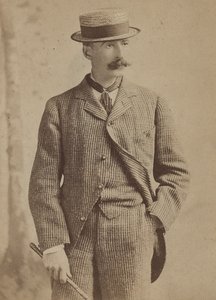
Winslow Homer
1836 - 1910 , USA
Základné informácie
- Artistic Movement Or Style: Americký realizmus
- Artists Or Movements Influenced By This Artist: ['Americké maľby']
- Artists Who Influenced This Artist:
- Barbizonská škola
- Courbet
- Millet
- Date Of Birth: 24. februára 1836
- Date Of Death: 29. septembra 1910
- Full Name: Winslow Homer
- Nationality: Američan
- Notable Artworks:
- Breezing Up
- Gulfský prúd
- Nezinanie
- Place Of Birth: Boston, USA
Súvisiace články

American Realism: Capturing the Soul of Everyday Life through the Lens of Art History
Explore the profound beauty of American Realism. From Winslow Homer’s rural landscapes to the dignity of everyday life, discover how master artists captured the soul of a nation through evocative oil paintings and timeless fine art techniques.

Top 10 majstrovských diel amerického realizmu: Obrazy, ktoré zmenili umenie a dekoráciu
Ponorte sa do sveta amerického realizmu s 10 ikonickými obrazmi od Andrew Wyetha, Edwarda Hoppera a ďalších. Objavte príbehy umelcov, techniky a nadčasovú krásu realistickej maľby. Kvalitné reprodukcie pre váš interiér na OriginalUniqueArt.com.

Grant Wood & American Regionalism: Identity, Myth & the Rural Landscape
Explore the world of Grant Wood & American Regionalism with OriginalUniqueArt. Discover the symbolism behind 'American Gothic', recurring themes, and the movement's lasting impact on art history. High-quality reproductions available.
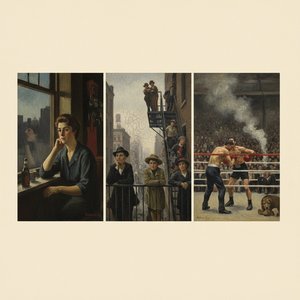
American Realism: Social Commentary & Artistic Representation in Early 20th-Century Painting
Explore the powerful social commentary & artistic representation of American Realism. Discover key artists like Bellows & Sloan, and understand the movement's lasting impact on 20th-century art history.
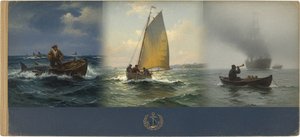
Winslow Homer: Top 25 diel majstra amerického realizmu pre váš domov | OriginalUniqueArt
Ponorte sa do sveta Winslowa Homera s OriginalUniqueArt.com! Objavte top 25 diel majstra amerického realizmu – od ikonických morských scenérií po dojímavé krajinárske obrazy. Kvalitné reprodukcie pre váš domov. Explore the full collection online.