

 Náhľad
 Odoslať
 Zdieľať
 Podrobnosti o dielo

 Stiahnuť
 Podobné diela
 RTG skúška
 Prezentácia
 Štatistiky
Boy in Blue
 Oil On Canvas
- WallArt
- American Romanticism
 1830
1830- 19th Century
 122.0 x 82.0 cm
 Zobraziť viac
Kúpte si digitálnu snímku vo vysokom rozlíšení s vylepšenými detailmi, ktorá je oveľa kvalitnejšia než online náhľad.
Každý súbor starostlivo pripravujú naši interní špecialisti pomocou pokročilých nástrojov a odborného manuálneho retušovania. Zabezpečujeme, aby každý obrázok disponoval výnimočnou čistotou, presnou farebnou vernosťou a jemnými detailmi.
Konečný súbor vám bude doručený e-mailom do 72 hodín, optimalizovaný pre okamžité použitie v profesionálnom, redakčnom aj tlačovom prostredí. Ide o rovnakú kvalitu, ktorej dôverajú špičkové dizajnérske štúdiá, vydavateľstvá a galérie.
Digitálny obraz
Stiahnite si vysokorozlíšený súbor na osobné zobrazovanie, tlačenie a kreatívne projekty. ( Prepnúť na tlač Kúpiť ručne maľovaný obraz)
Súčasťou každej objednávky digitálneho obrazu
Expetórne digitálne doručenie, garantované
Keď si vyberiete OriginalUniqueArt.com, nedostávate len obrázok – získate profesionálne upravené digitálne umenie, vytvorené s precíznosťou a so zárukou vašej maximálnej spokojnosti. Tu je všetko, čo je súčasťou vašej objednávky automaticky:

Rýchle doručenie e-mailom
Vaša vysokorozlíšená digitálna súprava obrázkov vám bude zaslaná e-mailom do 72 hodín od objednávky – pripravená na okamžité použitie.

Digitálny súbor s vylepšením AI
Vaše dielo je profesionálne optimalizované pomocou pokročilých nástrojov umelej inteligencie a manuálnej editácie, čo zaručuje maximálnu úroveň detailov, čistotu a presnosť farieb.

Bezplatné celoživotné opätovné doručenie
Náhodou ste zmazali alebo ste stratili svoj súbor? Nebavžte sa – pošleme vám ho kedykoľvek znova, úplne bez poplatkov.

Bez poplatkov za dovoz – navždy
Užite si svoje umelodelo okamžite bez colných poplatkov, daní alebo nákladov na dopravu – digitálne stiahnutia sú vždy oslobodené od dane.

Garantovaná presnosť farieb
Pomocou profesionálnych nástrojov a farebného manažmentu zabezpečujeme, aby vaša digitálna fotografia čo najpresnejšie odrážala pôvodné farby.

Záruka spokojnosti 100 dní
Ak nebudete spokojní so svojím digitálnym obrázkom, upravíme ho alebo vám v priebehu 100 dní vrátime 100% – bez zbytočných otázok.

100% Záruka vrátenia peňazí
Nie ste spokojní? Získajte plnú náhradu platby do 100 dní od prijatia digitálneho súboru – bez zbytočných otázok.

Zľavy pri veľkom odbere
Kúpte si 3 obrazy, ušetrite 10% - Kúpte si 5, ušetrite 15% - Kúpte si 10+, ušetrite 20%. Ideálne pre kreatívne projekty, galérie a agentúry.
A Portrait of Quiet Introspection
In Winslow Homer’s Boy in Blue, the viewer is invited into a sanctuary of profound stillness. The painting presents a young boy, deeply absorbed in the pages of a book, seated upon a soft, carpeted floor. There is an immediate sense of intimacy that draws the observer inward, away from the clamor of the external world and into this private moment of discovery. The muted green backdrop serves as a gentle, atmospheric stage, allowing the vibrant yet tranquil blues of the boy's attire to command our attention. This is not merely a depiction of a child; it is an exploration of innocence and the quiet dignity found in solitary contemplation, making it a piece that resonates deeply with anyone who finds beauty in life's silent intervals.Mastery of Light and Texture
Homer’s technical prowess is on full display through his delicate handling of light and form. While his early mastery of watercolor taught him the importance of tonal subtlety, in this oil on canvas work, he achieves a remarkable luminosity that seems to radiate from within the subject. The artist directs our eyes toward the boy's face and hands, rendering these features with a precision that captures the very essence of youth and focus. Yet, there is a beautiful tension between this fine detail and his more expressive brushstrokes, which imbue the textures of the clothing and the carpet with a palpable sense of life. For the discerning collector or interior designer, this balance of meticulous detail and painterly movement offers a sophisticated visual depth that can anchor a room with both elegance and character.The Symbolism of Knowledge and Resilience
Beyond its aesthetic allure, Boy in Blue carries a weight of historical and symbolic significance. The book held by the child acts as a powerful emblem of knowledge, aspiration, and the transformative potential of learning. Created during an era of significant American transition, the painting reflects the spirit of individualism and the connection to one's inner world. The deliberate choice of blue tones evokes feelings of tranquility and introspection, mirroring the resilience required to find peace amidst a changing landscape. To possess a reproduction of this work is to bring a piece of American heritage into a modern space—a timeless reminder of the curiosity and imagination that define the human spirit.Životopis umelca
A Brush with the American Spirit: The Life and Art of Winslow Homer
Winslow Homer, born in Boston in 1836, wasn’t sculpted by the traditional European art academies that shaped so many of his contemporaries. Instead, he emerged from a distinctly American experience, one rooted in practicality and observation. His journey began not with grand historical canvases, but as a commercial illustrator at the tender age of twelve for Harper's Weekly. This early apprenticeship was formative, honing an exceptional ability to capture scenes with clarity and detail – skills that would become hallmarks of his mature work. He wasn’t learning perspective in Paris; he was learning to *see* America, its people, and its unfolding story. The bustling streets of Boston, the quiet dignity of rural New England life, these were his first subjects, rendered with a precision born of necessity for the demands of print media. This foundation allowed him to transition into painting, initially in watercolor, before fully embracing the expressive potential of oil paints.From Pastoral Scenes to the Raw Power of Nature
Homer’s early paintings often depicted idyllic scenes – children playing, farmers tending their fields, quiet moments of domesticity. These works, while charming, hinted at a deeper artistic sensibility waiting to be unleashed. The catalyst for this transformation was undoubtedly the Civil War. As a war correspondent for Harper's Weekly, Homer witnessed firsthand the brutal realities of conflict. He didn’t focus on heroic battles or grand strategies; instead, he documented the everyday lives of soldiers and civilians, the quiet moments of grief and resilience amidst chaos. This experience profoundly altered his artistic vision. The pastoral scenes gave way to more challenging subjects: veterans grappling with trauma, freed slaves navigating a new world, and the stark beauty of landscapes touched by hardship. He began to explore themes of struggle, isolation, and humanity’s precar He wasn't interested in imitating European styles; he wanted to create an art that was uniquely American, reflecting its landscapes, its people, and its challenges. His style also evolved, becoming bolder and more direct, reflecting the raw emotional impact of what he had witnessed. Breezing Up (A Fair Wind), painted in 1876, exemplifies this skill – a quintessential depiction of American maritime life, brimming with energy and movement. The Gulf Stream, created decades later, is perhaps his most iconic work, a powerful and symbolic portrayal of a lone man battling the forces of nature, a metaphor for human struggle against overwhelming odds. He wasn’t simply painting what he saw; he was conveying a feeling, an emotional truth about the human condition.Mastering Light, Texture, and the American Landscape
Winslow Homer's artistic technique is immediately recognizable for its solidity and texture. He wasn’t interested in fleeting impressions; he wanted to build up a sense of tangible reality on the canvas. His oil paintings are characterized by a direct painting approach – layers of paint applied with confidence, creating depth and luminosity. He possessed an extraordinary ability to capture light, whether it was the dazzling glare of the sun on the ocean or the soft glow of twilight over a rural landscape. This mastery extended to his watercolors, where he achieved remarkable atmospheric effects through vibrant colors and delicate washes. He admired European artists like those of the Barbizon school – known for their realistic depictions of rural life – and acknowledged influences from Courbet and Millet, but he ultimately forged his own distinctly American path.A Legacy Forged in American Realism
Winslow Homer's art offers a profound window into 19th-century America, providing invaluable insights into the social, political, and cultural landscape of his time. His paintings are not merely beautiful representations; they are powerful statements about human resilience, the beauty and power of nature, and the complexities of the American experience. He died in 1910, leaving behind a prolific body of work that continues to resonate with audiences today. His ability to depict America with honesty and authenticity, without romanticizing or idealizing it. His influence can be seen in the work of later American painters who sought to depict their own country with similar directness and emotional depth.- His work continues to inspire contemporary artists.
- Homer remains a pivotal figure in the development of American Realism.
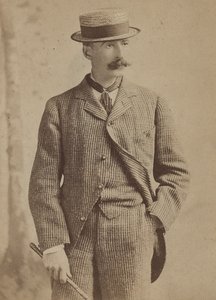
Winslow Homer
1836 - 1910 , USA
Základné informácie
- Artistic Movement Or Style: Americký realizmus
- Artists Or Movements Influenced By This Artist: ['Americké maľby']
- Artists Who Influenced This Artist:
- Barbizonská škola
- Courbet
- Millet
- Date Of Birth: 24. februára 1836
- Date Of Death: 29. septembra 1910
- Full Name: Winslow Homer
- Nationality: Američan
- Notable Artworks:
- Breezing Up
- Gulfský prúd
- Nezinanie
- Place Of Birth: Boston, USA