
 Náhľad
 Odoslať
 Zdieľať
 Podrobnosti o dielo

 Stiahnuť
 Podobné diela
 RTG skúška
 Prezentácia
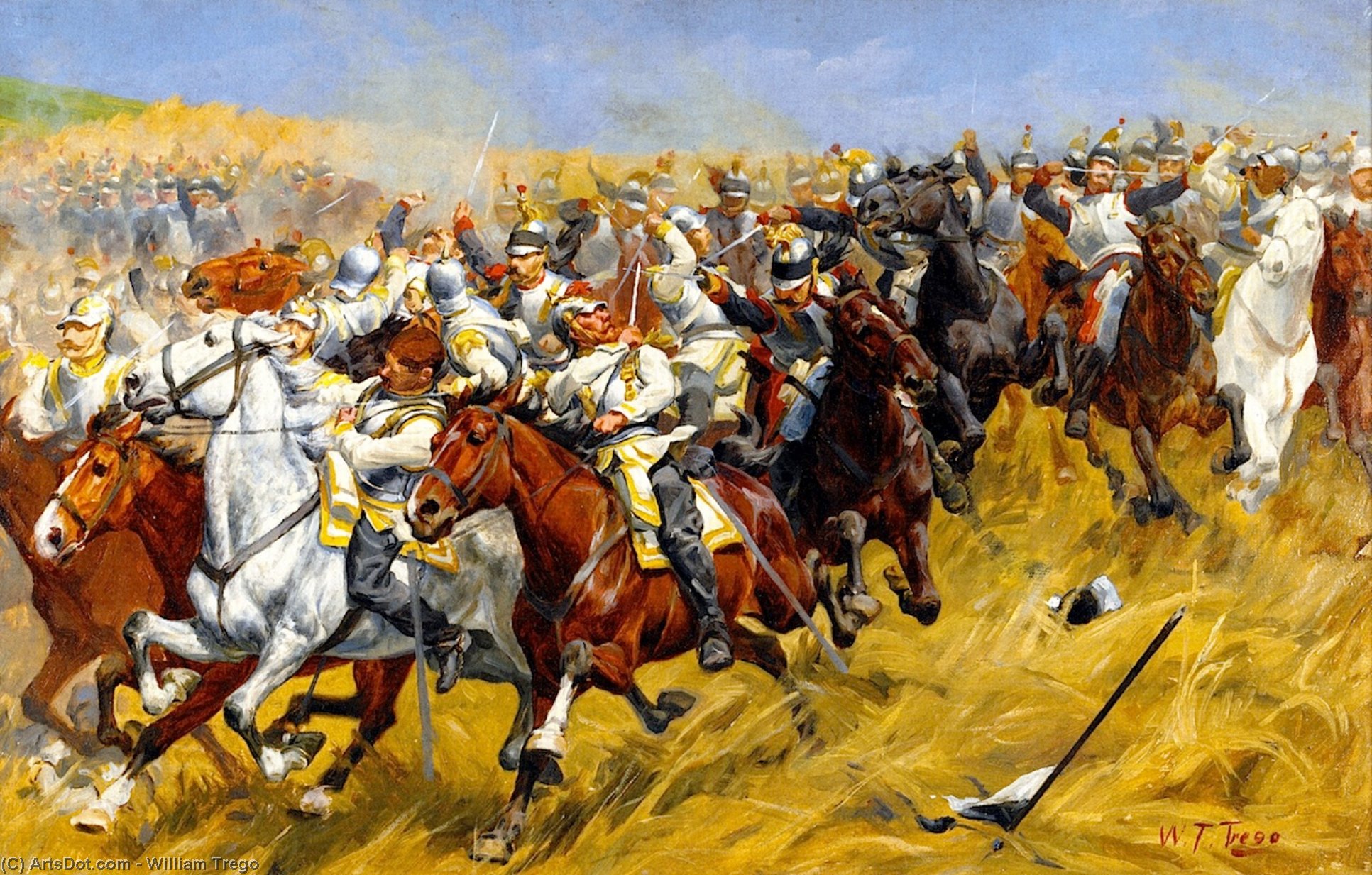
Cavalry Sketch

 Zobraziť viac
Ručne maľovaná olejová reprodukcia
Ručne maľovaný olej na plátne vo vašej zvolenej veľkosti a v ráme, vyrobený na mieru našimi umelcami. ( Kúpiť tlač Kúpiť obrázok)




































Vyberte si z našich preddefinovaných rozmerov, ktoré zodpovedajú pôvodným pomeroḿ diela.

Môžete zadať vlastné rozmery tak, aby sa hodili do konkrétneho rámu alebo priestoru. Ak sa váš zvolený rozmer nezhoduje s pôvodnými proporciami obrazu, dielo buď orezáme, alebo ho doplníme ručne maľovanými prvkami. Pred začiatkom výroby vám zašleme digitálny náhľad na schválenie.
Upozorňujeme, že ukážka na obrazovke neodráža skutočné orezanie alebo doplnenie. Skutočnú finálnu kompozíciu zobrazuje iba digitálny náhľad.
Hoci sú k dispozícii vlastné rozmery, odporúčame vybrať rozmer z preddefinovaného zoznamu, aby sme zachovali pôvodné proporcie.
Po odoslaní objednávky vám tím OriginalUniqueArt.com pošle e-mail s pokynmi a poskytne náhľad na návrh.
Celosvetová doprava () za 3 až 4 týždne namiesto štandardných 5 týždňov. (13 august). Bez kompromisov v kvalite.

Bezplatná expresná doprava po celom svete

Prémiové lnianske plátno

Kompletné poistenie prepravy

Záruka vrátenia colného poplatku

Záruka presného farebného zhodnutia

60-dňá politika vrátenia (iba pri defektoch)

100% záruka vrátenia peňazí

Výhodná množstevná zľava
 Možnosť skla je dostupná len pri rozmeroch pod 110 cm

Cavalry Sketch
Technika reprodukcie
Veľkosť reprodukcie
-


Celková cena za vybrané možnosti
$ 300
Popis diela
Historical Context and Artistic Style
The Cavalry Sketch depicts a dramatic scene of horsemen engaged in battle, showcasing William Trego's exceptional skill in capturing movement and energy. This painting is characteristic of the artist's style, which often featured historical and military themes. The use of oil on canvas allowed Trego to achieve a high level of detail and texture, adding depth and realism to the scene.The Cavalry Sketch is not only an impressive work of art but also an important part of American history. It provides a glimpse into the country's past, highlighting the bravery and skill of soldiers on horseback. As a handmade oil painting reproduction, this artwork can be appreciated in a new light, allowing art enthusiasts to experience the beauty and emotion of the original piece.
Similar Works and Artists
Other notable artists, such as Peter Paul Rubens, have also explored historical and military themes in their work. For example, Rubens' The Battle of the Amazons is a famous painting that showcases the artist's mastery of movement and composition. Similarly, Abraham Cooper's Cromwell At Marston Moor and Nc Wyeth's untitled (1907) demonstrate the artists' ability to capture the essence of historical events.- View more information about the Pennsylvania Academy of the Fine Arts on OriginalUniqueArt.com
- Discover William Trego's Cavalry Sketch on OriginalUniqueArt.com
- Learn more about Peter Paul Rubens and his works on OriginalUniqueArt.com
The Cavalry Sketch by William Trego is a remarkable example of American art, showcasing the artist's skill and attention to detail. As a handmade oil painting reproduction, this artwork can be appreciated by art enthusiasts around the world, providing a glimpse into the country's rich history and cultural heritage.
Biografia umelca
A Life Forged in Resilience: The Story of William Trego
Born in the quiet Pennsylvania countryside of Yardley in 1858, William Brooke Thomas Trego’s life was a testament to the power of artistic dedication overcoming immense physical adversity. Son of the accomplished portrait and animal painter Jonathan Kirkbridge Trego, young William inherited not only his father's talent but also a challenging fate. At just two years old, he contracted an illness – possibly polio or a severe reaction to medical treatment – that left his hands and feet nearly paralyzed. This early struggle would profoundly shape his artistic journey, forcing him to develop unconventional techniques and fueling a determination that resonated throughout his career. The family’s move to Detroit when William was sixteen brought another incident—a harrowing accident with a gas jet that cost him his hair—further isolating him within the familial studio where he received most of his formative training. It was there, guided by his father's instruction, that Trego learned to paint, famously maneuvering a brush jammed into his right hand while controlling it with the left, a method born of necessity and refined through sheer willpower.Early Years and Artistic Foundations
William’s childhood was undeniably marked by physical limitations, yet it also fostered an extraordinary resilience and a deep appreciation for the beauty of the natural world. His father, Jonathan Trego, recognized his son's artistic potential early on and provided him with a rigorous training in traditional painting techniques. This foundation, combined with William’s own innate talent, laid the groundwork for his future success. The family’s relocation to Detroit offered access to further artistic opportunities, allowing young William to hone his skills under his father’s watchful eye. It was during this period that Trego began to develop his distinctive style – characterized by meticulous detail, dramatic compositions, and a profound understanding of human anatomy and movement. His early works often depicted animals, reflecting both his father's influence and his own fascination with the natural world. The challenges he faced instilled in him a remarkable level of concentration and an unwavering commitment to mastering his craft.Breakthrough at the Michigan State Fair
Trego’s career gained significant momentum in 1879 with *The Charge of Custer at Winchester*, a dramatic depiction of George Armstrong Custer's final stand that captivated audiences at the Michigan State Fair. This painting, rendered with remarkable dynamism and vividness, immediately established Trego as a rising star in the American art scene. The acclaim it received provided him with the financial means to pursue his artistic ambitions more seriously and ultimately led to his enrollment at the prestigious Pennsylvania Academy of the Fine Arts (PAFA) in Philadelphia. The success at the fair was not merely a fleeting moment of recognition; it represented a turning point, validating Trego’s talent and providing him with the platform he needed to launch his career on a larger scale.Years at the Pennsylvania Academy of the Fine Arts
For three years, William Trego immersed himself in the rigorous academic environment of the PAFA under the exacting tutelage of Thomas Eakins. While benefiting from Eakin’s emphasis on anatomical study and rigorous figure drawing, Trego found the instructor's austere approach somewhat challenging. He appreciated Eakins' technical expertise but longed for a more expressive and less formulaic style. Despite this difference in artistic philosophy, Trego absorbed much of what he could from his mentor, refining his skills and developing his own unique vision. A pivotal moment during his time at PAFA was the 1882 Toppan Prize competition, where *Battery of Light Artillery En Route* earned him first place—a significant achievement that further solidified his reputation within the art community. However, this success was followed by a controversial episode when he entered the Temple Competition of Historical Paintings in 1883 with a work he believed surpassed all others, only to be denied first place and awarded third. This experience fueled his determination to prove himself and led him to pursue legal action against the Academy, arguing that his painting deserved recognition.A Master of Military History
William Trego quickly established himself as a leading painter of historical military subjects, particularly scenes from the American Revolution and the Civil War. His canvases are characterized by an almost obsessive attention to detail, meticulously recreating uniforms, weaponry, and battlefield landscapes with remarkable accuracy. He wasn’t merely illustrating events; he was reconstructing them, striving for authenticity and honoring the sacrifices of those who fought in these conflicts. This commitment stemmed from a deep fascination with history and a desire to capture the drama and intensity of war. His artistic style reflects his academic training, influenced by further studies at the Académie Julian in Paris under Tony Robert-Fleury and William-Adolphe Bouguereau. These masters instilled in him a refined technique and an appreciation for classical composition. Notable works like *Quartermaster's Department: Train of Pack Mules Attacked by Mexican Cavalry, 1847* showcase his ability to capture both the grandeur and the harsh realities of military life.Later Years and Legacy
Upon returning from Paris, Trego found that the public’s appetite for realistic military artwork had waned somewhat. Facing financial hardship, he broadened his artistic scope, accepting portrait commissions, genre scenes, and illustration work to supplement his income. He also generously shared his knowledge, taking on students including Walter Emerson Baum and Flora Baum, nurturing the next generation of artists. Despite continued effort, recognition proved elusive in his later years. *The Chariot Race from Ben Hur* (1908), one of his final works, failed to garner the acclaim he hoped for. Tragically, William Trego died unexpectedly in 1909 in North Wales, Pennsylvania, under circumstances that fueled speculation – some suggesting poisoning or overexertion due to the summer heat. Despite a life marked by physical challenges and professional setbacks, William B.T. Trego left behind a body of work that continues to resonate with its meticulous detail, historical accuracy, and poignant portrayal of courage and conflict. He remains a significant figure in American art history, a testament to the enduring power of artistic vision forged in the crucible of adversity. His paintings offer not just depictions of battles, but windows into the lives and sacrifices that shaped a nation.Useful Links

William Trego
1858 - 1909 , Spojené štáty americké
Základné informácie
- Artistic Movement Or Style: Realizmus
- Artists Or Movements Influenced By This Artist: ['Americký realizmus']
- Artists Who Influenced This Artist:
- Eakins
- Robert-Fleury
- Bouguereau
- Date Of Birth: 15. septembra 1858
- Date Of Death: 24. júna 1909
- Full Name: William Brooke Thomas Trego
- Nationality: Amerikanec
- Notable Artworks:
- Charge Custer...
- Batéria...
- Časopisy...
- Place Of Birth: Yardley, USA

