
 Náhľad
 Odoslať
 Zdieľať
 Podrobnosti o dielo

 Stiahnuť
 Podobné diela
 RTG skúška
 Prezentácia
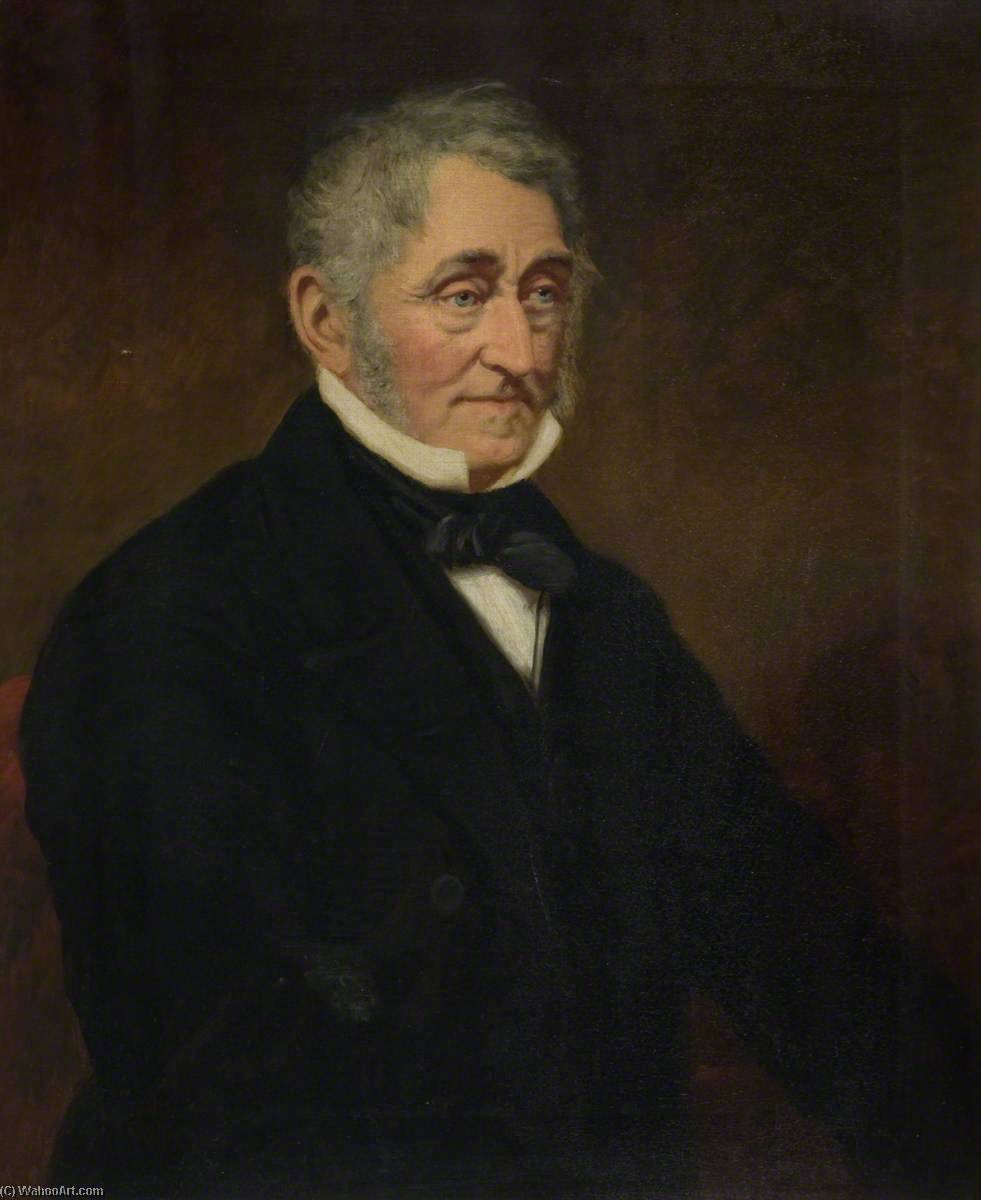
George Vertue
 Contemporary Realism
 75.0 x 62.0 cm
 Nhs Lothian
 Zobraziť viac
Ručne maľovaná olejová reprodukcia
Ručne maľovaný olej na plátne vo vašej zvolenej veľkosti a v ráme, vyrobený na mieru našimi umelcami. ( Kúpiť tlač Kúpiť obrázok)




































Vyberte si z našich preddefinovaných rozmerov, ktoré zodpovedajú pôvodným pomeroḿ diela.

Môžete zadať vlastné rozmery tak, aby sa hodili do konkrétneho rámu alebo priestoru. Ak sa váš zvolený rozmer nezhoduje s pôvodnými proporciami obrazu, dielo buď orezáme, alebo ho doplníme ručne maľovanými prvkami. Pred začiatkom výroby vám zašleme digitálny náhľad na schválenie.
Upozorňujeme, že ukážka na obrazovke neodráža skutočné orezanie alebo doplnenie. Skutočnú finálnu kompozíciu zobrazuje iba digitálny náhľad.
Hoci sú k dispozícii vlastné rozmery, odporúčame vybrať rozmer z preddefinovaného zoznamu, aby sme zachovali pôvodné proporcie.
Po odoslaní objednávky vám tím OriginalUniqueArt.com pošle e-mail s pokynmi a poskytne náhľad na návrh.
Celosvetová doprava () za 3 až 4 týždne namiesto štandardných 5 týždňov. (22 august). Bez kompromisov v kvalite.

Bezplatná expresná doprava po celom svete

Prémiové lnianske plátno

Kompletné poistenie prepravy

Záruka vrátenia colného poplatku

Záruka presného farebného zhodnutia

60-dňá politika vrátenia (iba pri defektoch)

100% záruka vrátenia peňazí

Výhodná množstevná zľava
 Možnosť skla je dostupná len pri rozmeroch pod 110 cm

George Vertue
Technika reprodukcie
Veľkosť reprodukcie
-


Celková cena za vybrané možnosti
$ 300
Biografia umelca
William Smellie Watson: A Portraitist of Victorian Dignity
William Smellie Watson (1796-1874) stands as a quietly significant figure in 19th-century Scottish art, a master portraitist whose meticulous technique and discerning eye captured the essence of his subjects – from royalty to prominent figures of Edinburgh society. While he may not command the immediate recognition afforded to some of his contemporaries, Watson’s work reveals a profound understanding of human character and a dedication to realism that elevates his portraits beyond mere likenesses, offering instead glimpses into the lives and personalities of those depicted.
Born in 1796, Watson's artistic journey began under the tutelage of George Watson, a respected portrait painter in Edinburgh. This early training instilled within him a commitment to capturing the nuances of expression and the subtle details that defined an individual’s presence. Watson’s formative years coincided with a period of significant social and political change in Britain – the rise of industrialization, the expansion of the British Empire, and the burgeoning influence of the Royal Academy in London. These shifts undoubtedly shaped his artistic sensibilities, encouraging him to observe keenly and to translate his observations onto canvas.
Watson’s career unfolded primarily within the context of Edinburgh's artistic community. He established a strong connection with the Royal Scottish Academy, exhibiting regularly and contributing to its development as a platform for showcasing local talent. His style evolved over time, moving from more traditional approaches towards a greater emphasis on capturing psychological depth and emotional resonance. He was particularly adept at portraying subjects in moments of quiet contemplation or dignified bearing – qualities that resonated deeply with the Victorian ethos of propriety and self-control.
A Master of Detail: Technique and Style
Watson’s technical skill is immediately apparent in his portraits, characterized by a remarkable level of detail and precision. He employed a meticulous approach to rendering textures—the drape of clothing, the sheen of polished surfaces, the delicate contours of faces—creating an illusion of tangible reality. His use of light and shadow was particularly masterful, subtly shaping forms and drawing attention to key features while maintaining a sense of atmospheric depth. He favored oil paints, allowing him to build up layers of color gradually, achieving rich tonal values and subtle gradations.
Crucially, Watson’s portraits weren't simply technical exercises; they were infused with an understanding of anatomy and perspective. He studied the human form intently, meticulously observing proportions and gestures. This anatomical knowledge informed his ability to create figures that appeared both lifelike and imbued with inner life. His self-portrait, a remarkably introspective work, offers a direct window into this process – a study in observation and self-awareness.
Notable Portraits: A Gallery of Victorian Dignity
Among Watson’s most celebrated works are his portraits of Prince William (later King William IV), a testament to his ability to capture the regal bearing and quiet dignity of royalty. His depiction of George Vertue, the musicologist and publisher, showcases his talent for portraying intellectual figures with both intelligence and warmth. The portrait reveals a keen understanding of Vertue’s character—his thoughtful gaze and slightly furrowed brow conveying a sense of scholarly intensity.
Furthermore, Watson's work includes several notable commissions from Edinburgh society, including members of the merchant class and prominent academics. These portraits offer valuable insights into the social fabric of Victorian Scotland – reflecting the values, aspirations, and anxieties of a rapidly changing nation. The portrait of William Walker, a leading surgeon, exemplifies his ability to capture the gravitas and authority associated with professional figures.
Legacy and Influence
William Smellie Watson’s legacy extends beyond the individual portraits he created. He played a significant role in fostering the development of portrait painting within Scotland, contributing to the Royal Scottish Academy and mentoring younger artists. His meticulous technique and commitment to realism influenced subsequent generations of Scottish painters, shaping the artistic landscape of the late 19th century.
While his name may not be as widely recognized as some of his contemporaries, William Smellie Watson’s portraits remain valuable windows into the Victorian era – offering a nuanced and compelling glimpse into the lives and personalities of those who shaped Scotland's history. His dedication to capturing human dignity and psychological depth ensures that his work continues to resonate with viewers today.

william smellie watson
1796 - 1874
Základné informácie
- Artistic Movement Or Style: Portrait Painting
- Artists Or Movements Influenced By This Artist: ['Royal Scottish Academy']
- Artists Who Influenced This Artist: ['George Watson (painter)']
- Date Of Birth: 1796
- Date Of Death: 1874
- Full Name: William Smellie Watson
- Nationality: Scottish
- Notable Artworks:
- Self Portrait
- George Vertue
- Place Of Birth: WahooArt
Súvisiace články

Georges Braque: Top 25 diel pre milovníkov umenia a luxusného interiéru
Ponorte sa do sveta Georges Braquea a jeho 25 ikonických diel! Objavte príbehy za kubistickými majstrovskými dielmi, impresionistické odtiene a revolučné techniky. Luxusné reprodukcie obrazov pre váš interiér na OriginalUniqueArt.com.

Georges Seurat: Top 25 Majstrovských Diel pre Váš Domov | OriginalUniqueArt.com
Objavte top 25 diel Georges Seurata – majstra impresionizmu a pointilizmu. Prežite príbeh farieb, svetla a revolučného umenia s OriginalUniqueArt.com. Reprodukcie obrazov pre váš domov. Preskúmajte celú kolekciu online!

The Enduring Legacy of Oil on Canvas: Technique, History & Aesthetic Impact
Explore the rich history & techniques of oil painting – from Renaissance masters to Impressionism. Discover pigments, layering methods, and why this timeless medium endures. Expert insights for artists & art enthusiasts.

Top 10 diel 18. storočia: Majstri a príbehy v umení pre váš domov
Ponorte sa do sveta 18. storočia s OriginalUniqueArt! Objavte top 10 diel od David, Boucher a ďalších majstrov baroka a rokoka. Reprodukcie obrazov pre váš domov – luxusné dekorácie a inšpirácia na OriginalUniqueArt.com

Oil on Canvas: A Historical & Technical Exploration of a Timeless Artistic Medium
Explore the rich history & enduring techniques of oil painting on canvas. Discover the science behind its longevity, conservation practices, and contemporary relevance. Expert insights for art enthusiasts.

