
 Náhľad
 Odoslať
 Zdieľať
 Podrobnosti o dielo

 Stiahnuť
 Podobné diela
 RTG skúška
 Prezentácia
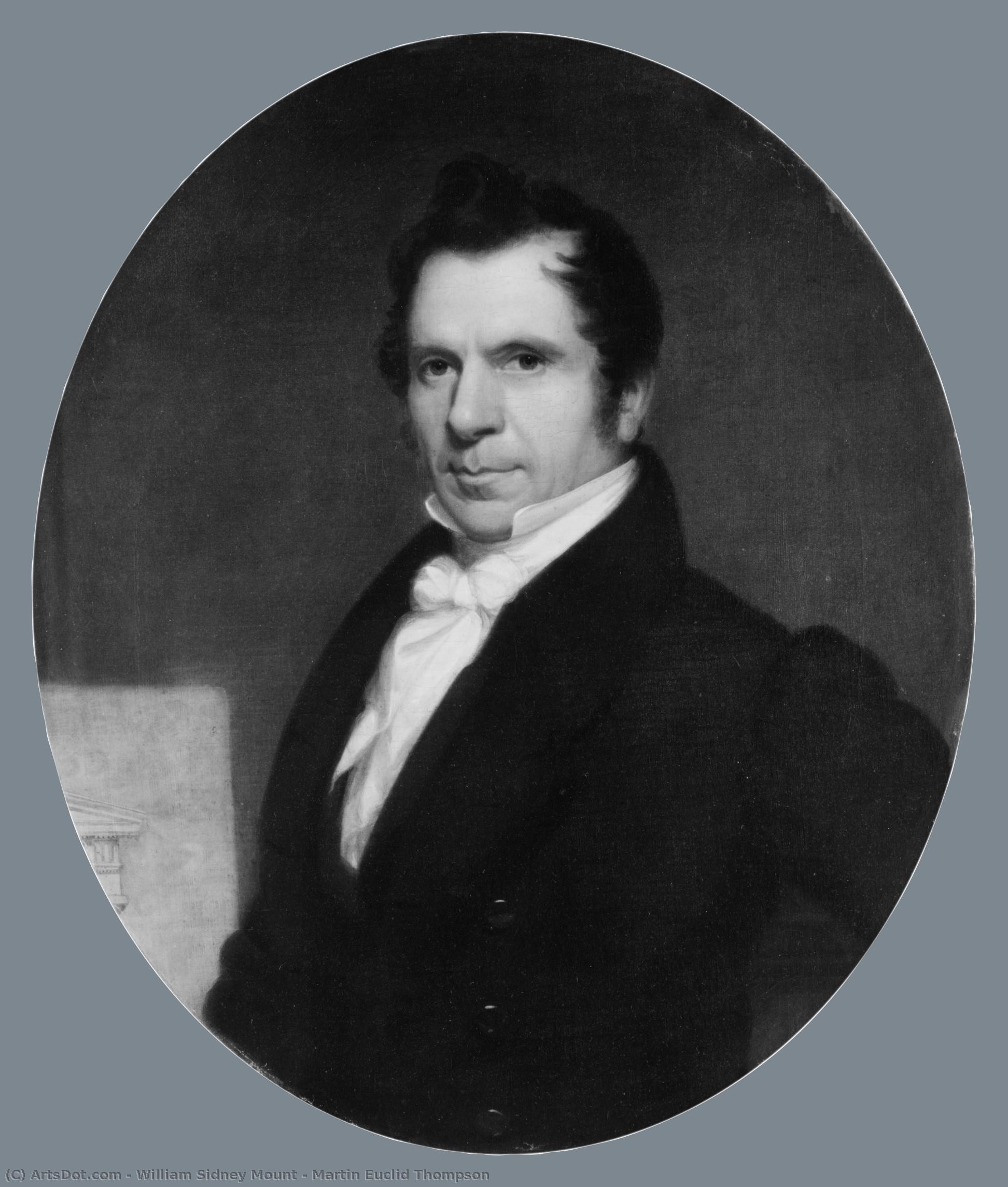
Martin Euclid Thompson
 Lithograph
- WallArt
- 19th-century Portraiture
 1830
1830 76.0 x 62.0 cm
 Metropolitné múzeum umenia
 Zobraziť viac
Kúpte si digitálnu snímku vo vysokom rozlíšení s vylepšenými detailmi, ktorá je oveľa kvalitnejšia než online náhľad.
Každý súbor starostlivo pripravujú naši interní špecialisti pomocou pokročilých nástrojov a odborného manuálneho retušovania. Zabezpečujeme, aby každý obrázok disponoval výnimočnou čistotou, presnou farebnou vernosťou a jemnými detailmi.
Konečný súbor vám bude doručený e-mailom do 72 hodín, optimalizovaný pre okamžité použitie v profesionálnom, redakčnom aj tlačovom prostredí. Ide o rovnakú kvalitu, ktorej dôverajú špičkové dizajnérske štúdiá, vydavateľstvá a galérie.
Digitálny obraz
Stiahnite si vysokorozlíšený súbor na osobné zobrazovanie, tlačenie a kreatívne projekty. ( Kúpiť tlač Kúpiť ručne maľovaný obraz)
Súčasťou každej objednávky digitálneho obrazu
Expetórne digitálne doručenie, garantované
Keď si vyberiete OriginalUniqueArt.com, nedostávate len obrázok – získate profesionálne upravené digitálne umenie, vytvorené s precíznosťou a so zárukou vašej maximálnej spokojnosti. Tu je všetko, čo je súčasťou vašej objednávky automaticky:

Rýchle doručenie e-mailom
Vaša vysokorozlíšená digitálna súprava obrázkov vám bude zaslaná e-mailom do 72 hodín od objednávky – pripravená na okamžité použitie.

Digitálny súbor s vylepšením AI
Vaše dielo je profesionálne optimalizované pomocou pokročilých nástrojov umelej inteligencie a manuálnej editácie, čo zaručuje maximálnu úroveň detailov, čistotu a presnosť farieb.

Bezplatné celoživotné opätovné doručenie
Náhodou ste zmazali alebo ste stratili svoj súbor? Nebavžte sa – pošleme vám ho kedykoľvek znova, úplne bez poplatkov.

Bez poplatkov za dovoz – navždy
Užite si svoje umelodelo okamžite bez colných poplatkov, daní alebo nákladov na dopravu – digitálne stiahnutia sú vždy oslobodené od dane.

Garantovaná presnosť farieb
Pomocou profesionálnych nástrojov a farebného manažmentu zabezpečujeme, aby vaša digitálna fotografia čo najpresnejšie odrážala pôvodné farby.

60-dňová záruka spokojnosti
Ak nebudete spokojní so svojou digitálnou fotografiou, upravíme ju alebo vám vrátime 100% v priebehu 60 dní – bez zbytočných otázok.

100% Záruka vrátenia peňazí
Nie ste spokojní? Získajte plnú náhradu peňazí do 60 dní od prijatia vášho digitálneho súboru – bez zbytočných otázok.

Zľavy pri veľkom odbere
Kúpte si 3 obrazy, ušetrite 10% - Kúpte si 5, ušetrite 15% - Kúpte si 10+, ušetrite 20%. Ideálne pre kreatívne projekty, galérie a agentúry.
Popis zberateľského predmetu
A Portrait of Dignified Reserve: Martin Euclid Thompson by William Sidney Mount
William Sidney Mount’s “Martin Euclid Thompson,” painted in 1830, is more than just a likeness; it's a carefully constructed tableau of mid-nineteenth-century American identity. This monochrome portrait, rendered with the meticulous detail characteristic of Mount’s work and likely executed through lithography or engraving, offers a glimpse into the social fabric of its time – a world of formal propriety, quiet industry, and understated elegance. The subject himself, Martin Euclid Thompson, appears not as a flamboyant personality but as a man defined by his composure and bearing, embodying a restrained yet dignified presence that speaks volumes about his station in life.
Mount’s artistic approach is deeply rooted in the tradition of genre painting, a movement he helped pioneer in America. Rather than grand historical scenes or dramatic narratives, Mount focused on capturing the everyday lives of ordinary people – farmers, laborers, and merchants – imbuing these subjects with dignity and respect. In “Thompson,” this principle is powerfully demonstrated. The composition centers squarely on the subject’s head and shoulders, framed within a subtle oval, directing our gaze immediately to his face. This deliberate framing reinforces the portrait's purpose: to present Thompson as an individual worthy of contemplation and admiration.
The Language of Line and Tone
The painting’s strength lies in its masterful use of line and tone. Mount employs a remarkably precise linework, meticulously delineating the contours of Thompson’s face – the sharp angles of his jawline, the subtle curve of his nose, the careful rendering of his eyes. These lines aren't merely descriptive; they convey character, hinting at intelligence and self-awareness. Crucially, Mount utilizes a sophisticated system of shading to create texture and depth, suggesting the weight of the dark suit, the smoothness of the shirt fabric, and even the subtle roughness of the hair. The grayscale palette – a hallmark of lithography – allows for an extraordinary level of tonal control, creating a sense of quiet sophistication and avoiding the vibrancy often associated with color portraits.
The background is deliberately muted, fading into a neutral gray that serves to further isolate Thompson and emphasize his presence. This lack of detail isn’t a sign of carelessness; rather, it's a deliberate artistic choice, aligning with the conventions of portraiture at the time, where the subject was typically presented as the focal point, divorced from distracting surroundings. The shallow perspective reinforces this sense of immediacy, drawing the viewer directly into Thompson’s world.
Historical Context and Symbolic Resonance
“Martin Euclid Thompson” is a product of its era – the early 19th century in America, a period marked by rapid industrialization, westward expansion, and the solidification of social hierarchies. The subject's attire—a formal black suit with a crisp white shirt and bow tie—clearly indicates his status as a man of means and respectability. The portrait reflects the values of the time: order, discipline, and adherence to established norms. It’s a visual testament to the importance placed on appearances and social standing.
Interestingly, research reveals that William Sidney Mount was deeply influenced by his brother, Shepard Alonzo Mount, who specialized in still-life paintings featuring fish. This connection suggests an appreciation for detail and observation – qualities that undoubtedly informed Mount’s approach to portraiture. Furthermore, the work aligns with broader artistic trends of the period, echoing the formal conventions established by artists like Henry Inman, whose portraits were highly sought after during this time.
A Legacy of Dignified Representation
“Martin Euclid Thompson” is a compelling example of William Sidney Mount’s ability to capture not just physical likeness but also the essence of his subject. It's a portrait that invites contemplation, prompting us to consider the values and aspirations of a bygone era. Reproductions of this piece offer a unique opportunity to bring this evocative image into contemporary spaces – a chance to appreciate the artistry of Mount’s technique and to connect with the quiet dignity of Martin Euclid Thompson himself. The painting's understated elegance makes it an ideal addition to any collection, serving as both a beautiful work of art and a window into American history.
Životopis umelca
A Pioneer of American Genre Painting
William Sidney Mount, born November 26, 1807, in the quiet hamlet of Setauket, Long Island, emerged as a pivotal figure in the development of distinctly American art. He wasn’t drawn to the grand historical narratives or formal portraiture championed by many of his contemporaries; instead, Mount turned his keen eye toward the everyday lives unfolding around him – the farmers, musicians, and ordinary folk who populated the rural landscapes of 19th-century Long Island. This unwavering dedication to depicting scenes of common life established him as a true innovator, marking him as one of the earliest practitioners of genre painting in America—a style that celebrated the dignity and inherent beauty found within the mundane. His artistic journey was profoundly shaped by his upbringing; his father operated a bustling farm, store, and tavern, fostering an environment rich with both practical experience and observation of human character. Micah Hawkins, Mount’s uncle, possessed a remarkable array of talents – a composer, playwright, mimic, and poet – nurturing within young William a spirit of artistic curiosity and engagement with diverse forms of expression.Early Training and Artistic Awakening
Mount's initial foray into the art world commenced not within the confines of an academic institution but through a formative apprenticeship with his older brother, Henry Smith Mount, who worked as a sign painter in New York City. This invaluable practical training honed his draughtsmanship skills and instilled a foundational understanding of painting techniques—skills that would serve him exceptionally well throughout his illustrious career. However, it was a visit to the American Academy of the Fine Arts exhibition in 1825 that truly ignited Mount’s artistic passion. Surrounded by the works of established artists who favored grand historical subjects, he experienced an epiphany, shifting his focus away from convention toward capturing authentic moments from daily life. Recognizing the compelling narrative inherent in these seemingly unremarkable scenes, he embarked on a path that would define his artistic identity. He established his own studio in New York City in 1829—a decisive step towards independence and solidifying his commitment to pursuing art as a vocation. Despite initial influences drawn from historical painting—he created works like *Christ Raising the Daughter of Jairus* (1828)—Mount swiftly discovered his true calling lay in portraying the world he knew best: the rural life of Long Island.Capturing Rural Life with Realism and Warmth
Mount’s artistic style is characterized by an unwavering realism blended seamlessly with a remarkable ability to infuse his canvases with warmth, humor, and profound empathy. He deliberately resisted the idealized depictions favored by many artists of his time—instead, he presented rural life as it truly was: replete with both labor and leisure, hardship and joy. His meticulous attention to detail is breathtaking; from the textures of clothing to the subtle expressions on faces, Mount meticulously recreated scenes that transported viewers directly into the heart of American society. *Dancing on Barn Floor* (1831), arguably his most celebrated masterpiece, exemplifies this approach—a vibrant portrayal of a rural dance brimming with energy and capturing the spirit of communal celebration. Subsequent paintings like *The Banjo Player* (1856) demonstrate not only Mount’s exceptional technical skill but also his deep sensitivity to his subjects—particularly African American musicians—challenging prevailing stereotypes of the era and advocating for dignity and respect. Other notable works include *The Long Story*, *Right and Left*, and *Loss and Gain*, each offering a poignant glimpse into the lives and experiences of ordinary Americans.Innovation Beyond the Canvas
Mount’s creative spirit extended far beyond the realm of painting; he was also an accomplished musician and inventor—a testament to his multifaceted intellect and unwavering passion for artistic pursuits. He possessed considerable musical talent, mastering the fiddle with virtuosity and composing music that reflected the rhythms and harmonies of rural Long Island. Furthermore, demonstrating a remarkable ingenuity, Mount constructed a portable studio within a horse-drawn wagon—a bold innovation that allowed him to travel freely throughout Long Island, capturing spontaneous moments as they unfolded in their natural environment. This mobile workspace underscored his dedication to authenticity and his desire to engage directly with the subjects he depicted.Legacy and Enduring Influence
William Sidney Mount passed away on November 19, 1868, in Setauket—a poignant farewell to a life devoted to artistic expression and observation of human character. His pioneering contribution to genre painting irrevocably altered the trajectory of American art history, establishing him as one of the foremost figures in capturing the essence of rural America and fostering a tradition of realism that would inspire generations of artists to come. Mount’s paintings continue to resonate today—serving not only as visual records of 19th-century life but also as reminders of the beauty and significance found within the everyday moments that shape our collective heritage. He remains remembered not merely for his technical prowess but, crucially, for his compassionate portrayal of ordinary people—a testament to his enduring legacy as an artist who championed dignity and respect for all humanity.
William Sidney Mount
1807 - 1868 , USA
Základné informácie
- Artistic Movement Or Style: Žánrová malba, Realizmus
- Artists Or Movements Influenced By This Artist: ['Americký žánrový impresionizmus']
- Artists Who Influenced This Artist:
- Benjamin West
- William Hogarth
- Date Of Birth: November 26, 1807
- Date Of Death: November 19, 1868
- Full Name: William Sidney Mount
- Nationality: Američan
- Notable Artworks:
- The Banjo Player
- The Long Story
- Dancing on Barn Floor
- Right and Left
- Place Of Birth: Setauket, USA

