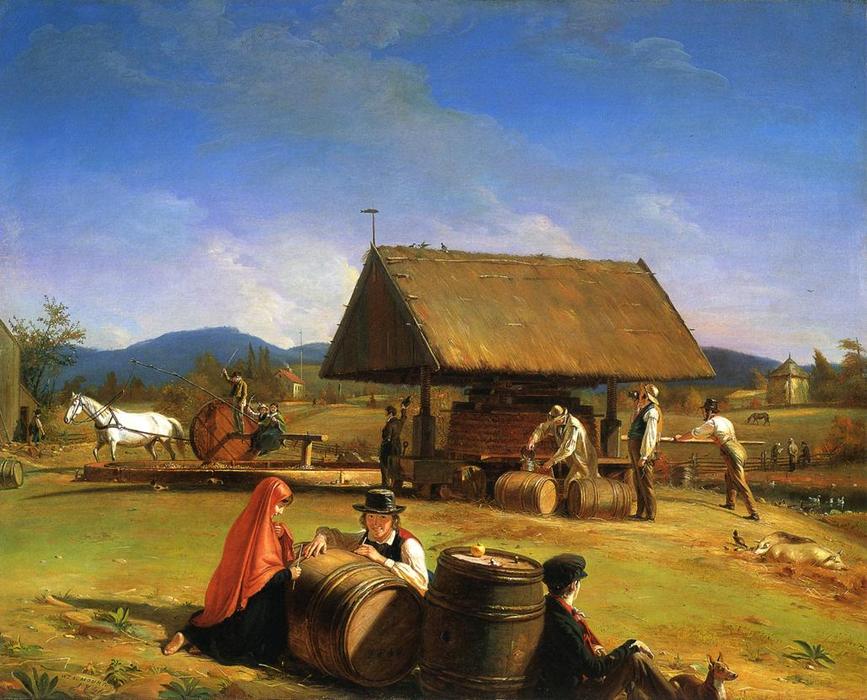
Cider Making
Ručne maľovaná olejová reprodukcia
Ručne maľovaný olej na plátne vo vašej zvolenej veľkosti a v ráme, vyrobený na mieru našimi umelcami. ( Kúpiť tlač
Kúpiť obrázok)
P118B $10
P118H $10
P118W $10
P438Z $10
P508JH $12
P508YH $12
P805H $10
P805Z $10
P919BZ $10
P919G $10
P919XJ $10
P959ZH $10
P968JZ $12
W106C $8
W218G $10
W218JH $8
W218Y $10
W307PJ $10
W316G $10
W316PJ $8
W316Y $10
W398PJ $8
W4111J $10
W500HY $15
W500JH $15
W692G $12
W849H $8
W940BG $15
W953PJ $8
Vyberte si z našich preddefinovaných rozmerov, ktoré zodpovedajú pôvodným pomeroḿ diela.
Môžete zadať vlastné rozmery tak, aby sa hodili do konkrétneho rámu alebo priestoru. Ak sa váš zvolený rozmer nezhoduje s pôvodnými proporciami obrazu, dielo buď orezáme, alebo ho doplníme ručne maľovanými prvkami. Pred začiatkom výroby vám zašleme digitálny náhľad na schválenie.
Upozorňujeme, že ukážka na obrazovke neodráža skutočné orezanie alebo doplnenie. Skutočnú finálnu kompozíciu zobrazuje iba digitálny náhľad.
Hoci sú k dispozícii vlastné rozmery, odporúčame vybrať rozmer z preddefinovaného zoznamu, aby sme zachovali pôvodné proporcie.
Po odoslaní objednávky vám tím OriginalUniqueArt.com pošle e-mail s pokynmi a poskytne náhľad na návrh.
Celosvetová doprava () za 3 až 4 týždne namiesto štandardných 5 týždňov. (2 september). Bez kompromisov v kvalite.
Bezplatná expresná doprava po celom svete
Prémiové lnianske plátno
Kompletné poistenie prepravy
Záruka vrátenia colného poplatku
Záruka presného farebného zhodnutia
60-dňá politika vrátenia (iba pri defektoch)
100% záruka vrátenia peňazí
Výhodná množstevná zľava
Cider Making
Technika reprodukcie
Veľkosť reprodukcie
-
Celková cena za vybrané možnosti
$ 300
A Pastoral Symphony: The Heart of American Genre Painting
In the quiet, sun-drenched landscapes of 19th-century Long Island, there existed a rhythm of life defined by the seasons and the steady pulse of manual labor. William Sidney Mount, a pioneer of American genre painting, possessed the rare ability to freeze these fleeting moments of communal harmony within the frame of a canvas. His masterpiece, Cider Making, is far more than a mere visual record of a seasonal chore; it is a vibrant, breathing tableau that invites the viewer into a world of shared purpose and rustic charm. As one gazes upon this work, the eye is immediately drawn to the central barrel, a focal point around which the community orbits. Men, women, and children are woven together in a tapestry of activity, their movements suggesting a seamless dance of cooperation. The scene captures the very essence of Luminism, where soft, diffused light bathes the field in a gentle glow, elevating a commonplace agricultural event into something approaching the divine.
The technical mastery displayed in this work lies in Mount’s meticulous attention to detail and his sophisticated use of light. Unlike the dramatic, often turbulent shadows found in European Romanticism, Mount employs a subtle, atmospheric approach that emphasizes clarity and tranquility. Each figure is rendered with a distinct personality, contributing to a sense of palpable atmosphere—a feeling of warmth, camaraderie, and the sweet, crisp scent of freshly pressed fruit. For the discerning collector or interior designer, this painting offers a profound sense of stability and peace. The composition, balanced and grounded by the presence of sturdy horses and the heavy wooden barrel, provides an anchor for any space, bringing with it an air of timelessness and a connection to the enduring spirit of the American landscape.
Hidden Narratives and Political Echoes
Beyond its surface beauty, Cider Making serves as a fascinating historical document, layered with subtle political symbolism that would have been keenly understood by contemporary viewers. While the painting celebrates the idyllic nature of rural life in Setauket, it also whispers of the intense political fervor surrounding the 1840 United States presidential election. Art historians have long speculated that Mount, a man deeply embedded in his local community, may have used the figures within this social gathering to represent various political candidates. This layer of subtext transforms the painting from a simple pastoral scene into a sophisticated commentary on the democratic process and the way national politics permeate even the most remote corners of the country. The cider mill becomes a stage where the pulse of a nation is felt through the interactions of its people.
This duality—the ability to be simultaneously a charming domestic scene and a complex political allegory—is what gives the work its lasting emotional impact. It resonates with anyone who appreciates art that rewards deep looking and intellectual engagement. To hang a reproduction of this masterpiece is to invite a conversation into one's home; it is to celebrate not just the beauty of the natural world, but the intricate, often unseen threads of history and human connection that bind us all together. Whether viewed as an homage to the dignity of labor or as a window into a bygone era of American identity, Cider Making remains an evocative and essential piece for any collection dedicated to the soul of American art.
Biografia umelca
A Pioneer of American Genre Painting
William Sidney Mount, born November 26, 1807, in the quiet hamlet of Setauket, Long Island, emerged as a pivotal figure in the development of distinctly American art. He wasn’t drawn to the grand historical narratives or formal portraiture championed by many of his contemporaries; instead, Mount turned his keen eye toward the everyday lives unfolding around him – the farmers, musicians, and ordinary folk who populated the rural landscapes of 19th-century Long Island. This unwavering dedication to depicting scenes of common life established him as a true innovator, marking him as one of the earliest practitioners of genre painting in America—a style that celebrated the dignity and inherent beauty found within the mundane. His artistic journey was profoundly shaped by his upbringing; his father operated a bustling farm, store, and tavern, fostering an environment rich with both practical experience and observation of human character. Micah Hawkins, Mount’s uncle, possessed a remarkable array of talents – a composer, playwright, mimic, and poet – nurturing within young William a spirit of artistic curiosity and engagement with diverse forms of expression.Early Training and Artistic Awakening
Mount's initial foray into the art world commenced not within the confines of an academic institution but through a formative apprenticeship with his older brother, Henry Smith Mount, who worked as a sign painter in New York City. This invaluable practical training honed his draughtsmanship skills and instilled a foundational understanding of painting techniques—skills that would serve him exceptionally well throughout his illustrious career. However, it was a visit to the American Academy of the Fine Arts exhibition in 1825 that truly ignited Mount’s artistic passion. Surrounded by the works of established artists who favored grand historical subjects, he experienced an epiphany, shifting his focus away from convention toward capturing authentic moments from daily life. Recognizing the compelling narrative inherent in these seemingly unremarkable scenes, he embarked on a path that would define his artistic identity. He established his own studio in New York City in 1829—a decisive step towards independence and solidifying his commitment to pursuing art as a vocation. Despite initial influences drawn from historical painting—he created works like *Christ Raising the Daughter of Jairus* (1828)—Mount swiftly discovered his true calling lay in portraying the world he knew best: the rural life of Long Island.Capturing Rural Life with Realism and Warmth
Mount’s artistic style is characterized by an unwavering realism blended seamlessly with a remarkable ability to infuse his canvases with warmth, humor, and profound empathy. He deliberately resisted the idealized depictions favored by many artists of his time—instead, he presented rural life as it truly was: replete with both labor and leisure, hardship and joy. His meticulous attention to detail is breathtaking; from the textures of clothing to the subtle expressions on faces, Mount meticulously recreated scenes that transported viewers directly into the heart of American society. *Dancing on Barn Floor* (1831), arguably his most celebrated masterpiece, exemplifies this approach—a vibrant portrayal of a rural dance brimming with energy and capturing the spirit of communal celebration. Subsequent paintings like *The Banjo Player* (1856) demonstrate not only Mount’s exceptional technical skill but also his deep sensitivity to his subjects—particularly African American musicians—challenging prevailing stereotypes of the era and advocating for dignity and respect. Other notable works include *The Long Story*, *Right and Left*, and *Loss and Gain*, each offering a poignant glimpse into the lives and experiences of ordinary Americans.Innovation Beyond the Canvas
Mount’s creative spirit extended far beyond the realm of painting; he was also an accomplished musician and inventor—a testament to his multifaceted intellect and unwavering passion for artistic pursuits. He possessed considerable musical talent, mastering the fiddle with virtuosity and composing music that reflected the rhythms and harmonies of rural Long Island. Furthermore, demonstrating a remarkable ingenuity, Mount constructed a portable studio within a horse-drawn wagon—a bold innovation that allowed him to travel freely throughout Long Island, capturing spontaneous moments as they unfolded in their natural environment. This mobile workspace underscored his dedication to authenticity and his desire to engage directly with the subjects he depicted.Legacy and Enduring Influence
William Sidney Mount passed away on November 19, 1868, in Setauket—a poignant farewell to a life devoted to artistic expression and observation of human character. His pioneering contribution to genre painting irrevocably altered the trajectory of American art history, establishing him as one of the foremost figures in capturing the essence of rural America and fostering a tradition of realism that would inspire generations of artists to come. Mount’s paintings continue to resonate today—serving not only as visual records of 19th-century life but also as reminders of the beauty and significance found within the everyday moments that shape our collective heritage. He remains remembered not merely for his technical prowess but, crucially, for his compassionate portrayal of ordinary people—a testament to his enduring legacy as an artist who championed dignity and respect for all humanity.William Sidney Mount
1807 - 1868 , USA
Základné informácie
- Artistic Movement Or Style: Žánrová malba, Realizmus
- Artists Or Movements Influenced By This Artist: ['Americký žánrový impresionizmus']
- Artists Who Influenced This Artist:
- Benjamin West
- William Hogarth
- Date Of Birth: November 26, 1807
- Date Of Death: November 19, 1868
- Full Name: William Sidney Mount
- Nationality: Američan
- Notable Artworks:
- The Banjo Player
- The Long Story
- Dancing on Barn Floor
- Right and Left
- Place Of Birth: Setauket, USA


Možnosť skla je dostupná len pri rozmeroch pod 110 cm


































