

 Náhľad
 Odoslať
 Zdieľať
 Podrobnosti o dielo

 Stiahnuť
 Podobné diela
 RTG skúška
 Prezentácia
Militia Drilling


 Zobraziť viac
Ručne maľovaná olejová reprodukcia
Ručne maľovaný olej na plátne vo vašej zvolenej veľkosti a v ráme, vyrobený na mieru našimi umelcami. ( Kúpiť tlač Kúpiť obrázok)




P118B $10

P118H $10

P118W $10

P438Z $10

P508JH $12

P508YH $12

P805H $10

P805Z $10

P919BZ $10

P919G $10

P919XJ $10

P959ZH $10

P968JZ $12

W106C $8

W218G $10

W218JH $8

W218Y $10

W307PJ $10

W316G $10

W316PJ $8

W316Y $10

W398PJ $8

W4111J $10

W500HY $15

W500JH $15

W692G $12

W849H $8

W940BG $15

W953PJ $8




Vyberte si z našich preddefinovaných rozmerov, ktoré zodpovedajú pôvodným pomeroḿ diela.

Môžete zadať vlastné rozmery tak, aby sa hodili do konkrétneho rámu alebo priestoru. Ak sa váš zvolený rozmer nezhoduje s pôvodnými proporciami obrazu, dielo buď orezáme, alebo ho doplníme ručne maľovanými prvkami. Pred začiatkom výroby vám zašleme digitálny náhľad na schválenie.
Upozorňujeme, že ukážka na obrazovke neodráža skutočné orezanie alebo doplnenie. Skutočnú finálnu kompozíciu zobrazuje iba digitálny náhľad.
Hoci sú k dispozícii vlastné rozmery, odporúčame vybrať rozmer z preddefinovaného zoznamu, aby sme zachovali pôvodné proporcie.
Po odoslaní objednávky vám tím OriginalUniqueArt.com pošle e-mail s pokynmi a poskytne náhľad na návrh.
Celosvetová doprava () za 3 až 4 týždne namiesto štandardných 5 týždňov. (27 august). Bez kompromisov v kvalite.

Bezplatná expresná doprava po celom svete

Prémiové lnianske plátno

Kompletné poistenie prepravy

Záruka vrátenia colného poplatku

Záruka presného farebného zhodnutia

60-dňá politika vrátenia (iba pri defektoch)

100% záruka vrátenia peňazí

Výhodná množstevná zľava
 Možnosť skla je dostupná len pri rozmeroch pod 110 cm

Militia Drilling
Technika reprodukcie
Veľkosť reprodukcie
-


Celková cena za vybrané možnosti
$ 300
Popis diela
Biografia umelca
The Visionary Lens of Walter Chappell
The artistic legacy of Walter Chappell (1925–2000) resides not merely in his photographs but in a profound, almost spiritual connection to the natural world. His work represents a lineage traceable back to the pioneering visionaries of American photography, most notably Alfred Stieglitz and Edward Weston. Emerging from the creative crucible of postwar New York City, Chappell developed an unwavering dedication to capturing the very essence of landscapes. He achieved this through a distinctive and sophisticated blend of black and white printing techniques and experimental electron imagery—a stylistic duality that cemented his place as a significant figure within the mid-century avant-garde movement.
Chappell’s formative years were steeped in an intense intellectual curiosity, nurtured by his early studies at the Eastman Kodak Company. This technical foundation was later honed through vital collaborations with influential masters of the medium. From Stieglitz, Chappell inherited the conviction that photography could transcend mere documentation to become a vessel for emotion and philosophical contemplation. From Weston, he drew a meticulous attention to detail and a masterful command of tonal range. These influences are palpable throughout his entire oeuvre, where his compositions prioritize a striking geometric precision alongside subtle, breathing textural nuances.
A Study in Light, Shadow, and Stillness
The heart of Chappell’s photographic practice was an intimate exploration of the interplay between light and shadow within expansive, often desolate vistas. He famously eschewed grand, sweeping narratives or overtly expressive gestures, choosing instead to embrace a quiet, disciplined observation of geological formations. His lens focused on the silent majesty of mountains, the rugged depths of canyons, and the stark emptiness of deserts, examining how these ancient structures impact human perception. There is an almost meditative stillness achieved in his work, a quality born from deliberate cropping and the careful, rhythmic manipulation of his printing processes.
While many of his contemporaries were drawn to the burgeoning vibrancy of color, Chappell remained steadfastly committed to the monochrome print. He believed that the absence of color allowed for a deeper engagement with form and texture, stripping away the distractions of the spectrum to reveal the skeletal beauty of the earth. His images are characterized by:
- Geometric Precision: A structural approach to landscape that finds order in natural chaos.
- Tonal Depth: An extraordinary range of grays that lends a tactile, three-dimensional quality to flat surfaces.
- Atmospheric Texture: The use of experimental techniques to evoke the grain and grit of the physical world.
Historical Significance and Lasting Impact
Chappell’s contribution to the history of 20th-century photography lies in his ability to bridge the gap between the traditionalist landscape school and the experimental avant-garde. By integrating technical experimentation with a deep, classical respect for composition, he helped evolve the photographic language of the American West. His work does not simply show us a place; it invites us into a state of being, demanding that the viewer slow down and witness the quiet evolution of the terrain.
Today, his presence in prestigious institutions such as MoMA and the Princeton University Art Museum serves as a testament to his enduring relevance. Through the preservation of his archives—including significant gelatin silver prints—the art world continues to find inspiration in his ability to distill the vastness of the American landscape into a singular, hauntingly beautiful moment of clarity. His life's work remains a profound reminder that through the lens, the most silent landscapes can speak with an incredible, enduring voice.

william p chappel
1800 - 1880
Základné informácie
- Artistic Movement Or Style: Landscape Photography
- Artists Or Movements Influenced By This Artist: ['Modernism']
- Artists Who Influenced This Artist:
- Edward Weston
- Alfred Stieglitz
- Date Of Birth: 1925
- Date Of Death: 2000
- Full Name: Walter Chappell
- Nationality: American
- Notable Artworks: ['Paris Opera Opening']
- Place Of Birth: New York City, USA
Súvisiace články

Top 10 majstrovských diel amerického realizmu: Obrazy, ktoré zmenili umenie a dekoráciu
Ponorte sa do sveta amerického realizmu s 10 ikonickými obrazmi od Andrew Wyetha, Edwarda Hoppera a ďalších. Objavte príbehy umelcov, techniky a nadčasovú krásu realistickej maľby. Kvalitné reprodukcie pre váš interiér na OriginalUniqueArt.com.

The Unvarnished Truth: A Cultural Journey Through the Soul of American Realism
Explore the profound beauty of American Realism. From the Ashcan School's urban grit to intimate portraits, discover how artists captured the authentic soul of a nation through unvarnished truth and masterful observation.
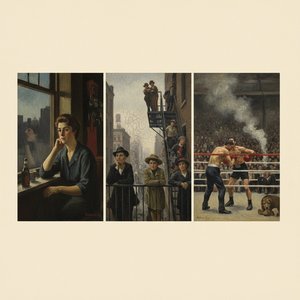
American Realism: Social Commentary & Artistic Representation in Early 20th-Century Painting
Explore the powerful social commentary & artistic representation of American Realism. Discover key artists like Bellows & Sloan, and understand the movement's lasting impact on 20th-century art history.
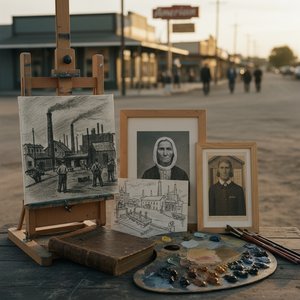
American Realism: Capturing the Raw Soul of a Nation Through the Lens of Art History
Explore the profound depth of American Realism. From the gritty Ashcan School to poignant social landscapes, discover how masters captured the raw soul of a nation through evocative oil paintings and timeless art history.

Grant Wood & American Regionalism: Identity, Myth & the Rural Landscape
Explore the world of Grant Wood & American Regionalism with OriginalUniqueArt. Discover the symbolism behind 'American Gothic', recurring themes, and the movement's lasting impact on art history. High-quality reproductions available.

