

 Zobraziť v interiéri
 Odoslať
 Zdieľať
 Podrobnosti
 Príručka

 Stiahnuť
 Podobné položky
 RTG skúška
 Prehliadanie diapo\]
 Štatistiky
The Old Lock, Windsor

 Prečítať si viac
Giclée / Umenotlač
Giclée tlač alebo plátno múzeálnej kvality s rýchlou výrobou a rôznymi možnosťami povrchovej úpravy. ( Objednať ručne maľovanú reprodukciu Prepnúť na digitálnu verziu obrazu)




P118B $10

P118H $10

P118W $10

P438Z $10

P508JH $12

P508YH $12

P805H $10

P805Z $10

P919BZ $10

P919G $10

P919XJ $10

P959ZH $10

P968JZ $12

W106C $8

W218G $10

W218JH $8

W218Y $10

W307PJ $10

W316G $10

W316PJ $8

W316Y $10

W398PJ $8

W4111J $10

W500HY $15

W500JH $15

W692G $12

W849H $8

W940BG $15

W953PJ $8




Vyberte si z našich preddefinovaných rozmerov, ktoré zodpovedajú pôvodným pomeroḿ diela.

Môžete zadať vlastné rozmery, aby sa reprodukcia prispôsobila konkrétnemu rámu alebo priestoru. Ak zvolená veľkosť nebude zodpovedať proporciám originálu, dielo buď orežeme, alebo obraz rozšírime pomocou zrkadlenia či farebného doplnenia okrajov. Pred začatím výroby vám pošleme digitálnu ukážku na schválenie.
Máte na vedomí, že náhľad na obrazovke neodzrkadľuje skutočné orezanie alebo rozšírenie. Len digitálna ukážka presne zobrazí finálnu kompozíciu.
Hoci sú k dispozícii vlastné rozmery, pre zachovanie pôvodných proporcií odporúčame vybrať si rozmer z vopred definovaného zoznamu.
Celosvetová doprava () do 2 týždňov namiesto štandardných 4 až 5 týždňov. (25 september)

Bezplatná expresná doprava po celom svete

Vysokokvalitné lnianske plátno

Úplné poistenie prepravy

Záruka vrátenia colného poplatku

Záruka presného farebného zhodnutia

100-dená politika vrátenia tovaru (iba pri vadách)

100% záruka vrátenia peňazí

Ponuka množstevnej zľavy
 Možnosť skla je dostupná len pri rozmeroch pod 110 cm

The Old Lock, Windsor
Giclée / Umenotlač
Veľkosť reprodukcie
-


Celková cena
$ 80
A Serene Vista of Rural England: “The Old Lock, Windsor”
- Subject & Composition: William Frederick Witherington’s “The Old Lock, Windsor” transports viewers to a tranquil scene along a British canal. The composition is beautifully balanced, anchored by the horizontal expanse of water and land. A picturesque sailboat rests within the lock, attended by figures – children, adults, and their canine companions – engaged in leisurely activities. In the background, the imposing silhouette of Windsor Castle adds a majestic counterpoint to the intimate foreground scene.
- Style & Technique: Executed with evident skill in oil paint, this work exemplifies the Romantic sensibilities prevalent in 19th-century British landscape painting. Witherington’s style leans towards realism, yet possesses a gentle romanticism that softens the edges of reality. His brushwork is subtle and blended, creating smooth textures suggestive of water reflections and lush foliage. The diffused lighting contributes to an overall sense of calm and serenity.
Historical Context & Artistic Influences
- A Reflection of Victorian Leisure: Painted during a period of increasing industrialization, “The Old Lock, Windsor” offers a nostalgic glimpse into rural life and the growing importance of leisure activities. The scene embodies a desire to reconnect with nature and escape the burgeoning urban landscape.
- Artistic Lineage: Witherington was a respected academic painter who exhibited regularly at the Royal Academy, becoming a Royal Academician in 1840. His early work focused on landscapes but evolved under the influence of artists like George Morland, evident in his attention to figurative elements and scenes of everyday life. Like Augustus Wall Callcott, Witherington masterfully combines lively foreground figures with expansive landscape vistas.
Symbolism & Emotional Resonance
- Layers of Meaning: Beyond its idyllic surface, the painting carries subtle symbolic weight. The canal lock itself represents human control over nature, while Windsor Castle evokes a sense of history, authority, and national identity.
- Evoking Tranquility: “The Old Lock, Windsor” is ultimately a celebration of peaceful coexistence between humanity and the natural world. Its muted color palette, soft lines, and gentle lighting create an atmosphere of tranquility and invite viewers to pause and reflect on the simple pleasures of life.
- This artwork would be a stunning addition to any collection, bringing a touch of classic English charm and serene beauty to a home or office. Its balanced composition and calming palette make it particularly well-suited for living rooms, libraries, or studies.
Biografia umelca
William Frederick Witherington (1785–1865): Maliar pokojných anglických krajín
William Frederick Witherington RA bol významným anglickým maliarom a akademikom, ktorý si získal slávu svojimi pokojnými zobrazeniami vidieckeho Anglie a intímne portrétmi rodinného života. Narodený v Londýne v roku 1785, sa vydal na umeleckú cestu, ktorá začala jeho zápisom do Royal Academy Schools v roku 1805, čím sa pevne zakotvil v vplyvných umeleckých kruhochoch svojej doby. Počas svojej bohatej kariéry trvajúcej viac ako päť desiatok rokov vystavoval Witherington pravidelne každoročne v Royal Academy od roku 1811 až do svojej smrti v roku 1865, čím si upevnil svoju reputáciu váženého umelca a významne prispel k vizuálnemu záznamu viktoriánskeho Británie.- Raný život a vzdelanie: Witherington svoje formujúce roky strávil zdokonaľovaním svojich umeleckých zručností v Royal Academy Schools, kde čerpal vplyvy od významných súčasníkov, ako bol George Morland, ktorého dôraz na zachytávanie podstaty vidieckych krajín hlboko ovplyvnil Witheringtonov štylistický prístup.
- Uznanie ako člen Royal Academy: Jeho zvolenie za A.R.A. v roku 1830 a následne za R.A. v roku 1840 predstavovalo vrchol umeleckého úspechu, čo znamenalo jeho prijatie do najvyššieho stupňa britských umeleckých inštitúcií a prinieslo mu značný prestíž v akademickej komunite.
- Významné diela a témy: Witheringtonovo dielo je charakteristické precízne vykreslenými krajinami – najmä scénami z idylického anglického vidieka – ktoré sa vyhýbali dramatickým príbehom v prospech zachytávania pokojných okamihov domáceho života. Práce ako „The Ford“ (Prepraž) a „Nocturnal Rest“ (Poludňajný odpočinok) exemplifikujú jeho majstrovskú techniku a neochvakiteľnú oddanosť vykresľovaniu krásy vidiekej Anglie s nenápadnou eleganciou.
- Vplyv a umelecký štýl: Podobne ako Augustus Wall Callcott, RA, Witherington majstrovsky kombinoval živé postavy v popredí – často zvieratá – s vzdialenými výhľadmi, aby vytvoril kompozície plné vizuálneho záujmu. Jeho štýl odrážal Morlandov záväzok vykresľovať realistické detaily pri zachovaní emocionálnej rezonancie, čo viedlo k vzniku obrazov vyjadrujúcich hmatateľný pocit pokoja a spokojnosti.
- Odkaz a historický význam: Witheringtonov príspevok k viktoriánskemu umeniu je nepopierateľný; pôsobil ako akademik až do roku 1863, formoval umeleckú krajinu svojej éry a zanechal po sebe bohaté dielo, ktoré naďalej inšpiruje svojou citlivosťou a presnosťou. Jeho maľby ponúkajú neoceniteľný pohľad na sociálne zvyky a estetické cítenie danej epochy.
Kľúčové maľby a umelecké techniky
Witheringtonova umelecká vízia sa sústredila na zachytávanie jemných nuans vidieckeho života, pričom uprednostňovala pozorovanie a precízny detail pred veľkými divadelnými kreškami. Majstrovsky využíval olejné farby – obľúbené médium jeho doby – na dosiahnutie pozoruhodných tónových gradácií a textúrovej bohatosti, čo v tomto smere odrážalo Morlandov vplyv. Umelecké kompozície často obsahovali vyvážené usporiadanie postáv a zvierat na pozadí rozľahlých krajín, čím vytvárali harmonický vizuálny dialóg, ktorý vyjadroval både realizmus aj emocionálnu hĺbku. Obraz „The Dancing Bear“ (Tancujúci medved) stojí ako dôkaz Witheringovej schopnosti vyjadriť emóciu prostredníctvom starostlivého pozorovania a zručného vedenia štetca.Ďalšie možnosti objavovania
Pre hlbšie pochopenie umeleckého odkazu Williama Fredericka Witheringtona zvážte návštevu Sochového múzea Marshalla M. Fredericks v University Center v Michiganu, kde môžete obdivovať reprodukcie jeho malieb spolu so sochami iných významných umelcov. Alternatívne preskúmajte Knole House, historický kaštieľ prezentujúci britské umenie a históriu – miesto, kde sa návštevníci môžu ponoriť do kultúrneho kontextu, ktorý formoval Witheringtonov umelecký cit. Napokon, ponorte sa do národnej historickej pamiatky Fredericka Douglassa, aby ste získali vhľad do osobného života umelca a jeho zapojenia do sociálnych otázok jeho doby.
William Frederick Witherington
1785 - 1865 , United Kingdom
Rýchle fakty
- Artistic Movement Or Style: Romantická krajinárska maľba
- Artists Or Movements Influenced By This Artist: ['Augustus Wall Callcott']
- Artists Who Influenced This Artist: ['George Morland']
- Date Of Birth: Londýn, Spojené kráľovstvo (1785)
- Date Of Death: 1865
- Full Name: William Frederick Witherington
- Nationality: Anglický
- Notable Artworks:
- The Ford
- Noon Day Rest
- The Dancing Bear
- Place Of Birth: Londýn
Súvisiace články

Evoking Nature's Sublime: A Comprehensive Exploration of 19th-Century Landscape Painting
Explore the captivating world of 19th-century landscape painting! Discover renowned artists like Friedrich & Monet, key movements, and find the perfect artwork to bring nature's serenity into your home. Expert insights at OriginalUniqueArt.
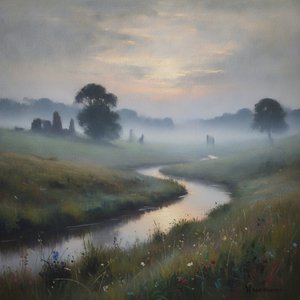
Capturing the Mist: The Timeless Beauty of British Landscape Impressionism
Explore the ethereal beauty of British Landscape Impressionism. Discover how masters captured light and mist through plein air techniques, offering a profound connection to the English countryside's timeless, atmospheric soul.

Evocations of Place: A Historical Journey Through Landscape Art
Explore the rich history of landscape art with OriginalUniqueArt. Discover renowned artists, movements like Impressionism & Romanticism, and expert guidance for collecting timeless pieces. Find your perfect serene escape today!

John Constable: Top 25 Majstrovských Diel pre Váš Domov | OriginalUniqueArt.sk
Ponorte sa do sveta Johna Constabla s OriginalUniqueArt.sk! Objavte top 25 majstrovských diel anglického romantizmu – od ikonického Hay Wain až po krajinárske motívy Suffolku. Kvalitné reprodukcie obrazov pre váš domov. Preskúmajte celú kolekciu online!

Top 10 Majstrov Romantickej Krajinomaľby: Obrazy, ktoré zmenili svet umenia
Ponorte sa do sveta romantickej krajinomaľby! Objavte top 10 majstrovských diel od Friedricha, Turnera a ďalších. Historické obrazy prírody s nádychom emócií. Reprodukcie obrazov pre váš interiér na OriginalUniqueArt.com.