

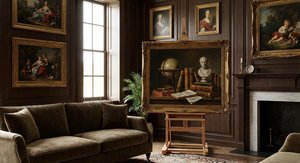
 Náhľad v interiéri
 Odoslať ako digitálnu kartu
 Zdieľať
 Podrobnosti o dielo
 Príručka

 Stiahnuť obraz
 Podobné položky
 RTG skúška
 Prehliadanie diapozoje
 Štatistiky
Judas Iscariot


 Zobraziť viac
Ručne maľovaná olejová reprodukcia
Ručne maľovaný olej na plátne vo vašej zvolenej veľkosti a v ráme, vyrobený na mieru našimi umelcami. ( Prepnúť na tlač Prepnúť na digitálny obraz)




P118B €10

P118H €10

P118W €10

P438Z €10

P508JH €12

P508YH €12

P805H €10

P805Z €10

P919BZ €10

P919G €10

P919XJ €10

P959ZH €10

P968JZ €12

W106C €8

W218G €10

W218JH €8

W218Y €10

W307PJ €10

W316G €10

W316PJ €8

W316Y €10

W398PJ €8

W4111J €10

W500HY €15

W500JH €15

W692G €12

W849H €8

W940BG €15

W953PJ €8




Vyberte si z našich preddefinovaných rozmerov, ktoré zodpovedajú pôvodným pomeroḿ diela.

Zadajte šírku a výšku, ktoré potrebujete, aby sa dielo hodilo k vášmu rámu alebo stene. Keďže ide o ručnú maľbu, pri rozmeroch s odlišným pomerom strán môže umelec namalovať o niečo viac okolo obrázka alebo ho mierne orezatú — výber patrí vám. Pred začatím maľovania vám pošleme digitálnu ukážku na schválenie. Obrázok zobrazený na tejto stránke nenahrádza reálny výsledok — ten zobrazuje iba digitálna ukážka.
Po odoslaní objednávky vám tím OriginalUniqueArt.com pošle e-mail s pokynmi a poskytne náhľad na návrh
Celosvetová doprava () za 3 až 4 týždne namiesto štandardných 5 týždňov. (28 október). Bez kompromisov v kvalite.

Bezplatná expresná doprava po celom svete

Vysokokvalitné lnianske plátno

Kompletné poistenie prepravy

Záruka vrátenia colného poplatku

Záruka presného farebného zhodnutia

100-dená politika vrátenia tovaru (iba pri vadách)

100% záruka vrátenia peňazí

Zľava pri väčšom množstve
 Možnosť skla je dostupná len pri rozmeroch pod 110 cm

Judas Iscariot
Technika reprodukcie
Veľkosť reprodukcie
-


Celková cena
€ 264
A Portrait of Betrayal and Inner Turmoil: William Etty’s Judas Iscariot
William Etty's "Judas Iscariot" is not merely a depiction of a biblical figure; it’s a profound exploration of guilt, regret, and the psychological weight of betrayal. Painted in 1840 during a period of intense artistic and social change in Britain, this oil on canvas offers a startlingly intimate glimpse into the tormented soul of Judas Iscariot – a subject rarely afforded such nuanced emotional depth within the established conventions of historical painting. Etty, a pioneer of British art who challenged the prevailing norms with his unflinching portrayals of the nude and the emotionally charged, here presents a figure stripped bare not just physically, but also psychologically.
The composition immediately draws the viewer in, compressing Judas within a tightly framed portrait that emphasizes his isolation. The dark background, punctuated by subtle hints of drapery, serves to heighten the drama and focus attention entirely on the subject’s face. Etty masterfully employs chiaroscuro – the dramatic contrast between light and shadow – to sculpt Judas's features, creating a sense of volume and emphasizing the lines etched into his brow and the sorrowful downturn of his mouth. The lighting isn’t simply illuminating; it’s actively shaping the narrative, suggesting an unseen source casting judgment upon him.
The Language of Flesh: Technique and Realism
Etty's technical skill is undeniable. He was renowned for his ability to render the subtleties of human skin with astonishing accuracy, a reputation earned through years of meticulous study and observation. Here, that expertise is on full display. The brushstrokes are visible, lending a palpable sense of texture and immediacy to the painting. Notice particularly the impasto technique used in rendering Judas’s beard – thick, textured strokes that convey both its weight and the character's age. This deliberate roughness contrasts with the smoother application of paint across his face, creating a dynamic interplay between surface and form.
The color palette is deliberately restrained, dominated by browns, greens, and blacks, reflecting the somber mood of the subject. However, subtle highlights – particularly on his hands and exposed skin – provide crucial points of contrast, preventing the image from becoming entirely bleak. Etty’s use of glazing techniques allows him to build up layers of color gradually, creating a rich depth and luminosity that belies the painting's dark tones.
Symbolism and Historical Context
Judas Iscariot holds an undeniably potent symbolic weight within Christian tradition – he is the betrayer, the agent of destruction. Etty doesn’t shy away from this association; instead, he invites contemplation on the complexities of his character. The painting isn't a simple condemnation but rather a portrayal of a man wrestling with his actions and their consequences. The gaze directed slightly off-center suggests introspection, perhaps even a plea for understanding. It is important to note that Etty’s work during this period was often met with controversy due to its depictions of the nude, particularly in relation to religious themes – a challenge to prevailing societal norms.
Furthermore, the painting reflects the broader social and artistic currents of 19th-century Britain. The rise of Romanticism emphasized emotional intensity and subjective experience, qualities that Etty expertly captures in his portrayal of Judas’s inner turmoil. The inclusion of a dark figure, reminiscent of classical depictions of Greek tragedy, adds another layer of historical resonance.
A Timeless Portrait of Human Frailty
"Judas Iscariot" remains a powerfully affecting work of art, offering a rare glimpse into the psychological landscape of a biblical villain. It’s a testament to Etty's artistic skill and his willingness to confront difficult subjects with honesty and sensitivity. More than just a historical painting, it is a meditation on guilt, regret, and the enduring human capacity for both betrayal and redemption. Reproductions capture much of this emotional depth, offering an accessible way to engage with this compelling masterpiece.
Otázky a odpovede
Akú emóciu vyjadruje dielo z obdobia Romantic Realism s názvom „Judas Iscariot“?
V rámci smeru Romantic Realism je dielo „Judas Iscariot“ zachytené s Melancholic tónom.
Aká veľkosť tlače diela „Judas Iscariot“ od William Etty sa hodí do odporúčanej miestnosti?
Odporúčaná kombinácia pre „Judas Iscariot“ od William Etty: tlač vo veľkosti Medium do miestnosti typu Living Room.
Z ktorého krajiny pochádza dielo v štýle Romantic Realism s názvom „Judas Iscariot“?
Dielo „Judas Iscariot“ vytvoril/a William Etty, ktorý/á sa narodil/a v krajine Spojené kráľovstvo, v rámci smeru Romantic Realism. Pôvod umelca spája toto dielo s movementom Romantic Realism, ako ho v krajine Spojené kráľovstvo praktikujú tamojší umelci.
Biografia umelca
William Etty (1787–1849): Pionier Britskej Nudistiky a Dramatického Historického Maľby
William Etty, meno možno nie vždy okamžite spoznávať ako jeho súčasníci, ako Turner alebo Constable, si však zasluhuje kľúčovú pozíciu v 19. storočí britského umenia. Narodil sa v Yorku 10. marca 1787, nad rámom otcovej pekáreň, a jeho cesta od skromných začiatkov až po kráľovského akademičana bola poznačená neúnavnou oddanosťou, umeleckou inováciou a istým stupňom kontroverzie. Jeho rané roky neprinášali žiadne predzveste cesty, ktorou sa bude diať. Ako 12-ročný bol zamestnaný ako tlačiar v Hull, siedme roky strávil ponošením praktických aspektov typografie – svetom tak vzdialeným od plátien, na ktorých nakoniec jeho meno zaručilo uznanie. Napriek mechanickým požiadavkám tlače však Etty kultivoval burzajúce nadšenie pre kreslenie, impulz, ktorý ho nakoniec viedol do Londýna a do svätých sídel Kráľovského akadémie v roku 1807. Tam, pod vedením Thomasa Lawrenca, zdokonalil svoje zručnosti prostredníctvom dôsledného kópiovania, položením základy kariéry definovanej mistrčským zobrazovaním ľudského tela.Vzostup k Prominentnejšiemu Postaveniu: Nudistické Maľby a Kontroverzia
Ettyho prielom nastal v roku 1821 s *Cleopatra’s Arrival in Cilicia*, maľbou, ktorá okamžite vyvolala obdiv aj škandál. Práca, plná nude figurín, bola vystavená s širokým uznaním, no zároveň mu zabezpečila povstanie kontroverzných názorov. Táto dvojakosť sa stala charakteristickou črtou jeho kariéry. On nebol len zobrazujúci nuditu; skúmal ľudské telo s bezprecedentnou realistickosťou a anatomickou presnosťou pre britského umelca tej doby. Jeho záväzok k precítenému vykresľovaniu kože, svetla a tieňa – ovplyvnený štúdiom venovaným benátskym majstrovom ako Titianovi a Rubensovi počas ciest do Talianska a Francúzska – ho odlišoval. Pokračoval v produkcii historických scén s nude figurínami, často založených na klasickej mytológii alebo literatúre, ako je *The Sirens and Ulysses*. Jeho prístup k zobrazovaniu nudistického tela bol vtedy pre britského umelca veľmi neobvyklý. Vďaka tomu sa jeho diela stali komerčne úspešnými a zabezpečili mu obdiv, hoci kritika pokračovala. V roku 1828 bol zvolený za Kráľovského akademičana, čím si upevnil svoju pozíciu v rámci etablovaného umeleckého sveta, aj keď s ním boli stále spojené šepotky o neprípustnosti.Za Nudistickými Obrazmi: Portréty a Still Life
Aj keď je Etty najznámejší pre svoje nudy, jeho umelecký rozsah sa rozšiel za túto kontroverziu. Rozpoznávajúc potrebu rozšíriť svoj imidž – a možno aj zabezurčiť stabilnejší príjem – skúmal portréty v 30. rokoch. Hoci to nebolo tak revolučné ako jeho figurálne maľby, tieto portréty demonštrujú jeho technickú zručnosť a schopnosť zachytiť charakter. Okrem toho sa Etty stal jedným z prvých britských majstrov, ktorí vážne zaoberali still life, pričom ukázal oko pre detail a citlivosť na textúru, ktorá rivalizovala s holandskými majstrami, ktorých obdivoval. Táto diverzifikácia odhaľuje pragmatickú stránku Ettyho umeleckej praxe – ochotu prispôsobiť sa trhovému dopytu a zároveň zostať verný svojím základným estetickým princípom. Napriek tomu pokračoval v návrate k nudistickému telu počas celého života, poháňaný nerozbitnou fascináciou jeho krásou a expresívnym potenciálom.Dielko a Objavovanie
William Etty zomrel v Yorku 13. novembra 1849 krát po svojom veľkom retrospektívnom výstave, ktorý odhalil brilantnosť jeho techniky a trvalú hodnotu jeho videnia. Jeho diela boli na začiatku uznávané, no v deceniách po jeho smrti sa stala zabudnutosťou. Včasné 21. storočie prinieslo obrat – jeho zahrnutie v rozsiahlej výstave *Exposed: The Victorian Nude* (2001–2002) v Tate Britain vyvolalo nové záujmy o jeho diela a podnietilo kritickú rešpreciáciu a prehodnotenie jeho miesta v britskej umeleckej histórii. Obnovenie *The Sirens and Ulysses* v roku 2010 ďalej upevňovalo tento obrat, odhaľujúc brilantnosť jeho techniky a trvalú hodnotu jeho videnia. Dnes je William Etty uznávaný ako pionier, ktorý podnechal umelecké konvencie, oslavoval ľudské telo s nevídanou realistickou presnosťou a zanechal nezmazovateľný odtlač na krajine britského umenia. Jeho diela sú dôkazmi jeho zručnosti, oddanosti a nerozbitného záväzku k zachytávaniu krásy a komplexity ľudského zážitku.Kľúčové Práce
- Cleopatra’s Arrival in Cilicia (1821): Maľba, ktorá spustila kariéru Ettyho a stanovila jeho reputáciu zobrazovania nudistických figurín.
- The Sirens and Ulysses (1837): Dramatické znázornenie Homérovej epiky, ktoré ukazuje zručnosť Ettyho v kompozícii a anatómia.
- Reverend William Jay (c. 1836-40): Príklad jeho portrétnej práce, ktorá demonštruje zmysel pre charakter.
- Standing Female Nude (date unknown): Štúdia, ktorá ukazuje jeho nevídanu zručnosť v vykresľovaní realistických kožných tónov a tela.

William Etty
1787 - 1849 , Spojené kráľovstvo
Základné informácie
- Artistic Movement Or Style: Romantizmus
- Artists Or Movements Influenced By This Artist: ['Titian']
- Artists Who Influenced This Artist: ['Lawrence']
- Date Of Birth: 10 mar 1787
- Date Of Death: 13 nov 1849
- Full Name: William Etty
- Nationality: Anglický
- Notable Artworks:
- Cleopatra
- Sireny
- Nudné
- Place Of Birth: York, Spoložná kráľovská krajina
Súvisiace články

Romantic Realism: The Masterful Fusion of Raw Emotion and Hyper-Realistic Detail for the Modern Collector
Discover the captivating world of Romantic Realism. Explore how master artists blend raw emotion with hyper-realistic detail to create timeless, museum-quality oil paintings perfect for sophisticated modern collectors and luxury home interiors.

Capturing the Soul: A Journey Through the Emotion of Romantic Realism
Explore the profound emotion of Romantic Realism. Discover how 19th-century masters blended meticulous observation with raw human feeling to capture the soul through breathtaking oil paintings and timeless artistic legacies.

The Evocative Embrace of Reality: Exploring Romantic Realism in 19th-Century Painting
Explore the captivating world of Romantic Realism! Discover key artists like Courbet & Millet, masterpieces, and the social context behind this influential art movement. Expert insights for collectors at OriginalUniqueArt.
Top 10 majstrovských diel akademického realizmu pre váš domov | OriginalUniqueArt.sk
Objavte top 10 majstrovských diel akademického realizmu! Prežite príbehy slávnych maliarov ako David, Bouguereau a Gérôme. Kvalitné reprodukcie obrazov pre váš domov na OriginalUniqueArt.sk. Preskúmajte kolekciu online.

Romantic Realism's Finest: 10 Masterpieces for Your Home | OriginalUniqueArt
Explore 10 defining masterpieces of Romantic Realism! Discover Courbet, Millet & Daumier's powerful paintings—capturing emotion and social realities. Find museum-quality reproductions for your home at OriginalUniqueArt.com.


