

 Náhľad
 Odoslať
 Zdieľať
 Podrobnosti o dielo

 Stiahnuť
 Podobné diela
 RTG skúška
 Prezentácia
 Štatistiky
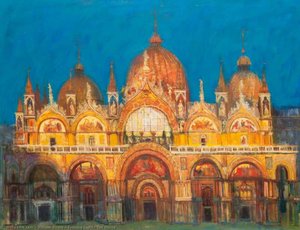
Evening Light, San Marco
 168.0 x 224.0 cm
 Paisley Art Institute Collection
 Zobraziť viac
Kúpte si digitálnu snímku vo vysokom rozlíšení s vylepšenými detailmi, ktorá je oveľa kvalitnejšia než online náhľad.
Každý súbor starostlivo pripravujú naši interní špecialisti pomocou pokročilých nástrojov a odborného manuálneho retušovania. Zabezpečujeme, aby každý obrázok disponoval výnimočnou čistotou, presnou farebnou vernosťou a jemnými detailmi.
Konečný súbor vám bude doručený e-mailom do 72 hodín, optimalizovaný pre okamžité použitie v profesionálnom, redakčnom aj tlačovom prostredí. Ide o rovnakú kvalitu, ktorej dôverajú špičkové dizajnérske štúdiá, vydavateľstvá a galérie.
Digitálny obraz
Stiahnite si vysokorozlíšený súbor na osobné zobrazovanie, tlačenie a kreatívne projekty. ( Prepnúť na tlač Kúpiť ručne maľovaný obraz)
Súčasťou každej objednávky digitálneho obrazu
Expetórne digitálne doručenie, garantované
Keď si vyberiete OriginalUniqueArt.com, nedostávate len obrázok – získate profesionálne upravené digitálne umenie, vytvorené s precíznosťou a so zárukou vašej maximálnej spokojnosti. Tu je všetko, čo je súčasťou vašej objednávky automaticky:

Rýchle doručenie e-mailom
Vaša vysokorozlíšená digitálna súprava obrázkov vám bude zaslaná e-mailom do 72 hodín od objednávky – pripravená na okamžité použitie.

Digitálny súbor s vylepšením AI
Vaše dielo je profesionálne optimalizované pomocou pokročilých nástrojov umelej inteligencie a manuálnej editácie, čo zaručuje maximálnu úroveň detailov, čistotu a presnosť farieb.

Bezplatné celoživotné opätovné doručenie
Náhodou ste zmazali alebo ste stratili svoj súbor? Nebavžte sa – pošleme vám ho kedykoľvek znova, úplne bez poplatkov.

Bez poplatkov za dovoz – navždy
Užite si svoje umelodelo okamžite bez colných poplatkov, daní alebo nákladov na dopravu – digitálne stiahnutia sú vždy oslobodené od dane.

Garantovaná presnosť farieb
Pomocou profesionálnych nástrojov a farebného manažmentu zabezpečujeme, aby vaša digitálna fotografia čo najpresnejšie odrážala pôvodné farby.

Záruka spokojnosti 100 dní
Ak nebudete spokojní so svojím digitálnym obrázkom, upravíme ho alebo vám v priebehu 100 dní vrátime 100% – bez zbytočných otázok.

100% Záruka vrátenia peňazí
Nie ste spokojní? Získajte plnú náhradu platby do 100 dní od prijatia digitálneho súboru – bez zbytočných otázok.

Zľavy pri veľkom odbere
Kúpte si 3 obrazy, ušetrite 10% - Kúpte si 5, ušetrite 15% - Kúpte si 10+, ušetrite 20%. Ideálne pre kreatívne projekty, galérie a agentúry.
Životopis umelca
William Birnie: A Scottish Vision of Landscape and Light
William Birnie (1929-2006) wasn’t a name immediately recognized in the grand halls of 19th-century art, yet his canvases hold a quiet power—a deeply felt connection to the rugged beauty of Scotland. Born in Bathgate, West Lothian, Birnie's artistic journey was shaped by a unique confluence of influences: a rigorous formal education, a profound love for the landscape, and a deliberate rejection of prevailing trends in favor of a personal, intensely observed style. His work isn’t about grand pronouncements or dramatic gestures; it’s an invitation to slow down, to breathe in the atmosphere of a Highland glen or the muted hues of a winter’s day.
Birnie's early artistic training was rooted in Glasgow School of Art, where he studied under luminaries like William and Mary Armour, David Donaldson, and Geoffrey Squire. This environment fostered experimentation with various techniques – watercolour, oil, and pastel – but it was his time at Hospitalfield House in Arbroath that proved pivotal. This residency provided him with the space and freedom to develop a distinctive approach, prioritizing observation and capturing subtle shifts in light and color. He wasn’t interested in replicating reality; instead, he sought to distill the essence of a place, imbuing his paintings with a sense of mood and atmosphere.
The Kilbarchan Winter Series: A Masterclass in Atmospheric Painting
Birnie's most celebrated work undoubtedly lies within his series of paintings depicting the winter landscape around Kilbarchan, near Glasgow. These works, produced primarily between 1960 and 1980, represent a culmination of his artistic explorations. The subjects – often bleak, snow-covered fields, skeletal trees, and the muted tones of a Highland sky – might seem austere at first glance, but they are imbued with an extraordinary sense of warmth and tranquility. He achieved this through a masterful manipulation of light and color, employing delicate washes of paint to create a shimmering effect that seems to capture the very breath of winter.
What distinguishes Birnie’s approach is his deliberate avoidance of sharp contrasts or dramatic compositions. Instead, he favored subtle gradations of tone, layering thin glazes of paint to build up depth and atmosphere. His brushwork is almost invisible—a testament to his meticulous observation and control. The paintings aren't merely representations of a scene; they are evocations of feeling – the stillness, the solitude, the quiet beauty of a landscape stripped bare by winter’s embrace.
Influences and Artistic Development
While Birnie’s style is undeniably unique, it’s clear that he was influenced by several key artistic movements. The Impressionists, with their focus on capturing fleeting moments of light and color, undoubtedly played a role in shaping his approach. He also drew inspiration from the Scottish Colourists – J.M. Whistler, Joseph Thomson, and Peter McGregor Rae – who sought to paint directly from nature, rejecting academic conventions. However, Birnie’s work transcends mere imitation; he developed a distinct voice that is both deeply rooted in tradition and refreshingly original.
His early training at Glasgow School of Art exposed him to the ideas of Cubism, but he quickly moved beyond these influences, embracing a more traditional approach to landscape painting. He was particularly drawn to the work of Constable and Turner, artists who were masters of capturing atmospheric effects and conveying the beauty of the natural world. Birnie’s paintings share this same sense of reverence for nature, as well as a similar ability to evoke a powerful emotional response in the viewer.
Legacy and Recognition
Despite not achieving widespread fame during his lifetime, William Birnie's work has gained increasing recognition in recent decades. His paintings are now held in major collections across Scotland and beyond, and they continue to be exhibited at galleries and museums throughout the country. His influence can also be seen in the work of contemporary landscape artists who share his commitment to observation, atmosphere, and a deep connection to the natural world.
Birnie’s legacy lies not just in his stunning paintings but also in his quiet dedication to his craft and his unwavering belief in the power of art to capture the beauty and wonder of the Scottish landscape. He reminds us that true artistry is often found not in grand gestures, but in the subtle details—the way light falls on a snow-covered field, the rustle of leaves in the wind, the quiet stillness of a winter’s day.
william birnie
1929 - 2006
Základné informácie
- Artistic Movement Or Style: Sculpture, Royal Scottish Academy
- Artists Or Movements Influenced By This Artist: ['Scottish Sculpture']
- Artists Who Influenced This Artist: ['John Rhind (father)']
- Date Of Birth: February 27, 1853
- Date Of Death: July 9, 1933
- Full Name: William Birnie Rhind
- Nationality: British
- Notable Artworks:
- War memorials (Edinburgh)
- Fettes College memorial
- Place Of Birth: Edinburgh, Scotland