

 Náhľad
 Odoslať
 Zdieľať
 Podrobnosti o dielo

 Stiahnuť
 Podobné diela
 RTG skúška
 Prezentácia
 Štatistiky
Coney Island
 1940
1940 26.0 x 35.0 cm
 Zobraziť viac
Kúpte si digitálnu snímku vo vysokom rozlíšení s vylepšenými detailmi, ktorá je oveľa kvalitnejšia než online náhľad.
Každý súbor starostlivo pripravujú naši interní špecialisti pomocou pokročilých nástrojov a odborného manuálneho retušovania. Zabezpečujeme, aby každý obrázok disponoval výnimočnou čistotou, presnou farebnou vernosťou a jemnými detailmi.
Konečný súbor vám bude doručený e-mailom do 72 hodín, optimalizovaný pre okamžité použitie v profesionálnom, redakčnom aj tlačovom prostredí. Ide o rovnakú kvalitu, ktorej dôverajú špičkové dizajnérske štúdiá, vydavateľstvá a galérie.
Digitálny obraz
Stiahnite si vysokorozlíšený súbor na osobné zobrazovanie, tlačenie a kreatívne projekty. ( Prepnúť na tlač Kúpiť ručne maľovaný obraz)
Súčasťou každej objednávky digitálneho obrazu
Expetórne digitálne doručenie, garantované
Keď si vyberiete OriginalUniqueArt.com, nedostávate len obrázok – získate profesionálne upravené digitálne umenie, vytvorené s precíznosťou a so zárukou vašej maximálnej spokojnosti. Tu je všetko, čo je súčasťou vašej objednávky automaticky:

Rýchle doručenie e-mailom
Vaša vysokorozlíšená digitálna súprava obrázkov vám bude zaslaná e-mailom do 72 hodín od objednávky – pripravená na okamžité použitie.

Digitálny súbor s vylepšením AI
Vaše dielo je profesionálne optimalizované pomocou pokročilých nástrojov umelej inteligencie a manuálnej editácie, čo zaručuje maximálnu úroveň detailov, čistotu a presnosť farieb.

Bezplatné celoživotné opätovné doručenie
Náhodou ste zmazali alebo ste stratili svoj súbor? Nebavžte sa – pošleme vám ho kedykoľvek znova, úplne bez poplatkov.

Bez poplatkov za dovoz – navždy
Užite si svoje umelodelo okamžite bez colných poplatkov, daní alebo nákladov na dopravu – digitálne stiahnutia sú vždy oslobodené od dane.

Garantovaná presnosť farieb
Pomocou profesionálnych nástrojov a farebného manažmentu zabezpečujeme, aby vaša digitálna fotografia čo najpresnejšie odrážala pôvodné farby.

Záruka spokojnosti 100 dní
Ak nebudete spokojní so svojím digitálnym obrázkom, upravíme ho alebo vám v priebehu 100 dní vrátime 100% – bez zbytočných otázok.

100% Záruka vrátenia peňazí
Nie ste spokojní? Získajte plnú náhradu platby do 100 dní od prijatia digitálneho súboru – bez zbytočných otázok.

Zľavy pri veľkom odbere
Kúpte si 3 obrazy, ušetrite 10% - Kúpte si 5, ušetrite 15% - Kúpte si 10+, ušetrite 20%. Ideálne pre kreatívne projekty, galérie a agentúry.
Životopis umelca
The Shadow of the City: The Life and Lens of Weegee
In the frantic, neon-lit pulse of mid-century New York, one name emerged from the darkness to document the city's most visceral moments: Weegee. Born Arthur Melville Fellig in 1899, the man behind the pseudonym was far more than a mere observer; he was a phantom of the streets, a self-made pioneer who transformed the grim realities of urban decay into a profound form of visual journalism. His journey did not begin in the hallowed halls of an art academy, but rather in the grit and hardship of Brooklyn. After serving as a soldier in World War I—an experience that likely stripped away any lingering illusions of romanticism—Fellig turned his gaze toward the burgeoning chaos of Manhattan. He was a man who understood that the true heart of the metropolis beat most loudly in its darkest alleys, its crime scenes, and its moments of sudden, unvarnished tragedy.
Weegee’s rise to prominence was characterized by an unparalleled audacity. Eschewing the traditional path of seeking employment through official channels, he famously created his own vocation. For years, he operated without credentials, haunting Manhattan Police Headquarters and waiting for the police teletype to broadcast the next unfolding drama. This relentless pursuit allowed him to arrive at scenes of accidents, fires, and crimes often mere minutes after they occurred, capturing a raw immediacy that no other photographer could replicate. His work was not an attempt to beautify the struggle of the Great Depression or the tension of the post-war era; instead, it was a confrontation. Through his lens, the viewer was forced to witness the unflinching reality of poverty, injury, and death, presented without the comfort of artistic embellishment.
Technique and the Aesthetics of Flash
The visual language of Weegee was defined by a stark, high-contrast aesthetic that has since become iconic in the history of street photography. Utilizing a Rolleiflex camera equipped with a powerful flashbulb, he mastered the art of illuminating the shadows. This technique created a dramatic, almost theatrical lighting effect, where subjects were thrust into sharp relief against an impenetrable black background. This "flash-heavy" style did more than just provide visibility in the dead of night; it heightened the psychological tension of his compositions, isolating individuals and objects within a void of urban uncertainty. There was no room for retouching or manipulation in his process; he sought a brutal honesty that relied entirely on the spontaneous interplay of light and darkness.
His compositions, while appearing spontaneous, were deeply impactful due to their ability to frame the human condition. Whether capturing a captured burglar, the chaotic energy of Coney Island, or the sudden stillness of a street accident, Weegee possessed an innate sense of timing and framing. His black and white prints carried a weight that color could never achieve, emphasizing textures of wet pavement, weathered skin, and the cold steel of police sirens. This mastery of light allowed him to turn the mundane and the macabre into something hauntingly beautiful, bridging the gap between news photography and fine art.
Legacy and Historical Significance
The historical significance of Weegee lies in his role as a chronicler of an era that was rapidly disappearing. He captured the transition of New York from the desperate years of the Depression through the transformative period of World War II, providing a visual record of social realism that remains unparalleled. Beyond his solo photographic endeavors, his influence extended into the realm of cinema, where he collaborated with legendary directors like Stanley Kubrick, bringing his gritty, documentary-style eye to the silver screen.
Today, Weegee is remembered not just as a photojournalist, but as an artist who found meaning in the margins of society. His work serves as a testament to the power of the unmediated gaze, reminding us that there is profound truth to be found in the shadows. His legacy continues to inspire generations of street photographers who seek to capture the pulse of the world exactly as it is: raw, unfiltered, and undeniably human.
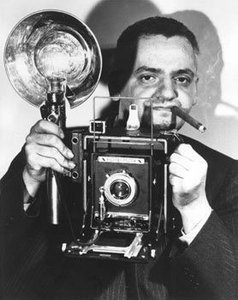
weegee (arthur fellig)
1899 - 1968
Základné informácie
- Artistic Movement Or Style: Street Photography
- Date Of Birth: 1899
- Full Name: Arthur Fellig
- Nationality: American
- Notable Artworks:
- Brooklyn School Children See Gambler Murdered in Street
- Street Accident
- Victory Celebration
- Place Of Birth: New York City, USA