

 Náhľad v interiéri
 Odoslať ako digitálnu kartu
 Zdieľať
 Podrobnosti o dielo
 Príručka

 Stiahnuť obraz
 Podobné položky
 RTG skúška
 Prehliadanie diapozoje
 Štatistiky
Interiér


 Zobraziť viac
Giclée / Umenotlač
Giclée tlač alebo plátno múzeálnej kvality s rýchlou výrobou a rôznymi možnosťami povrchovej úpravy. ( Kúpiť ručne maľovaný obraz Prepnúť na digitálny obraz)




P118B €10

P118H €10

P118W €10

P438Z €10

P508JH €12

P508YH €12

P805H €10

P805Z €10

P919BZ €10

P919G €10

P919XJ €10

P959ZH €10

P968JZ €12

W106C €8

W218G €10

W218JH €8

W218Y €10

W307PJ €10

W316G €10

W316PJ €8

W316Y €10

W398PJ €8

W4111J €10

W500HY €15

W500JH €15

W692G €12

W849H €8

W940BG €15

W953PJ €8




Vyberte si z našich preddefinovaných rozmerov, ktoré zodpovedajú pôvodným pomeroḿ diela.

Zadajte šírku a výšku, ktoré potrebujete, aby sa reprodukcia hodila k vášmu rámu alebo stene. Print možno len orezávať, nikdy však nemennú veľkosť zvětšiť oproti pôvodnému obrázku, preto pri inom formáte stráca časť obrazu. Pred samotným vytlačiacím procesom vám pošleme digitálny náhľad na schválenie. Obrázok zobrazený na tejto stránke nezobrazuje reálny rez — len digitálny náhľad ukazuje presný výsledok.
Celosvetová doprava () do 2 týždňov namiesto štandardných 4 až 5 týždňov. (28 október)

Bezplatná expresná doprava po celom svete

Vysokokvalitné lnianske plátno

Kompletné poistenie prepravy

Záruka vrátenia colného poplatku

Záruka presného farebného zhodnutia

100-dená politika vrátenia tovaru (iba pri vadách)

100% záruka vrátenia peňazí

Zľava pri väčšom množstve
 Možnosť skla je dostupná len pri rozmeroch pod 110 cm

Interiér
Giclée / Umenotlač
Veľkosť reprodukcie
-


Celková cena
€ 71
Vincenzo Scamozziho Výstup na scénu – Klasická elegance Sabbionety
Výstup na scénu Vincenza Scamozziho z roku 1580 predstavuje fascinujúci pohľad do srdca Sabbionetského divadla, monumentálneho diela talianskej architektúry Barroka. Tento obraz nie je len jednoduchým nárekom na krásu; je výsledkom hlbokého porozumenia estetickým princípom doby a umeleckej filozofii svojho času. Scamozzi, uznávaný odborník na klasické architektúru, dokázal vytvoriť stavbu, ktorá oslňuje svojimi proporciami a bohatými dekoráciami – a jeho výstupný obraz dokonale zachytáva túto majestátnosť. Scamozziho štýl je jasne ovplyvnený klasickým ideálom krásy, ktorý bol v období Barroka veľmi žiadaný. Používa elegantné geometrické tvary, ako sú oblúky a pilastry, ktoré vytvárajú pocit rovnováhy a harmonie. Základným materiálom stavby boli kvalitná žula a mramor, čo prispievalo jej impozantnému vzhľadu. Výstupný obraz bol vytvorený pomocou fresiek – techniky, ktorá bola vtedy veľmi rozšírená a umožňovala dosiahnuť vysokú úroveň detailnosti a farebného bohatstva. Fresky zobrazujú sceny z klasickej literatúry a histórie, ktoré majú vyjadriť hodnoty humanistického vzdelania a kultúrneho rozvoja. Výstup na scénu je viac ako len dekoratívny prvok; reprezentuje základný princíp architektúry – vytvorenie priestoru, ktorý podporuje estetické zážitky návštevníkov. Scamozzi si uvedomoval význam osvetlenia pri tvorbe svojich obrazov a použil prirodzené svetlo vstupujúce cez okna a svetelné otvorí, aby vytvoril efektívny dramatický rozsah. Svetlo vrhá teplé tiene na povrchy stavby a zvýrazňuje krásu ornamentálneho dekoru – čo prispieva celkovému pocitu elegancie a kultúrnej hodnoty. Tento obraz je dôkazom toho, že architektúra môže byť umeleckým vyjadrením filozofických ideálov a zároveň praktickým riešením estetických problémov.- Hlavným materiálom stavby boli kvalitná žula a mramor.
- Používanie oblúkov a pilastrov vytváral pocit rovnováhy a harmonie.
- Fresky zobrazujú klasické motívy literatúry a histórie.
Otázky a odpovede
Kde kúpiť ručne maľované kópie diela „Interiér“ od Vincenzo Scamozzi?
Ručne maľované kópie diela „Interiér“ od Vincenzo Scamozzi sú dostupné na stránke táto webstránka: ručne maľovaná olejná reprodukcia na ľanovom plátne, pričom objednať ich môžete priamo cez ich podstránku Ručne maľovaná reprodukcia.
Aká veľkosť a orientácia sa odporúčajú pre tlač diela „Interiér“ od Vincenzo Scamozzi?
Pre dielo „Interiér“ sa odporúča tlač vo veľkosti Large v orientácii Square.
Ako si môžem pozrieť náhľad reprodukcie diela „Interiér“ od Vincenzo Scamozzi?
Stránka s náhľadom diela „Interiér“ (Náhľad diela) vám umožňuje prezrieť si umelostné dielo ešte pred objednávkou.
Biografia umelca
The Architect of Ideal Proportions
Vincenzo Scamozzi was not primarily a visual artist in the traditional sense, but rather a profound Italian architect and theorist whose influence shaped the very fabric of the Renaissance and the dawn of Neoclassicism. Born in Vicenza, Italy, he emerged from a lineage of builders, being the son of Gian Domenico Scamozzi, a surveyor and contractor who served as his first teacher. This early immersion in the practicalities of construction, combined with the architectural principles of Sebastiano Serlio, provided the foundation for a career that would bridge the gap between the late Renaissance and the emerging classical ideals of later centuries.
His professional journey was inextricably linked to the legacy of the legendary Andrea Palladio. Following Palladio's death in 1580, Scamozzi found himself entrusted with several unfinished projects, most notably the prestigious Teatro Olimpico at Vicenza. By bringing these monumental designs to completion, he did more than just finish buildings; he preserved and refined a specific architectural language that would resonate through the ages. His ability to navigate the transition from Palladio's late works to his own distinct vision established him as a pivotal figure in the Republic of Venice area.
A Legacy Written in Stone and Theory
Scamozzi’s contribution to the world of architecture extended far beyond the physical structures he erected. He was a scholar of immense intellect, a man who sought to codify the laws of beauty and symmetry through written word. His monumental two-volume treatise, L'idea dell'architettura universale, published in Venice in 1615, stands as one of the final great works of the Renaissance. In this text, he utilized woodcut illustrations, plans, and elevations to communicate a vision of universal architectural harmony, drawing upon the commentaries of Daniele Barbaro on Vitruvius.
His theoretical reach was complemented by his active practice across the Italian landscape. From the completion of the stables at Villa Capra "La Rotonda" near Vicenza to his ambitious work on the Procuratie Nuove in Piazza San Marco, Venice, Scamozzi’s hand is visible in some of the most significant urban developments of his era. His design for the Procuratie Nuove, which featured alternating triangular and arched pediments and elegant colonnettes, demonstrated a masterful ability to adapt existing architectural traditions into a unified, grander whole.
The Intellectual Father of Neoclassicism
The historical significance of Vincenzo Scamozzi lies in his role as an intellectual bridge. While he operated within the late Renaissance tradition, his rigorous adherence to classical principles and his theoretical depth earned him recognition as one of the intellectual fathers of neoclassicism. His influence was not confined to Italy; through the lineage of architectural thought, his ideas traveled to the German Empire and France, and eventually found a powerful echo in the works of Inigo Jones, who introduced neo-Palladian architecture to England.
Even in his more personal explorations, such as the detailed sketchbook records of his impressions of French architecture, Scamozzi displayed a keen eye for the structural essence of design. Whether he was designing the Teatro Sabbioneta or working on the Church of San Gaetano Thiene in Padua, his work remained a testament to the pursuit of ideal human proportion and the enduring power of classical antiquity. He remains a figure of immense importance, a man whose life's work ensured that the architectural brilliance of the Renaissance would be preserved, understood, and reborn in the centuries to follow.

Vincenzo Scamozzi
1548 - 1616 , Italy
Základné informácie
- Artists Who Influenced This Artist: ['Palladio']
- Full Name: Vincenzo Scamozzi
- Nationality: Italian
- Notable Artworks: ["L'Idea della Architettura"]
- Place Of Birth: Vicenza, Italy
- Date Of Birth: 1548
- Date Of Death: 1616
Súvisiace články

Baroque Classicism: Reconciling Drama & Order in 17th-Century Art
Explore the captivating world of Baroque Classicism! Discover its history, key artists like Caravaggio & Rubens, and defining characteristics. Expert insights & high-quality reproductions at OriginalUniqueArt.

Top 10 Bronzových Majstrovských Diel, ktoré Zmenili Umění Navždy | OriginalUniqueArt
Objavte top 10 legendárnych bronzových majstrovských diel, ktoré zmenili umenie navždy! Rodin, Michelangelo a ďalší. Prežite príbehy slávnych sôch a nájdite inšpiráciu pre váš interiér na OriginalUniqueArt.com.
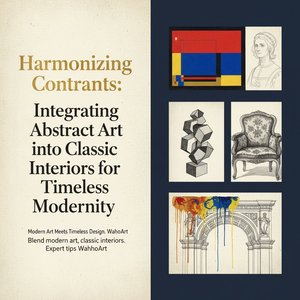
Harmónia kontrastov: Integrácia súčasného umenia do klasických interiérov pre nadčasnú modernu
Oživte svoj klasický interiér súčasným umením! Sprievodca od odborníkov na harmóniu štýlov, výber diel a umeleckú kuratelu. Zvýšte hodnotu vášho domova s OriginalUniqueArt.

Baroková Dráma: Umenie, ktoré prináša nádheru do domova
Objavte nádheru barokového štýlu! Spoznajte jeho históriu, kľúčové prvky a inšpirujte sa tipmi pre váš domov. Kvalitné reprodukcie diel od .

Top 10 Bronzových Sôch, ktoré Zmenili Umenie Navždy | OriginalUniqueArt
Objavte top 10 legendárnych bronzových sôch, ktoré zmenili umenie! Michelangelo, Rodin a ďalší majstri. História, techniky a nadčasová krása pre váš interiér. Reprodukcie múzejnej kvality na OriginalUniqueArt.com
