Zobraziť v interiéri
 Odoslať
 Zdieľať
 Podrobnosti
 Príručka

 Stiahnuť
 Podobné položky
 RTG skúška
 Prehliadanie diapo\]
 Štatistiky
Tkáč
 Olej na plátne
- WallArt
- Realizmus
 1884
1884- 19. storočie
 61.0 x 48.0 cm
 Kröller-Müllerov muzeum
 Prečítať si viac
Giclée / Umenotlač
Giclée tlač alebo plátno múzeálnej kvality s rýchlou výrobou a rôznymi možnosťami povrchovej úpravy. ( Objednať ručne maľovanú reprodukciu Prepnúť na digitálnu verziu obrazu)




P118B €10

P118H €10

P118W €10

P438Z €10

P508JH €12

P508YH €12

P805H €10

P805Z €10

P919BZ €10

P919G €10

P919XJ €10

P959ZH €10

P968JZ €12

W106C €8

W218G €10

W218JH €8

W218Y €10

W307PJ €10

W316G €10

W316PJ €8

W316Y €10

W398PJ €8

W4111J €10

W500HY €15

W500JH €15

W692G €12

W849H €8

W940BG €15

W953PJ €8




Vyberte si z našich preddefinovaných rozmerov, ktoré zodpovedajú pôvodným pomeroḿ diela.

Zadajte šírku a výšku, ktoré potrebujete, aby sa reprodukcia hodila k vášmu rámu alebo stene. Print možno len orezávať, nikdy však nemennú veľkosť zvětšiť oproti pôvodnému obrázku, preto pri inom formáte stráca časť obrazu. Pred samotným vytlačiacím procesom vám pošleme digitálny náhľad na schválenie. Obrázok zobrazený na tejto stránke nezobrazuje reálny rez — len digitálny náhľad ukazuje presný výsledok.
Celosvetová doprava () do 2 týždňov namiesto štandardných 4 až 5 týždňov. (25 október)

Bezplatná expresná doprava po celom svete

Vysokokvalitné lnianske plátno

Úplné poistenie prepravy

Záruka vrátenia colného poplatku

Záruka presného farebného zhodnutia

100-dená politika vrátenia tovaru (iba pri vadách)

100% záruka vrátenia peňazí

Ponuka množstevnej zľavy
 Možnosť skla je dostupná len pri rozmeroch pod 110 cm

Tkáč
Giclée / Umenotlač
Veľkosť reprodukcie
-


Celková cena
€ 70
Tkáč od Vincenta van Gogha: Pohľad do sivého života na vidieku
Dielo „Tkáč“ od Vincenta van Gogha, vytvorené v roku 1884, ponúka dojmovité a intímne zobrazenie vidieku v Holandsku. Táto práca, vzniknutá počas Van Goghovho obdobia v Nuenene, demonštruje jeho raný umelecký rozvoj a hlbokú empatiu voči robotníckej vrstve. V súčasnosti sa tento vzácny kus nachádza v prestížnom múzeu Kröller-Müller v Otterlo v Holandsku.
Historický kontext a inšpirácia
Stredná časť 80. rokov 19. storočia znamenala pre vidiecke oblasti, akou je Nuenen, obdobie významných sociálnych zmien. Tradičné domáce priemyselné výroby, vrátane tkateľstva, čelili úpadku v dôsledku industrializácie. Van Gogh bol hlboko dojatím osudom týchto robotníkov a prostredníctvom svojho umenia sa snažil zachytiť ich oddanosť aj tr 통해 ťažkosti. „Tkáč“ je súčasťou série obrazov zobrazujúcich život chudobných roľníkov a tkáčov, čo odráža jeho túžbu dokumentovať tento zanikajúci spôsob života s úprimnosťou a súcitom. Obraz slúži ako vizuálna kronika komunity prechádzajúcej transformáciou, zdôrazňujúc krásu aj zápasy, ktoré sú neoddeliteľnou súčasťou tradičného remesla.
Kompozícia, technika a umelecký štýl
S rozmermi 61 x 48 cm je „Tkáč“ olej na plátne vykonaný s pozoruhodným realizmom. Kompozícia sa sústreďuje na muža pilne pracujúceho pri veľkom tkáčskom stave, ktorého sústredenie zostáva neotrasné napriek tísnivému prostrediu. V pozadí sú jemne prítomné ďalšie dve postavy, ktoré dodávajú dielu hĺbku a naznačujú komunitný charakter tejto práce. Van Goghova technika tu vykazuje odklon od živších farieb, podľa ktorých sa neskôr stal známy; v tomto prípade využíva tlmenú paletu hnedých, šedých a červených tónov, aby vyvolal atmosféru tkáčskeho ateliéru – priestoru plného prachu, tieňov a tichého odhodlania. Hrubé ťahy štetcom, charakteristické pre Van Goghov štýl už aj v jeho raných díloch, vytvárajú textúru a imbujú scénu pocitom hmatateľnej reality. Starostlivé detailné zobrazenie samotného stave – jeho zložitej mechaniky a opotrebovaných povrchov – podčiarkuje dôležitosť tohto remesla.
Symbolika a emocionálny dopad
Okrem svojej dokumentárnej hodnoty nesie „Tkáč“ aj silnú symbolickú váhu. Samotný tkáč predstavuje vytrvalosť, oddanosť a dôstojnosť práce. Jeho postoj a výraz tváre vyjadrujú pocit tichej kontemplácie, čo naznačuje opakovateľnú, no nevyhnutnú povahu jeho práce. Polotomorná miestnosť a tlmené farby vyvolávajú pocit melancholie a izolácie, čo odráža ťažkosti, ktorým čelili vidiecke komunity v tomto období. Emocionálny dopad obrazu spočíva v jeho schopnosti spojiť diváka s ľudskou skúsenosťou – s bojmi, odolnosťou a neotrasným duchom ľudí, ktorí neúnavne pracovali, aby zabezpečili svoje rodiny. Nejde len o zobrazenie tkáča; je to hlboké preskúmavanie samotnej ľudskosti.
Otázky a odpovede
Aký emóciu vyjadruje dielo z obdobia Realizmus s názvom „Tkáč"]?
Melancholický emócia diela „Tkáč“ dopĺňa jeho štýl, ktorý patrí do smeru Realizmus.
Aký je pomer strán a aké sú rozmery diela „Tkáč“ od Vincent Van Gogh?
Formát diela „Tkáč“ je Horizontálna orientácia a originál meria 61 x 48 cm. Obe informácie sú užitočné pri plánovaní reprodukcie.
Ako môžem získať print diela „Tkáč“ od Vincent Van Gogh?
Potlač diela „Tkáč“ od Vincent Van Gogh si môžete objednať priamo na jeho stránke Výškovotlač fine art: umelecká tlač na bavlnenom plátne alebo archivnom plátnovom papieri.
Biografia umelca
Život namalovaný vášňou: Vincent van Gogh
Vincent Willem van Gogh, meno synonymické pre živé farby a surové emócie, zostáva jednou z najrozpoznateľnejších a najobľúbenejších postáv v dejinách umenia. Narodený 30. marca 1853 v Zundert v Holandsku, jeho cesta od trápeného mladíka hľadajúceho zmysel až po umeleckého vizionára je dojímavým príbehom oddanosti, boja a nakoniec nesmrteľného odkazu. Hoci počas svojho života dosiahol len malý komercijnú úspech – pred svojou smrťou predal len jeden obraz, The Red Vineyard (Červená vinica) – Van Goghov dopad na moderné umenie je neúmeriteľný, pretože otvoril cestu expresionizmu a ovplyvnil nespočetných umelcov, ktorí nasledovali jeho kroky. Jeho príbeh nie je len o ťahoch štetcom a plátnach; je to svedectvo o sile ľudskej vyjadrivosti v tvár adversity.
Rané roky a umelecké prebudenie
Van Goghov raný život bol poznačený sériou nesplnených ambícií. Skúmal rôzne profesie – obchodník s umením, učiteľ, a dokonca aj misionár – kým sa konečne nezasvätil maľbe vo veku 27 rokov, čo bolo relatívne neskoro. Tieto rané skúsenosti hlboko formovali jeho svetozor a našli si cestu do jeho umenia. Jeho prvé diela, zobrazujúce scény z pečovateľského života na vidieku v Belg বুকে, odrážajú hlbokú empatiu k robotníckej triede a tichú paletu farieb, ktorá odzrkadľuje ich ťažkosti. Pod vplyvom umelcov ako Jean-François Millet sa Van Gogh snažil zachytiť dôstojnosť a odolnosť týchto ľudí prostredníctvom surového realizmu. Avšak transformujúci sa ukázal až jeho presun do Paríža v roku 1886. Tam sa stretol s impresionizmom a postimpresionizmom, pričom si osvojil techniky majstrov ako Monet, Renoir a Pissarro. Táto skúsenosť rozšírila jeho umelecké obzory a viedla ho k experimentov s jasnejšími farbami a voľnejším ťahom štetcom, pričom si zachoval odlišnú emocionálnu intenzitu, ktorá u mnohých jeho súčasníkov chýbala. Jeho brat Theo, ktorý bol obchodníkom s umením, zohral v tomto období kľúčovú úlohu, poskytoval finančnú podporu a pôsobil ako životne dôležitý spojovací článok s parížskym svetom umenia. Ich rozsiahla korešpondencia ponúka neoceniteľný pohľad na Van Goghov umelecký vývoj a osobné zápasy.
horskýJužné svetlo a explozívna kreativita
V hľadaní živšej krajiny a pocitu obnovy sa Van Gogh v roku 1888 presťahoval do Arles v južnom Francúzsku. Tento presun znamenal obdobie intenzívnej tvorby, charakterizované explóziou farieb a špecifickou technikou impasto – nanovaním hrubej vrstvy farby na plátno, čím vznikol texturovaný povrch, ktorý sa zdá byť preplnený energiou. Práve tu vytvoril niektoré zo svojich najikonickejších diel: Slnečnice, Nočná kaviareň a Hviezdičná noc. Intenzívne slnečné svetlo Provance sa zdalo zapáliť jeho predstavivosť, čo ho viedlo k vykresľovaniu krajín a záložiek s nepredychanej živosťou. Jeho túžba po umeleckej spolupráci ho priviedla k pozvaniu Paula Gauguina do Arles, v nádeji na vytvorenie utopickej umeleckej kolónie. Ich vzťah sa však ukázal ako nestabilný, čo vyvrcholilo dramatickým konfrontáciou, v ktorej si Van Gogh vlastnoručne odrezal ucho. Tento udalosť podčiarkla krehkosť jeho duševného stavu a znamenala začiatok obdobia hospitalizácie a narastajúcich psychických trápení.
Neskoré roky a trvajúci odkaz
Po svojom zrútení sa Van Gogh dobrovoľne prihlásil do nemocnice v Saint-Rémy, kde pokračoval v bujnej tvorbe a zachytával okolitú krajinu s krásou aj nepokojom. Diela ako Hviezdičná noc, vytvorené počas tohto obdobia, sú preplnené pocitom vesmírneho úžasu a hlbokej emocionálnej hĺbky. Neskôr sa presunul do Auvers-sur-Oise pod starostlivosť Dr. Paula Gacheta, no jeho zápasy pretrvali. 29. júla 1890, vo veku 37 rokov, Van Gogh tragicky zomrel na ránu spôsobenú strelnou zbraňou, ktorú si spôsobil sám. Hoci počas života dosiahol len malé uznanie, jeho dielo začalo získavať pośmrtnú slávu vďaka neúnavnému úsiliu jeho švagach, Johanny van Gogh-Bonger, ktorá de𝗱ila jeho majetok a zasvätila sa propagácii jeho umenia. Dnes sú Van Goghove obrazy oslavované po celom svete pre ich emocionálnu intenzitu, inovatívne techniky a nesmrteľnú krásu. Jeho odkaz presahuje daleko za hranice plátna; stal sa symbolom umeleckej vášne, vytrvalosti v čase neúrazov a sily umenia vyjadriť tie najhlbšie ľudské emócie.
Kľúčové vplyvy a umelecký vývoj
- Raný realizmus: Zobrazovanie selského života od Jean-François Millet ovplyvnilo rané práce Van Ghoha.
- Impresionizmus a postimpresionizmus: Kontakt s Monetom, Renoirom, Pissarrom a ďalšími v Paríži rozšíril jeho paletu aj techniku.
- Japonské stripy: Van Gogh bol hlboko ovplyvnený japonskými drevorytom, ktoré vášnivým spôsobom zbieral. Ich odvážne kompozície a ploché plochy farieb ovplyvnili jeho vlastný štýl.
- Emocionálne vyjadrenie: Nadovšetko sa Van Gogh snažil prostredníctvom svojho umenia vyjadriť emóciu, pričom uprednostňoval subjektívnu skúsenosť pred objektívnou predstavou. Tento dôraz na emocionálnu intenzitu sa stal definujúcim znakom jeho práce a otvoril cestu expresionizmu.
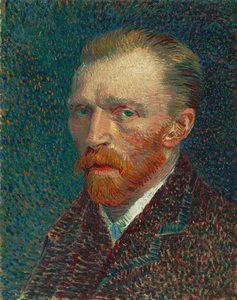
Vincent Van Gogh
1853 - 1890 , Holandsko
Rýchle fakty
- Artistic Movement Or Style: Postimpresionizmus
- Artists Or Movements Influenced By This Artist:
- Expresionizmus
- Fauvizmus
- Artists Who Influenced This Artist:
- Rembrandt
- Millet
- Date Of Birth: 30. marec 1853
- Date Of Death: 29. júl 1890
- Full Name: Vincent Willem van Gogh
- Nationality: Holanďan
- Notable Artworks:
- Slnečnice
- Hviezdičná noc
- Nočná kaviareň
- Place Of Birth: Zundert, Holandsko
Súvisiace články

Jan van Goyen: Master of Dutch Landscape & Atmospheric Perspective
Discover Jan van Goyen, the master of Dutch landscape painting. Explore his subtle technique, atmospheric realism & lasting influence on art history. Learn about this 17th-century pioneer at OriginalUniqueArt.
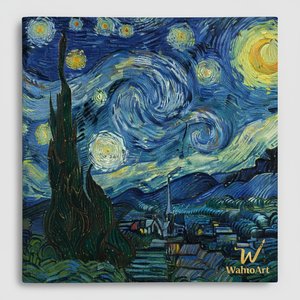
Decoding Van Gogh's Turmoil: OriginalUniqueArt’s Masterful Reproductions of Emotional Depth
Discover exquisite Van Gogh reproductions from OriginalUniqueArt – expert art specialists offering museum-quality prints & custom paintings. Trust our authentic process and elevate your collection today.

Impressionistic Realism's Finest: 10 Masterpieces for Your Home | OriginalUniqueArt
Journey through Impressionistic Realism with 10 iconic masterpieces by Monet, Renoir & Van Gogh. Explore art history, techniques & find museum-quality reproductions for your home at OriginalUniqueArt.com. Discover all masterpieces online!

Rembrandt van Rijn: Top 25 Majstrovských Diel pre Váš Domov | OriginalUniqueArt
Ponorte sa do sveta Rembrandta van Rijna s OriginalUniqueArt.com! Objavte 25 majstrovských diel holandského baroka, portrétov a ikonických obrazov plných svetla a tieňa. Kúpiť kvalitné reprodukcie pre váš interiér. Preskúmajte celú kolekciu online!
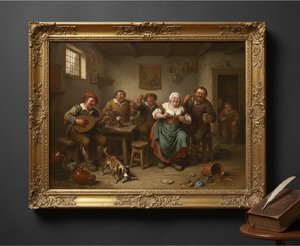
Adriaen van Ostade: A Master of Dutch Genre Painting & Social Commentary
Explore the life & work of Adriaen van Ostade, a leading Dutch Golden Age painter. Discover his realistic genre scenes, social commentary, and lasting influence on art history. Learn more at OriginalUniqueArt.