Náhľad v interiéri
 Odoslať ako digitálnu kartu
 Zdieľať
 Podrobnosti o dielo
 Príručka

 Stiahnuť obraz
 Podobné položky
 RTG skúška
 Prehliadanie diapozoje
 Otázky a odpovede
 Štatistiky
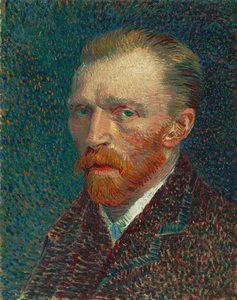
Self-portrait

- 55.0 x 45.0 cm


 Zobraziť viac
Giclée / Umenotlač
Giclée tlač alebo plátno múzeálnej kvality s rýchlou výrobou a rôznymi možnosťami povrchovej úpravy. ( Kúpiť ručne maľovaný obraz Prepnúť na digitálny obraz)




P118B €10

P118H €10

P118W €10

P438Z €10

P508JH €12

P508YH €12

P805H €10

P805Z €10

P919BZ €10

P919G €10

P919XJ €10

P959ZH €10

P968JZ €12

W106C €8

W218G €10

W218JH €8

W218Y €10

W307PJ €10

W316G €10

W316PJ €8

W316Y €10

W398PJ €8

W4111J €10

W500HY €15

W500JH €15

W692G €12

W849H €8

W940BG €15

W953PJ €8




Vyberte si z našich preddefinovaných rozmerov, ktoré zodpovedajú pôvodným pomeroḿ diela.

Zadajte šírku a výšku, ktoré potrebujete, aby sa reprodukcia hodila k vášmu rámu alebo stene. Print možno len orezávať, nikdy však nemennú veľkosť zvětšiť oproti pôvodnému obrázku, preto pri inom formáte stráca časť obrazu. Pred samotným vytlačiacím procesom vám pošleme digitálny náhľad na schválenie. Obrázok zobrazený na tejto stránke nezobrazuje reálny rez — len digitálny náhľad ukazuje presný výsledok.
Celosvetová doprava () do 2 týždňov namiesto štandardných 4 až 5 týždňov. (8 november)

Bezplatná expresná doprava po celom svete

Vysokokvalitné lnianske plátno

Kompletné poistenie prepravy

Záruka vrátenia colného poplatku

Záruka presného farebného zhodnutia

100-dená politika vrátenia tovaru (iba pri vadách)

100% záruka vrátenia peňazí

Zľava pri väčšom množstve
 Možnosť skla je dostupná len pri rozmeroch pod 110 cm

Self-portrait
Giclée / Umenotlač
Veľkosť reprodukcie
-


Celková cena
€ 72
A Window into Van Gogh’s Soul: Exploring Self-Portrait (1889)
Vincent van Gogh's *Self-Portrait* of 1889 is more than just a likeness; it’s a profound exploration of the artist’s inner turmoil and resilience, rendered with his signature expressive brushwork. Painted during his stay at the Saint-Paul-de-Mausole asylum in Saint-Rémy, this artwork offers an intimate glimpse into the mind of one of history's most celebrated – and troubled – artists. Measuring 55 x 45 cm, the oil on canvas showcases Van Gogh’s mastery of color and texture, creating a captivating and emotionally resonant image.Decoding the Artistic Style & Technique
This self-portrait is a quintessential example of Post-Impressionism, characterized by its subjective interpretation of reality and emphasis on emotional expression. Van Gogh abandons strict realism in favor of bold colors and dynamic brushstrokes. The swirling patterns around his head aren’t merely descriptive; they *feel* like the artist's internal state – restless, agitated, yet strangely beautiful. Notice the impasto technique—the thick application of paint—which gives the surface a tactile quality and enhances the sense of movement. The contrasting blues and oranges create visual tension, drawing the eye to Van Gogh’s face and intensifying the emotional impact.Historical Context & The Artist's State of Mind
Painted in September 1889, this work was created during a period of intense personal struggle for Van Gogh. Following his infamous ear-severing incident, he voluntarily admitted himself to the asylum. Despite his mental health challenges, he continued to paint prolifically, viewing art as a vital outlet and a means of self-discovery. Some scholars believe this portrait represents a moment of relative calm amidst the storm, while others interpret it as a reflection of ongoing anxiety and vulnerability. The fact that Van Gogh sent this painting to his brother Theo with a note commenting on a perceived calming of his expression suggests a desire for reassurance and a hope for recovery.Symbolism & Emotional Resonance
The intensity of Van Gogh’s gaze is perhaps the most striking element of the portrait. His eyes, though shadowed, seem to penetrate the viewer's soul, conveying a sense of both introspection and unease. The suit he wears – unusual for his typically more casual attire – suggests an attempt at self-presentation, perhaps a desire to project an image of stability or respectability. The swirling background can be interpreted as symbolic of the chaos within him, while also hinting at the natural world that continued to inspire him even during confinement. The overall effect is one of profound emotional honesty and vulnerability.Influence & Legacy
Van Gogh’s self-portraits revolutionized portraiture, moving beyond mere physical representation to explore the complexities of human psychology. His bold use of color, expressive brushwork, and willingness to reveal his inner world paved the way for Expressionism and other modern art movements. This particular *Self-Portrait* continues to captivate audiences with its raw emotional power and serves as a testament to Van Gogh’s enduring artistic genius.Complementary Works & Further Exploration
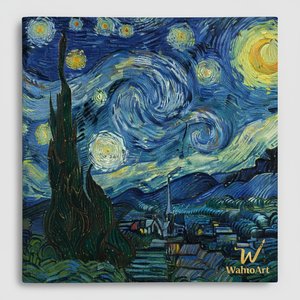
- The Starry Night (1889): Painted during the same period at Saint-Rémy, this iconic work shares a similar swirling energy and emotional intensity.
- Self-Portrait Without Beard (1889): Another self-portrait from his final months, often debated as potentially being his last completed work. It offers a contrasting image of the artist with a clean-shaven face.
- Wheatfield with Cypresses (1889): A vibrant landscape painted near the asylum, showcasing Van Gogh’s continued connection to nature and his masterful use of color.
Bringing Van Gogh's Vision Home
Experience the power and beauty of *Self-Portrait* in your own space. High-quality reproductions allow you to appreciate the intricate details and emotional depth of this masterpiece, adding a touch of artistic brilliance to any interior. Explore available handmade oil painting reproductions at [https://OriginalUniqueArt.com](https://OriginalUniqueArt.com).Otázky a odpovede
V akom médiu je vytvorené dielo „Self-portrait“ od Vincent Van Gogh?
Vincent Van Gogh pre dielo „Self-portrait“ použil/a techniku Olej na plátne. Táto technika definuje materiálnu podstatu originálneho diela.
Aký pocit vyvoláva „Self-portrait“ od Vincent Van Gogh?
„Self-portrait“ od Vincent Van Gogh vyvoláva Melancholický pocit v rámci celkového Dramatické nálady.
Aký je formát diela „Self-portrait“?
Formát diela „Self-portrait“ je Portrétny formát, čo je užitočná informácia pri plánovaní miesta, kam bude reprodukcia umiestnená.
Biografia umelca
Život namalovaný vášňou: Vincent van Gogh
Vincent Willem van Gogh, meno synonymické pre živé farby a surové emócie, zostáva jednou z najrozpoznateľnejších a najobľúbenejších postáv v dejinách umenia. Narodený 30. marca 1853 v Zundert v Holandsku, jeho cesta od trápeného mladíka hľadajúceho zmysel až po umeleckého vizionára je dojímavým príbehom oddanosti, boja a nakoniec nesmrteľného odkazu. Hoci počas svojho života dosiahol len malý komercijnú úspech – pred svojou smrťou predal len jeden obraz, The Red Vineyard (Červená vinica) – Van Goghov dopad na moderné umenie je neúmeriteľný, pretože otvoril cestu expresionizmu a ovplyvnil nespočetných umelcov, ktorí nasledovali jeho kroky. Jeho príbeh nie je len o ťahoch štetcom a plátnach; je to svedectvo o sile ľudskej vyjadrivosti v tvár adversity.
Rané roky a umelecké prebudenie
Van Goghov raný život bol poznačený sériou nesplnených ambícií. Skúmal rôzne profesie – obchodník s umením, učiteľ, a dokonca aj misionár – kým sa konečne nezasvätil maľbe vo veku 27 rokov, čo bolo relatívne neskoro. Tieto rané skúsenosti hlboko formovali jeho svetozor a našli si cestu do jeho umenia. Jeho prvé diela, zobrazujúce scény z pečovateľského života na vidieku v Belg বুকে, odrážajú hlbokú empatiu k robotníckej triede a tichú paletu farieb, ktorá odzrkadľuje ich ťažkosti. Pod vplyvom umelcov ako Jean-François Millet sa Van Gogh snažil zachytiť dôstojnosť a odolnosť týchto ľudí prostredníctvom surového realizmu. Avšak transformujúci sa ukázal až jeho presun do Paríža v roku 1886. Tam sa stretol s impresionizmom a postimpresionizmom, pričom si osvojil techniky majstrov ako Monet, Renoir a Pissarro. Táto skúsenosť rozšírila jeho umelecké obzory a viedla ho k experimentov s jasnejšími farbami a voľnejším ťahom štetcom, pričom si zachoval odlišnú emocionálnu intenzitu, ktorá u mnohých jeho súčasníkov chýbala. Jeho brat Theo, ktorý bol obchodníkom s umením, zohral v tomto období kľúčovú úlohu, poskytoval finančnú podporu a pôsobil ako životne dôležitý spojovací článok s parížskym svetom umenia. Ich rozsiahla korešpondencia ponúka neoceniteľný pohľad na Van Goghov umelecký vývoj a osobné zápasy.
horskýJužné svetlo a explozívna kreativita
V hľadaní živšej krajiny a pocitu obnovy sa Van Gogh v roku 1888 presťahoval do Arles v južnom Francúzsku. Tento presun znamenal obdobie intenzívnej tvorby, charakterizované explóziou farieb a špecifickou technikou impasto – nanovaním hrubej vrstvy farby na plátno, čím vznikol texturovaný povrch, ktorý sa zdá byť preplnený energiou. Práve tu vytvoril niektoré zo svojich najikonickejších diel: Slnečnice, Nočná kaviareň a Hviezdičná noc. Intenzívne slnečné svetlo Provance sa zdalo zapáliť jeho predstavivosť, čo ho viedlo k vykresľovaniu krajín a záložiek s nepredychanej živosťou. Jeho túžba po umeleckej spolupráci ho priviedla k pozvaniu Paula Gauguina do Arles, v nádeji na vytvorenie utopickej umeleckej kolónie. Ich vzťah sa však ukázal ako nestabilný, čo vyvrcholilo dramatickým konfrontáciou, v ktorej si Van Gogh vlastnoručne odrezal ucho. Tento udalosť podčiarkla krehkosť jeho duševného stavu a znamenala začiatok obdobia hospitalizácie a narastajúcich psychických trápení.
Neskoré roky a trvajúci odkaz
Po svojom zrútení sa Van Gogh dobrovoľne prihlásil do nemocnice v Saint-Rémy, kde pokračoval v bujnej tvorbe a zachytával okolitú krajinu s krásou aj nepokojom. Diela ako Hviezdičná noc, vytvorené počas tohto obdobia, sú preplnené pocitom vesmírneho úžasu a hlbokej emocionálnej hĺbky. Neskôr sa presunul do Auvers-sur-Oise pod starostlivosť Dr. Paula Gacheta, no jeho zápasy pretrvali. 29. júla 1890, vo veku 37 rokov, Van Gogh tragicky zomrel na ránu spôsobenú strelnou zbraňou, ktorú si spôsobil sám. Hoci počas života dosiahol len malé uznanie, jeho dielo začalo získavať pośmrtnú slávu vďaka neúnavnému úsiliu jeho švagach, Johanny van Gogh-Bonger, ktorá de𝗱ila jeho majetok a zasvätila sa propagácii jeho umenia. Dnes sú Van Goghove obrazy oslavované po celom svete pre ich emocionálnu intenzitu, inovatívne techniky a nesmrteľnú krásu. Jeho odkaz presahuje daleko za hranice plátna; stal sa symbolom umeleckej vášne, vytrvalosti v čase neúrazov a sily umenia vyjadriť tie najhlbšie ľudské emócie.
Kľúčové vplyvy a umelecký vývoj
- Raný realizmus: Zobrazovanie selského života od Jean-François Millet ovplyvnilo rané práce Van Ghoha.
- Impresionizmus a postimpresionizmus: Kontakt s Monetom, Renoirom, Pissarrom a ďalšími v Paríži rozšíril jeho paletu aj techniku.
- Japonské stripy: Van Gogh bol hlboko ovplyvnený japonskými drevorytom, ktoré vášnivým spôsobom zbieral. Ich odvážne kompozície a ploché plochy farieb ovplyvnili jeho vlastný štýl.
- Emocionálne vyjadrenie: Nadovšetko sa Van Gogh snažil prostredníctvom svojho umenia vyjadriť emóciu, pričom uprednostňoval subjektívnu skúsenosť pred objektívnou predstavou. Tento dôraz na emocionálnu intenzitu sa stal definujúcim znakom jeho práce a otvoril cestu expresionizmu.
Vincent Van Gogh
1853 - 1890 , Holandsko
Základné informácie
- Artistic Movement Or Style: Postimpresionizmus
- Artists Or Movements Influenced By This Artist:
- Expresionizmus
- Fauvizmus
- Artists Who Influenced This Artist:
- Rembrandt
- Millet
- Date Of Birth: 30. marec 1853
- Date Of Death: 29. júl 1890
- Full Name: Vincent Willem van Gogh
- Nationality: Holanďan
- Notable Artworks:
- Slnečnice
- Hviezdičná noc
- Nočná kaviareň
- Place Of Birth: Zundert, Holandsko
Súvisiace články
Beyond Impressionism: The Emotional Depth and Vibrant Evolution of Post-Impressionist Landscapes
Explore the profound evolution of Post-Impressionist landscapes. From Van Gogh's emotional brushwork to Cézanne's structural mastery, discover how these visionaries redefined art history through color and form in this expert guide for fine art enthusiasts.
Beyond Impressionism: Exploring the Emotional Depth of Post-Impressionist Painting
Explore the profound emotional depth & innovative techniques of Post-Impressionism with OriginalUniqueArt. Discover Cézanne, Van Gogh, Gauguin & more – and their lasting impact on modern art.

Beyond the Light: Discovering the Soul and Emotional Depth of Post-Impressionism
Embark on a cultural journey through Post-Impressionism. Discover the profound emotional depth of masters like Van Gogh and Cézanne, exploring how they moved beyond light to capture the very soul of human experience through vibrant color and symbolic form.
Decoding Van Gogh's Turmoil: OriginalUniqueArt’s Masterful Reproductions of Emotional Depth
Discover exquisite Van Gogh reproductions from OriginalUniqueArt – expert art specialists offering museum-quality prints & custom paintings. Trust our authentic process and elevate your collection today.

Top 10 majstrovských diel postimpresionizmu: Umelci a obrazy, ktoré zmenili svet umenia
Objavte top 10 majstrovských diel postimpresionizmu od Van Gogha, Cézanna a ďalších. Prežite príbehy umelcov a ich ikonických obrazov. Reprodukcie múzejnej kvality pre váš interiér na OriginalUniqueArt.com.