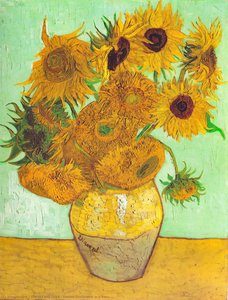
Zobraziť v interiéri
 Odoslať
 Zdieľať
 Podrobnosti
 Príručka

 Stiahnuť
 Podobné položky
 RTG skúška
 Prehliadanie diapo\]
 Štatistiky
Roses


 Prečítať si viac
Giclée / Umenotlač
Giclée tlač alebo plátno múzeálnej kvality s rýchlou výrobou a rôznymi možnosťami povrchovej úpravy. ( Objednať ručne maľovanú reprodukciu Prepnúť na digitálnu verziu obrazu)




P118B €10

P118H €10

P118W €10

P438Z €10

P508JH €12

P508YH €12

P805H €10

P805Z €10

P919BZ €10

P919G €10

P919XJ €10

P959ZH €10

P968JZ €12

W106C €8

W218G €10

W218JH €8

W218Y €10

W307PJ €10

W316G €10

W316PJ €8

W316Y €10

W398PJ €8

W4111J €10

W500HY €15

W500JH €15

W692G €12

W849H €8

W940BG €15

W953PJ €8




Vyberte si z našich preddefinovaných rozmerov, ktoré zodpovedajú pôvodným pomeroḿ diela.

Zadajte šírku a výšku, ktoré potrebujete, aby sa reprodukcia hodila k vášmu rámu alebo stene. Print možno len orezávať, nikdy však nemennú veľkosť zvětšiť oproti pôvodnému obrázku, preto pri inom formáte stráca časť obrazu. Pred samotným vytlačiacím procesom vám pošleme digitálny náhľad na schválenie. Obrázok zobrazený na tejto stránke nezobrazuje reálny rez — len digitálny náhľad ukazuje presný výsledok.
Celosvetová doprava () do 2 týždňov namiesto štandardných 4 až 5 týždňov. (23 október)

Bezplatná expresná doprava po celom svete

Vysokokvalitné lnianske plátno

Úplné poistenie prepravy

Záruka vrátenia colného poplatku

Záruka presného farebného zhodnutia

100-dená politika vrátenia tovaru (iba pri vadách)

100% záruka vrátenia peňazí

Ponuka množstevnej zľavy
 Možnosť skla je dostupná len pri rozmeroch pod 110 cm

Roses
Giclée / Umenotlač
Veľkosť reprodukcie
-


Celková cena
€ 70
A Symphony in Pink and Green: Unveiling Van Gogh’s ‘Roses’
Vincent van Gogh's “Roses,” painted in 1890 during his time at the Saint-Rémy asylum, isn’t merely a depiction of flowers; it’s a profound exploration of color, emotion, and the artist’s own turbulent inner world. This intimate still life, now residing within the hallowed halls of the National Gallery of Art in Washington D.C., offers a poignant glimpse into Van Gogh's evolving artistic language and his relentless pursuit of capturing the essence of nature – not through photographic realism, but through intensely felt observation. The painting immediately draws the eye with its vibrant palette: a riot of pinks and whites from the roses themselves, contrasted against the calming backdrop of a simple green wall. Yet, it’s more than just a pleasing arrangement; it's a carefully constructed visual dialogue, brimming with subtle complexities that invite repeated viewing and contemplation.Van Gogh’s technique in “Roses” is instantly recognizable – bold, impasto brushstrokes layered upon one another to create texture and movement. He doesn’t shy away from applying thick swathes of paint, allowing the physicality of the medium itself to contribute to the artwork's expressive power. The roses aren’t rendered with delicate precision; instead, they are suggested through energetic dabs and dashes, conveying a sense of vitality and fleeting beauty. Notice how he uses short, choppy strokes to define the petals, while longer, flowing lines capture the movement of the stems. This deliberate roughness is a hallmark of his style – a rejection of academic restraint in favor of an intensely personal and immediate approach to painting.
The Context of a Troubled Genius
To fully appreciate “Roses,” it’s crucial to understand the context within which it was created. 1890 marked a pivotal year for Van Gogh, one defined by both artistic breakthroughs and profound psychological distress. Following his infamous episode in Arles, where he mutilated his ear, he voluntarily entered the Saint-Rémy asylum – a place that simultaneously offered him refuge and exacerbated his mental instability. Despite this challenging environment, Van Gogh continued to paint with an almost obsessive fervor, producing some of his most iconic works during his time there. “Roses” is believed to have been painted shortly before his departure from the asylum, reflecting a newfound sense of optimism and a desire to connect with the natural world as a source of solace and inspiration. The choice of roses themselves holds symbolic weight; often associated with love, beauty, and remembrance, they represent a hopeful counterpoint to Van Gogh’s personal struggles.Interestingly, the painting's color palette has subtly shifted over time due to the degradation of the paint pigments. Originally, the roses were likely a more vivid pink, creating a striking contrast against the green background. This fading serves as a poignant reminder of the ephemeral nature of beauty and the passage of time – themes that resonate deeply within Van Gogh’s oeuvre.
Beyond Representation: A Window into the Soul
“Roses” transcends its simple subject matter to become a powerful meditation on perception, emotion, and the artist's relationship with his surroundings. Van Gogh wasn’t simply painting flowers; he was attempting to capture their *feeling*, their essence. The vibrant colors aren’t merely descriptive; they are expressive – conveying joy, energy, and perhaps even a hint of melancholy. The inclusion of the insect, meticulously rendered with surprising detail amidst the swirling blooms, adds another layer of intrigue, suggesting an awareness of life's delicate balance and the interconnectedness of all things.Van Gogh’s legacy extends far beyond his artistic innovations; he remains one of the most beloved and influential figures in art history. His work continues to inspire artists and captivate audiences worldwide, offering a profound glimpse into the soul of a brilliant but troubled genius. A high-quality reproduction of “Roses” allows you to bring this extraordinary piece of art into your own space, inviting contemplation and sparking conversation for years to come.
A Legacy Preserved – And Recreated
OriginalUniqueArt offers meticulously crafted hand-painted reproductions of Van Gogh’s “Roses,” capturing the artist's unique style and emotional intensity with unparalleled accuracy. Each reproduction is created by skilled artisans who painstakingly replicate every brushstroke, color nuance, and textural detail of the original painting. Whether you are an art enthusiast, a collector seeking to expand your collection, or simply someone drawn to Van Gogh’s evocative imagery, our reproductions provide a beautiful and authentic way to experience this masterpiece firsthand. Explore the full details and order your own reproduction at OriginalUniqueArt today.Otázky a odpovede
Aká sýta je paleta diela „Roses"]?
„Roses“ od Vincent Van Gogh je zachytené s Clear Color Presence saturáciou.
Aké umiestnenie sa hodí k formátu diela „Roses“ od Vincent Van Gogh?
Vďaka svojmu tvaru Landscape je reprodukcia diela „Roses“ ideálnou voľbou do Living Room.
Aký silný je kontrast v díle „Roses“ od Vincent Van Gogh?
„Roses“ od Vincent Van Gogh predstavuje Balanced kontrast medzi svetlými a tmavými časťami diela.
Biografia umelca
Život namalovaný vášňou: Vincent van Gogh
Vincent Willem van Gogh, meno synonymické pre živé farby a surové emócie, zostáva jednou z najrozpoznateľnejších a najobľúbenejších postáv v dejinách umenia. Narodený 30. marca 1853 v Zundert v Holandsku, jeho cesta od trápeného mladíka hľadajúceho zmysel až po umeleckého vizionára je dojímavým príbehom oddanosti, boja a nakoniec nesmrteľného odkazu. Hoci počas svojho života dosiahol len malý komercijnú úspech – pred svojou smrťou predal len jeden obraz, The Red Vineyard (Červená vinica) – Van Goghov dopad na moderné umenie je neúmeriteľný, pretože otvoril cestu expresionizmu a ovplyvnil nespočetných umelcov, ktorí nasledovali jeho kroky. Jeho príbeh nie je len o ťahoch štetcom a plátnach; je to svedectvo o sile ľudskej vyjadrivosti v tvár adversity.
Rané roky a umelecké prebudenie
Van Goghov raný život bol poznačený sériou nesplnených ambícií. Skúmal rôzne profesie – obchodník s umením, učiteľ, a dokonca aj misionár – kým sa konečne nezasvätil maľbe vo veku 27 rokov, čo bolo relatívne neskoro. Tieto rané skúsenosti hlboko formovali jeho svetozor a našli si cestu do jeho umenia. Jeho prvé diela, zobrazujúce scény z pečovateľského života na vidieku v Belg বুকে, odrážajú hlbokú empatiu k robotníckej triede a tichú paletu farieb, ktorá odzrkadľuje ich ťažkosti. Pod vplyvom umelcov ako Jean-François Millet sa Van Gogh snažil zachytiť dôstojnosť a odolnosť týchto ľudí prostredníctvom surového realizmu. Avšak transformujúci sa ukázal až jeho presun do Paríža v roku 1886. Tam sa stretol s impresionizmom a postimpresionizmom, pričom si osvojil techniky majstrov ako Monet, Renoir a Pissarro. Táto skúsenosť rozšírila jeho umelecké obzory a viedla ho k experimentov s jasnejšími farbami a voľnejším ťahom štetcom, pričom si zachoval odlišnú emocionálnu intenzitu, ktorá u mnohých jeho súčasníkov chýbala. Jeho brat Theo, ktorý bol obchodníkom s umením, zohral v tomto období kľúčovú úlohu, poskytoval finančnú podporu a pôsobil ako životne dôležitý spojovací článok s parížskym svetom umenia. Ich rozsiahla korešpondencia ponúka neoceniteľný pohľad na Van Goghov umelecký vývoj a osobné zápasy.
horskýJužné svetlo a explozívna kreativita
V hľadaní živšej krajiny a pocitu obnovy sa Van Gogh v roku 1888 presťahoval do Arles v južnom Francúzsku. Tento presun znamenal obdobie intenzívnej tvorby, charakterizované explóziou farieb a špecifickou technikou impasto – nanovaním hrubej vrstvy farby na plátno, čím vznikol texturovaný povrch, ktorý sa zdá byť preplnený energiou. Práve tu vytvoril niektoré zo svojich najikonickejších diel: Slnečnice, Nočná kaviareň a Hviezdičná noc. Intenzívne slnečné svetlo Provance sa zdalo zapáliť jeho predstavivosť, čo ho viedlo k vykresľovaniu krajín a záložiek s nepredychanej živosťou. Jeho túžba po umeleckej spolupráci ho priviedla k pozvaniu Paula Gauguina do Arles, v nádeji na vytvorenie utopickej umeleckej kolónie. Ich vzťah sa však ukázal ako nestabilný, čo vyvrcholilo dramatickým konfrontáciou, v ktorej si Van Gogh vlastnoručne odrezal ucho. Tento udalosť podčiarkla krehkosť jeho duševného stavu a znamenala začiatok obdobia hospitalizácie a narastajúcich psychických trápení.
Neskoré roky a trvajúci odkaz
Po svojom zrútení sa Van Gogh dobrovoľne prihlásil do nemocnice v Saint-Rémy, kde pokračoval v bujnej tvorbe a zachytával okolitú krajinu s krásou aj nepokojom. Diela ako Hviezdičná noc, vytvorené počas tohto obdobia, sú preplnené pocitom vesmírneho úžasu a hlbokej emocionálnej hĺbky. Neskôr sa presunul do Auvers-sur-Oise pod starostlivosť Dr. Paula Gacheta, no jeho zápasy pretrvali. 29. júla 1890, vo veku 37 rokov, Van Gogh tragicky zomrel na ránu spôsobenú strelnou zbraňou, ktorú si spôsobil sám. Hoci počas života dosiahol len malé uznanie, jeho dielo začalo získavať pośmrtnú slávu vďaka neúnavnému úsiliu jeho švagach, Johanny van Gogh-Bonger, ktorá de𝗱ila jeho majetok a zasvätila sa propagácii jeho umenia. Dnes sú Van Goghove obrazy oslavované po celom svete pre ich emocionálnu intenzitu, inovatívne techniky a nesmrteľnú krásu. Jeho odkaz presahuje daleko za hranice plátna; stal sa symbolom umeleckej vášne, vytrvalosti v čase neúrazov a sily umenia vyjadriť tie najhlbšie ľudské emócie.
Kľúčové vplyvy a umelecký vývoj
- Raný realizmus: Zobrazovanie selského života od Jean-François Millet ovplyvnilo rané práce Van Ghoha.
- Impresionizmus a postimpresionizmus: Kontakt s Monetom, Renoirom, Pissarrom a ďalšími v Paríži rozšíril jeho paletu aj techniku.
- Japonské stripy: Van Gogh bol hlboko ovplyvnený japonskými drevorytom, ktoré vášnivým spôsobom zbieral. Ich odvážne kompozície a ploché plochy farieb ovplyvnili jeho vlastný štýl.
- Emocionálne vyjadrenie: Nadovšetko sa Van Gogh snažil prostredníctvom svojho umenia vyjadriť emóciu, pričom uprednostňoval subjektívnu skúsenosť pred objektívnou predstavou. Tento dôraz na emocionálnu intenzitu sa stal definujúcim znakom jeho práce a otvoril cestu expresionizmu.
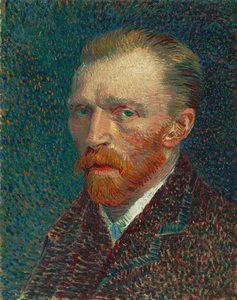
Vincent Van Gogh
1853 - 1890 , Holandsko
Rýchle fakty
- Artistic Movement Or Style: Postimpresionizmus
- Artists Or Movements Influenced By This Artist:
- Expresionizmus
- Fauvizmus
- Artists Who Influenced This Artist:
- Rembrandt
- Millet
- Date Of Birth: 30. marec 1853
- Date Of Death: 29. júl 1890
- Full Name: Vincent Willem van Gogh
- Nationality: Holanďan
- Notable Artworks:
- Slnečnice
- Hviezdičná noc
- Nočná kaviareň
- Place Of Birth: Zundert, Holandsko
Súvisiace články

Beyond the Brush: A Visual Journey Through the Emotional Brilliance of Post-Impressionism
Embark on a visual journey through Post-Impressionism. Discover the emotional depth of Van Gogh and Cézanne, explore the tactile beauty of impasto, and learn how to bring these vibrant, soulful masterpieces into your home with expert art curation and custom hand-painted reproductions.
Beyond the Light: Discovering the Soul and Emotional Depth of Post-Impressionism
Embark on a cultural journey through Post-Impressionism. Discover the profound emotional depth of masters like Van Gogh and Cézanne, exploring how they moved beyond light to capture the very soul of human experience through vibrant color and symbolic form.
Beyond Impressionism: The Emotional Depth and Vibrant Evolution of Post-Impressionist Landscapes
Explore the profound evolution of Post-Impressionist landscapes. From Van Gogh's emotional brushwork to Cézanne's structural mastery, discover how these visionaries redefined art history through color and form in this expert guide for fine art enthusiasts.
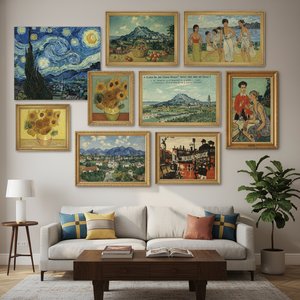
Top 10 majstrovských diel postimpresionizmu: Umelci a obrazy, ktoré zmenili svet umenia
Objavte top 10 majstrovských diel postimpresionizmu od Van Gogha, Cézanna a ďalších. Prežite príbehy umelcov a ich ikonických obrazov. Reprodukcie múzejnej kvality pre váš interiér na OriginalUniqueArt.com.
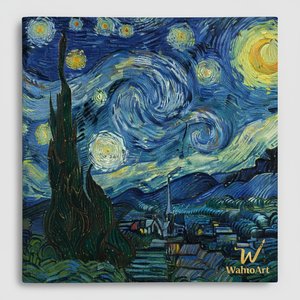
Decoding Van Gogh's Turmoil: OriginalUniqueArt’s Masterful Reproductions of Emotional Depth
Discover exquisite Van Gogh reproductions from OriginalUniqueArt – expert art specialists offering museum-quality prints & custom paintings. Trust our authentic process and elevate your collection today.