

 Náhľad v interiéri
 Odoslať ako digitálnu kartu
 Zdieľať
 Podrobnosti o dielo
 Príručka

 Stiahnuť obraz
 Podobné položky
 RTG skúška
 Prehliadanie diapozoje
 Q&A
Q&A Štatistiky
Vilnius
 Oil On Canvas
- WallArt
- Modernism
 1965
1965- Modern
 70.0 x 70.0 cm
 Lithuanian Art Centre TARTLE
 Zobraziť viac
Umelecké dielo zobrazené na tejto stránke je chránené autorským zákonom, čo znamená, že nemôžeme legálne vytvárať ani predávať jeho identickú reprodukciu. Táto ochrana je vymáhaná na základe medzinárodných dohôd, ako napríklad Bernská konvencia a národnými zákonmi, vrátane tých, ktoré sú stanovené v Autorské právo USA – Title 17. Všetky práva vyhradené.
Táto metóda plne dodržiava autorské práva, pretože nezahŕňa kopírovanie ani duplikovanie chráneného diela. Ide skôr o kreatívnu reinterpretáciu – nový obraz, ktorý je ovplybnený originálom, no nie je s ním identický.
Giclée / Umenotlač
Giclée tlač alebo plátno múzeálnej kvality s rýchlou výrobou a rôznymi možnosťami povrchovej úpravy. ( Kúpiť ručne maľovaný obraz Prepnúť na digitálny obraz)




P118B €10

P118H €10

P118W €10

P438Z €10

P508JH €12

P508YH €12

P805H €10

P805Z €10

P919BZ €10

P919G €10

P919XJ €10

P959ZH €10

P968JZ €12

W106C €8

W218G €10

W218JH €8

W218Y €10

W307PJ €10

W316G €10

W316PJ €8

W316Y €10

W398PJ €8

W4111J €10

W500HY €15

W500JH €15

W692G €12

W849H €8

W940BG €15

W953PJ €8




Vyberte si z našich preddefinovaných rozmerov, ktoré zodpovedajú pôvodným pomeroḿ diela.

Zadajte šírku a výšku, ktoré potrebujete, aby sa reprodukcia hodila k vášmu rámu alebo stene. Print možno len orezávať, nikdy však nemennú veľkosť zvětšiť oproti pôvodnému obrázku, preto pri inom formáte stráca časť obrazu. Pred samotným vytlačiacím procesom vám pošleme digitálny náhľad na schválenie. Obrázok zobrazený na tejto stránke nezobrazuje reálny rez — len digitálny náhľad ukazuje presný výsledok.
Celosvetová doprava () do 2 týždňov namiesto štandardných 4 až 5 týždňov. (30 október)

Bezplatná expresná doprava po celom svete

Vysokokvalitné lnianske plátno

Kompletné poistenie prepravy

Záruka vrátenia colného poplatku

Záruka presného farebného zhodnutia

100-dená politika vrátenia tovaru (iba pri vadách)

100% záruka vrátenia peňazí

Zľava pri väčšom množstve
 Možnosť skla je dostupná len pri rozmeroch pod 110 cm

Vilnius
Giclée / Umenotlač
Veľkosť reprodukcie
-


Celková cena
€ 71
Biografia umelca
Vincas Kisarauskas: A Radical Voice in Soviet Lithuania
Born in Augiemanių, Lithuania, in 1934, Vincas Kisarauskas’s life and art were inextricably linked to the turbulent currents of Soviet-era Lithuania. He emerged as a pivotal figure in the country's burgeoning modernist scene – a bold experimenter who defied official constraints while simultaneously pushing the boundaries of artistic expression. Often described as one of the most progressive artists of his time, Kisarauskas’s work is characterized by its raw emotion, unsettling imagery, and a deliberate rejection of prevailing ideological norms. His legacy lies not just in the paintings he created but also in his courageous stance against censorship and his profound influence on subsequent generations of Lithuanian artists.
Early Years and Artistic Training
Kisarauskas’s artistic journey began with a practical grounding in ceramics at the Telšiai Trade School of Applied Arts. This early exposure to tactile materials and functional design subtly shaped his later approach, influencing his use of texture and form. He then transitioned to Vilnius Art Institute, initially studying textiles before transferring to the Painting Department in 1959. It was here that he truly began to develop his distinctive style – a potent blend of abstraction, expressionism, and a deeply personal vision. His graduation marked the beginning of a period where his work would be largely marginalized by the state’s rigid artistic controls.
A Style Defined by Disruption and Emotion
Kisarauskas's art is immediately arresting. He wasn’t interested in creating pleasant, easily digestible images; instead, he sought to confront viewers with uncomfortable truths about the human condition. His paintings are often characterized by fragmented figures, distorted perspectives, and a palpable sense of unease. He frequently employed stark contrasts between light and shadow, utilizing bold colors – particularly reds and blacks – to amplify the emotional intensity of his scenes. Kisarauskas’s work can be seen as a direct response to the psychological pressures of living under Soviet rule, reflecting the anxieties, frustrations, and suppressed desires of ordinary Lithuanians. He was a pioneer in combining painting with photography and assemblage, creating multi-layered works that challenged traditional artistic conventions.
Recognition After Censorship: A Late Flowering
For much of his career, Kisarauskas’s work remained largely unseen by the public. The Soviet authorities actively suppressed any art deemed “formalist” or subversive, and his innovative style was considered a threat to ideological orthodoxy. Despite this censorship, he continued to create prolifically, often working in secret and distributing his art through informal channels. It wasn't until after his death in 1988 in New York that his work began to receive wider recognition. The lifting of restrictions on artistic expression following the collapse of the Soviet Union allowed Kisarauskas’s legacy to finally emerge, solidifying his place as a key figure in Lithuanian modernism and a courageous voice against oppression.
Key Works and Lasting Influence
Several works stand out as particularly significant examples of Kisarauskas's artistic vision. “Christ at Emmaus” (1988), painted shortly before his death, is a powerful depiction of faith and suffering, rendered in a raw and emotionally charged style. "Illuminated Window III" (1987) showcases his exploration of light and shadow, while "April Space" (XX Century. V) reflects the anxieties of the era. His smaller-format works, including diary-like sketchbooks and ex-libris designs, offer a glimpse into his creative process and reveal a remarkable versatility. Kisarauskas’s influence extends beyond his own creations; he inspired countless artists in Lithuania to challenge conventions and explore new forms of expression. He remains a potent symbol of artistic freedom and a testament to the enduring power of art to resist oppression.
Useful Links:

Vincas Kisarauskas
1934 - 1988 , Lithuania
Základné informácie
- Full Name: Vincas Kisarauskas
- Nationality: Lithuanian
- Date Of Birth: 1934
- Date Of Death: 1988
- Place Of Birth: Augiemanių, Lithuania
- Notable Artworks:
- Christ at Emmaus
- Illuminated Window III
- April Space
- Tilting towards Zanavykai
- Six Figures...
- Artistic Movement Or Style: Radical Modernism
- Artists Who Influenced This Artist: ['Abstract Expressionism']
- Artists Or Movements Influenced By This Artist: ['Contemporary Lithuanian art']
Súvisiace články

Crimson Threads of Narrative: Exploring Symbolism & Representation in Artworks Featuring the Red Dress
Explore the rich symbolism of the red dress in art history! From ancient power displays to iconic portraits like Cézanne’s 'Madame Cezanne', discover the cultural and artistic significance behind this captivating color. Expert analysis & insights.

Concrete Visions: Exploring the Urban Landscape in Painting – From Realism to Contemporary Art
Explore the evolution of cityscape painting from Realism to contemporary art with OriginalUniqueArt. Discover key artists & invest in timeless urban visions. Expert guidance, museum-quality reproductions.
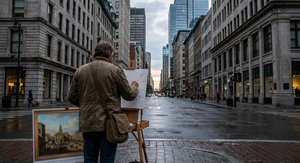
Urban Visions: A Historical & Artistic Exploration of the Cityscape in Painting
Explore the evolution of cityscape painting from historical maps to Impressionist masterpieces. Discover artists like Caillebotte & Utrillo. Find museum-quality reproductions at OriginalUniqueArt.

Mark Rothko: Top 25 dielo pre milovníkov umenia a luxusného interiéru
Ponorte sa do sveta Marka Rothka s OriginalUniqueArt.com! Objavte top 25 diel abstraktného expresionizmu, farebných plôch a hlbokých emócií. Kúpiť reprodukcie obrazov online a inšpirujte sa pre luxusný interiérový dizajn. Preskúmajte celú kolekciu na OriginalUniqueArt.com
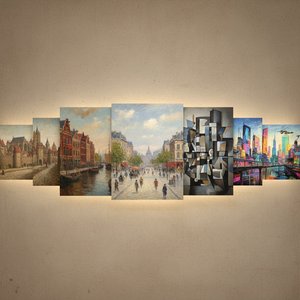
Urban Visions: A Historical & Artistic Exploration of the Cityscape in Painting
Explore the evolution of cityscape painting from historical maps to Impressionist masterpieces. Discover artists like Caillebotte, Utrillo & Matsumoto Shunsuke. Find museum-quality reproductions at OriginalUniqueArt.