

 Zobraziť v interiéri
 Odoslať
 Zdieľať
 Podrobnosti
 Príručka

 Stiahnuť
 Podobné položky
 RTG skúška
 Prehliadanie diapo\]
 Štatistiky
Calvary
 Oil
Oil- WallArt
- Renaissance
 1530
1530- Renaissance
 242.0 x 239.0 cm
 Grão Vasco National Museum
 Prečítať si viac
Giclée / Umenotlač
Giclée tlač alebo plátno múzeálnej kvality s rýchlou výrobou a rôznymi možnosťami povrchovej úpravy. ( Objednať ručne maľovanú reprodukciu Prepnúť na digitálnu verziu obrazu)




P118B €10

P118H €10

P118W €10

P438Z €10

P508JH €12

P508YH €12

P805H €10

P805Z €10

P919BZ €10

P919G €10

P919XJ €10

P959ZH €10

P968JZ €12

W106C €8

W218G €10

W218JH €8

W218Y €10

W307PJ €10

W316G €10

W316PJ €8

W316Y €10

W398PJ €8

W4111J €10

W500HY €15

W500JH €15

W692G €12

W849H €8

W940BG €15

W953PJ €8




Vyberte si z našich preddefinovaných rozmerov, ktoré zodpovedajú pôvodným pomeroḿ diela.

Zadajte šírku a výšku, ktoré potrebujete, aby sa reprodukcia hodila k vášmu rámu alebo stene. Print možno len orezávať, nikdy však nemennú veľkosť zvětšiť oproti pôvodnému obrázku, preto pri inom formáte stráca časť obrazu. Pred samotným vytlačiacím procesom vám pošleme digitálny náhľad na schválenie. Obrázok zobrazený na tejto stránke nezobrazuje reálny rez — len digitálny náhľad ukazuje presný výsledok.
Celosvetová doprava () do 2 týždňov namiesto štandardných 4 až 5 týždňov. (25 október)

Bezplatná expresná doprava po celom svete

Vysokokvalitné lnianske plátno

Úplné poistenie prepravy

Záruka vrátenia colného poplatku

Záruka presného farebného zhodnutia

100-dená politika vrátenia tovaru (iba pri vadách)

100% záruka vrátenia peňazí

Ponuka množstevnej zľavy
 Možnosť skla je dostupná len pri rozmeroch pod 110 cm

Calvary
Giclée / Umenotlač
Veľkosť reprodukcie
-


Celková cena
€ 70
A Monumental Testament of Faith: The Soul of the Portuguese Renaissance
In the heart of the sixteenth century, amidst the maritime grandeur of the Age of Discovery, a masterpiece emerged that would capture the very essence of spiritual devotion and artistic innovation. Vasco Fernandes, known affectionately to history as Grão Vasco, crafted his "Calvary" around 1530, creating an emblem of Portuguese Renaissance art that continues to resonate with profound emotional depth. This is not merely a depiction of a biblical event; it is a meticulously layered narrative where the terrestrial and the divine collide. The painting serves as a window into an era defined by fervent religious piety, where every brushstroke was intended to illuminate profound theological truths through visual splendor.
The composition is a masterclass in dynamic movement, utilizing sweeping diagonal lines to guide the viewer’s gaze through a crowded, emotionally charged landscape. At the center of this cosmic drama stands the cross of Christ, positioned with such deliberate prominence that it feels as though the spectator is standing directly at the foot of Golgotha. The scene is teeming with life—soldiers, bystanders, and horses create a sense of historical immediacy, yet the focus remains anchored by the central figure of Jesus. His outstretched arms and the palpable expression of suffering invite a direct, visceral connection between the observer and the sacred subject, making the piece an unparalleled centerpiece for those who appreciate art that speaks to the human condition.
A Synthesis of Flemish Precision and Portuguese Grandeur
What makes "Calvary" truly extraordinary is its sophisticated stylistic fusion. Grão Vasco, heavily influenced by the Northern European traditions he encountered through Flemish masters, utilized the medium of oil paint to achieve a level of luminosity rarely seen in the Iberian Peninsula at the time. Through the careful application of translucent glazes, he achieved a breathtaking depth, allowing light to dance across the canvas and cast dramatic, heavy shadows that heighten the scene's theatrical intensity. This technique lends an ethereal glow to Christ’s figure, separating the divine from the surrounding earthly chaos.
However, Grão Vasco did not simply mimic the Flemish style; he infused it with a distinctly Portuguese soul. There is a palpable sense of solemnity and monumental scale in his work, a characteristic born from his patronage by the Catholic Church and the cultural atmosphere of the Manueline period. For the discerning collector or interior designer, this painting offers more than just aesthetic beauty; it provides a sense of historical weight and architectural dignity. The interplay of light and shadow, combined with the rich, saturated tones, makes it an ideal choice for creating a focal point in spaces that demand sophistication, contemplation, and a touch of the sublime.
Symbolism and the Narrative Landscape
Beyond its technical brilliance, "Calvary" is a dense tapestry of Christian symbolism. The painting captures the profound tension between life and death, salvation and sin. Christ is positioned between the Good Thief and the Bad Thief, a narrative device that serves as a powerful meditation on redemption. The surrounding figures—the swooning Virgin Mary, St. John, and Mary Magdalene—are rendered with such psychological realism that their grief becomes a shared experience for the viewer. Even in the smaller, more peripheral details, such as the miniature scene of Judas's hanging or the transport of the ladder, Grão Vasco weaves a complex web of temporal and narrative dimensions.
For those seeking to adorn a home or gallery with a high-quality reproduction, "Calvary" offers an inexhaustible source of inspiration. It is a work that rewards repeated viewing, revealing new layers of detail and meaning with every encounter. Whether placed in a quiet study to inspire meditation or in a grand hall to command attention, this masterpiece brings with it the enduring legacy of the Portuguese Renaissance—a period where art was used to bridge the gap between the mortal world and the eternal.
Otázky a odpovede
Akú mieru kontrastu predstavuje „Calvary“ od Vasco Fernandes (Grão Vasco)?
„Calvary“ od Vasco Fernandes (Grão Vasco) predstavuje Balanced kontrast medzi svetlými a tmavými časťami diela.
Prečo je autorskoprávny status diela „Calvary“ taký, aký je?
„Calvary“ od Vasco Fernandes (Grão Vasco) je v v verejnom vlastníctve – autorské práva vypršali. Doba trvania autorského práva sa začína dňom smrti umelca, ktorého smrť nastala v roku 1542.
Akú atmosféru prináša „Calvary“ od Vasco Fernandes (Grão Vasco) do interiéru?
Vďaka svojej Dramatic nálade je dielo „Calvary“ vhodné do Living Room.
Biografia umelca
Majster z Viseu: Život a odkaz Grã Vasco
V samom srdci portugalskej renesancie few mien rezonuje s takou úctou ako Vasco Fernandes, ktorý je v histórii známy pod láskavým prikladným menom Grão Vasco. Fernandes, narodený okolo roku 1475 v historickom meste Viseu, sa vynikul ako titan 16. storočia – maliar, ktorého štetec zachytil duchovný žiar a čoraz greaterú pozemsnú slávu jeho éry. Jeho životné dielo predstavuje hlboké pretiekanie severoeurópskej technickej precíznosti a jedinečnej portugalskej duše, čím vytvorilo vizuálny jazyk definujúci éru manuelín – vek námorných objavov a ornatej, dekoratívnej veľkoleposti.
Základy Fernandesových mimoriadnych schopností boli položené v dielňach jeho súčasníkov, najmä pod vplyvom školy Joaneanes. Táto väzba na flamandské tradície bola transformatívna; predstavila mu sofistikovanú médium olejomaľby, ktoré umožnilo úroveň luminovnosti a mikroskopických detailov predtým nepoznanú na Iberijskom polostrove. Prostredníctvom tejto línie sa Vasco naučil manipulovať so svetlom a tieňom, osvojiť si umenie chiaroscuro a jemné vrstvenie pigmentov, aby vytvoril textúry, ktoré sa divákovi zdali takmer hmatateľné. Táto syntéza flamandskeho realizmu s miestnou, emotívnou citlivosťou sa stala znamením jeho neskorého štýlu.
Tkanina viery a detailu
Dielo Grã Vasco je charakteristické svojimi monumentálnymi oltárovými obrazmi, ktoré slúžili nielen ako dekorácie, ale ako hlboké teologické okná pre veriacich. Jeho schopnosť utkať komplexné náboženské naratívy do kompozícií s nesmiernou dramatickou silou je možno najlepšie pozorovať v jeho spracovaní svätých tém. V díloch ako Krst Krista môžeme svedčiť o úchvatnom ovládnutí dynamického pohybu a duchovného patosu. Lamičivé detaily vody a božské svetlo dopadajúce na scénu odrážajú majstra vo vrcholnej technickej vysadenosti, ktorý využíva každý ťah štetcom na vyvolanie pocitu zázraku.
Okrem osamotených postav svätých mal Fernandes pozoruhodnú schopnosť zachytiť ľudské emócie a komunitné napätie. Jeho interpretácie Poslednej večere predstavujú monumentálne úspechy renesančného umenia. V týchto kompozíciách sa umelec presahuje jednoduchú ikonografiu, aby preskúmal psychologickú hĺbku učeníšencov a využil dramatickú hru svetla na zdôraznenie váhy Kristovho posledného hostiny. Dôsledná pozornosť venovaná záhybom šatov, symbolické využitie flóry a architektonický grandióz v jeho maľbách prispievajú k pocitu manuelínskeho nádory – štýlu, ktorý zrkadlí bohatstvo portugalskej zlatého veku objavov.
Historický význam a trvajúci vplyv
Historický význam Vasco Fernandesa nemožno prehodnotiť; bol architektom národnej estetiky. Integráciou precíznosti Severu s dekoratívnou exuberanciou portugalského dvora poskytol vizuálnu identitu národu v zenite jeho moci. Jeho odkaz sa nachádza v spôsobe, akým pozdvihol status maliara zo skromného remeselníka na hlbokého rozprávača o ľudskej a božskej kondícii.
Dnes diela Grã Vasco naďalej očarujú publikum po celom svete a slúžia ako nevyhnutné referenčné body pre každého, kto sa snaží pochopiť renesanciu v Južnej Európe. Jeho príspevky možno zhrnúť do niekoľkých kľúčových umeleckých pilierov:
- Technická inovácia: Majstrovské adoptovanie a zdokonaľovanie technik flamandskej olejomaľby v rámci Portugalska.
- Kultúrna syntéza: Bezproblémové prepojenie severoeurópskeho realizmu s ornateným, námornícky inšpirovaným manuelínskym štýlom.
- Duchovný naratív: Bezprecedentná schopnosť preložiť komplexné náboženské dogmy do emocionálne rezonujúcich vizuálnych zážitkov.
- Národná identita: Vytvorenie definitívnej portugalskej školy maľby, ktorá stála vedľa veľkých tradícií Itálie a Flandrie.
Keď sa pozrieme na trvajúcu brilanciu jeho oltárov, vidíme viac než len farbu na dreve; vidíme srdcový tep éry renesancie, zachovaný prostredníctvom vizionárskych očí Grã Vasco.

Vasco Fernandes (Grão Vasco)
1475 - 1542
Rýchle fakty
- Artistic Movement Or Style: Manuelínsky štýl
- Artists Or Movements Influenced By This Artist: ['Edite Melo']
- Artists Who Influenced This Artist: ['Joaneanes']
- Date Of Birth: ok. 1475 Viseu
- Date Of Death: ok. 1542
- Full Name: Vasco Fernandes
- Nationality: Portugalský
- Notable Artworks:
- Svätý Ján Krteľ
- Tieň Senu v Paríži
- Plavba Oceánom Pacifik
- Svadba rýb
- Place Of Birth: Portugalsko
Súvisiace články

Oil on Canvas: A Historical & Technical Exploration of a Timeless Artistic Medium
Explore the rich history & enduring techniques of oil painting on canvas. Discover the science behind its longevity, conservation practices, and contemporary relevance. Expert insights for art enthusiasts.

Trvalé dedičstvo olejomaľby: Technika, história a súčasná prax
Objavte trvalé dedičstvo olejomaľby! Prehľad techník, histórie a súčasnej praxe. Naučte sa o majstrovských postupoch a kvalitných reprodukciách diel od renesancie po súčasnosť.
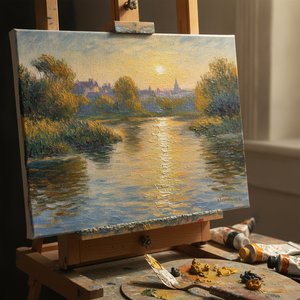
The Soul of Impressionism: Why Oil on Canvas Captures Eternal Light and Timeless Emotion
Discover the enchanting alchemy of Impressionism. Explore how the mastery of oil on canvas, through glazing and impasto, captures eternal light and emotion. Perfect for lovers of Monet and Van Gogh seeking the profound depth of hand-painted fine art.

The Enduring Power of Painting: A Historical & Contemporary Exploration of Form and Emotion
Explore the rich history & enduring techniques of oil painting with OriginalUniqueArt. Discover masterpieces, learn about art collecting, and find authentic handmade reproductions crafted by skilled artists.

The Enduring Legacy of Oil on Canvas: Technique, History & Aesthetic Impact
Explore the rich history & techniques of oil painting – from Renaissance masters to Impressionism. Discover pigments, layering methods, and why this timeless medium endures. Expert insights for artists & art enthusiasts.