 Náhľad v interiéri
 Odoslať ako digitálnu kartu
 Zdieľať
 Podrobnosti o dielo
 Príručka

 Stiahnuť obraz
 Podobné položky
 RTG skúška
 Prehliadanie diapozoje
 Q&A
Q&A Štatistiky
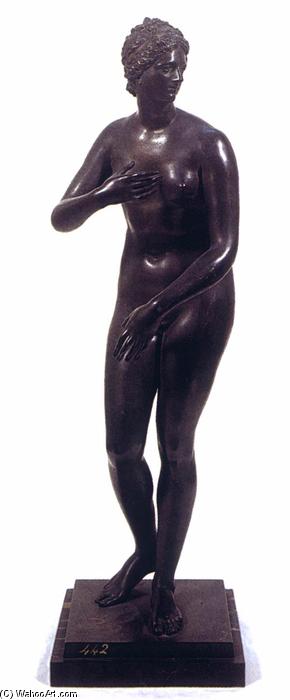
Venus


 Zobraziť viac
Získajte súbor pripravený na tlač, ktorý ponúka oveľa vyššiu kvalitu než online náhľad. Každý predávaný digitálny obraz pochádza z vysokorozlíseného originálu v našej databáze – zvyčajne s šírkou 5 000 až 15 000 pixelov – takže môžete s istotou tlačiť vo veľkom formáte, vytvárať detailné výrezy alebo reprodukovať jemné detaily.
Žiadny súbor neopustí naše štúdio bez úprav. Digitálny expert kontroluje farby v porovnaní s originálnym obrazom a v prípade potreby ich opraví, následne nástrojmi na profesionálnu retuš zvyšuje mieru ostrosti a detailov — pričom vždy zostáva verný umeleckému ťahu štetca a štýlu autora. Výsledkom je obraz, ktorý pôsobí ako samotné dielo, nie ako naskenovaný snímok s filtrom.
Schvaľujete ešte pred dokončením: náš expert vám obrazový súbor do 72 hodín pošle e-mailom na kontrolu. Nie ste spokojní? Požiadajte o vylepšenia alebo opravy, prípadne si môžete vyžiadať vrátenie platby, ak kvalita nedosahuje očakávanú úroveň.
Táto kvalita je základom dôvery vydavateľov, dizajnových štúdií, galérií a tlačovníkov.
Digitálny obraz
Stiahnite si vysokorozlíšený súbor na osobné zobrazovanie, tlačenie a kreatívne projekty. ( Prepnúť na tlač Kúpiť ručne maľovaný obraz)
Súčasťou každej objednávky digitálneho obrazu
Garantovaná expertná digitálna distribúcia
Keď si vyberiete OriginalUniqueArt.com, nezískate len obyčajný obrázok – získate profesionálne upravené digitálne umenie, vytvorené s maximálnou precíznosťou a podložené zárukou vašej spokojnosti. Tu je všetko, čo je súčasťou vašej objednávky automaticky:

Rýchle doručenie e-mailom
Vaša vysokorozlíšená digitálna súprava obrázkov vám bude zaslaná e-mailom do 72 hodín od objednávky – pripravená na okamžité použitie.

Digitálny súbor s vylepšením AI
Vaše dielo je profesionálne optimalizované pomocou pokročilých nástrojov umelej inteligencie a manuálnej úpravy, čo zaručuje maximálnu mieru detailov, čistotu a presnosť farieb.

Bezplatné celoživotné opätovné doručenie
Súbor ste náhodou zmazali alebo ste ho stratili? Žiadne starosti – kedykoľvek vám ho môžeme poslať znova, úplne bez poplatkov.

Bez poplatkov za dovoz – navždy
Užite si svoje umenie okamžite bez colných poplatkov, daní alebo nákladov na dopravu – digitálne stiahnutia sú vždy oslobodené od dane.

Garantovaná presnosť farieb
Pomocou profesionálnych nástrojov a farebného manažmentu zabezpečujeme, aby vaša digitálna fotografia čo najpresnejšie odrážala pôvodné farby.

Záruka spokojnosti 100 dní
Ak nebudete spokojní so svojím digitálnym obrázkom, upravíme ho alebo vám v priebehu 100 dní vrátime 100% – bez zbytočných otázok.

100% Záruka vrátenia peňazí
Nie ste spokojní? Získajte plnú náhradu platby do 100 dní od prijatia digitálneho súboru – bez zbytočných otázok.

Zľavy pri veľkom odbere
Pri kúpe 3 obrázkov získate zľavu 10% - Pri kúpe 5 obrázkov získate zľavu 15% - Pri kúpe 10+ obrázkov získate zľavu 20%. Ideálne pre kreatívne projekty, galérie a agentúry.
Životopis umelca
A Sculptor of Whimsy: The Life and Art of Valerio Cioli
Valerio Cioli, a name perhaps less celebrated than his Renaissance contemporaries yet profoundly influential in the development of Florentine sculpture, flourished during the latter half of the 16th century. Born in Florence in 1529 and passing away in 1599, Cioli’s career unfolded against a backdrop of artistic innovation and the powerful patronage of the Medici court. While details regarding his early training remain somewhat elusive, it is understood he immersed himself in the sculptural traditions of the city, absorbing the lessons of masters like Michelangelo – though his path would diverge significantly from the High Renaissance ideals of classical perfection. Cioli’s art wasn't about imposing grandeur; it was about playful observation, a touch of irony, and an embrace of the unconventional. He often worked collaboratively with his brother Giovanni Simone Cioli, making disentangling individual contributions to certain projects a challenge for modern scholars. However, Valerio’s distinctive style – characterized by dynamic movement, expressive faces, and a penchant for depicting everyday life – consistently shines through.The Boboli Gardens: A Stage for Cioli's Imagination
Cioli’s enduring legacy is inextricably linked to the Giardino di Boboli, the magnificent Florentine garden commissioned by Cosimo I de’ Medici. It was within this expansive landscape that he created some of his most iconic works, transforming the space into a veritable theater of sculpture. The centerpiece, and arguably his masterpiece, is the Fontana del Bacchino (1560). This fountain isn't merely decorative; it’s a witty commentary on court life. It depicts Pietro Barbino, a dwarf in Cosimo I’s service, ironically nicknamed Morgante – after the giant from Luigi Pulci’s epic poem – portrayed nude and reclining upon a tortoise as a drunken Bacchus. The sculpture is a fascinating blend of humor and social observation, capturing both the absurdity and the vulnerability of its subject. The fountain's playful spirit, far removed from the solemnity of earlier Renaissance fountains, established Cioli’s reputation for whimsical baroque themes. Further enriching the Boboli Gardens are two additional sculptures attributed to Valerio (in collaboration with his brother): Uomo che vanga (Digging Man) and Uomo che scarica il secchio in un tino (Man Emptying a Bucket into a Vat). These figures, depicting laborers engaged in simple tasks, represent an early interest in portraying the lives of ordinary people – a departure from the traditional focus on mythological or religious subjects.Beyond Boboli: A Diverse Oeuvre
While the Boboli Gardens remain central to his fame, Cioli’s artistic output extended beyond these commissioned works. He demonstrated versatility and skill in various sculptural mediums and styles. A notable example is his Satyr with a Flask, now housed in the Museo del Bargello. This sculpture showcases his ability to render anatomical detail and imbue classical motifs with a sense of lively energy. Perhaps one of his most significant, though less frequently discussed, achievements was his contribution to the tomb of Michelangelo Buonarroti in the Basilica di Santa Croce. Cioli sculpted personifications of Painting, Sculpture, and Architecture – allegorical figures intended to honor the multifaceted genius of the Renaissance master. This commission underscores the esteem in which Cioli was held by his contemporaries; he was entrusted with a task of immense symbolic importance, paying tribute to one of history’s greatest artists. He also collaborated with Giovanni Vincenzo Casali on the statue of San Giovanni Evangelista for the Chapel of San Luca in the Annunziata, further demonstrating his collaborative spirit and willingness to engage in large-scale projects.Influences and Artistic Development
Cioli’s artistic development was shaped by a complex interplay of influences. The legacy of Michelangelo is undeniable – evident in his understanding of anatomy and dynamic composition. However, he consciously moved away from the High Renaissance emphasis on idealized forms, embracing instead a more naturalistic and expressive style. The Mannerist movement, with its elongated figures and dramatic poses, also left its mark on his work. But what truly sets Cioli apart is his unique ability to infuse his sculptures with humor, irony, and a sense of playful observation. He wasn’t simply replicating classical models or adhering to established conventions; he was creating something new – a distinctly baroque sensibility that anticipated the artistic trends of the 17th century. His fascination with everyday life, as evidenced in the Boboli sculptures depicting laborers, reflects a growing interest in realism and social commentary during the Renaissance period.Historical Significance and Lasting Legacy
Valerio Cioli’s historical significance lies not in revolutionizing sculpture but in subtly shifting its direction. He bridged the gap between the High Renaissance and the Baroque, paving the way for artists who would embrace dynamism, emotion, and theatricality. His work challenged traditional notions of beauty and decorum, introducing a new level of wit and irony into Florentine art. The Fontana del Bacchino, in particular, remains a powerful symbol of Medici patronage and the complex social dynamics of the Renaissance court. While often overshadowed by more celebrated figures, Cioli’s sculptures continue to captivate audiences with their playful spirit, expressive faces, and enduring charm. He stands as a testament to the power of observation, the importance of individuality, and the enduring appeal of art that dares to be both beautiful and thought-provoking.
Valerio Cioli
1529 - 1599
Základné informácie
- Full Name: Valerio Cioli
- Nationality: Italian
- Date Of Birth: 1529
- Date Of Death: 1599
- Place Of Birth: Settignano
- Notable Artworks:
- Fontana del Bacchino
- Uomo che vanga
- Satyr with a flask
- Artistic Movement Or Style: Baroque
- Artists Who Influenced This Artist: ['Michelangelo Buonarroti']
- Artists Or Movements Influenced By This Artist: ['Giovanni Simone Cioli']